GLP-1 and Weight Loss Challenges: Understanding the Complexities
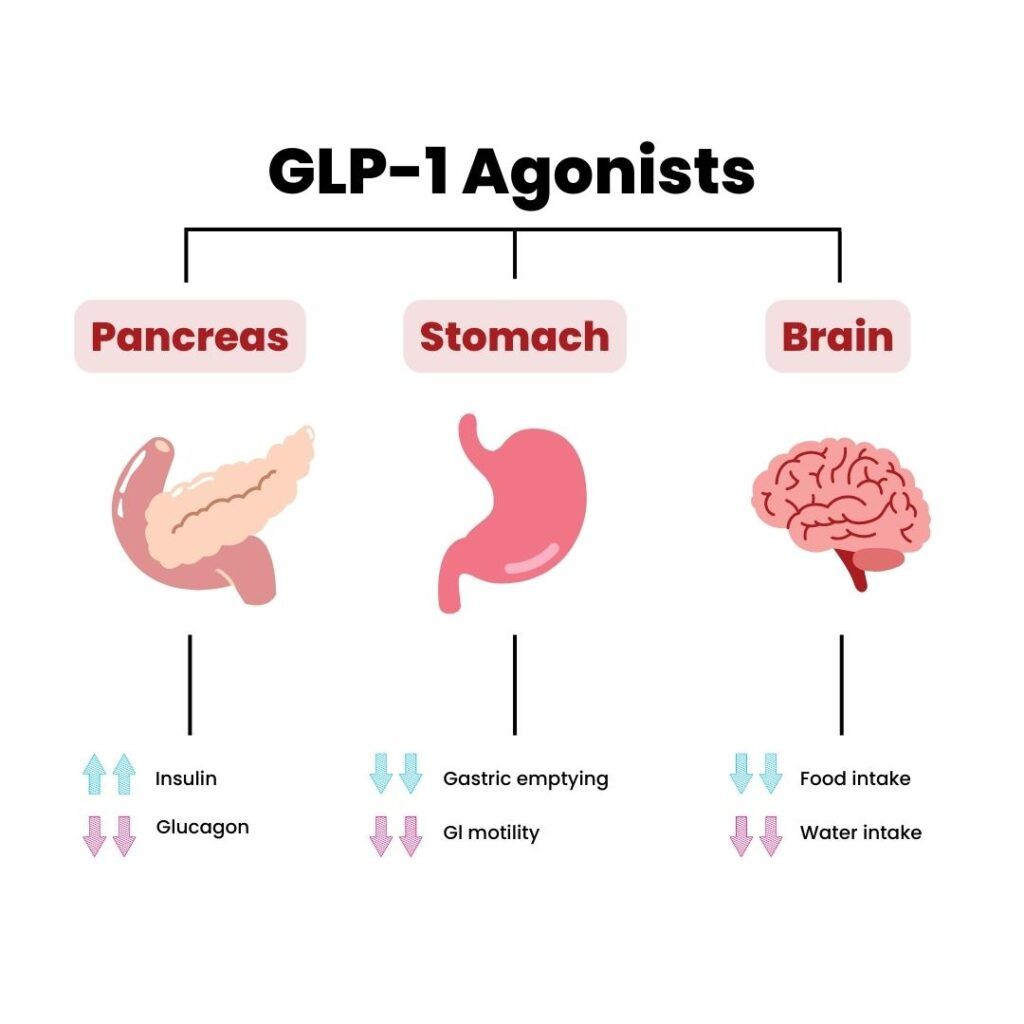
Glucagon-like peptide-1 (GLP-1) receptor agonists have revolutionized the treatment landscape for obesity, offering a promising solution for individuals struggling with weight loss. However, real-world challenges and limited clinician and public knowledge on GLP-1s pose significant hurdles in effectively utilizing these medications. In this article, we will delve into the complexities of GLP-1 and weight loss challenges, exploring the benefits, risks, and nuances of these powerful medications.
GLP-1s: A Game-Changer for Weight Loss
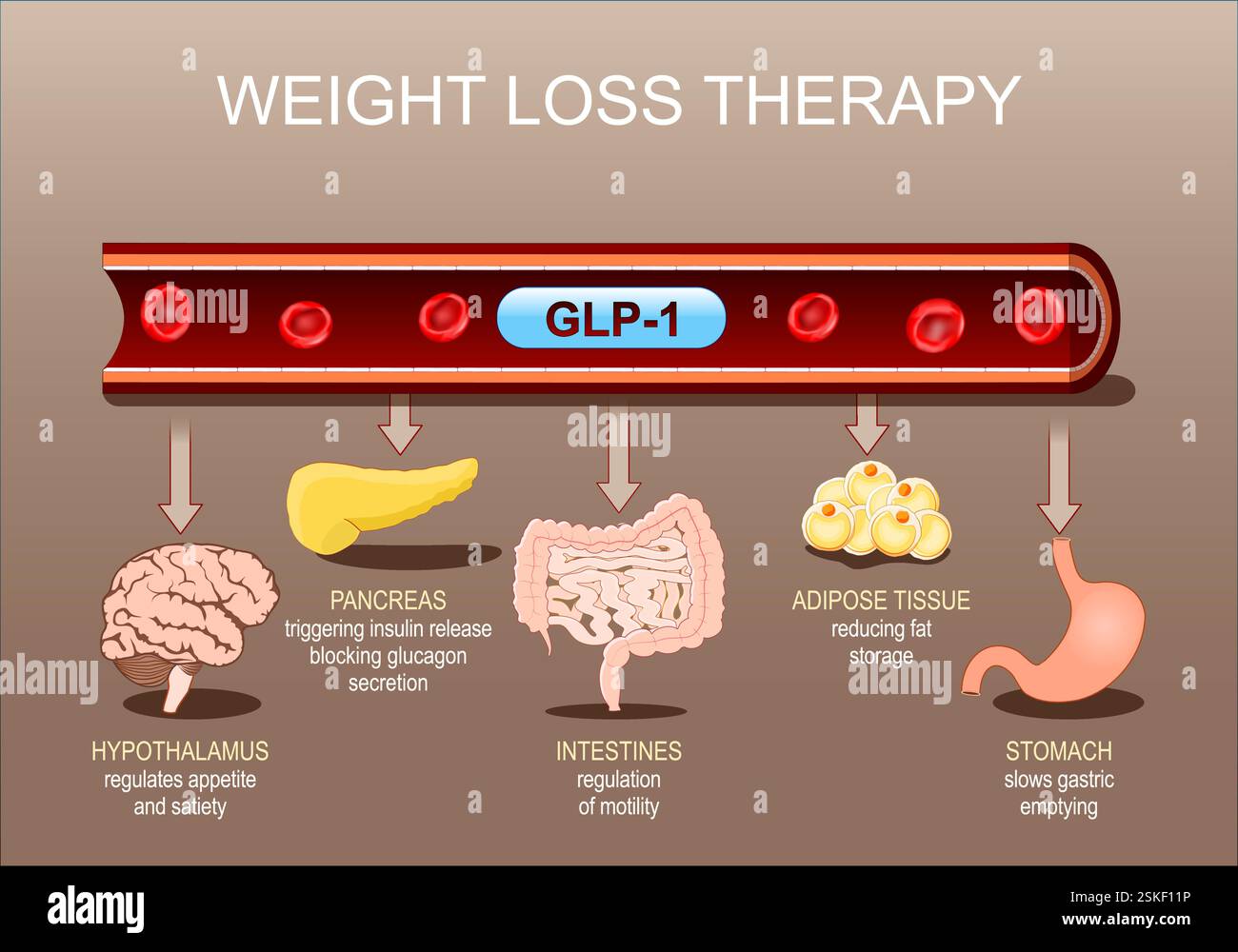
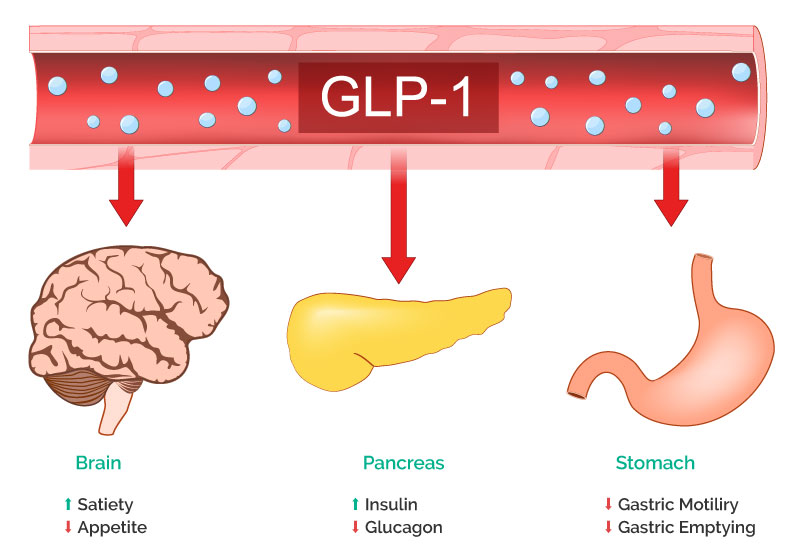
GLP-1s have been shown to spur weight loss and health benefits on their own, with combined lifestyle changes yielding even more significant results. A recent review of nearly three dozen studies found that GLP-1s reduce body weight by 5% to 18% in trials, with modestly lower effects in real-world analyses. Additionally, multiple demonstrated clinical benefits, such as increased metabolism and improved heart health, have made GLP-1s an attractive option for individuals seeking weight loss solutions.
Challenges Associated with GLP-1s
- Gastrointestinal side effects, including nausea and vomiting, are common complaints among GLP-1 users.
- Risk of micronutrient deficiencies due to calorie reduction can occur, particularly if not properly managed.
- Muscle and bone loss are potential challenges, especially if GLP-1s are used long-term without proper nutrition and exercise.
- Low long-term adherence and subsequent weight regain are significant concerns, emphasizing the need for sustained lifestyle changes.
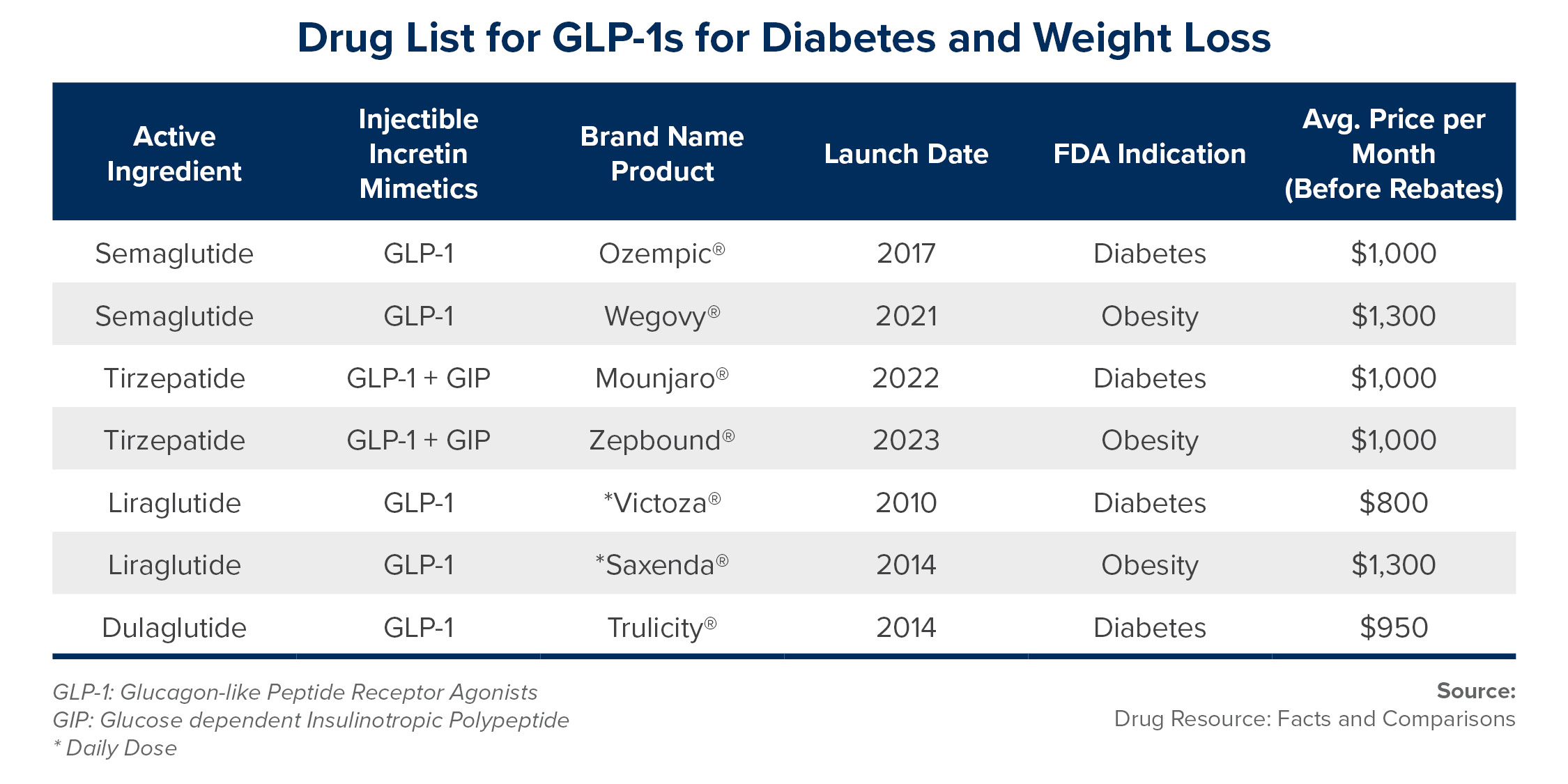
- High costs associated with GLP-1s can limit accessibility and make them less cost-effective in the long run.
Navigating the Complexities of GLP-1s
Understanding the nuances of GLP-1s is essential for effective utilization. Clinicians and patients must navigate the challenges of side effects, nutritional deficiencies, and muscle loss while promoting sustained lifestyle changes. Recent studies have highlighted the importance of behavioral support and targeted interventions to mitigate these challenges and ensure long-term success.
Emerging Trends and Future Directions

The rapidly growing market for weight loss treatments is driving innovation in GLP-1s, with new medications and combination therapies on the horizon. Additionally, the conversation surrounding GLP-1s is shifting to address addiction and related mental health challenges, prompting a re-evaluation of how we approach obesity and compulsive behaviors.
Conclusion
GLP-1s offer a powerful tool for weight loss, but their complexities cannot be overstated. By understanding the benefits, risks, and nuances of these medications, clinicians and patients can effectively navigate the challenges associated with GLP-1s and achieve meaningful, sustainable weight loss. Ultimately, engaging in a GLP-1 weight loss program is about more than just shedding pounds; it's about nurturing a healthier lifestyle and achieving long-term wellness.
Resources
- World Health Organization (WHO) guidelines on the use of GLP-1 therapies for treating obesity
- Recent studies on the effects of GLP-1s on weight loss and health benefits
- Emerging trends and future directions in GLP-1s and weight loss treatments
References:
- Jul 1, 2025 - GLP-1 drugs can transform the health of people with obesity, quiet "food noise," and may level the weight-loss playing field
- Dec 1, 2025 - Delivering optimal nutrition management to people with obesity treated with GLP-1-based therapies presents healthcare providers with many challenges
- May 30, 2025 - GLP-1s reduce body weight by 5% to 18% in trials, with modestly lower effects in real-world analyses
- Jan 8, 2026 - Eli Lilly's orforglipron and retatrutide are pivotal in the cardiometabolic market, with significant sales projections by 2031
- Mar 12, 2026 - Eat Well. Protect Your Muscle. Support Your Body While Using GLP-1 Medications