Synthesizing Recent Developments: GLP-1 Receptor Agonists and Mindful Eating
Recent advancements in the field of glucagon-like peptide-1 (GLP-1) neurobiology have shed light on the complex relationship between GLP-1 receptor agonists (GLP-1RAs) and eating behaviors. These medications have revolutionized the treatment of metabolic conditions such as obesity and diabetes, but their effects on eating habits and mental health are still being studied and debated.The Science Behind GLP-1RAs
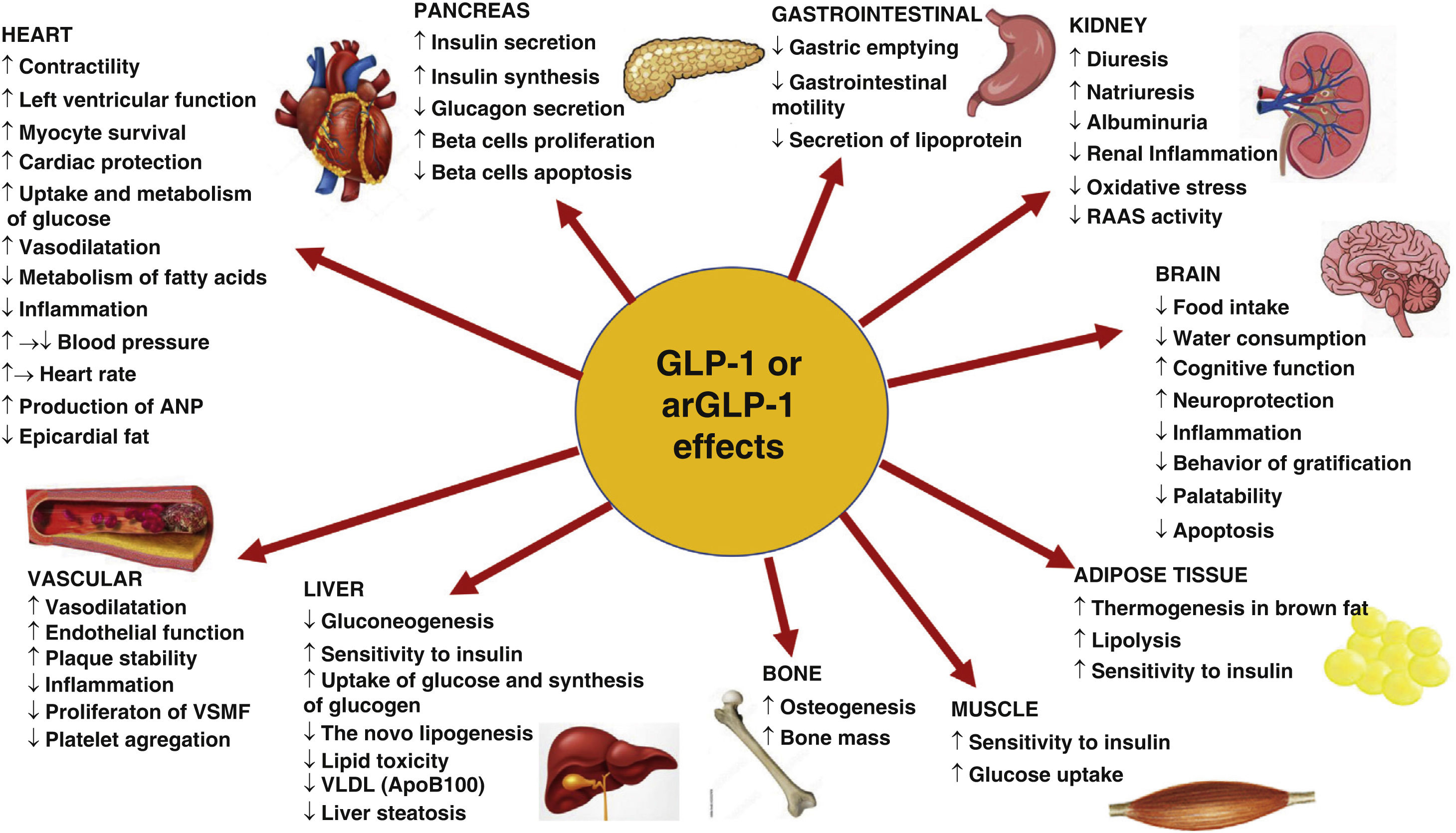
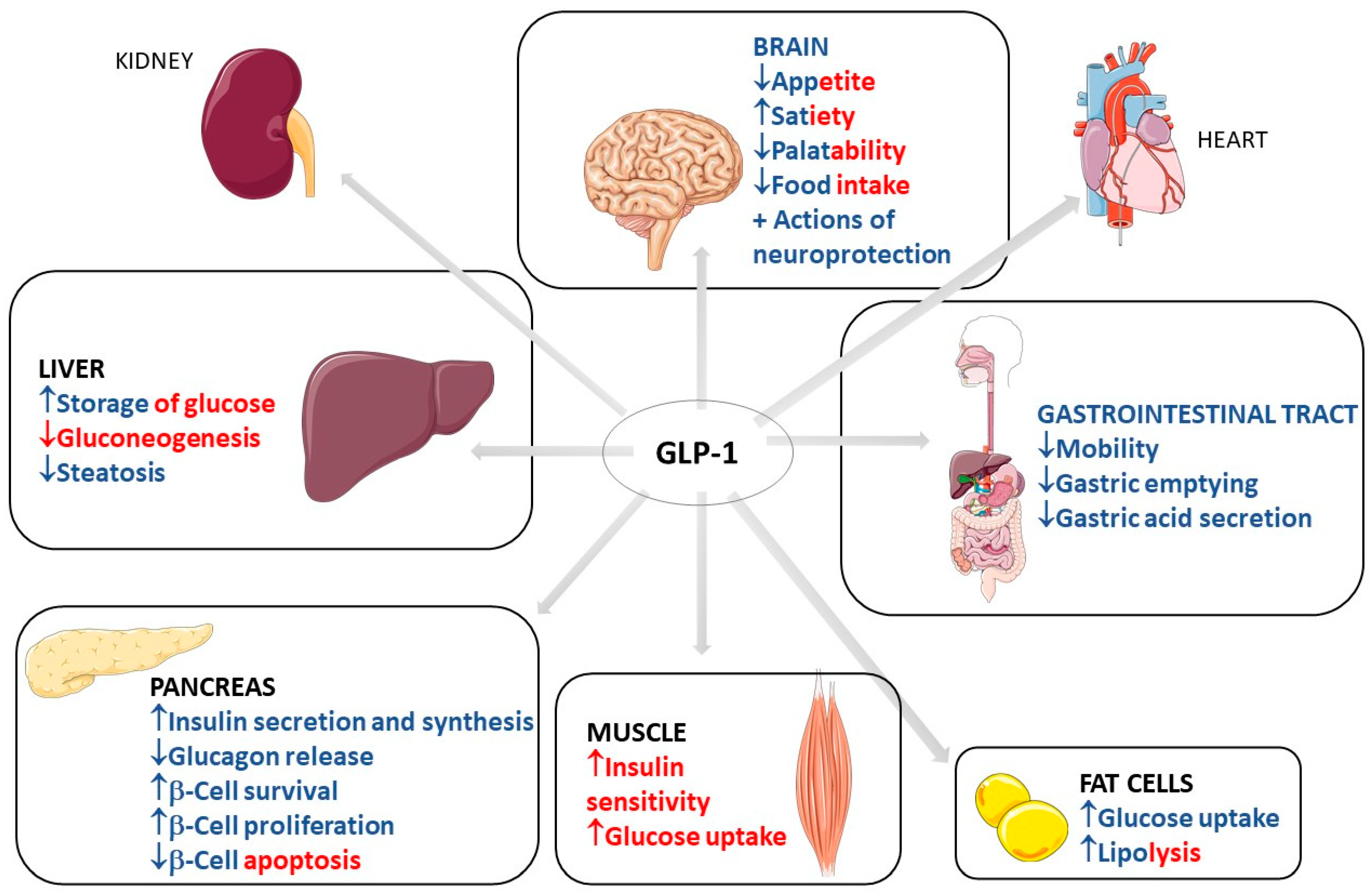
Glucagon-like peptide-1 receptor agonists are medications that mimic the natural hormone GLP-1, which regulates appetite and metabolism. GLP-1RAs work by activating the GLP-1 receptor, causing reduced blood sugar levels, reduced appetite, and reduced energy intake. This mechanism is particularly beneficial for individuals struggling with weight management and metabolic issues.Mindful Eating: A Critical Component of GLP-1RA Treatment
Mindful eating is an essential aspect of GLP-1RA treatment, as it allows individuals to develop a healthier relationship with food and their bodies. By promoting awareness and intentionality in eating, mindful eating practices can help reduce the risk of eating disorders and improve overall mental health. When used in conjunction with GLP-1RAs, mindful eating can lead to more sustainable weight loss and improved metabolic health.The Psychological Impact of GLP-1RAs on Eating Behaviors
Studies have shown that GLP-1RAs can influence neural pathways linked to motivation and pleasure, potentially leading to changes in eating behaviors. This is particularly concerning for individuals at risk of eating disorders, as these medications can mimic the symptoms of disordered eating. As such, it is essential to monitor patients on GLP-1RAs for signs of disordered eating and provide education on mindful eating practices to mitigate these risks.Understanding the Long-term Effects of GLP-1RAs