GLP-1 Therapy for Type 2 Diabetes Management: A Groundbreaking Approach
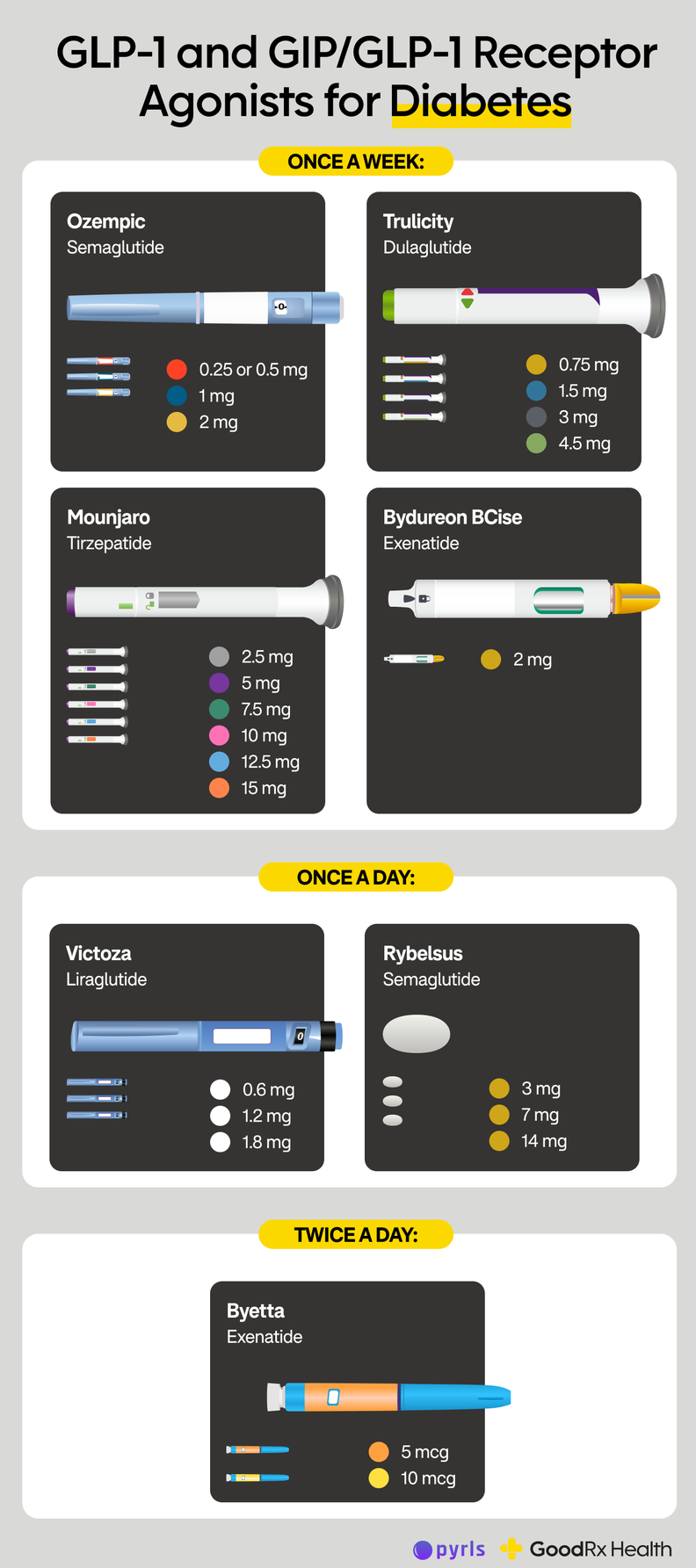
Glucagon-like peptide-1 (GLP-1) receptor agonists have emerged as a revolutionary class of medications for managing type 2 diabetes and associated metabolic disorders. These agents not only improve glycemic control by increasing insulin secretion and reducing glucagon levels but also offer numerous benefits, including weight loss, cardiovascular protection, and kidney health improvement.
The Science Behind GLP-1 Therapy
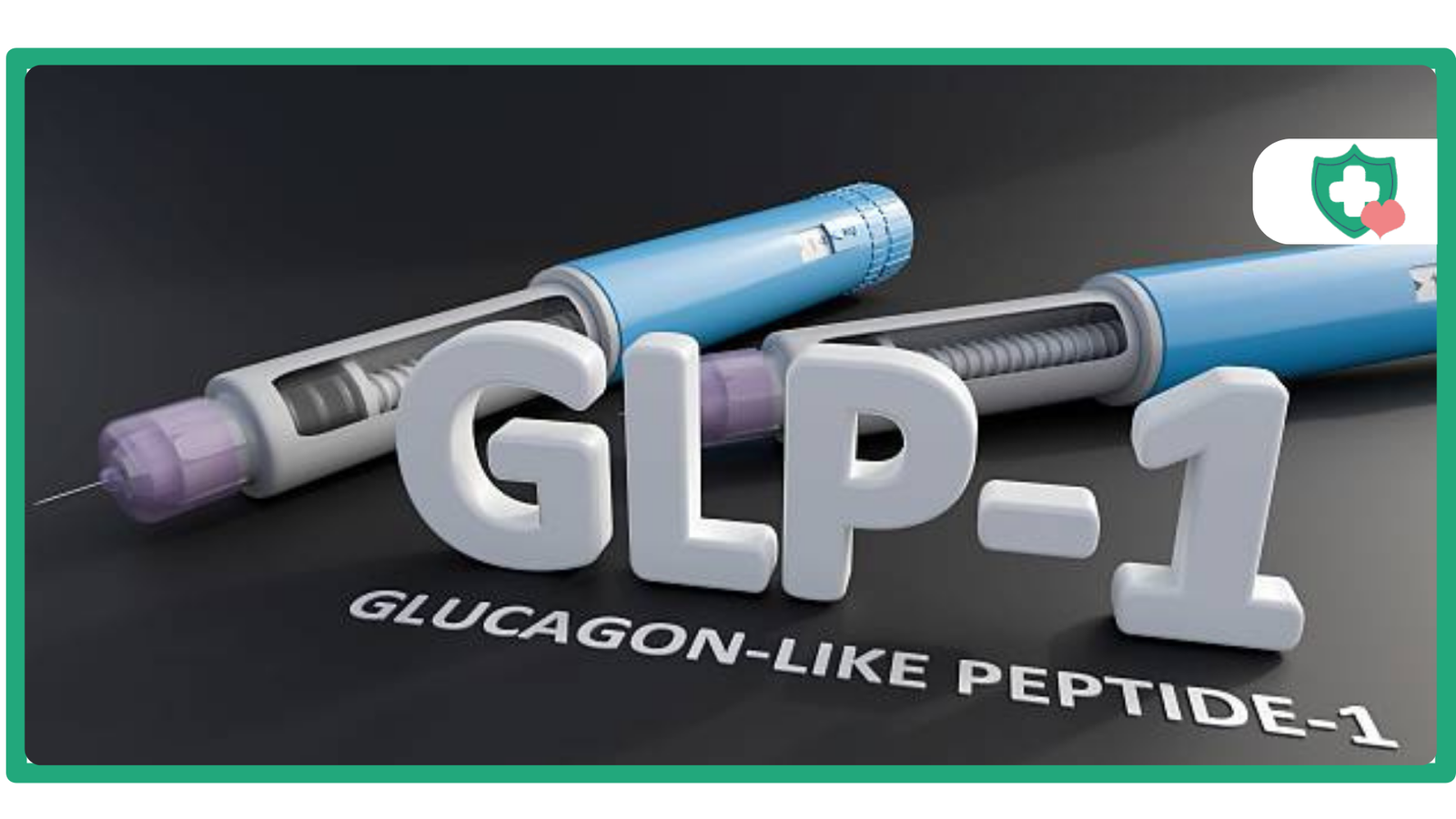
GLP-1 is an incretin hormone produced in the intestines in response to food intake. It plays a crucial role in glucose homeostasis by enhancing glucose-dependent insulin secretion and suppressing glucagon release. In individuals with type 2 diabetes, GLP-1 levels are impaired, leading to inadequate insulin secretion and hyperglycemia. Pharmacological stimulation of the GLP-1 receptor through GLP-1 receptor agonists (GLP-1RAs) has become an essential tool for the treatment of type 2 diabetes.
Benefits of GLP-1 Therapy
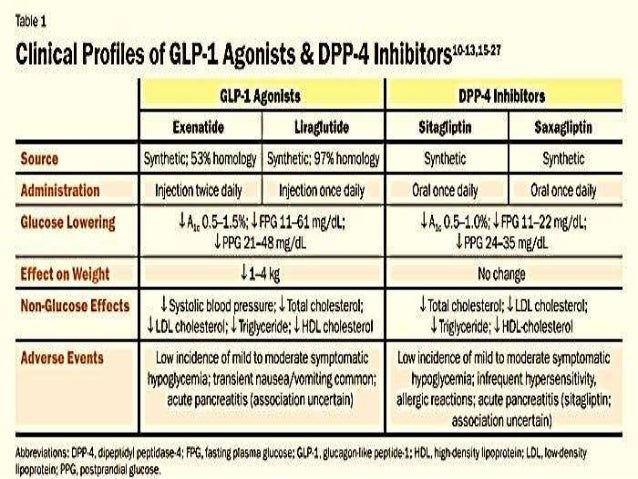
- Glycemic control: GLP-1RAs improve glycemic control by increasing insulin secretion and reducing glucagon levels.
- Weight loss: GLP-1RAs lead to significant weight loss, which is a major factor in the management of type 2 diabetes.
- Cardiovascular protection: GLP-1RAs have been shown to reduce the risk of cardiovascular events, including heart attacks and strokes.
- Kidney health improvement: GLP-1RAs have been found to improve kidney health and reduce the risk of kidney disease progression.
GLP-1 Therapy for Weight Management
GLP-1RAs have also been shown to be effective for weight management in individuals with and without diabetes. The dual GLP-1/GIP agonist tirzepatide has been found to have greater glycemic and weight-reducing efficacy compared to either class of agent alone.
Recent Developments in GLP-1 Therapy
Recent studies have demonstrated the benefits of GLP-1 therapy in type 1 diabetes, with one study showing that GLP-1 receptor agonists could offer heart, kidney, and weight benefits without raising hospitalization risk for diabetic ketoacidosis or severe hypoglycemia.
Challenges and Considerations
While GLP-1 therapy offers numerous benefits, there are also challenges and considerations to be aware of. These include the high cost of some GLP-1RAs, the potential for gastrointestinal side effects, and the need for personalized care and continued pharmacovigilance as their use grows.

Conclusion
GLP-1 therapy for type 2 diabetes management is a groundbreaking approach that offers numerous benefits, including improved glycemic control, weight loss, cardiovascular protection, and kidney health improvement. While there are challenges and considerations to be aware of, the benefits of GLP-1 therapy make it a valuable addition to the treatment armamentarium for individuals with type 2 diabetes.
Key Takeaways
- GLP-1RAs improve glycemic control and reduce the risk of cardiovascular events.
- GLP-1RAs lead to significant weight loss and improve kidney health.
- GLP-1 therapy is effective for weight management in individuals with and without diabetes.
- Recent studies have demonstrated the benefits of GLP-1 therapy in type 1 diabetes.
- Challenges and considerations include the high cost of some GLP-1RAs and the potential for gastrointestinal side effects.
References
For a comprehensive list of references, please visit our website or consult with a healthcare professional.
About the Author
Our team of experts in the field of diabetes management and GLP-1 therapy is committed to providing accurate and up-to-date information to help you make informed decisions about your healthcare.
Disclaimer
The information contained in this article is for general information purposes only and should not be taken as medical advice. Please consult with a healthcare professional for personalized guidance and treatment.