GLP-1 Weight Loss Medication Reviews: A Comprehensive Guide
The rise of GLP-1 weight loss medications has been nothing short of phenomenal in recent years. These medications, designed to mimic the natural hormone glucagon-like peptide-1, have been hailed as a game-changer in the fight against obesity. But with so many options available, it can be daunting to navigate the complex world of GLP-1 weight loss medications. In this article, we'll delve into the world of GLP-1 weight loss medications, exploring their benefits, side effects, and real-world results.
What Are GLP-1 Medications?
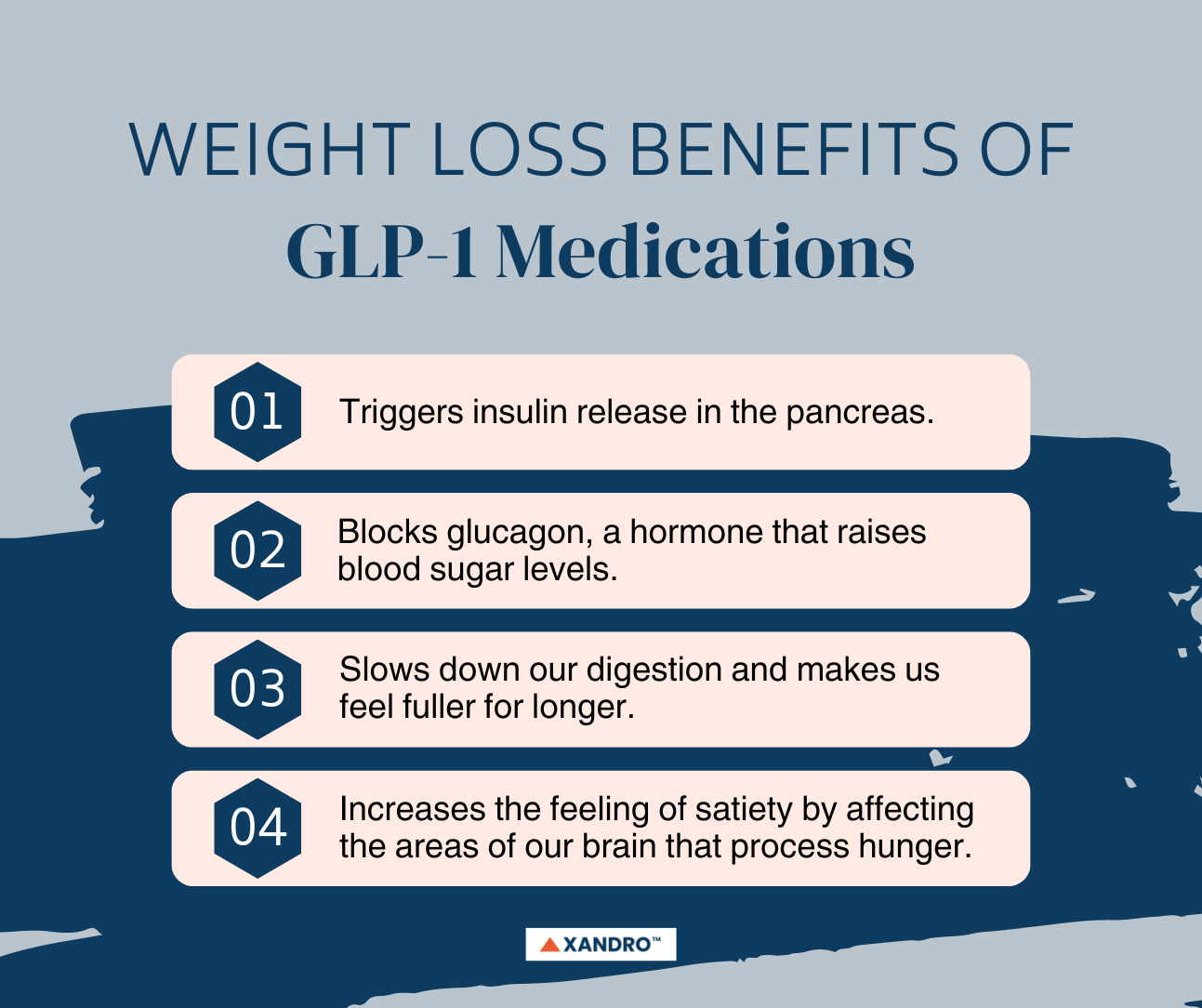
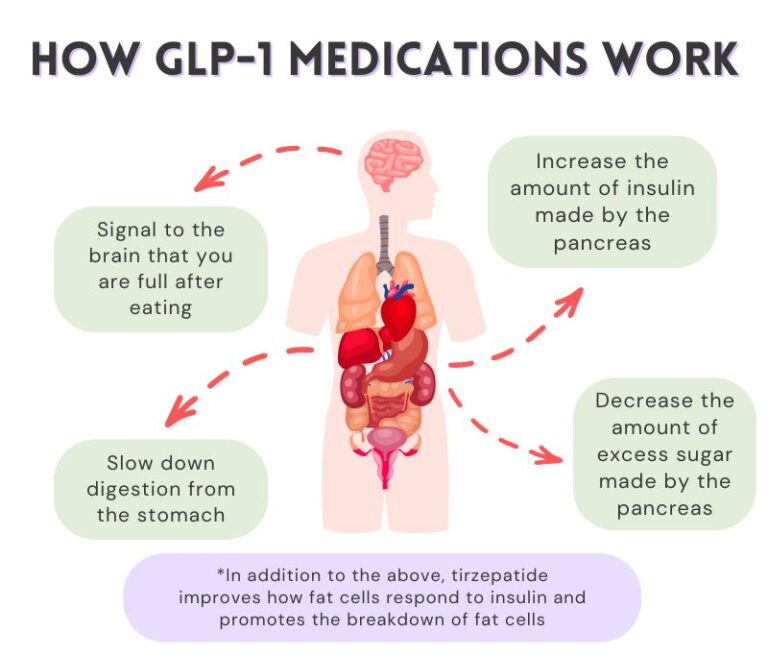
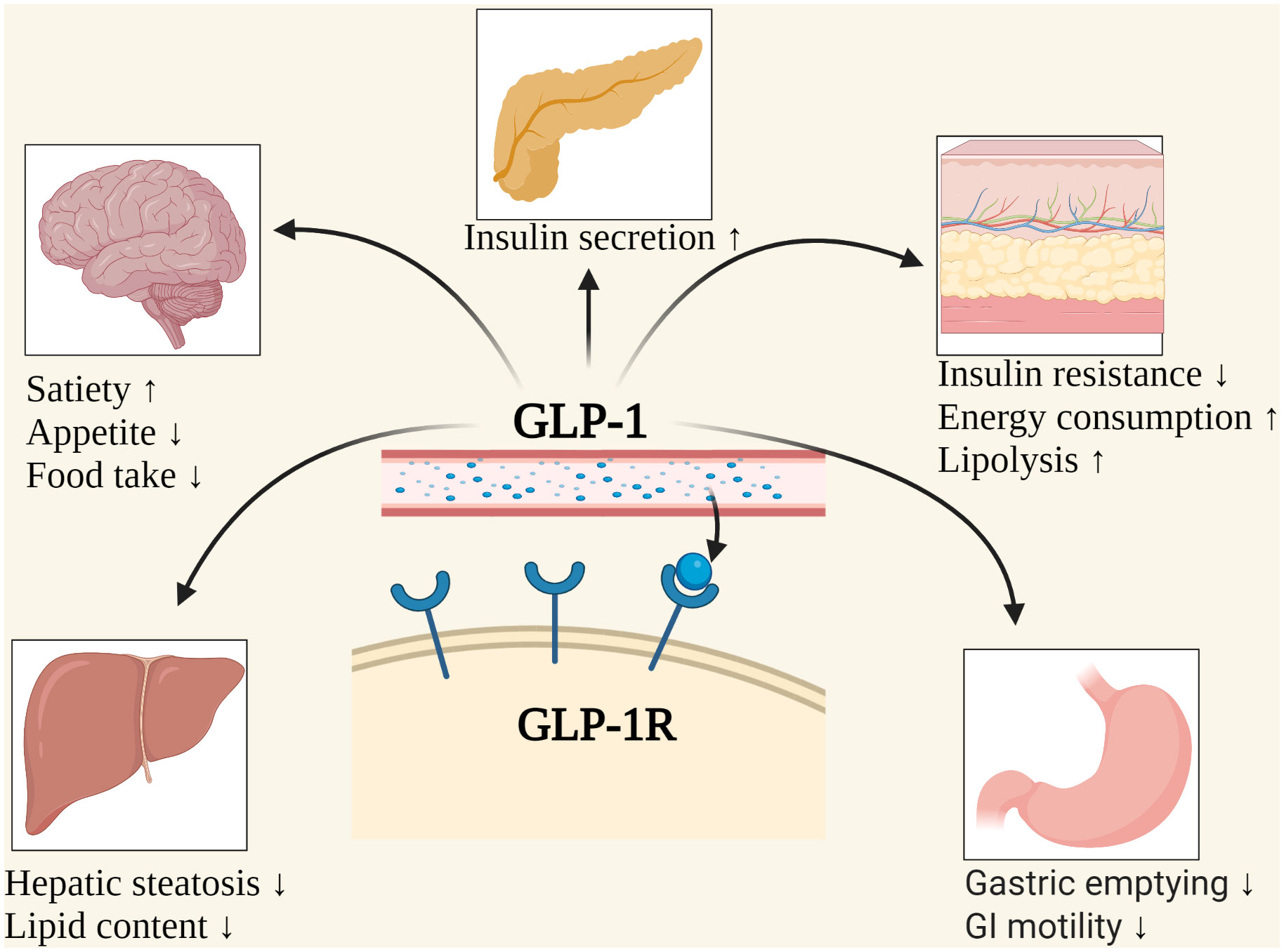
GLP-1 medications, also known as GLP-1 receptor agonists, work by targeting GLP-1 receptors in the body. They increase insulin production, decrease glucagon levels, and delay gastric emptying, which helps to reduce appetite and promote weight loss. Originally developed to treat type 2 diabetes, GLP-1 medications have since been approved for use in weight loss and other cardiometabolic applications.
The Most Effective GLP-1 Medications for Weight Loss
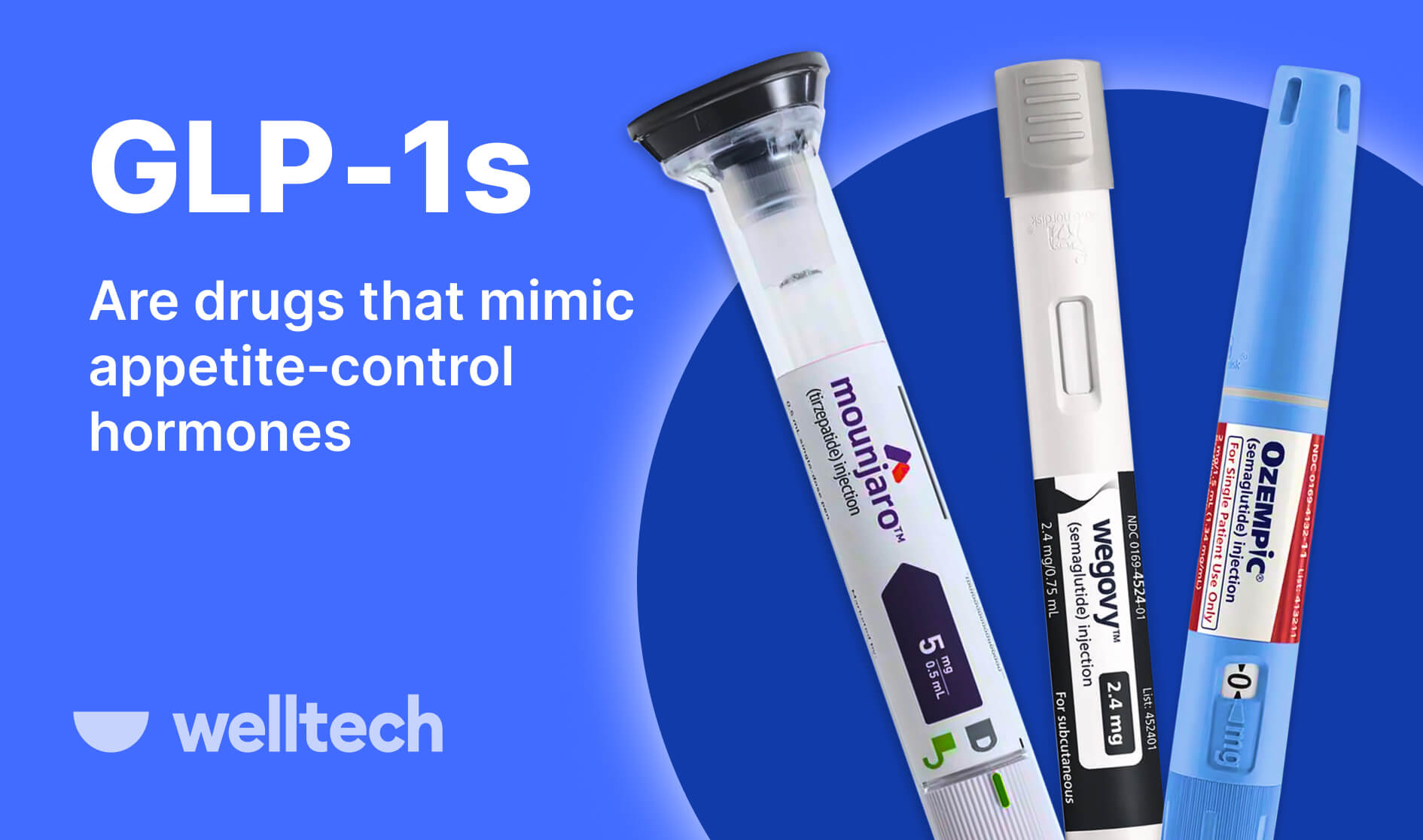
When it comes to weight loss, some GLP-1 medications stand out from the crowd. According to recent studies, tirzepatide (Mounjaro, Zepbound) and semaglutide (Wegovy, Ozempic) are among the most effective GLP-1 medications for weight loss. Tirzepatide has been shown to promote significant weight loss, with some studies reporting weight losses of up to 18%.
The Science Behind GLP-1 Medications
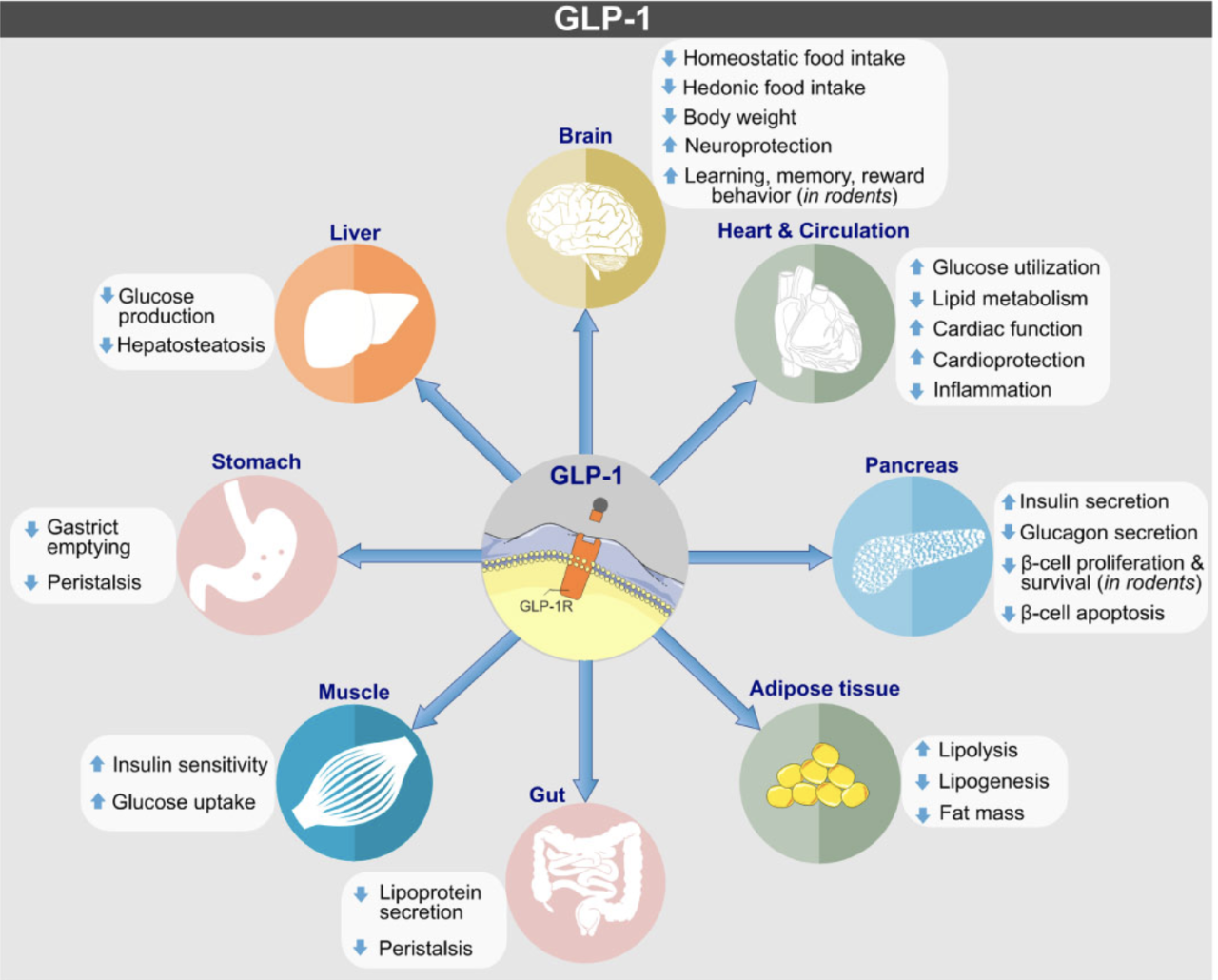
So, how do GLP-1 medications actually work? Simply put, they mimic the natural hormone GLP-1, which is produced in the gut. GLP-1 helps to regulate appetite, glucose metabolism, and energy balance. By mimicking this hormone, GLP-1 medications can help to reduce hunger, improve glucose control, and promote weight loss.
Real-World Results: What's the Verdict?
Studies have shown that GLP-1 medications can be effective in promoting weight loss. In clinical trials, semaglutide has been shown to help people lose up to 12% of their body weight, while tirzepatide has been shown to promote even greater weight losses. Real-world results, however, can vary depending on individual circumstances and lifestyle factors.
Benefits and Side Effects: What You Need to Know

Like any medication, GLP-1 medications can have potential side effects. Common side effects include nausea, vomiting, diarrhea, and injection site reactions. However, some GLP-1 medications may also have additional benefits, such as improved blood sugar control and reduced risk of cardiovascular disease.
Navigating the Complex World of GLP-1 Medications: What You Need to Know
With so many GLP-1 medications available, it can be difficult to navigate the complex world of weight loss medications. Here are some key considerations to keep in mind:
- Consult with a healthcare professional to determine the best GLP-1 medication for your individual needs.
- Monitor your weight, body mass index (BMI), and other health metrics to track progress.
- Combine GLP-1 medications with a healthy diet and regular exercise for optimal results.
- Be aware of potential side effects and report any concerns to your healthcare professional.
The Future of GLP-1 Medications: What's Next?
As the world of GLP-1 medications continues to evolve, we can expect to see new and innovative treatments emerging. Companies like Novo Nordisk and Eli Lilly are investing heavily in GLP-1 research, with new medications and delivery systems on the horizon.
Conclusion
GLP-1 weight loss medications offer a promising new approach to weight loss and weight management. By understanding the benefits, side effects, and real-world results of these medications, individuals can make informed decisions about their healthcare and achieve their weight loss goals. Whether you're considering GLP-1 medications as a standalone treatment or as part of a comprehensive weight loss plan, it's essential to stay informed and consult with a healthcare professional for personalized advice.
Additional Resources
For more information on GLP-1 weight loss medications, consult the following resources: