GLP-1 Analogues and Intermittent Fasting: What You Need to Know
Glucagon-like peptide-1 (GLP-1) and its analogues have revolutionized the management of type 2 diabetes and obesity by helping to regulate glucose metabolism and promote weight loss.
Understanding GLP-1 and Its Analogs
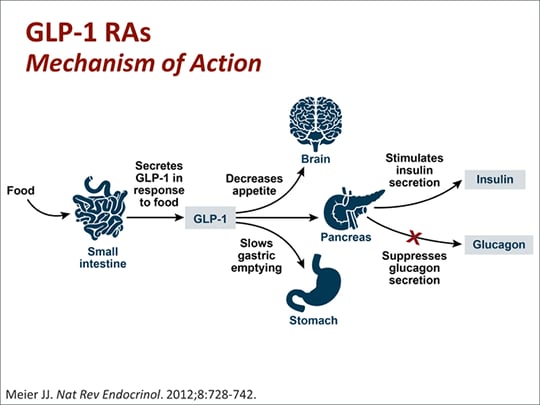
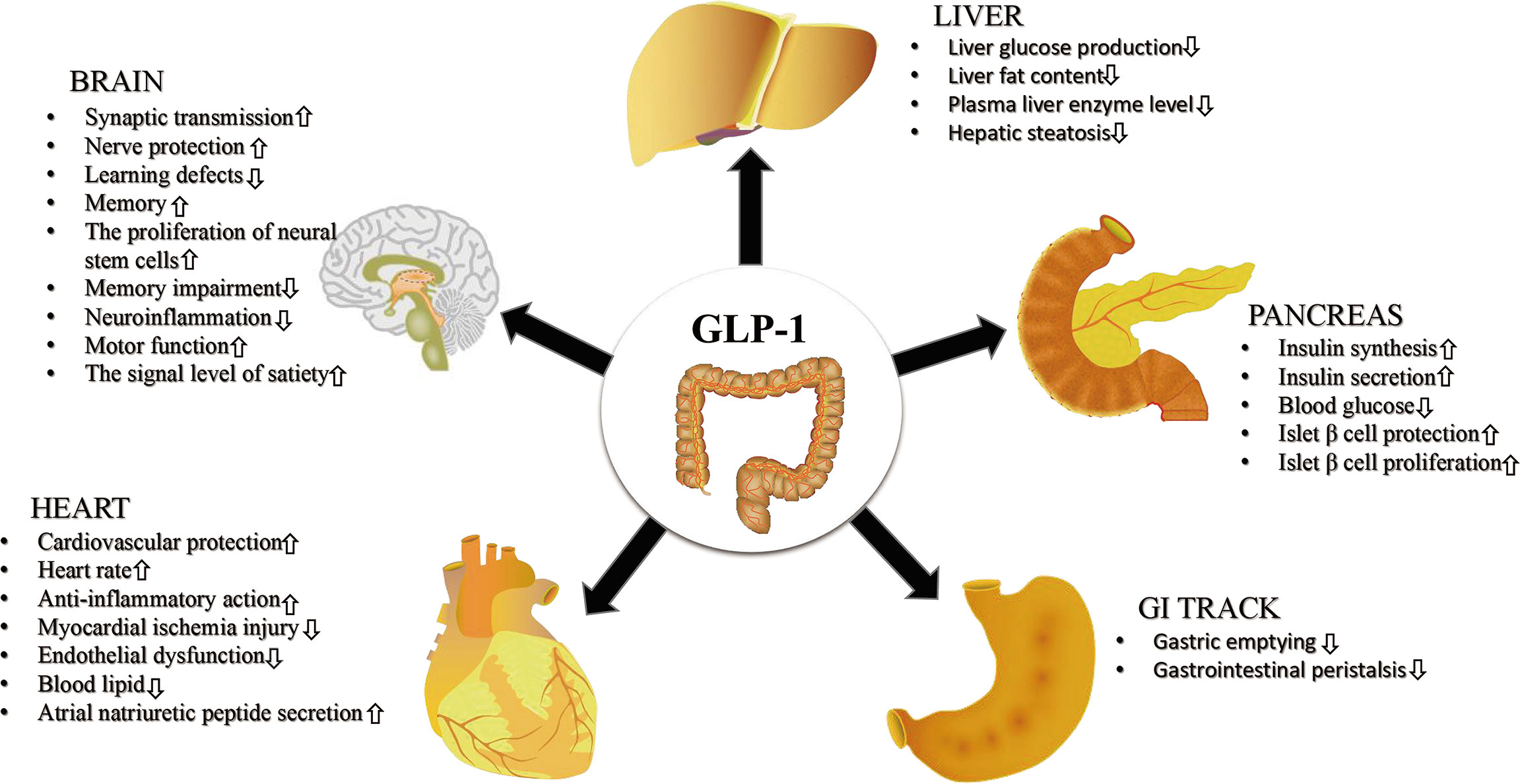
GLP-1 is a hormone secreted by L cells in the intestine in response to food intake. It plays a crucial role in regulating glucose metabolism by stimulating insulin secretion and suppressing glucagon release. GLP-1 analogues are synthetic medications that mimic the action of natural GLP-1 and have been shown to be effective in improving glycemic control and promoting weight loss.
How Intermittent Fasting Affects GLP-1 Secretion
Intermittent fasting (IF) has been shown to affect GLP-1 secretion in various ways. Some studies have found that IF can improve insulin sensitivity and enhance GLP-1 secretion, while others have reported that it can worsen nausea and fatigue in individuals taking GLP-1 analogues.
Benefits and Risks of Combining GLP-1 Analogs and Intermittent Fasting
Combining GLP-1 analogues with intermittent fasting may offer several benefits, including improved insulin sensitivity, weight loss, and reduced hunger. However, there are also potential risks, particularly if fasting is done excessively or without proper guidance.
- Improved insulin sensitivity: Intermittent fasting has been shown to improve insulin sensitivity, which can enhance the effectiveness of GLP-1 analogues.
- Weight loss: Combining GLP-1 analogues with intermittent fasting may lead to greater weight loss compared to using either treatment alone.
- Reduced hunger: GLP-1 analogues can suppress hunger, but intermittent fasting may also help reduce hunger by prolonging the time between meals.

Important Considerations
While combining GLP-1 analogues with intermittent fasting may offer benefits, there are several important considerations to keep in mind.
- Consult with a healthcare provider: Before starting any new treatment or diet, it's essential to consult with a healthcare provider to ensure that it's safe and suitable for you.
- Start with gentle fasting: If you're new to fasting, start with gentle schedules such as 12/12 or 16/8 and gradually increase the duration as your body adapts.
- Don't skip meals: Fasting doesn't mean skipping meals entirely; aim to eat nutrient-dense meals during your eating windows.
- Be mindful of nutrient deficiencies: Fasting may lead to nutrient deficiencies if not planned properly. Ensure you're getting all the necessary nutrients during your eating windows.
Conclusion
Combining GLP-1 analogues with intermittent fasting may be a powerful strategy for improving insulin sensitivity, promoting weight loss, and reducing hunger. However, it's essential to approach this combination with caution and consult with a healthcare provider to ensure it's safe and suitable for your individual needs. By understanding the potential benefits and risks, you can make informed decisions about how to use GLP-1 analogues and intermittent fasting together.
Recommended Reading
- Arbonne's 7-Day Fresh Start: A great resource for learning how to start intermittent fasting and improving blood sugar and GLP-1 production
- Strut Health: A telehealth provider that makes it easier to get weight loss drugs covered by insurance
- A board-certified physician's guide to GLP-1 medications: A comprehensive resource for understanding how GLP-1 agonists work and their potential side effects
- Learn exactly how to make the most of intermittent fasting and GLP-1 medications for an ideal weight-loss strategy