Pregnancy and Stress Eating: What You Need to Know
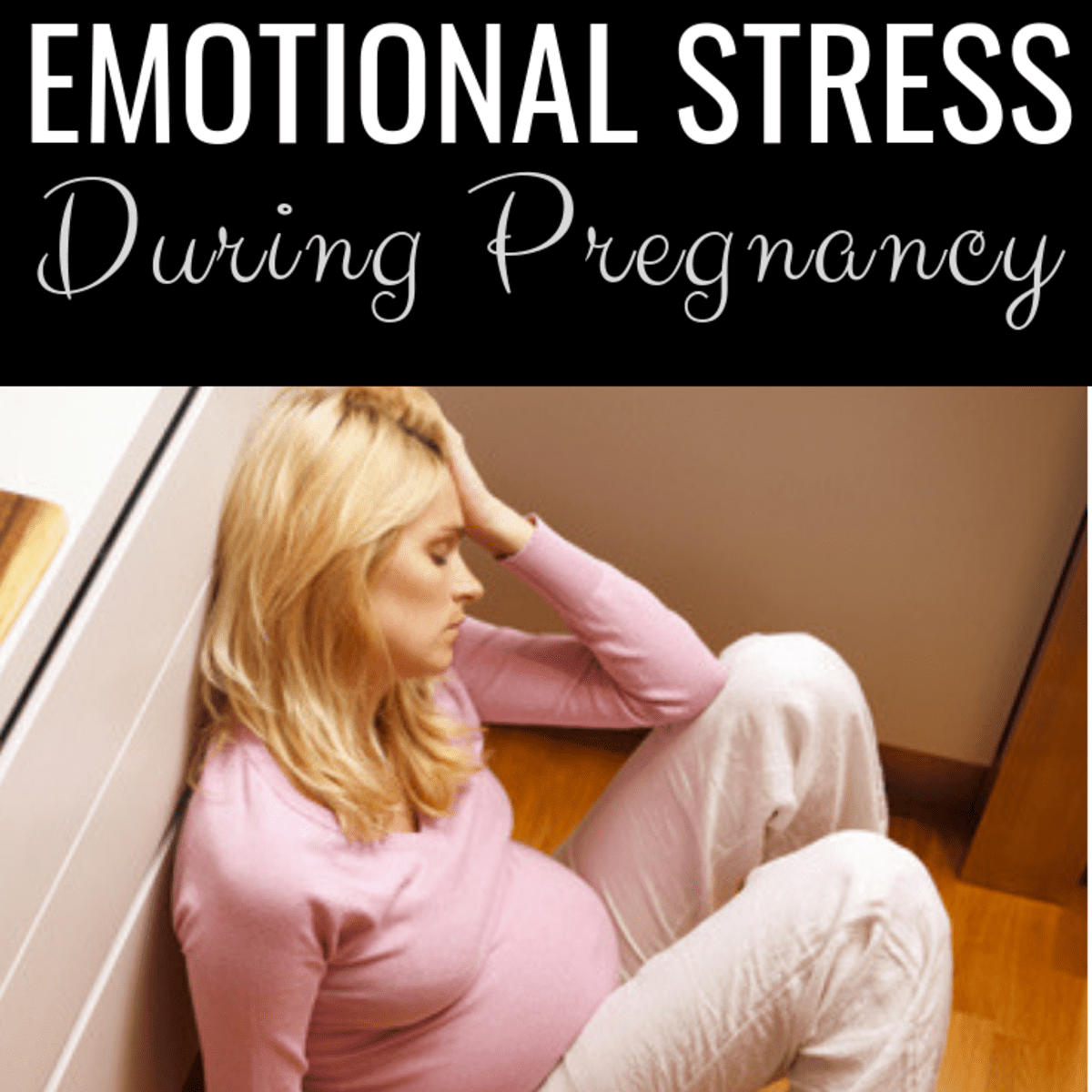
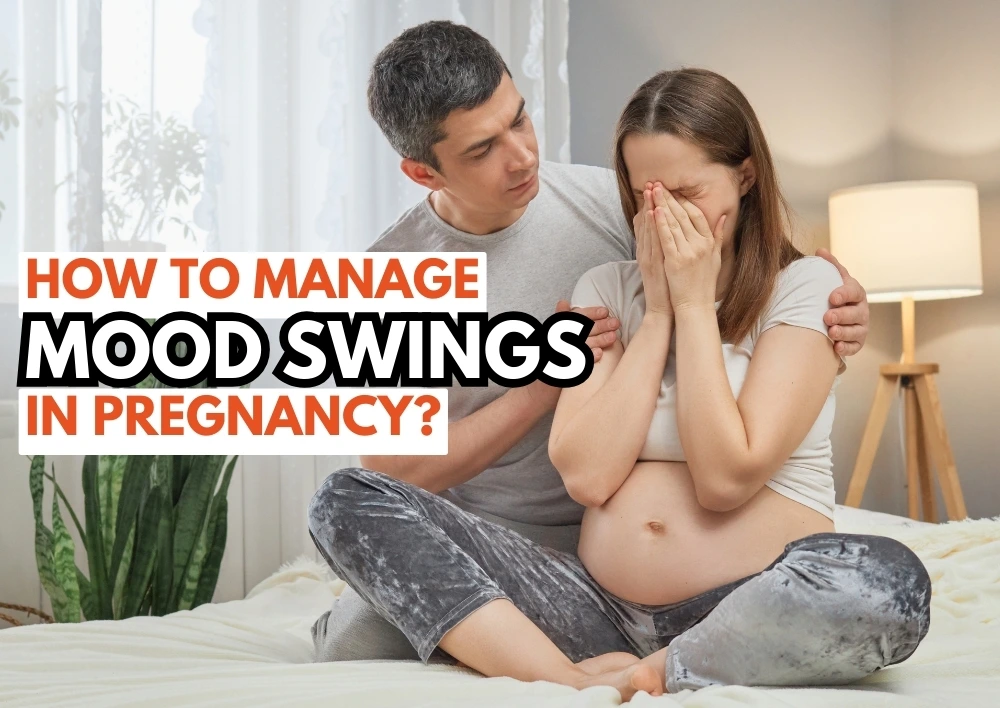
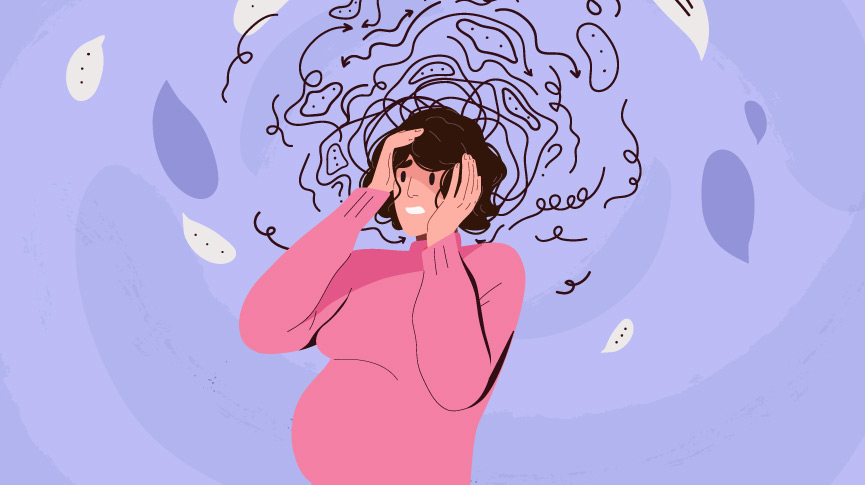
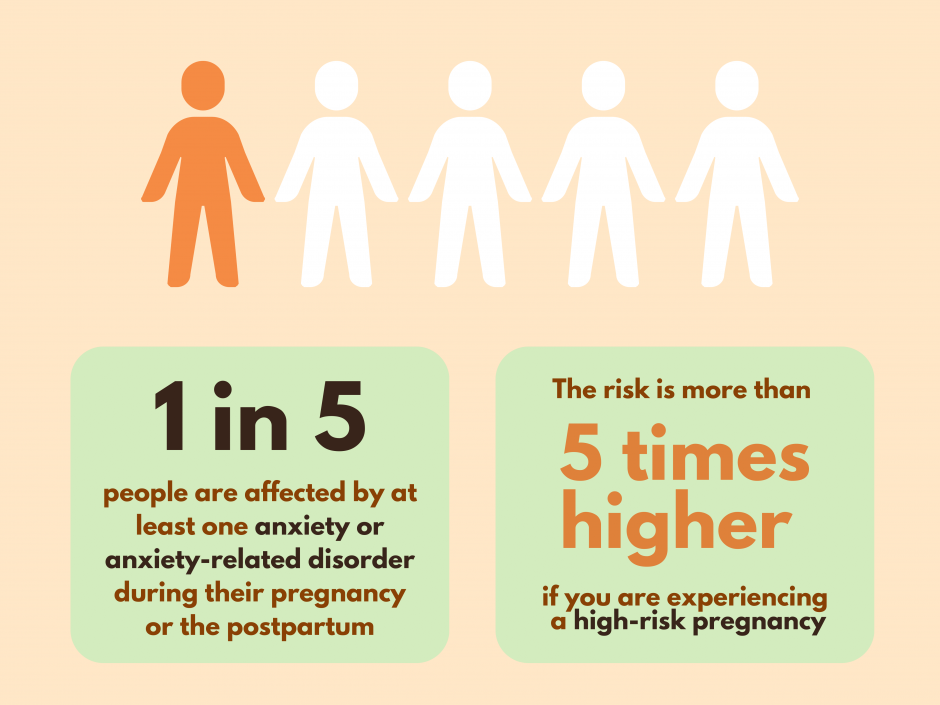
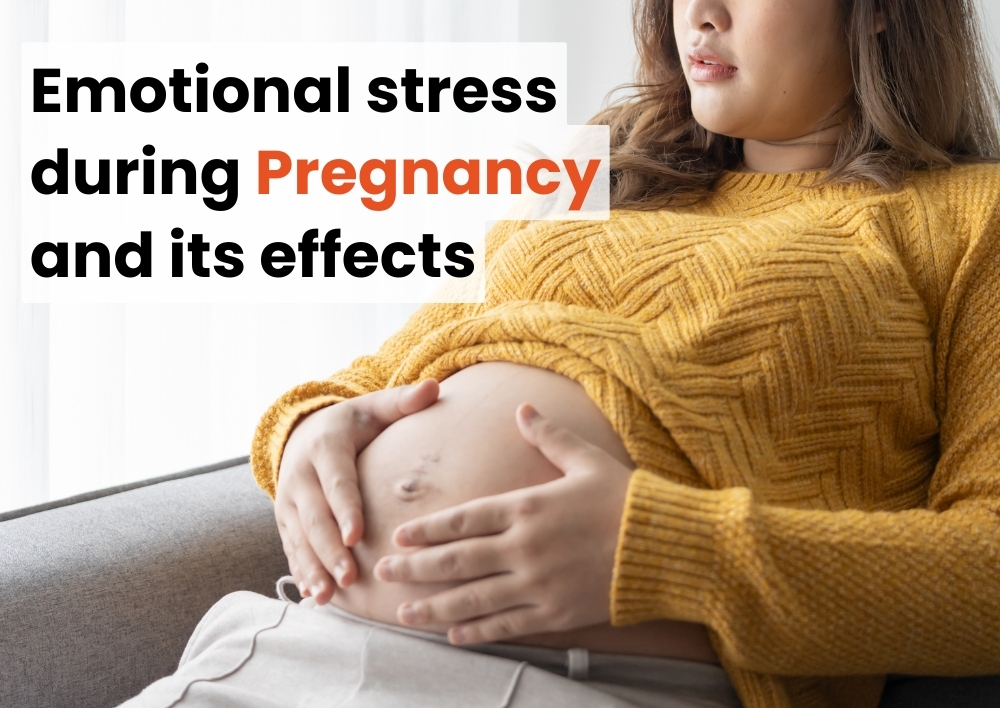
During pregnancy, women often experience a range of emotions, from excitement and joy to anxiety and stress. While some stress is normal, excessive stress can have a negative impact on a woman's mental and physical health, as well as the health of her unborn baby. One common consequence of stress during pregnancy is stress eating, which can lead to unhealthy food choices and weight gain.
The Relationship Between Stress and Eating During Pregnancy
Research has shown that stress can trigger unhealthy eating behaviors during pregnancy. A study published in the Journal of the Academy of Nutrition and Dietetics found that women who experienced high levels of stress during pregnancy were more likely to engage in stress eating and have a lower diet quality. Another study published in the Journal of Women's Health found that stress during pregnancy was associated with poorer eating habits, including a higher intake of fast food and sugary snacks.
Why Stress Eating Happens During Pregnancy
So, why do women experience stress eating during pregnancy? There are several reasons for this phenomenon. One reason is the hormonal changes that occur during pregnancy. Hormonal fluctuations can affect a woman's appetite and food preferences, leading to cravings for unhealthy foods. Additionally, women may experience stress and anxiety due to the physical and emotional demands of pregnancy, which can lead to emotional eating.
Symptoms of Stress Eating During Pregnancy
Stress eating during pregnancy can manifest in different ways. Some common symptoms include:
- Cravings for unhealthy foods, such as junk food or sugary snacks
- Increased appetite or overeating li>Emotional eating, or eating in response to emotions rather than hunger
- Weight gain or difficulty losing weight during pregnancy
- Feeling overwhelmed or anxious about food and eating during pregnancy
Managing Stress Eating During Pregnancy
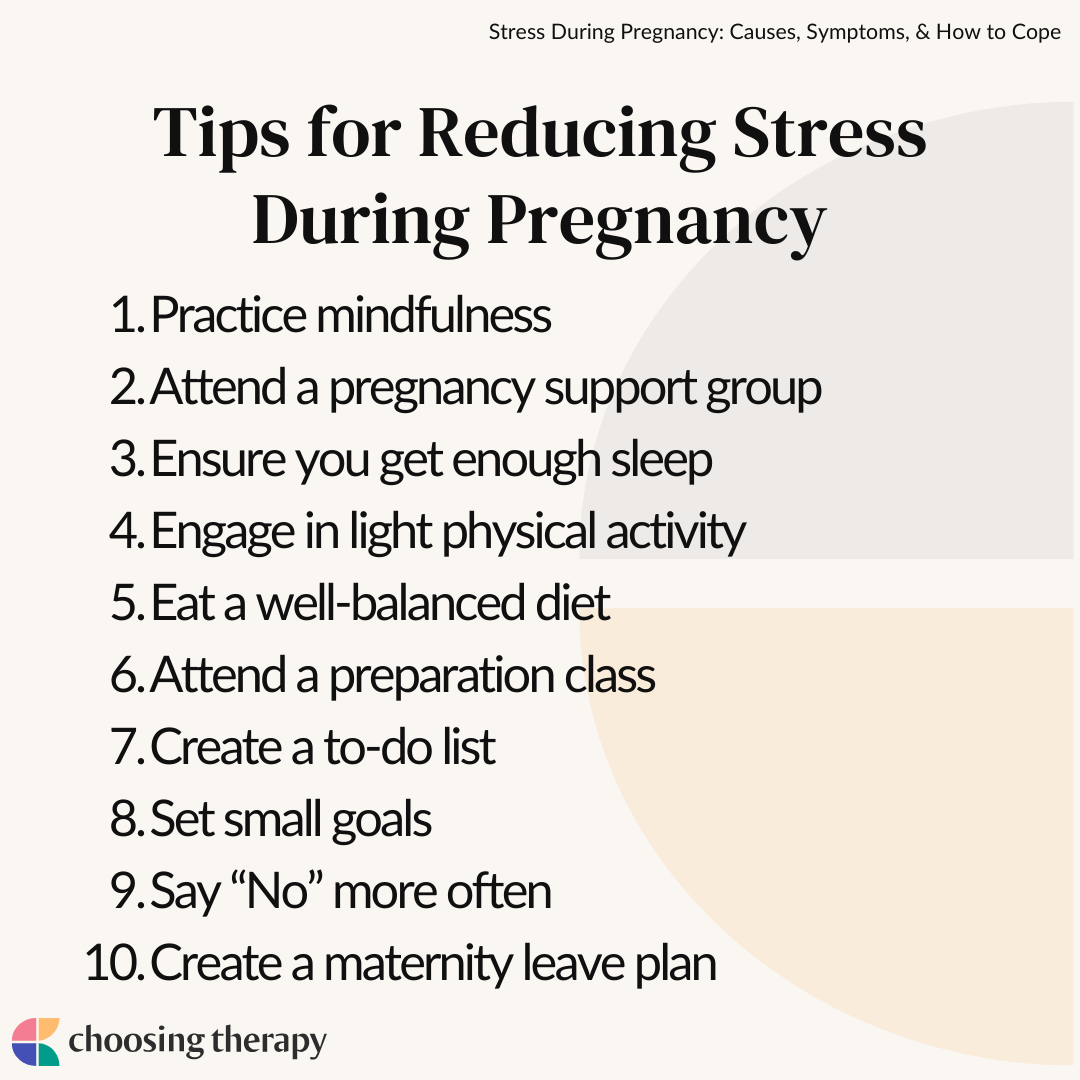
Fortunately, there are ways to manage stress eating during pregnancy. Here are some tips:
- Eat regular, balanced meals to maintain stable blood sugar levels
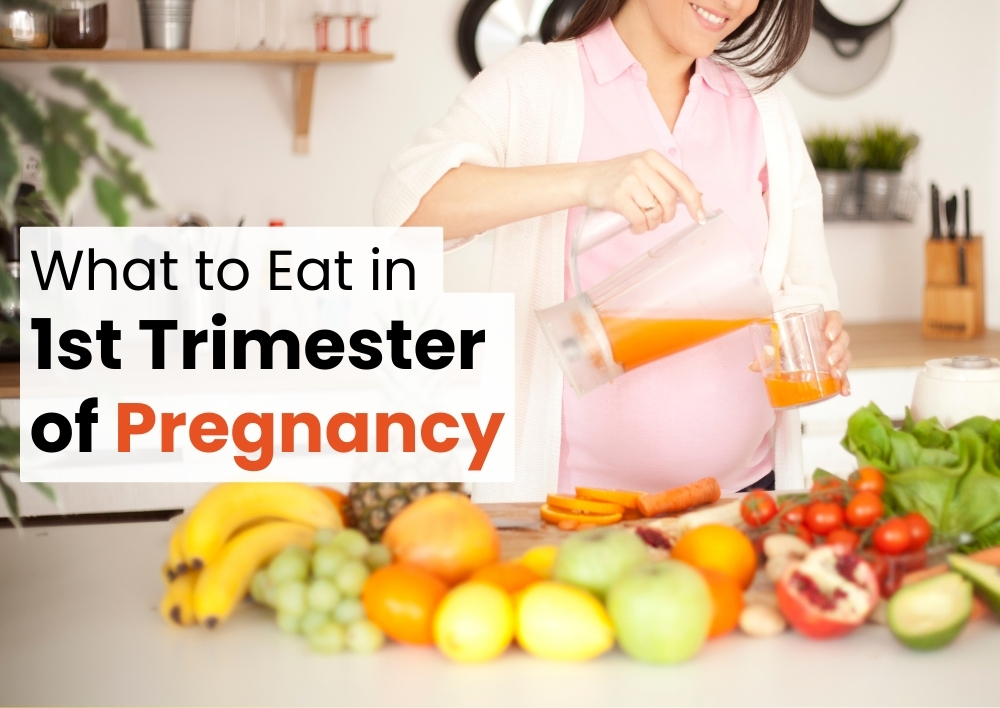
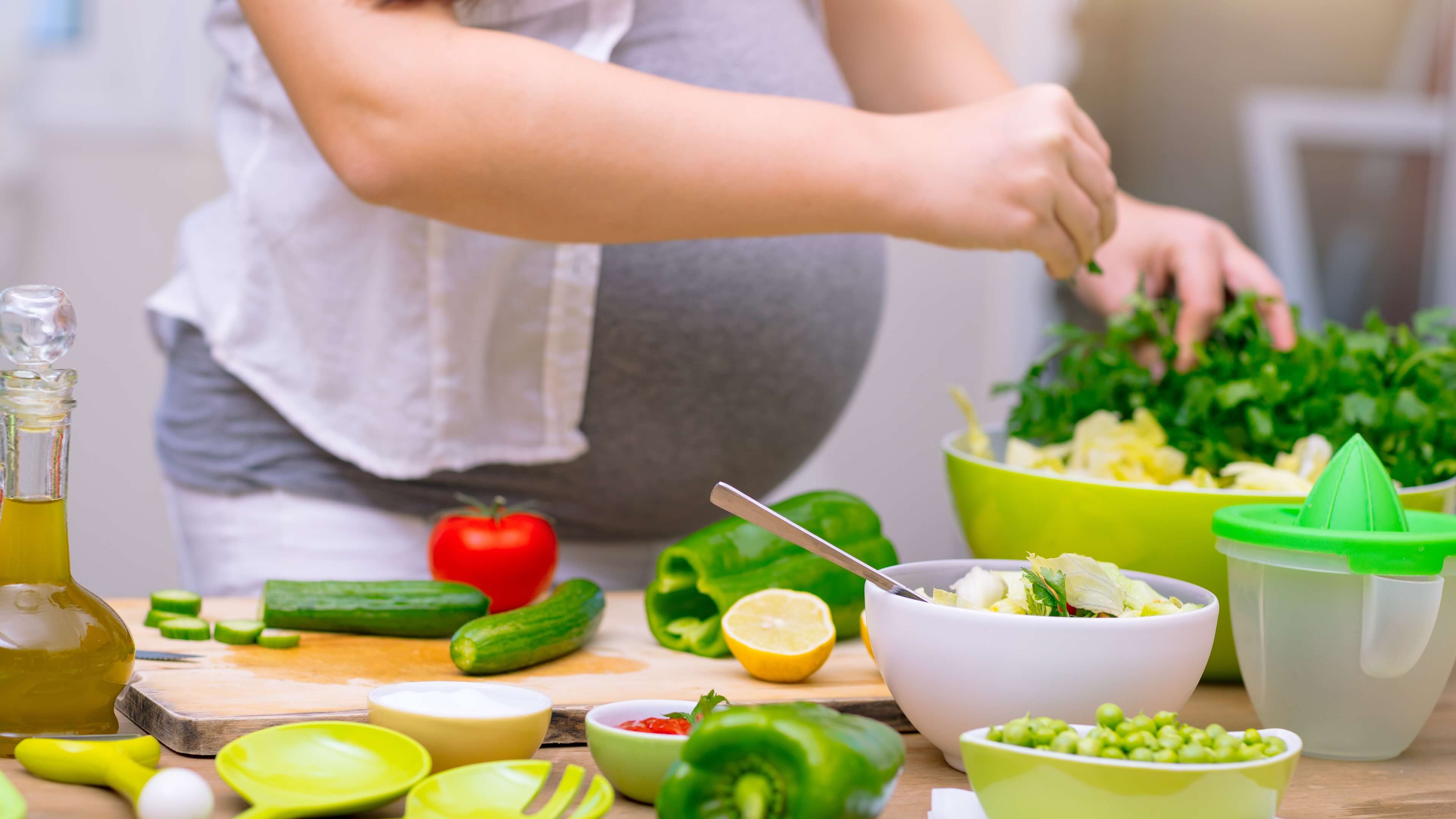
- Choose nutrient-dense foods, such as fruits, vegetables, whole grains, and lean protein
- Avoid restrictive dieting or extreme calorie restriction
- Practice mindful eating, or eating in response to hunger and fullness cues
- Seek support from a healthcare provider, a registered dietitian, or a therapist
Conclusion
Pregnancy and stress eating are a common combination for many women. However, by understanding the reasons behind stress eating and taking steps to manage it, women can promote a healthy pregnancy and a healthy relationship with food. Remember, a balanced diet and a healthy weight are crucial for a healthy pregnancy, and seeking support is always a good idea.
Additional Resources
For more information on pregnancy and stress eating, check out the following resources:
- PregnancyEatingAttributes Study longitudinal cohort
- NeededStressSupport (adaptogen products)
- HealthyPregnancy book
- Psychology Today (articles on stress during pregnancy)
- Dietary Guidelines for Americans (healthy eating during pregnancy)
- Everyday Health (articles on stress and nutrition during pregnancy)