Glucagon-like Peptide-1 (GLP-1) and Protein: Enhancing Satiety for a Healthier You
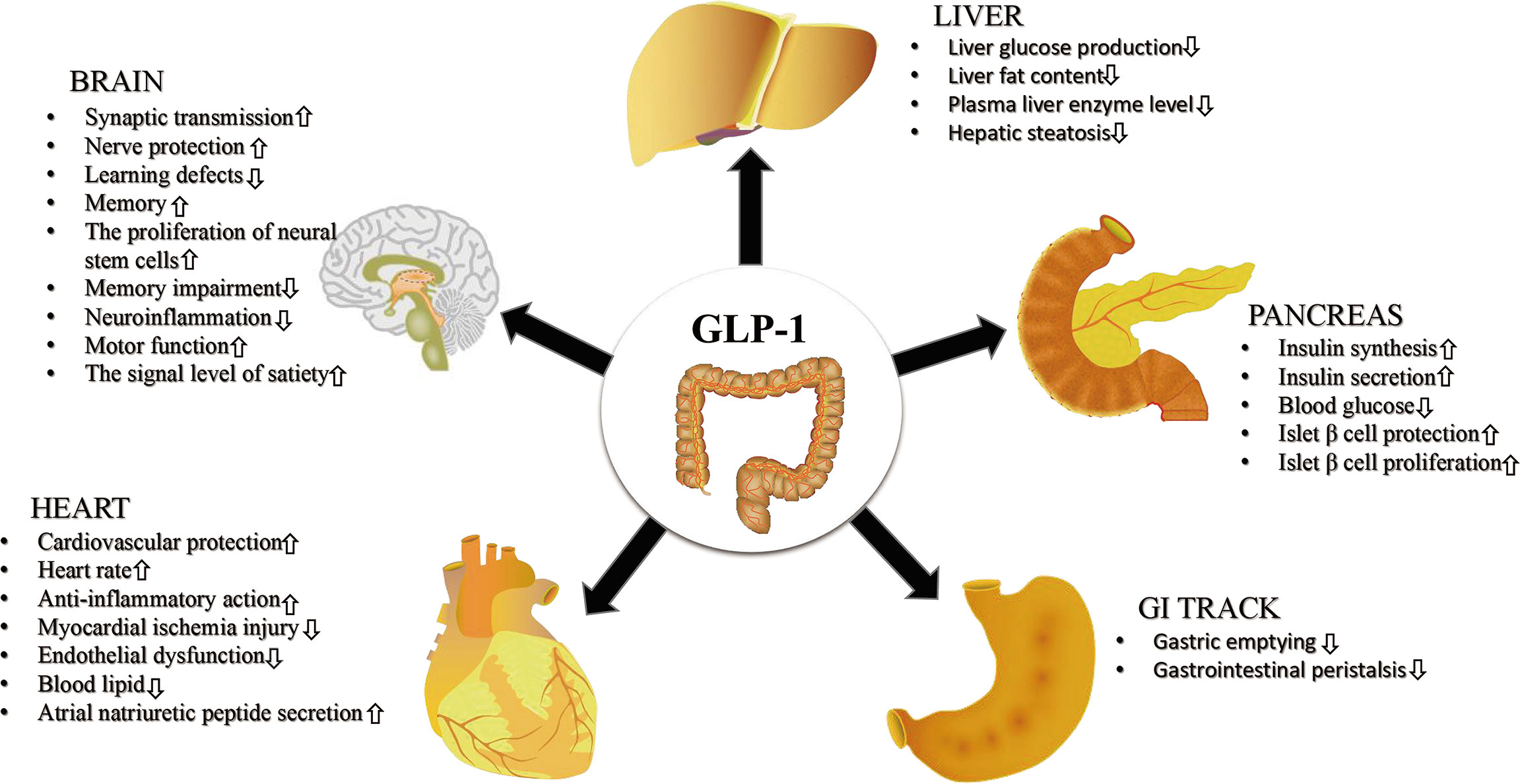
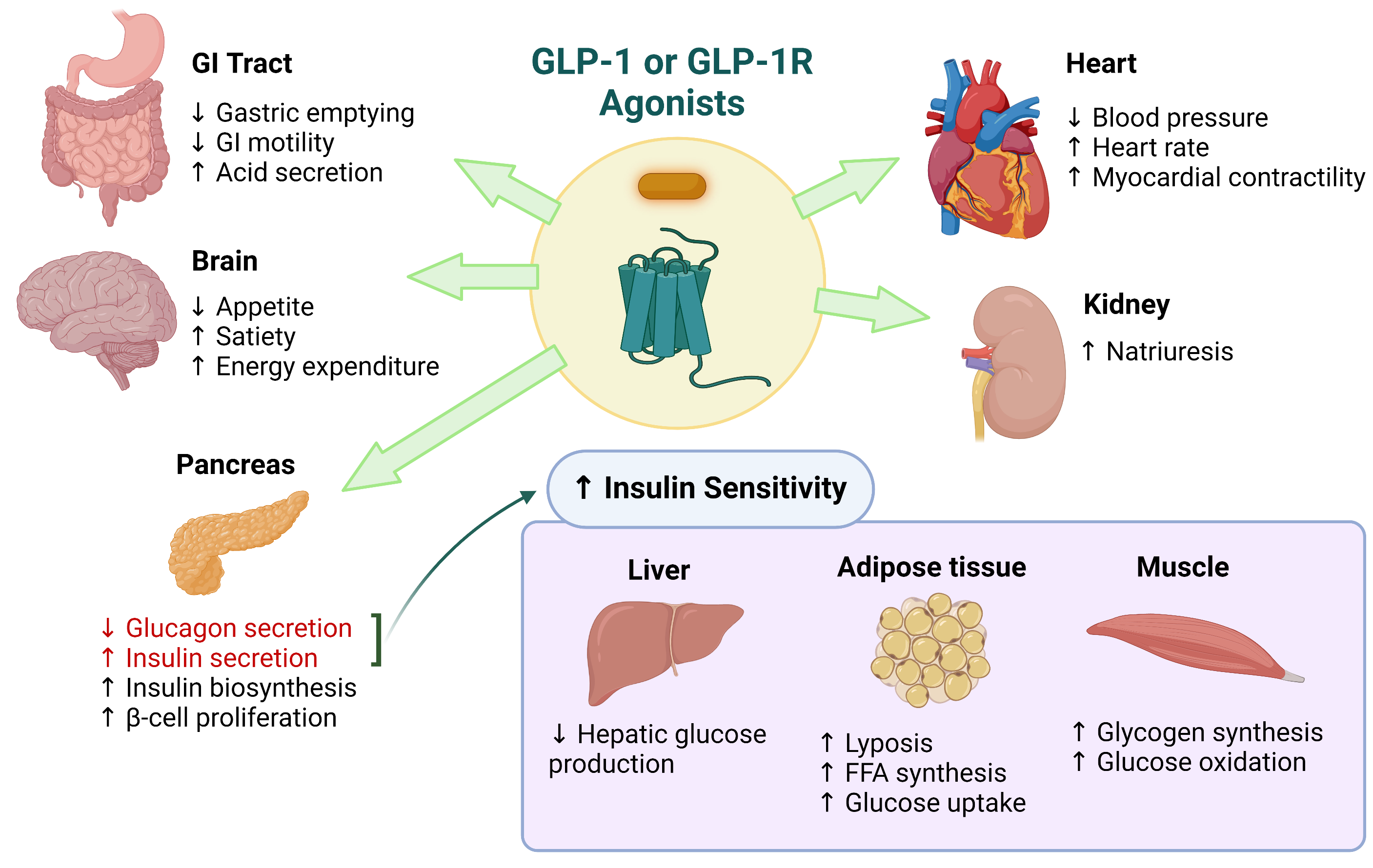
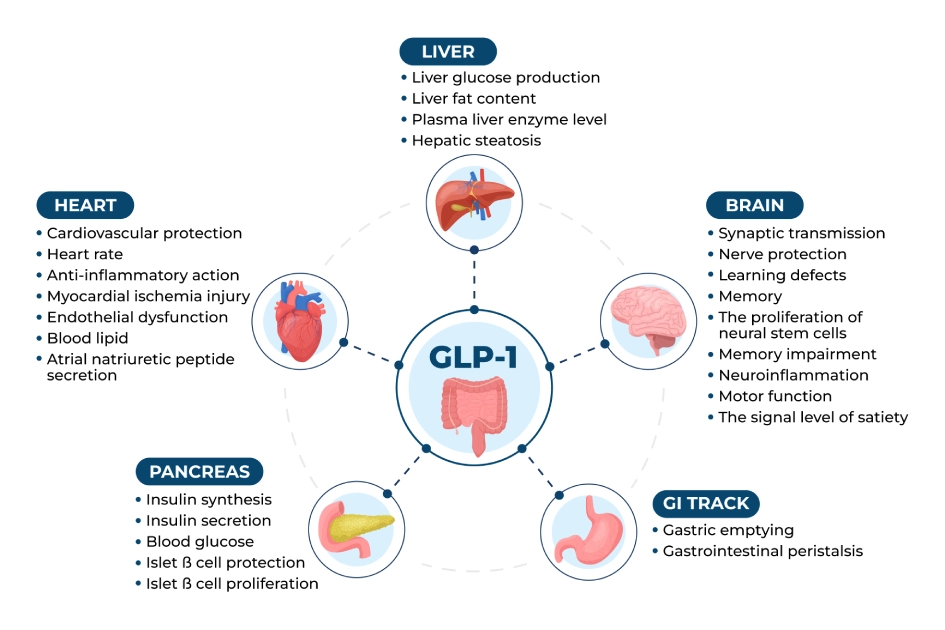
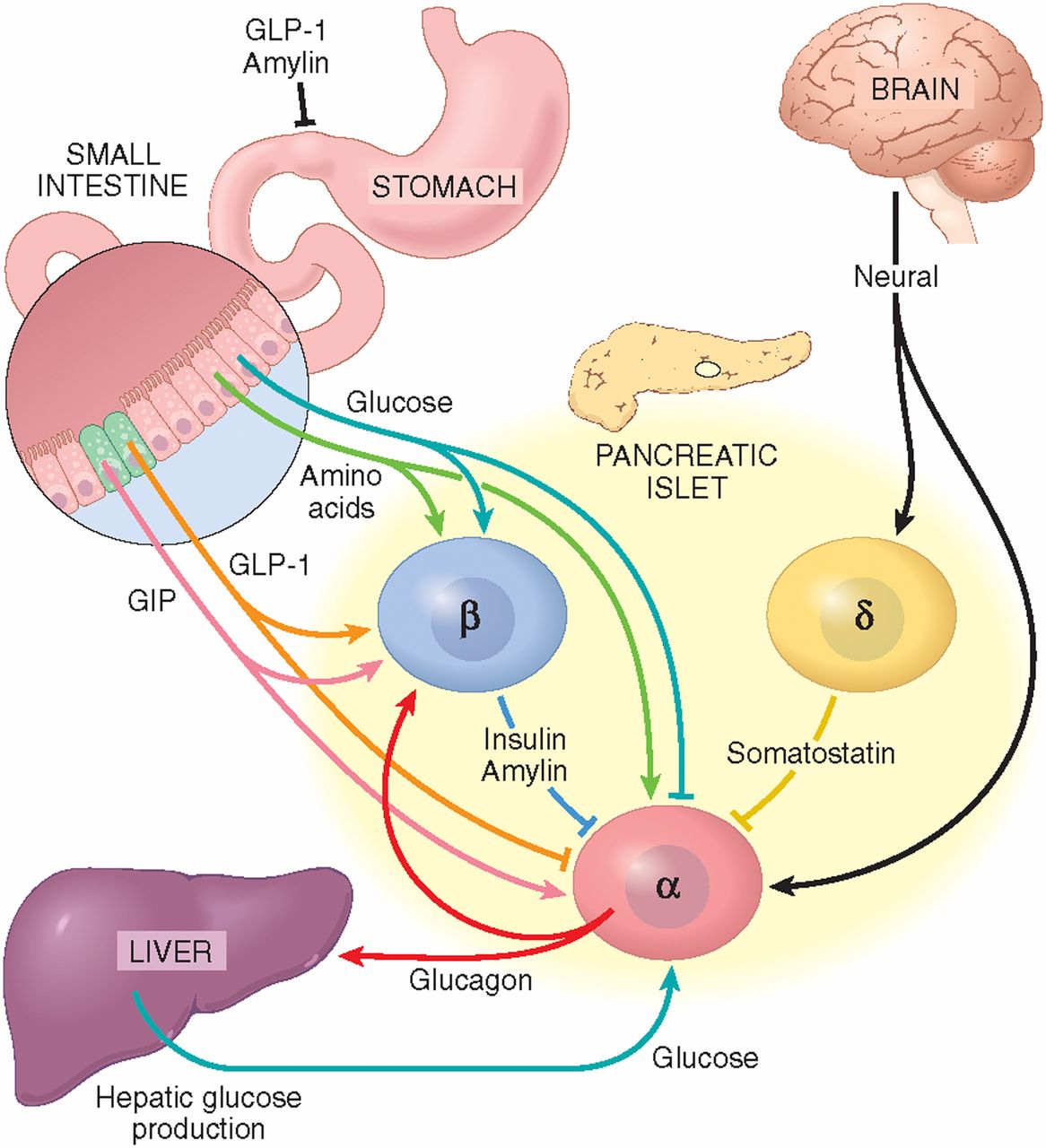
When it comes to managing our weight and overall health, understanding the intricate relationship between hunger, satiety, and metabolism is crucial. Glucagon-like peptide-1 (GLP-1), a hormone produced in the intestines, plays a key role in regulating blood sugar, appetite, and metabolism. Research has shown that a combination of GLP-1 and protein can have a synergistic effect on satiety, leading to improved weight management and better overall health. In this article, we'll delve into the relationship between GLP-1 and protein and explore how they can work together to enhance satiety.What is GLP-1 and How Does it Influence Satiety?
GLP-1 is an enterohormone secreted by the intestinal L-cells in response to nutrient intake. It has a dual effect on glucose metabolism: it helps regulate insulin secretion and promotes glucose uptake in the muscles. GLP-1 also plays a key role in reducing appetite and increasing feelings of fullness and satiety. Studies have shown that GLP-1 receptor agonists, which mimic the action of natural GLP-1, can lead to weight loss and improved glycemic control.How Does Protein Influence Satiety and GLP-1?
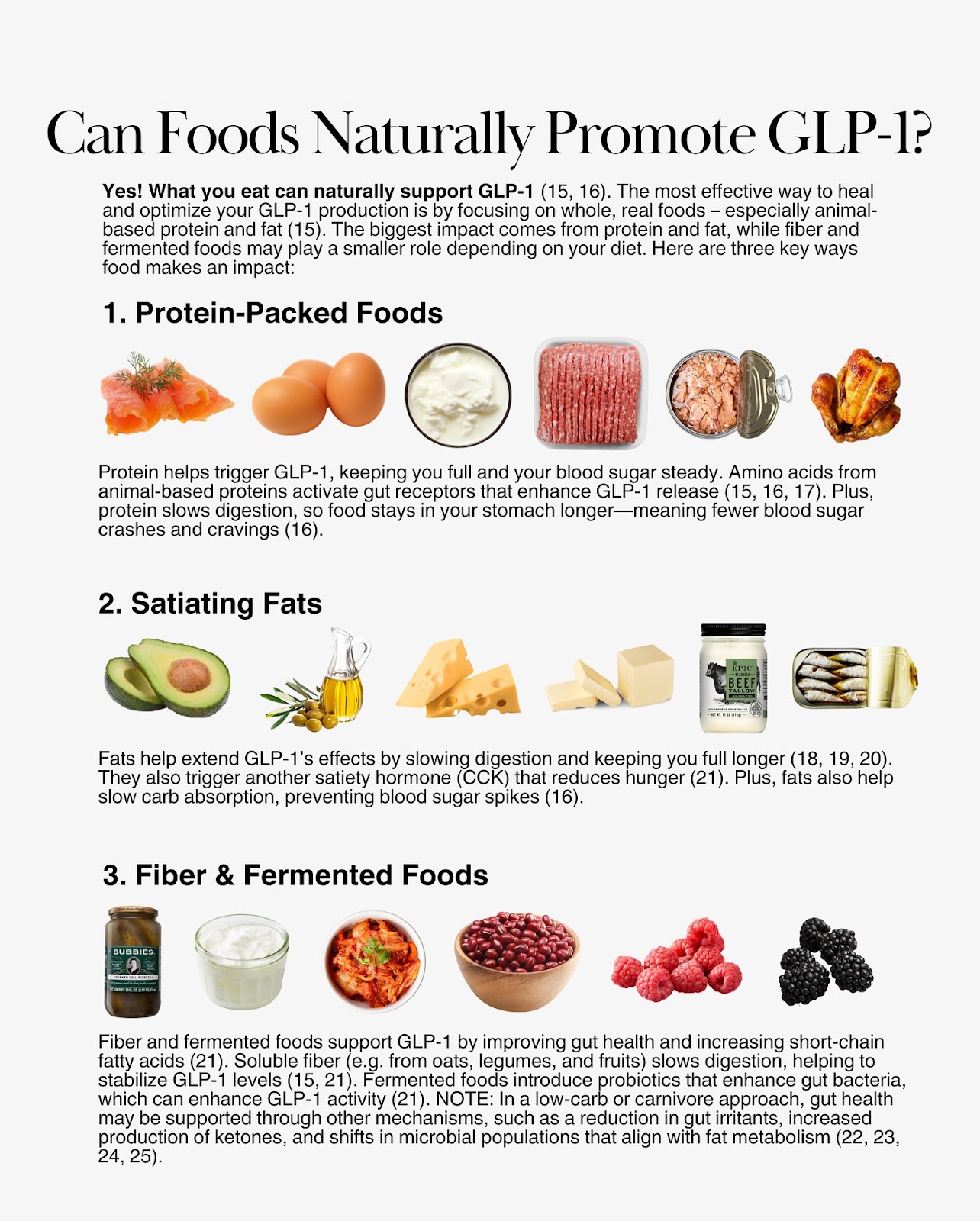
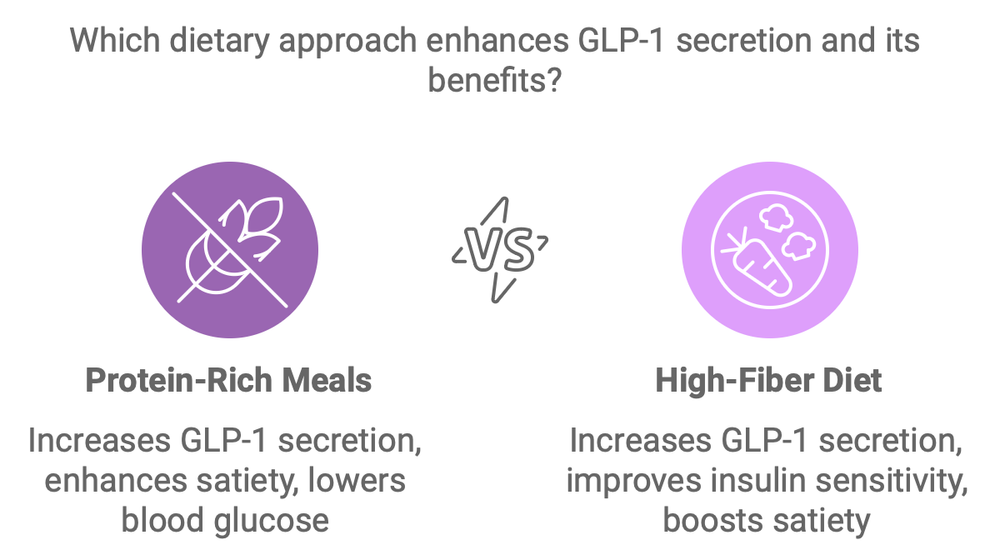
Protein has been shown to have a greater effect on satiety compared to carbohydrates and fat. High-protein meals stimulate the release of satiety hormones, including GLP-1, cholecystokinin (CCK), and peptide YY (PYY). Protein also has a slower digestion rate, which provides a feeling of fuller for longer, reducing the likelihood of overeating.Combining GLP-1 and Protein for Enhanced Satiety
Research suggests that a combination of GLP-1 and protein can be particularly effective in enhancing satiety. A study published in the Journal of Clinical Endocrinology and Metabolism found that high-protein meals stimulate GLP-1 release, which in turn leads to increased feelings of fullness and satiety.Food Choices That Support GLP-1 and Protein
- Eggs: High in protein and choline, eggs slow digestion and increase GLP-1 levels.
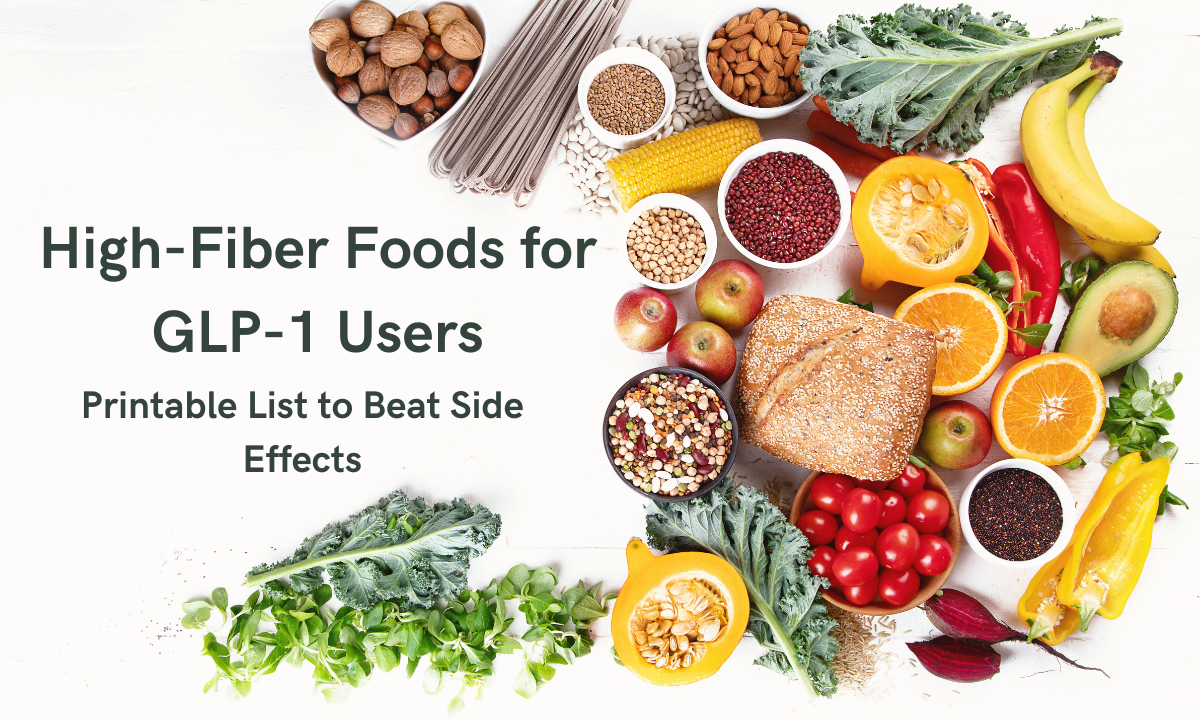
- Beans and lentils: Rich in resistant starch and fiber, these legumes increase GLP-1 and reduce hunger.
- Nuts and seeds: Almonds, walnuts, and other nuts provide healthy fats and protein that may boost GLP-1 levels.
- Legumes: High in protein and fiber, legumes such as beans, lentils, and chickpeas increase GLP-1 secretion.
- Fermented foods: Yogurt, kefir, kimchi, and sauerkraut contain probiotics that may enhance GLP-1 production.
Supplements That Support GLP-1 and Protein
In addition to incorporating GLP-1-supportive foods into your diet, consider incorporating the following supplements to support your appetite-regulating hormones:- Alpha-lipoic acid: Helps regulate glucose metabolism and increase GLP-1 levels.
- Chromium: Enhances insulin sensitivity and increases GLP-1 levels.
- Carnitine: Reduces cravings and increases feelings of fullness.