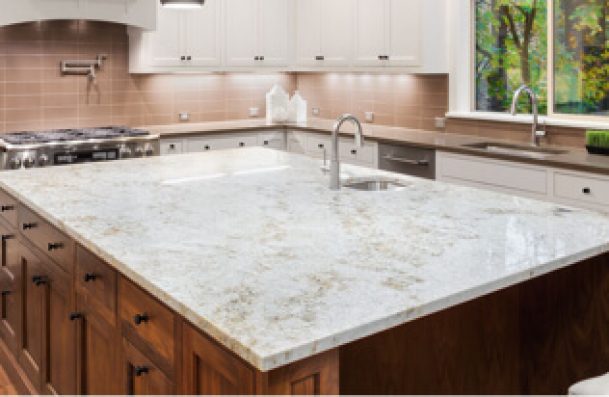
Granite Countertop Installation: A Step-by-Step Guide
Granite countertops are a beautiful addition to any kitchen or bathroom. Not only do they amplify the appeal of your home, but they also boost your property's value. If you're planning on renovating your home with granite countertops, knowing how to install them is an excellent first step.
Planning and Measuring for a Smooth Granite Countertop Installation
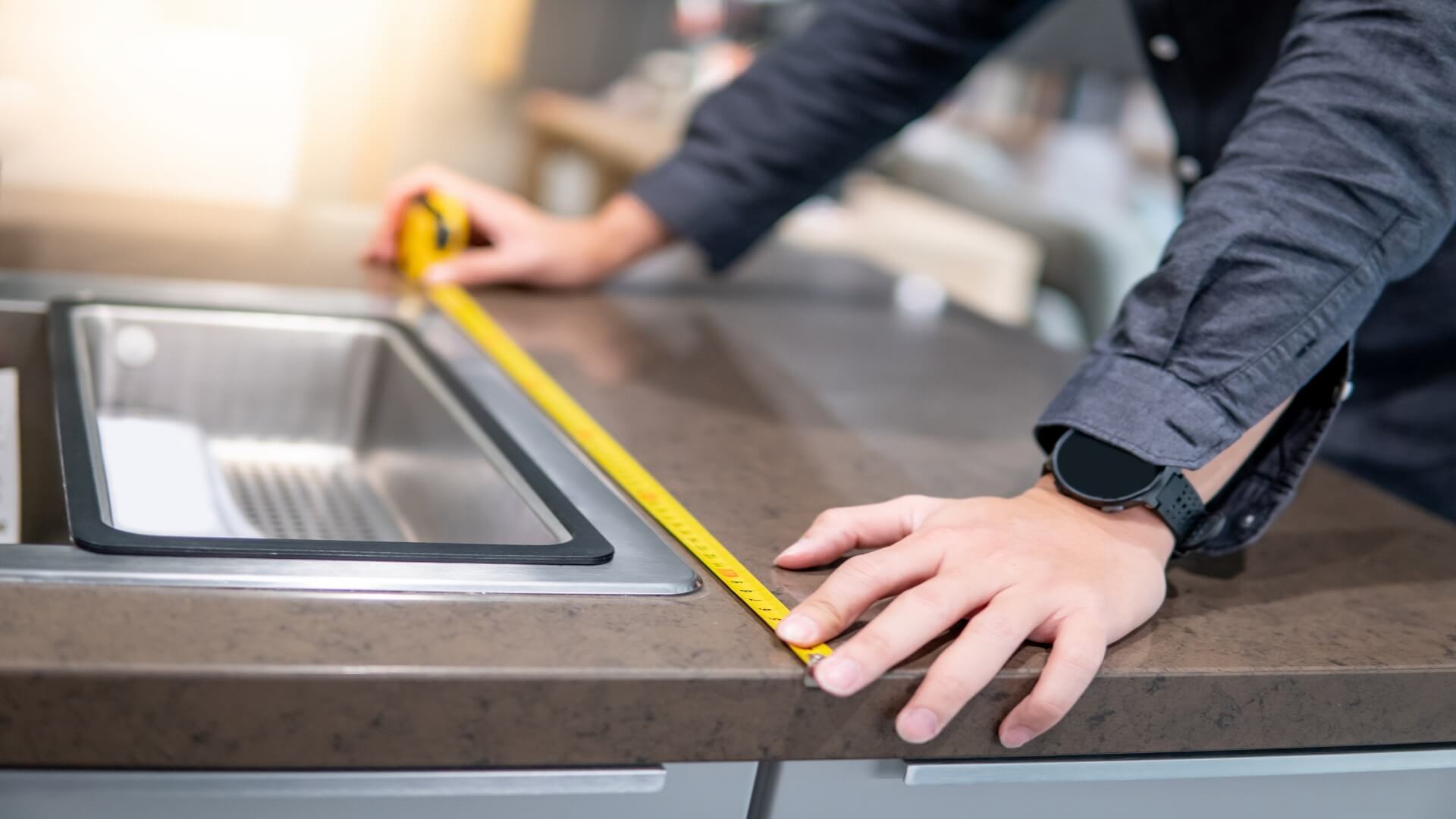
Installing your own granite countertops is an ambitious project, but you can achieve it by planning and measuring carefully. Reinforce the structure and avoid damage by ensuring the cabinets and walls are sturdy enough to support the weight of the granite slabs. You'll also need to measure the area carefully to ensure the slabs fit perfectly.
- Measure the length, width, and thickness of the countertops
- Check the size and type of granite slabs you need
- Determine the number of slabs required
- Plan for the necessary materials, such as adhesive, underlayment, and edging
Fabrication and Preparation for Granite Countertop Installation
Once you have the necessary materials and measurements, it's time to fabricate the granite slabs. This involves cutting the slabs to the correct size and shape, and preparing the edges for installation. You'll also need to prepare the surface by cleaning and applying a layer of adhesive.
- Cut the granite slabs to the correct size using a wet saw or a CNC machine
- Prepare the edges by grinding and polishing
- Clean the surface of the slabs and apply a layer of adhesive
The Granite Countertop Installation Process
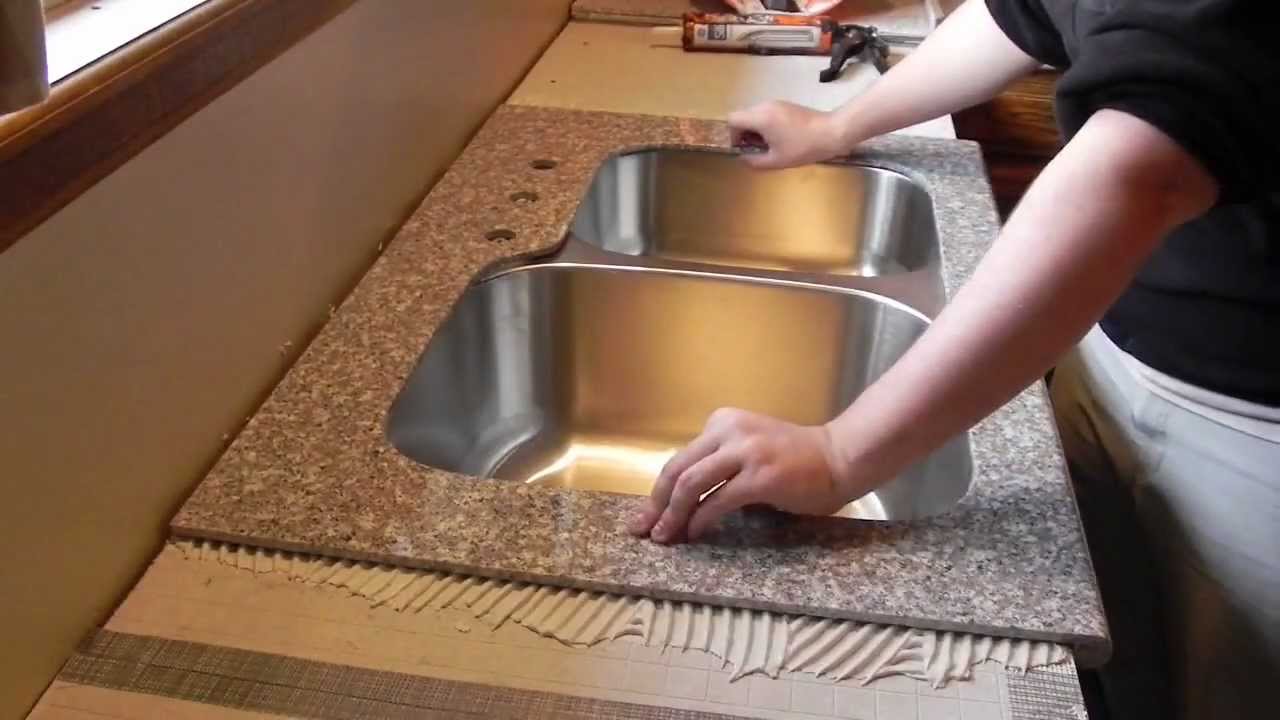
The installation process involves carefully placing the granite slabs onto the prepared surface, ensuring they're aligned perfectly with the cabinets and other fixtures. You'll also need to apply additional adhesive and underlayment to secure the slabs in place.
- Place the first slab onto the surface, ensuring it's aligned correctly
- Apply additional adhesive and underlayment to secure the slab in place
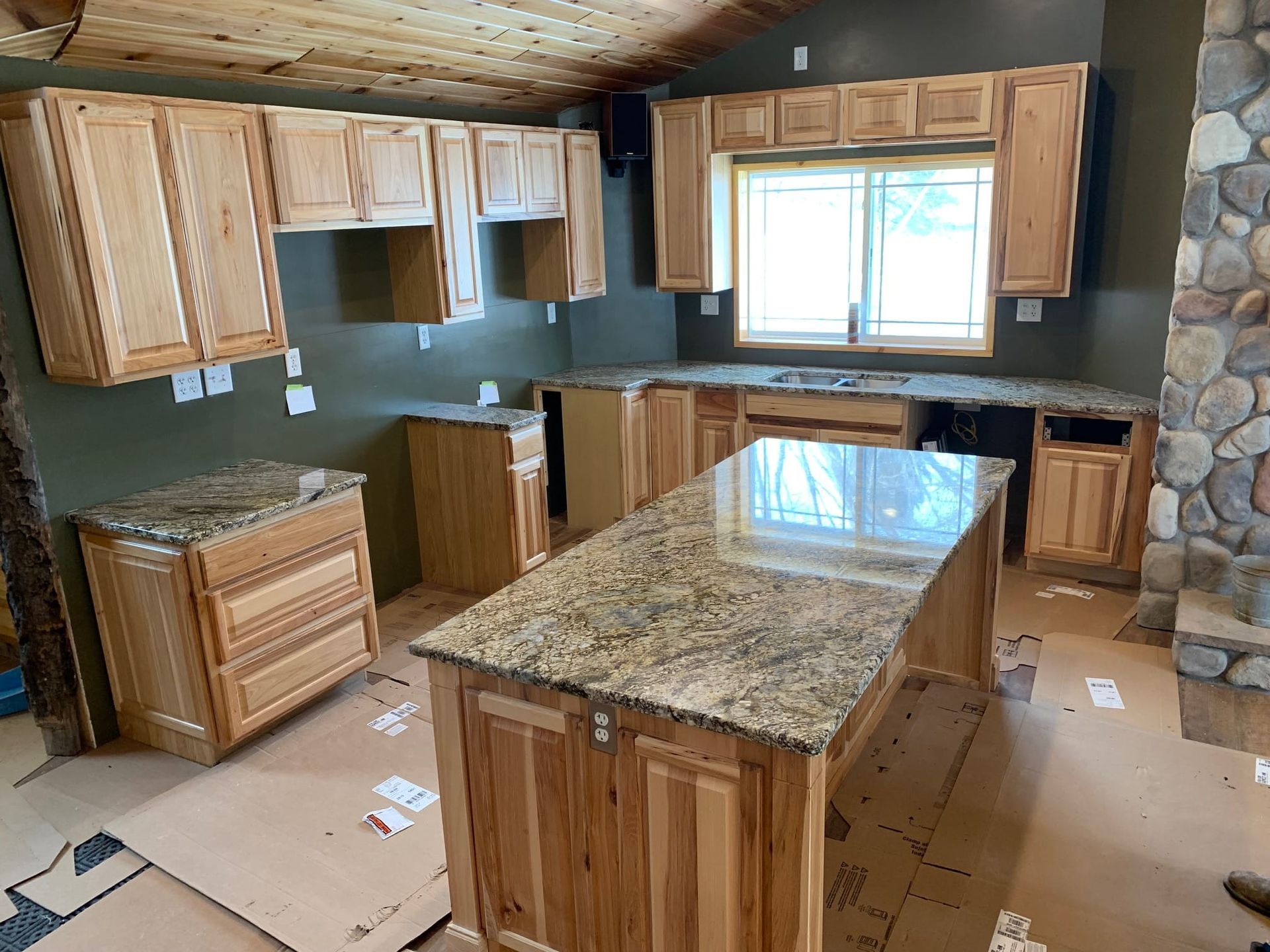
- Continue installing the remaining slabs, ensuring they're aligned and secured properly
- Seal the granite surface to protect it from stains and spills

Maintenance and Care for Your Granite Countertops
After installation, it's essential to maintain your granite countertops to ensure they last for years to come. This involves regular cleaning and sealing to protect the surface from stains and spills.
- Clean the surface regularly using a mild detergent and water
- Apply a sealant to protect the surface from stains and spills
- Monitor the surface for signs of wear and tear, and address any issues promptly
Why Choose Granite Countertops for Your Kitchen or Bathroom?
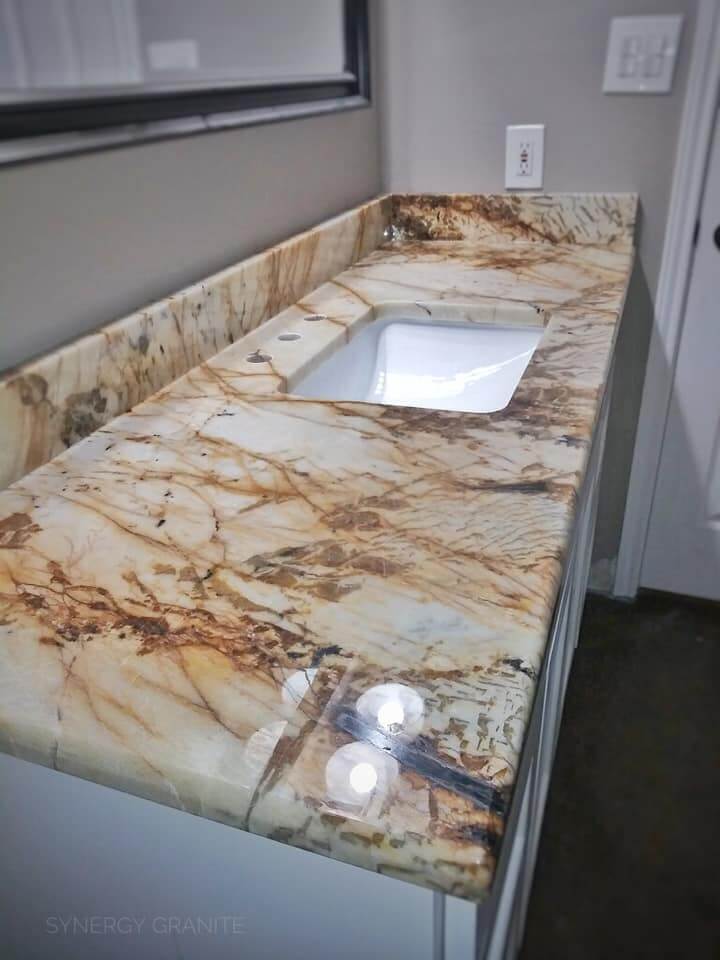
Granite countertops are an excellent choice for any kitchen or bathroom due to their durability, beauty, and functionality. They handle heat and stains like a pro, and with proper sealing, they resist liquid penetration. Each slab is a unique masterpiece, with its own textures and hues, making it the perfect choice for those who want a one-of-a-kind feature.
Conclusion
Installing granite countertops is a significant project that requires careful planning, measurement, and execution. By following these steps and tips, you can achieve a flawless granite countertop installation that will enhance the beauty and value of your home. Remember to maintain your granite countertops regularly to ensure they last for years to come.