High Temperature Resin for 3D Printing: A Comprehensive Guide
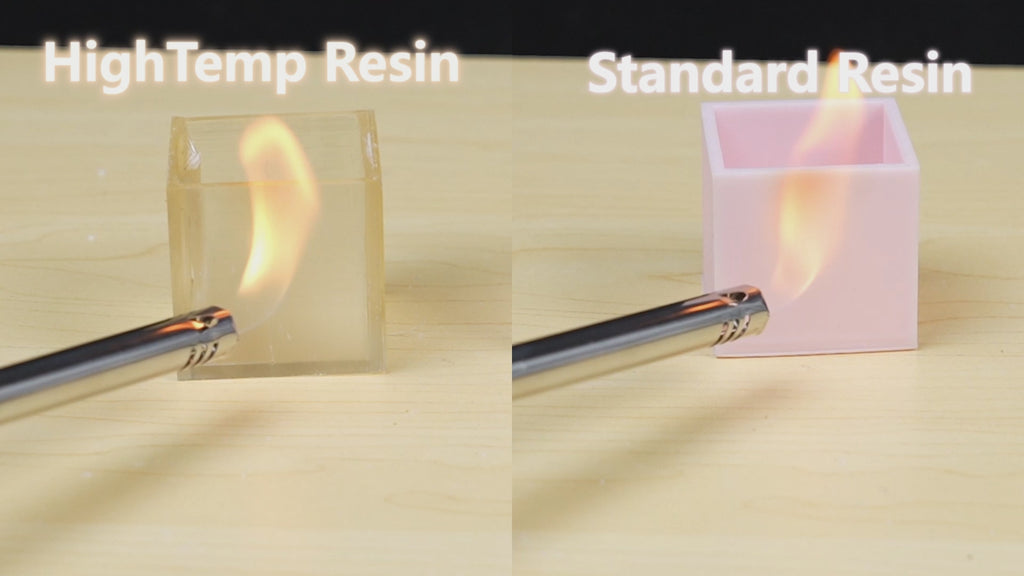
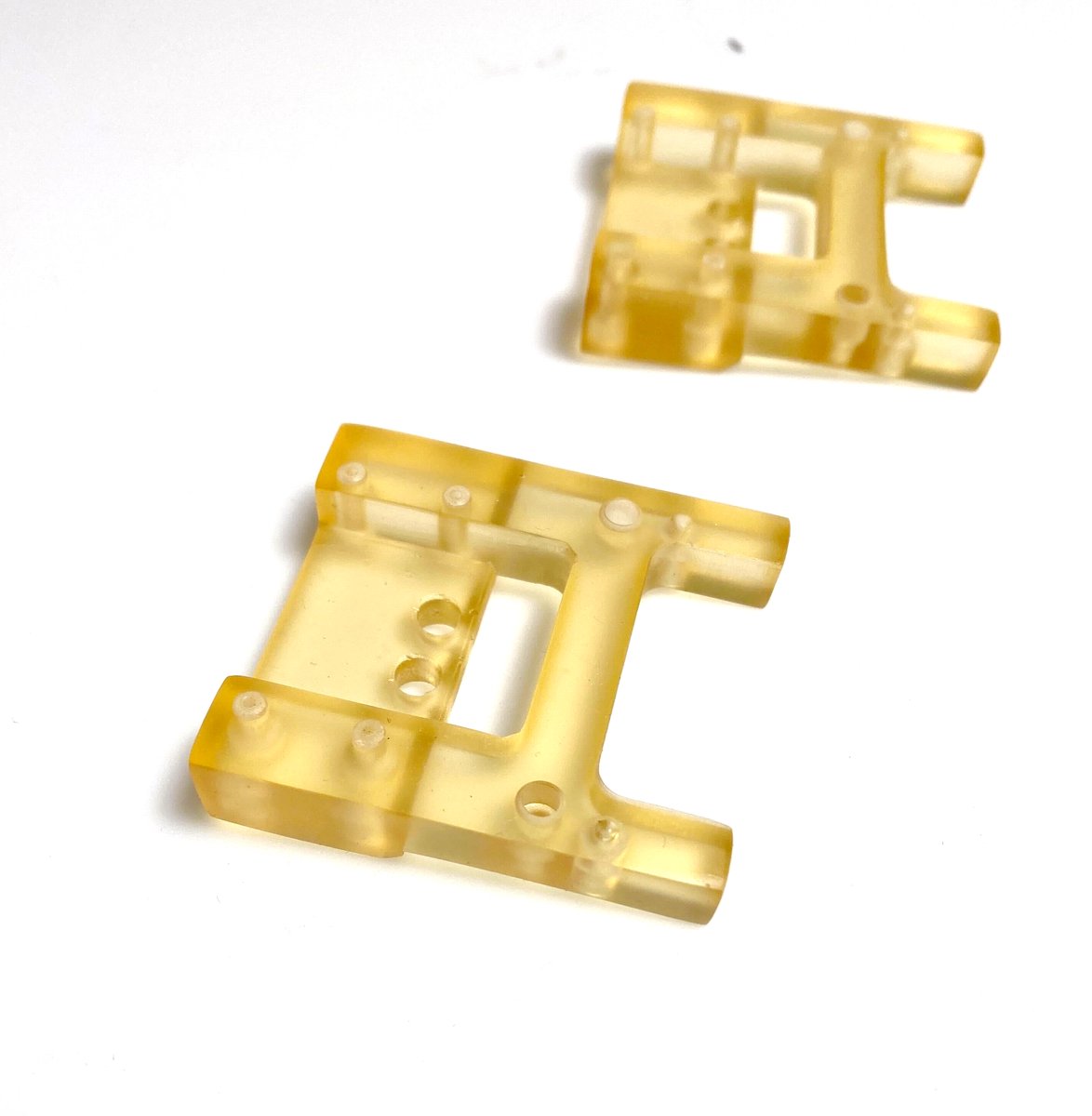
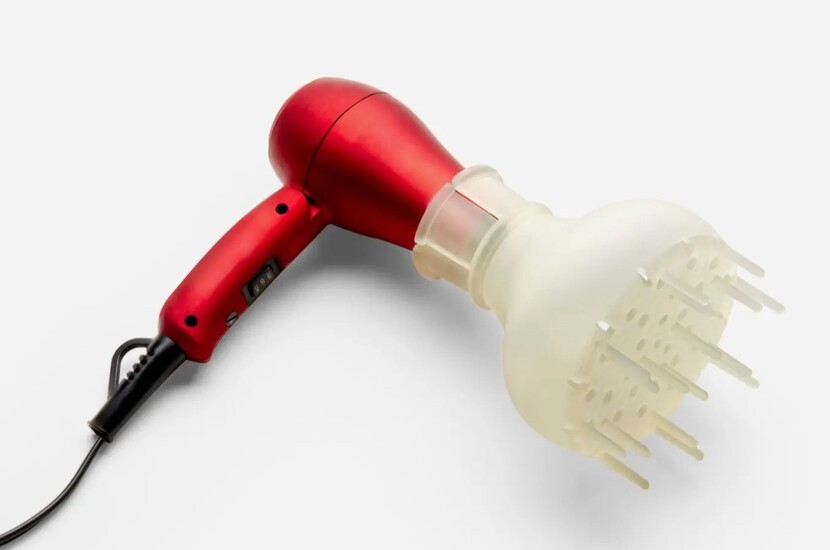
When it comes to 3D printing, one of the most significant challenges faced by users is dealing with high-temperature applications. However, with the advent of high-temperature resins, this challenge has become a thing of the past. High-temperature resins are special plastics that retain their dimensional stability and mechanical properties even at high temperatures, making them ideal for industries that require such materials.
What are High-Temperature Resins?
High-temperature resins are designed to withstand temperatures that are significantly higher than those handled by conventional plastics. They are made from unique polymers that possess excellent thermal stability and mechanical properties. These resins are ideal for applications such as aerospace, electronics, and motorsports, where high temperatures are involved.
Features and Benefits of High-Temperature Resins
High-temperature resins possess several features that make them suitable for high-heat applications. Some of the key benefits include:
- Excellent thermal stability: High-temperature resins can withstand temperatures above 100°C (212°F) without cracking or deforming.
- High mechanical strength: These resins possess excellent mechanical strength, making them suitable for applications where high loads are involved.
- Low shrinkage rate: High-temperature resins have a low shrinkage rate, ensuring that the printed parts maintain their dimensions even after cooling.
- Fine detail: These resins deliver fine detail in printed parts, making them ideal for precise prototypes and engineering applications.
Best High-Temperature Resins for 3D Printing
There are several high-temperature resins available for 3D printing, each with its unique set of features and benefits. Some of the best high-temperature resins include:
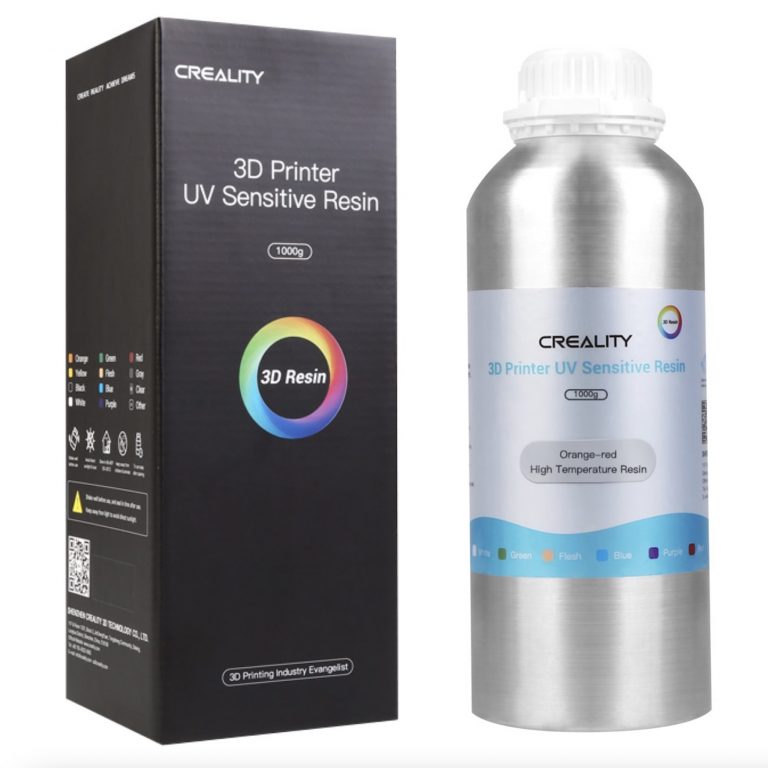
- Thermal Resins: Designed for extreme heat, these resins offer strong durability, thermal resistance, and mechanical strength.
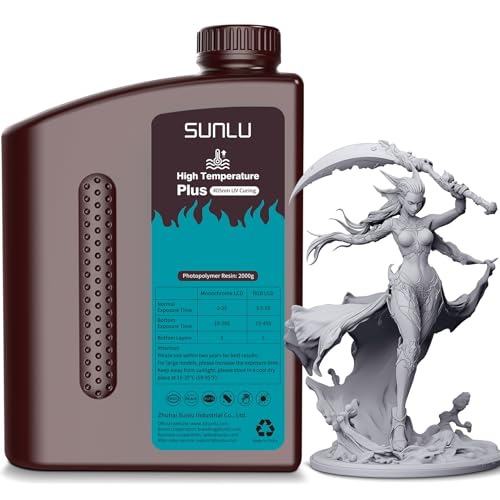
- High-Temp Resin: Engineered for demanding applications, this resin features high toughness, stiffness, and a low shrinkage rate, ensuring durability and dimensional accuracy.
- High-Temp Pro 238°C Resin: Ideal for high-temperature environments, this resin boasts an HDT of 238°C (440°F) and excellent stability, making it suitable for prototypes and components exposed to prolonged heat.
Applications of High-Temperature Resins
High-temperature resins have a wide range of applications across various industries, including:
- Aerospace: High-temperature resins are used to create components that can withstand extreme temperatures, such as heat shields and insulation panels.
- Electronics: These resins are used to produce electronic components, such as circuit boards and connectors, that require high thermal resistance.
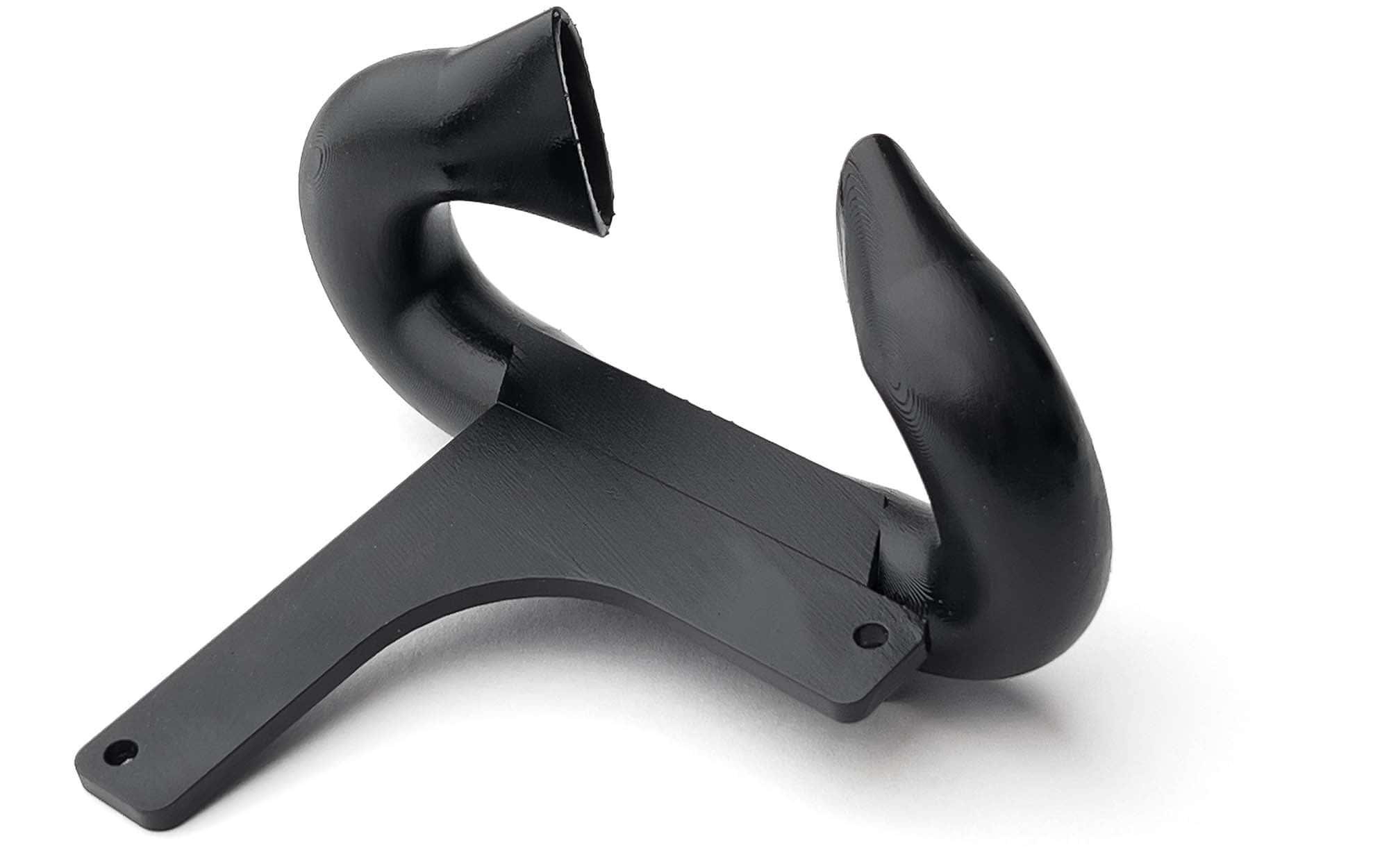
- Motorsports: High-temperature resins are used in motorsports to create components that can withstand high temperatures, such as engine parts and brake components.
Conclusion
High-temperature resins are a game-changer in the 3D printing industry, offering unparalleled thermal stability and mechanical strength. Whether you're working on a high-heat application or require fine detail in your printed parts, high-temperature resins are the perfect solution. With their excellent features and benefits, these resins have a wide range of applications across various industries.
By choosing the right high-temperature resin for your 3D printing project, you can ensure that your parts meet the required standards of thermal stability and mechanical strength. Remember to always follow the recommended materials, processing parameters, and post-processing procedures to achieve the best results with high-temperature resins.