Home-Based Physical Therapy for Enhancing Balance and Coordination
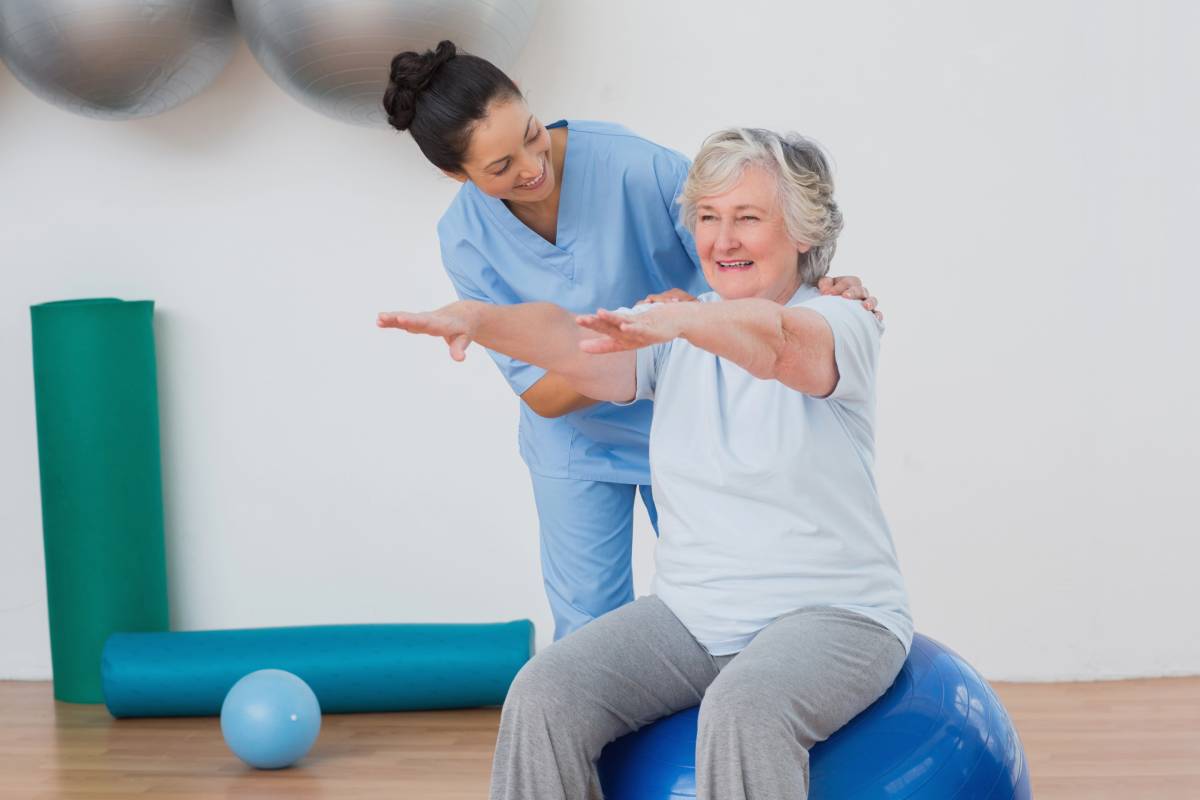
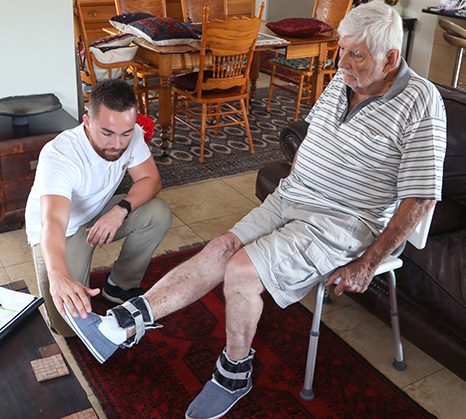
Effective therapy for balance improvement can be achieved through home-based physical therapy, where in-home physical therapy sessions are tailored to address specific balance and coordination needs. This approach is particularly beneficial for seniors, post-surgery patients, and individuals recovering from injury or managing chronic conditions.
Benefits of Home-Based Physical Therapy
- Personalized care: Home-based physical therapy sessions are customized to address the individual's specific balance and coordination needs, providing a tailored approach to rehabilitation.
- Convenience: In-home physical therapy sessions eliminate the need for transportation to a physical therapy clinic, making it easier for individuals to receive regular therapy sessions.
- Increased accessibility: Home-based physical therapy expands access to physical therapy services for individuals who may have mobility issues or find it challenging to visit a physical therapy clinic.
- Reduced fall risk: By incorporating balance and coordination exercises into daily life, home-based physical therapy helps reduce the risk of falls and promotes overall independence.
Effective Exercises for Balance and Coordination
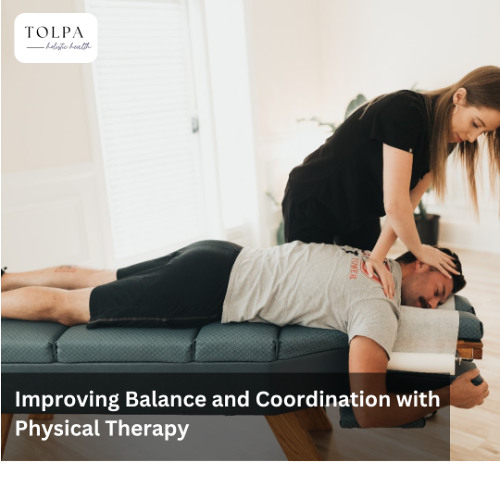
Physical therapy offers a structured and evidence-based approach to restore and enhance balance and coordination functions. The following exercises are beneficial for improving balance and coordination:
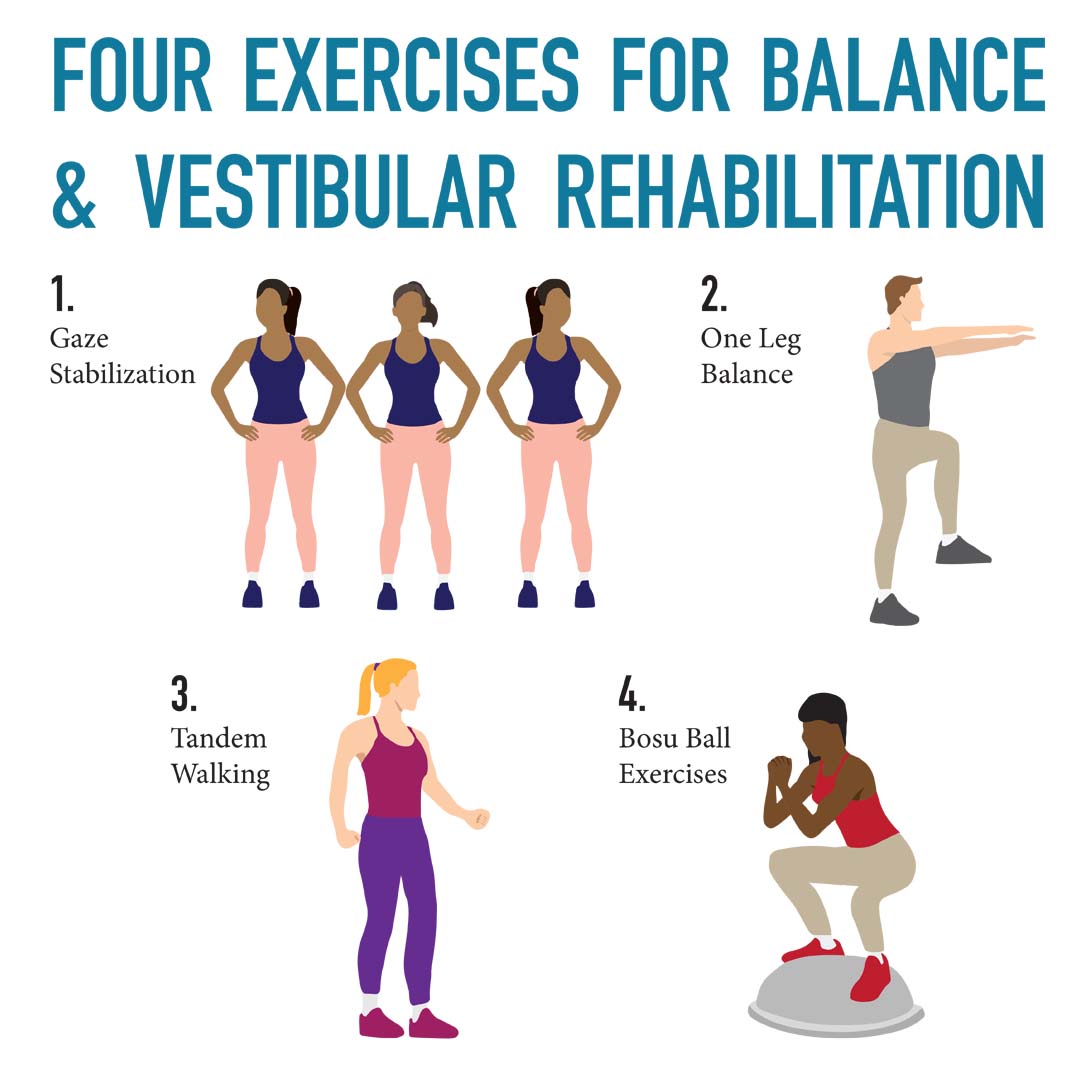
- Single-leg stance exercises: Stand on one leg, with the other foot lifted off the ground, to improve balance and stability.
- Heel-to-toe walking: Walk along a straight line, placing the heel of one foot directly in front of the toes of the other foot, to improve balance and coordination.
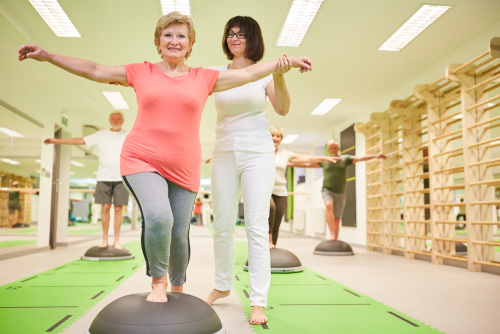
- Balance boards or BOSU ball training: Use a balance board or BOSU ball to challenge balance and stability while performing various exercises.
- Proprioception exercises: Incorporate exercises that challenge the body's sense of position and movement, such as standing on a soft surface or wearing a weighted vest.
Real-Life Applications of Balance and Coordination Exercises
Incorporating balance and coordination exercises into daily life can significantly enhance overall quality of life. Here are some real-life applications:
- Preventing falls: By incorporating balance and coordination exercises into daily life, individuals can reduce their risk of falls and maintain independence.
- Improving mobility: Balance and coordination exercises can help improve mobility, allowing individuals to participate in physical activities and maintain an active lifestyle.
- Enhancing confidence: By improving balance and coordination, individuals can regain confidence in their physical abilities and participate in daily activities with ease.
Conclusion
Home-based physical therapy for balance and coordination offers a practical and effective approach to rehabilitation. By incorporating personalized exercises and guided sessions, individuals can regain strength, improve balance and coordination, and maintain independence. Whether you're a senior, post-surgery patient, or individual recovering from injury or managing chronic conditions, home-based physical therapy can help you achieve your goals and enhance your overall quality of life.