Enhancing Cognitive Flexibility through Meditation
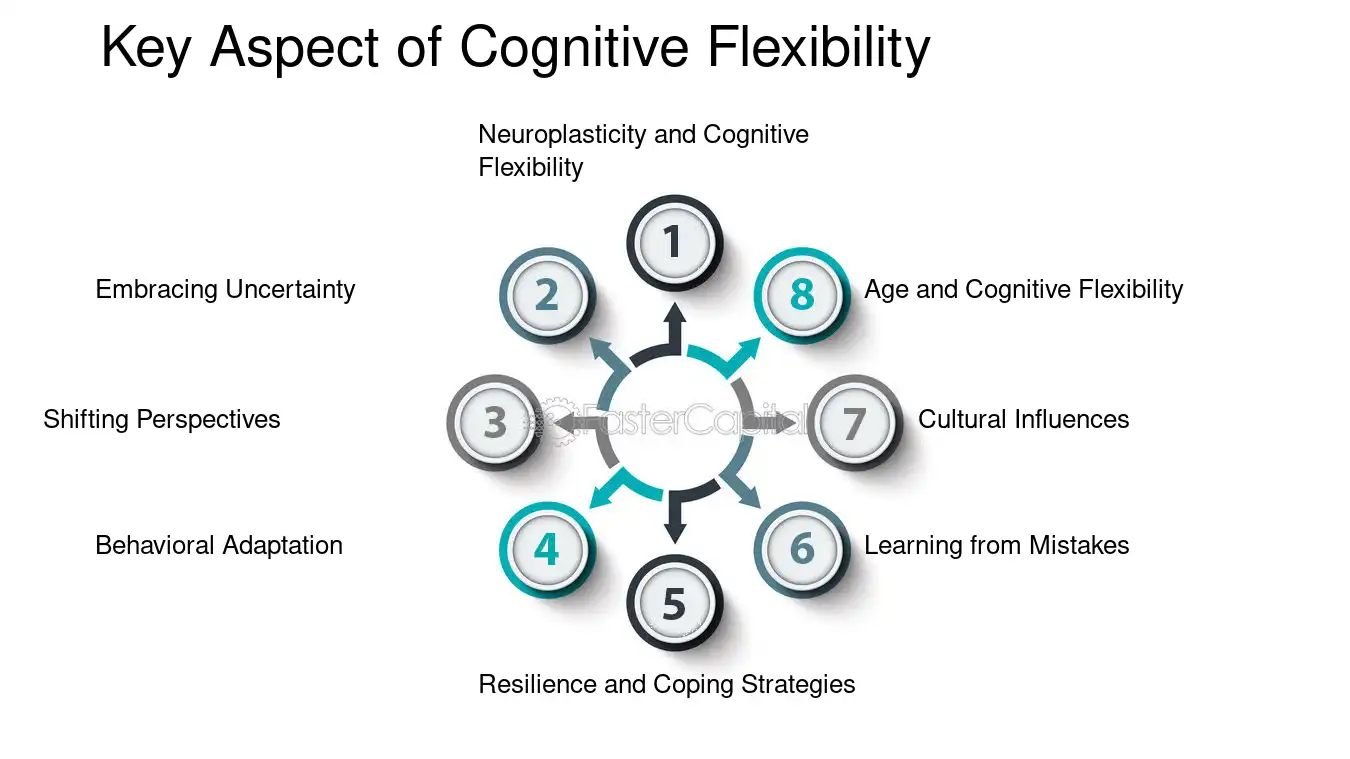
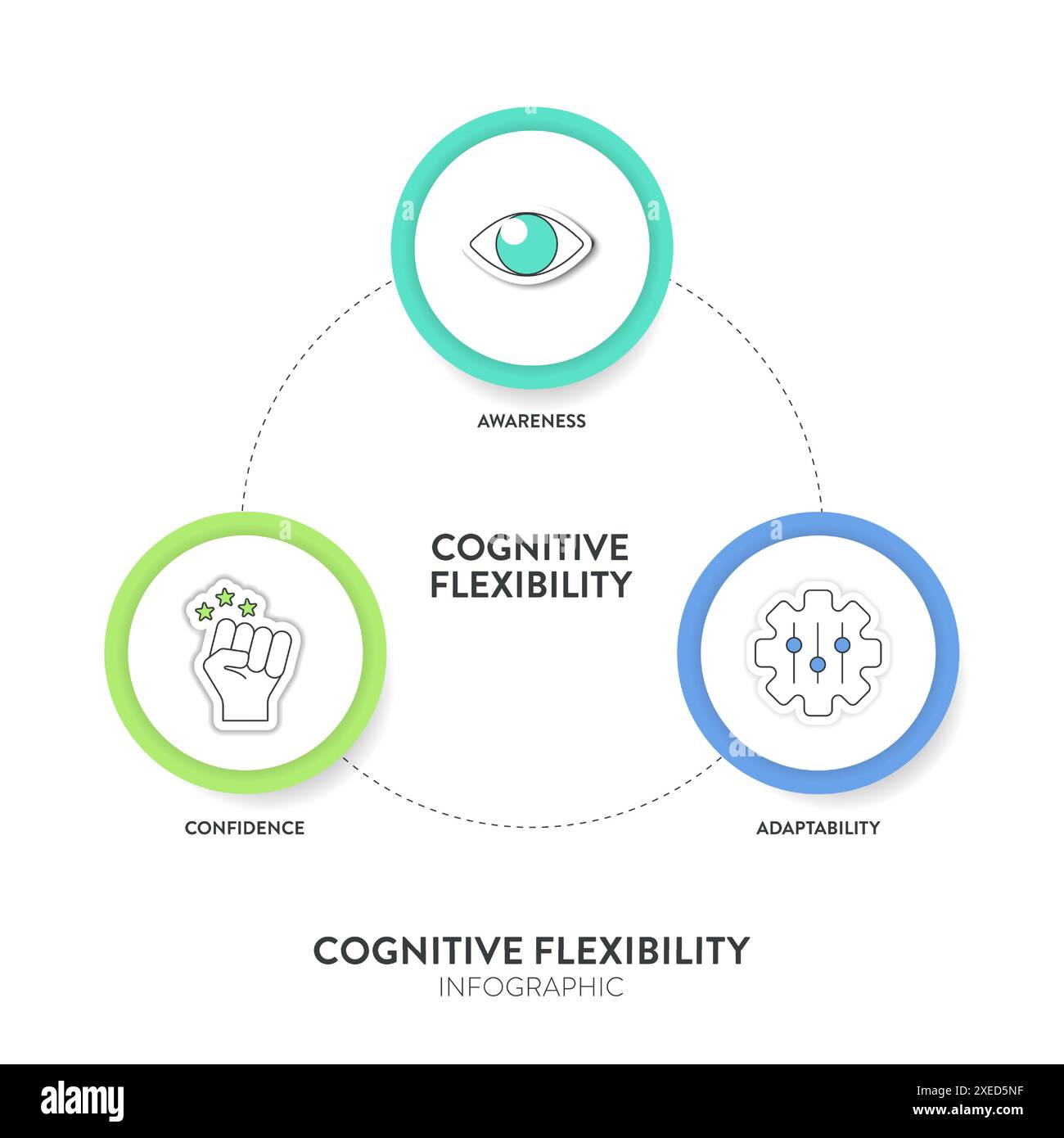
Cognitive flexibility, or the brain's ability to shift perspectives and adjust to new situations, plays a critical role in problem-solving, decision-making, and learning. In theory, habitually exercising mindfulness skills can improve cognitive functioning abilities. However, no comprehensive quantitative reviews of the efficacy of mindfulness-based interventions (MBIs) on global and unique cognitive subdomains exist.
The Complex Relationship Between Meditation and Cognitive Flexibility
Recent research suggests that meditation can significantly enhance cognitive flexibility and adaptability, key skills for navigating a complex and ever-changing world. This article explores how meditation can help improve these essential cognitive functions. Understanding the complex relationship between meditation, cognitive flexibility, and other attentional functions is crucial for unlocking the full potential of the human brain.
The Benefits of Improving Cognitive Flexibility
- Enhanced problem-solving skills
- Improved decision-making abilities
- Increased adaptability to changing environments
- Reduced stress and anxiety
- Increased mental clarity and focus
How Meditation Enhances Cognitive Flexibility
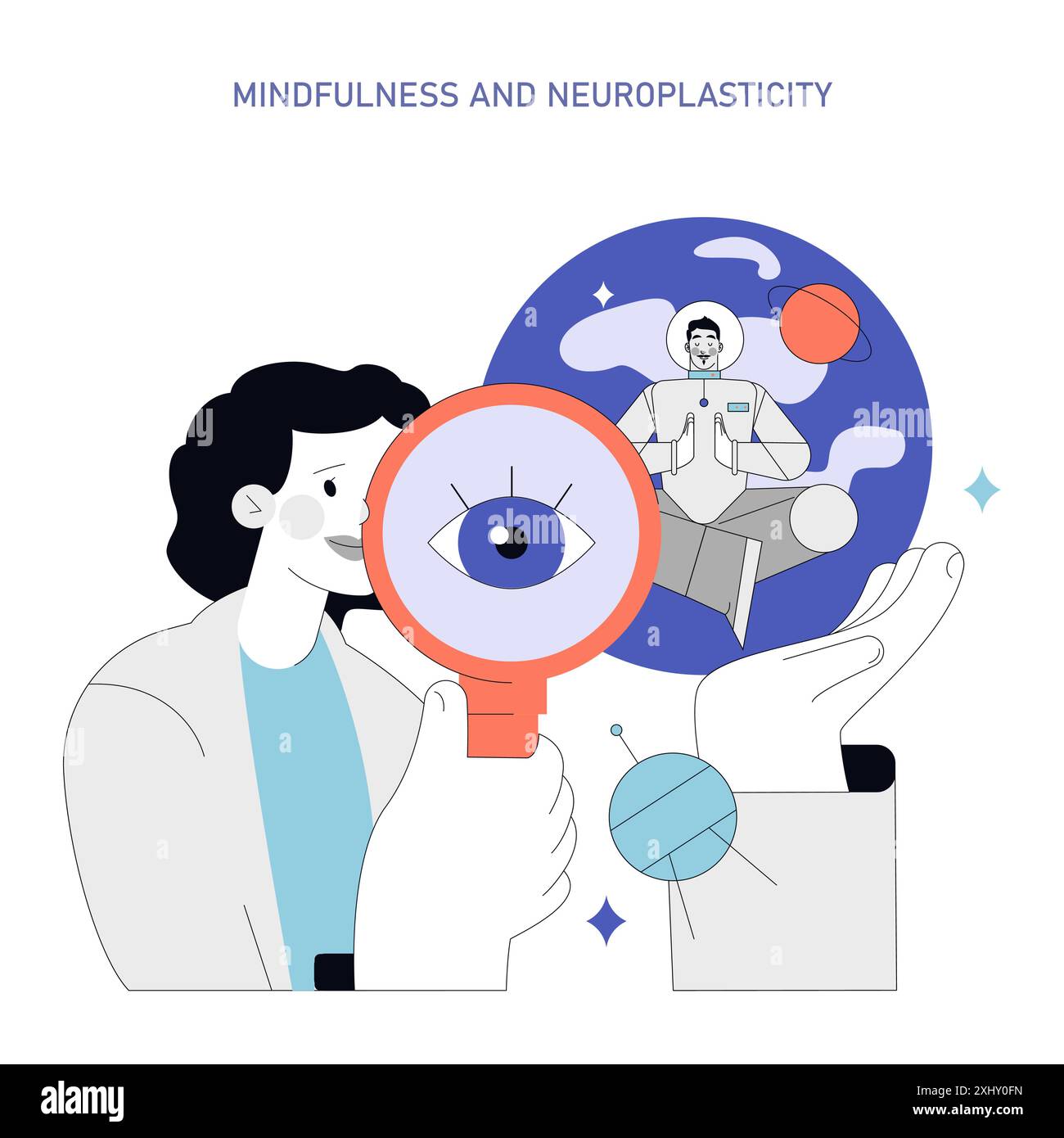
Meditation involves the practice of mindfulness, which is the ability to be fully present and engaged in the current moment. This state of awareness requires the brain to be highly adaptable and flexible, as it needs to constantly update its perception of the world. By regularly practicing mindfulness meditation, individuals can improve their ability to switch between different mental frameworks and adjust to new information.
The Neuroscience of Meditation and Cognitive Flexibility

Studies have shown that meditation can alter the structure and function of the brain, particularly in regions responsible for attention and executive control. The prefrontal cortex (PFC), which is involved in working memory, decision-making, and error monitoring, is known to be more developed in individuals with high levels of meditation experience. Additionally, research has found that meditation can increase gray matter in the hippocampus, a region critical for spatial and temporal memory, as well as language and sensory processing.
Practical Techniques for Enhancing Cognitive Flexibility through Meditation
Here are some practical techniques for enhancing cognitive flexibility through meditation:
- Focused attention meditation: Paying attention to a single object, such as the breath, can help develop concentration and reduce mind-wandering.
- Open monitoring meditation: Observing the present moment without focusing on a specific object can improve awareness and reduce habits.
- Loving-kindness meditation: Focusing on compassion and kindness towards oneself and others can improve emotional regulation and reduce biases.
Conclusion
Enhancing cognitive flexibility through meditation involves the development of mindfulness skills, increased adaptability to changing environments, and the improvement of cognitive functions. By incorporating mindfulness practices into daily life, individuals can improve their ability to navigate complex situations, make informed decisions, and foster positive relationships. The complex relationship between meditation, cognitive flexibility, and other attentional functions is an ongoing area of research, but the benefits of mindfulness practices are undeniable.
References
- Luders, E., Toga, A. W., Lepore, N., & Gaser, C. (2009). The underpinnings of brain development: The VIII-IX century meeting of the International Society for Magnetic Resonance in Medicine.
- Hölzel, B. K., Lazar, S. W., Gard, T., Schuman-Olivier, Z., Vago, D. R., & Ott, U. (2011). Mindfulness practice leads to increases in regional brain matter density.
- Zeidan, F., Johnson, S. K., Diamond, B. J., David, Z., & Goolkasian, P. (2010). Brain mechanisms supporting the modulation of experiential pain by mindfulness meditation.






.jpg_00.jpeg "Purge Your Thoughts: A Guide To Overcoming Mental Intrusions")