Why a Trademark Search for Business is Essential
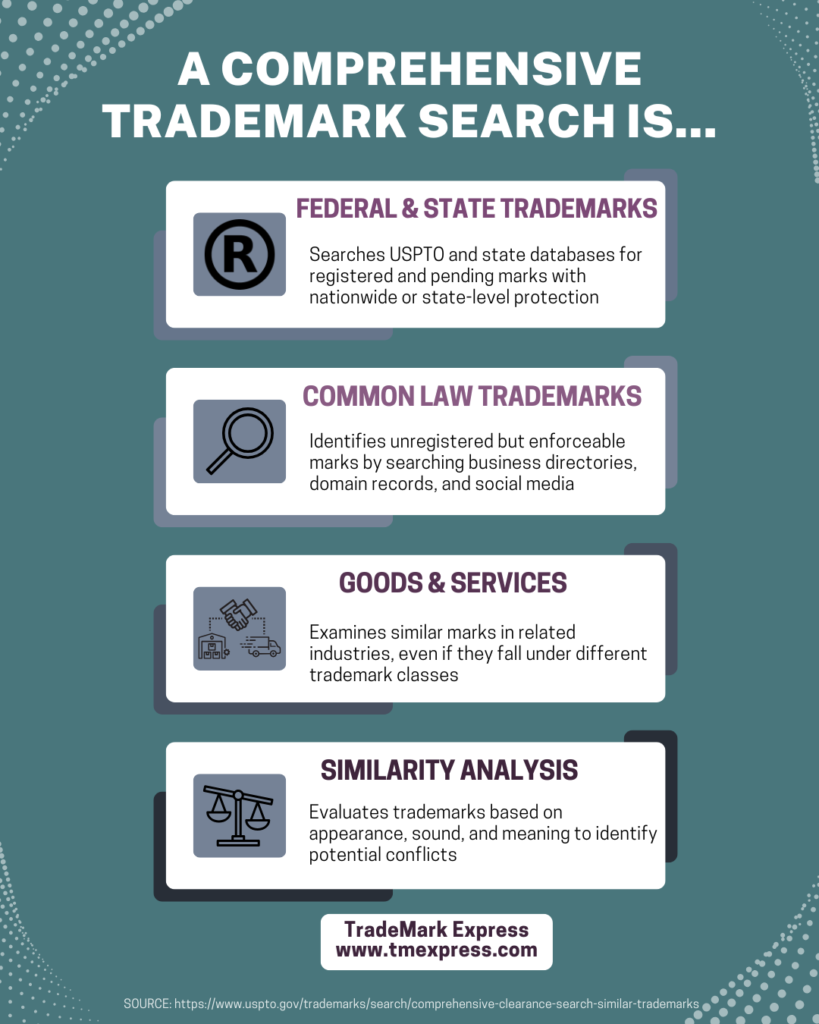
A trademark search is a crucial step for any business owner who wants to trademark their brand. The purpose of a trademark search is to determine if a similar trademark already exists in the United States Patent and Trademark Office (USPTO) registry or if it is available for registration. A trademark search for business can be done before applying for trademark registration to ensure that your trademark is available to register and doesn't conflict with existing trademarks.
Benefits of Conducting a Trademark Search
Prevents Trademark Confusion: A trademark search helps prevent trademark confusion by identifying potential conflicts that could arise if a similar trademark is already registered.
Protects Your Brand Identity: A trademark search ensures that your brand identity is unique and protected from potential infringement.
Ensures Compliance with US Patent and Trademark Law: Conducting a trademark search ensures that your trademark registration complies with US patent and trademark law, which is enforced by the USPTO.
Protects Your Business Reputation: A trademark search helps protect your business reputation by identifying potential risks associated with similar trademarks.
How to Conduct a Trademark Search
To conduct a thorough trademark search, you can use online tools or hire a trademark attorney. Some popular online tools include:
- Trademarkia: A free and user-friendly tool that allows you to search millions of trademarks globally.
- TrademarkStatus: A tool that allows you to search for trademark applications, registrations, and renewals.
- USPTO's Trademark Electronic Search System (TESS): A comprehensive search system that allows you to search for trademarks by keyword, owner, or symbol.
What to Consider When Conducting a Trademark Search

Certain factors to consider when conducting a trademark search include:
_KEYWORDS_: Identifying potential keywords related to your brand and checking if similar trademarks exist.
_Goods and Services_: Checking if your goods and services match or conflict with existing trademarks.
_Geographic Territory_: Checking if your trademark is available for registration in specific geographic territories.
_Timeframe_: Checking if your trademark has been continuously used or registered since 1978 for added protection.
Best Practices for Trademark Registration
After conducting a trademark search, follow these best practices for trademark registration:
Apply for trademark registration as soon as possible to prevent potential infringement.
Use the same font and style as your existing mark when applying for trademark registration.
Provide a clear and concise description of your goods and services.
Ensure that your trademark registration complies with US patent and trademark law.
Conclusion
Conducting a trademark search for business is an essential step in ensuring that your trademark is unique and protected from potential infringement. A comprehensive search can prevent trademark confusion, protect your brand identity, and ensure compliance with US patent and trademark law. By following the best practices outlined above, you can ensure that your trademark registration is successful and protected for years to come.