The Science of GLP-1 and Satiety Signals: Uncovering the Connection
The gut-brain hormone glucagon-like peptide-1 (GLP-1) has been a topic of intense research in recent years, particularly in relation to its role in regulating appetite and satiety. Scientists have been studying the mechanisms by which GLP-1 signaling modulates eating behavior, and recent findings have shed new light on the complex interplay between GLP-1, satiety signals, and the brain.The Discovery of GLP-1: A New Understanding of Satiety Signals
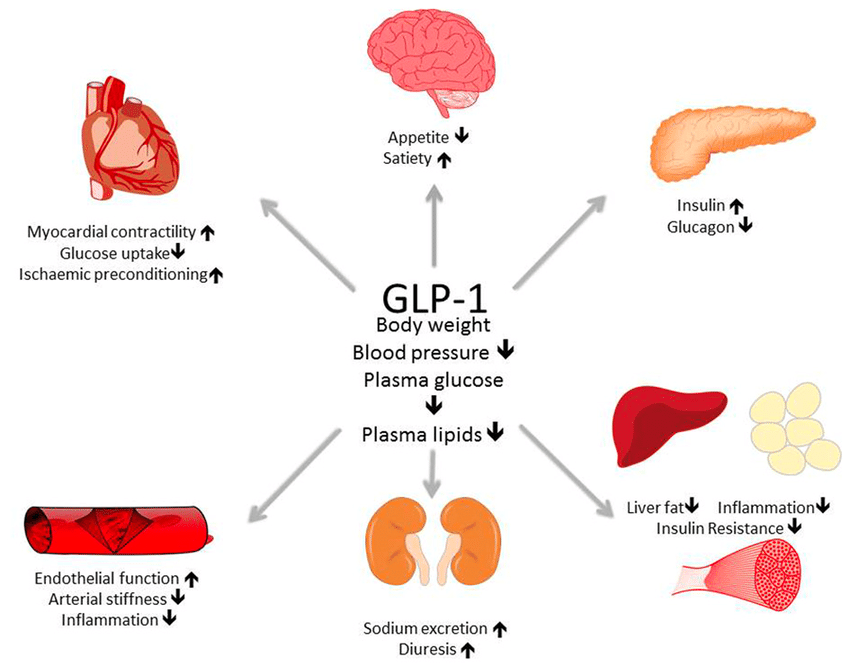
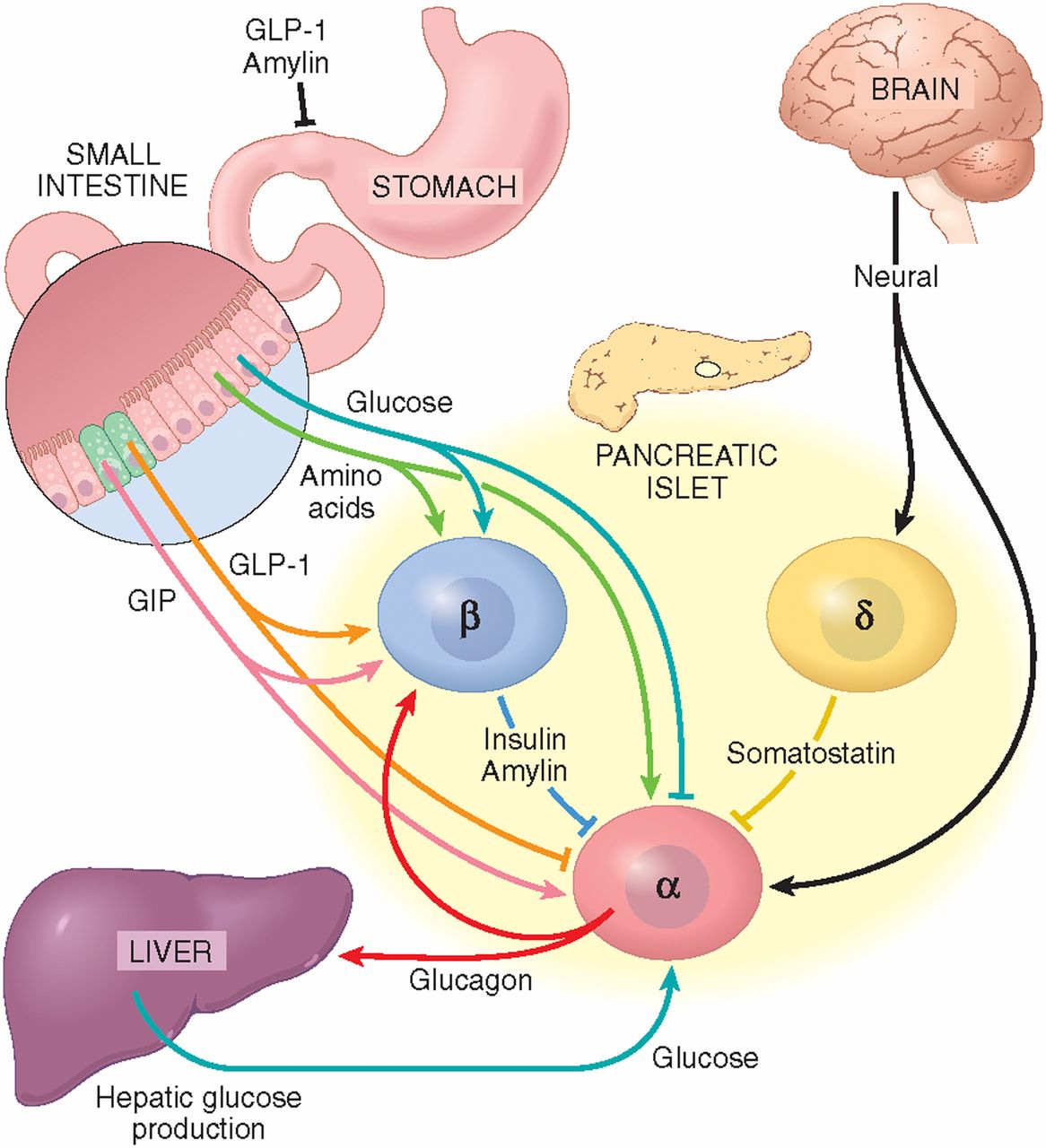
Scientists were chasing an incretin hormone, and when GLP-1 was finally discovered, we found that it had a pronounced satiety effect, slowed down gastric emptying, and actually reduced postprandial insulin response. These mechanisms are the basis of GLP-1's role in regulating appetite and satiety.The Gut-Brain Axis and GLP-1 Signaling
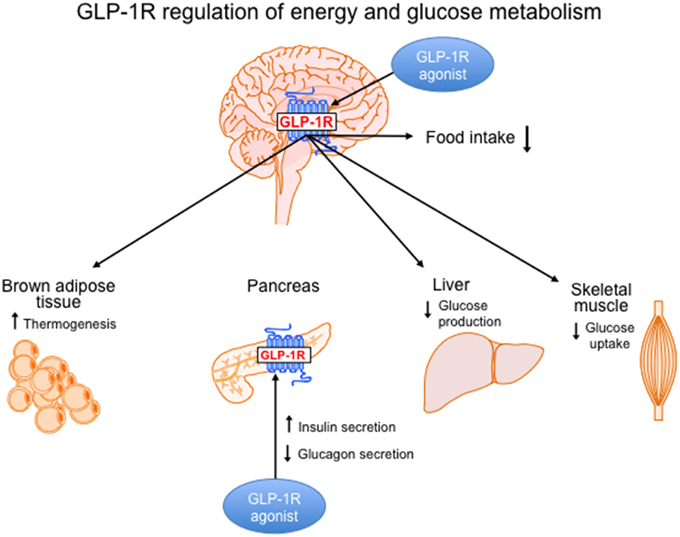
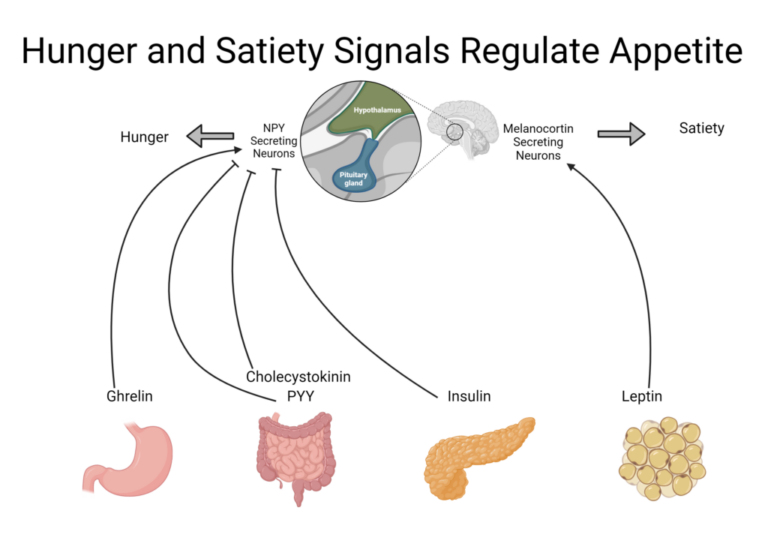
The gut-brain axis is a bidirectional communication network that links the central nervous system (CNS) with the enteric nervous system (ENS), which is often referred to as the "little brain" of the gut. GLP-1 signaling plays a critical role in this network, with the hormone being released by intestinal L-cells in response to food intake.The Role of GLP-1 in Regulating Hunger and Satiety
GLP-1 acts on the hypothalamus, a region of the brain that regulates appetite and satiety, to send signals that reduce hunger and increase feelings of fullness. The hormone also slows gastric emptying, which allows for a more gradual release of nutrients into the bloodstream, further contributing to feelings of satiety.The Impact of GLP-1 on Weight Management
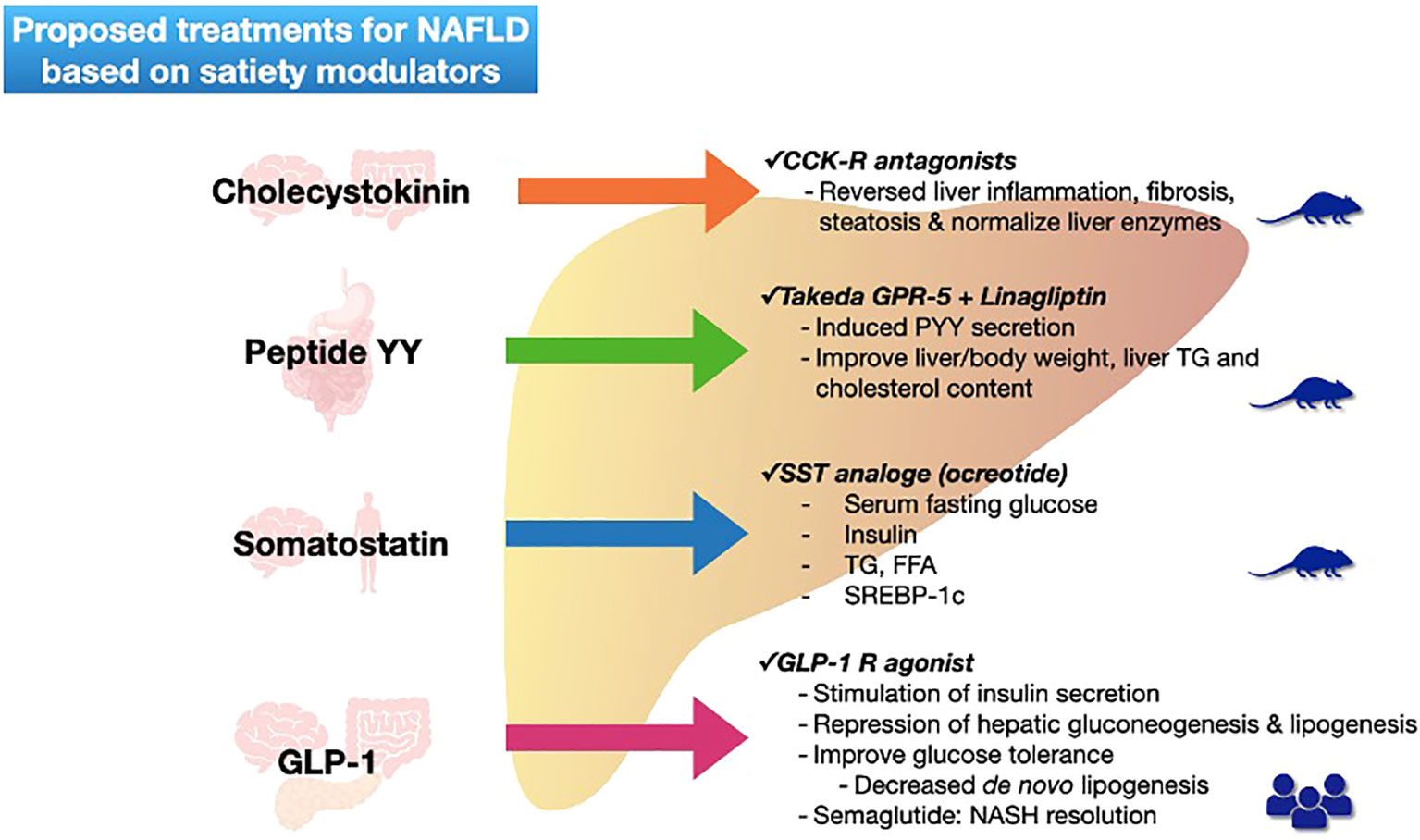
Research has shown that GLP-1 receptor agonists, which mimic the action of natural GLP-1, can lead to significant weight loss in individuals with obesity. These medications work by enhancing satiety signals and reducing hunger, leading to a decrease in food intake and a reduction in body weight.The Connection Between GLP-1 and Binge Eating Disorder