Wireless G Router Settings: A Comprehensive Guide
When it comes to managing your wireless network, having the right router settings is crucial. In this comprehensive guide, we'll delve into the world of wireless G router settings, covering everything from basic configurations to advanced tweaks.
Understanding Wireless G Routers
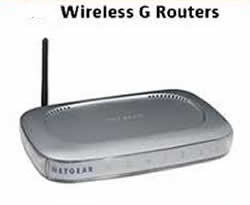
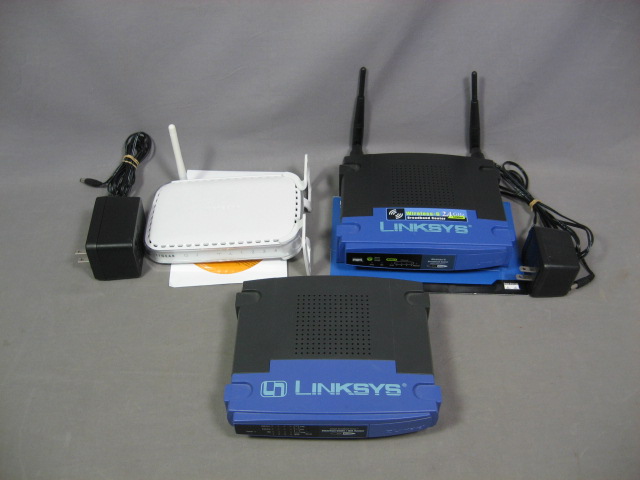
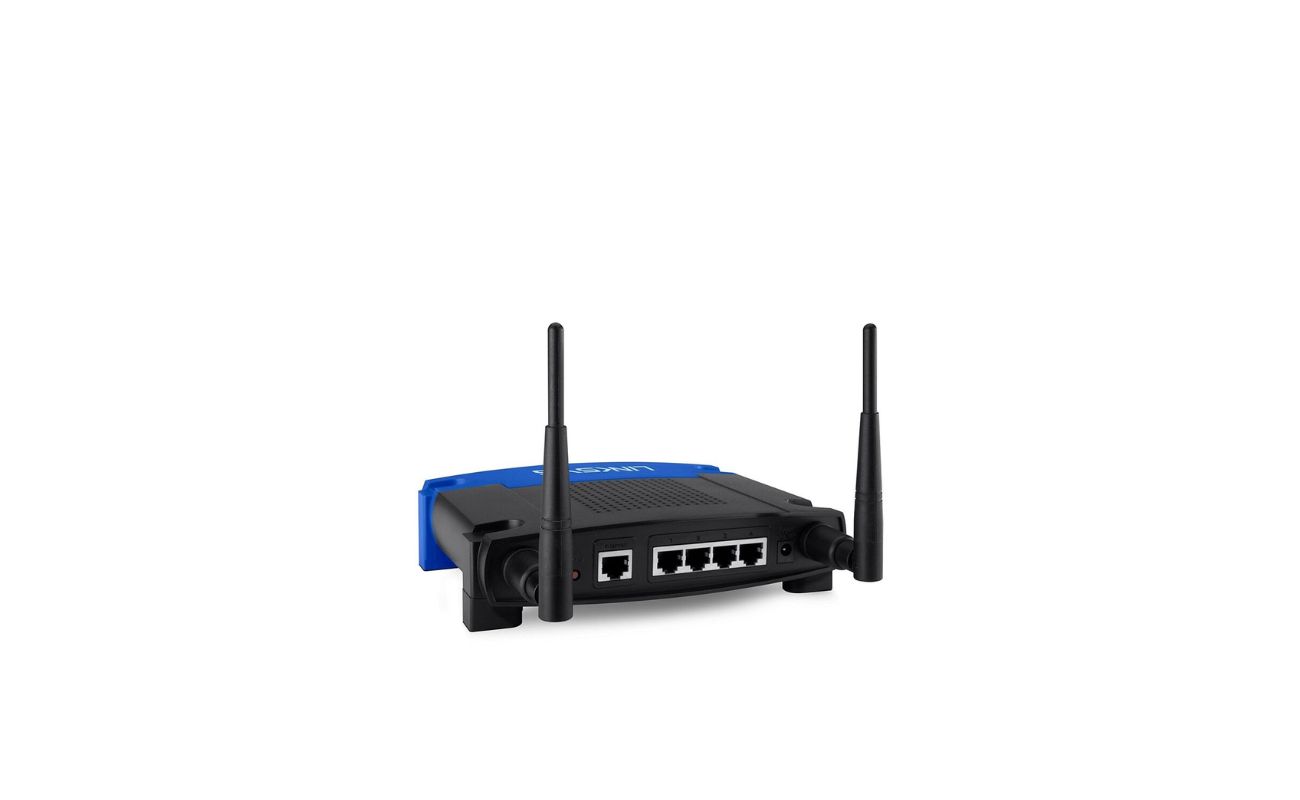
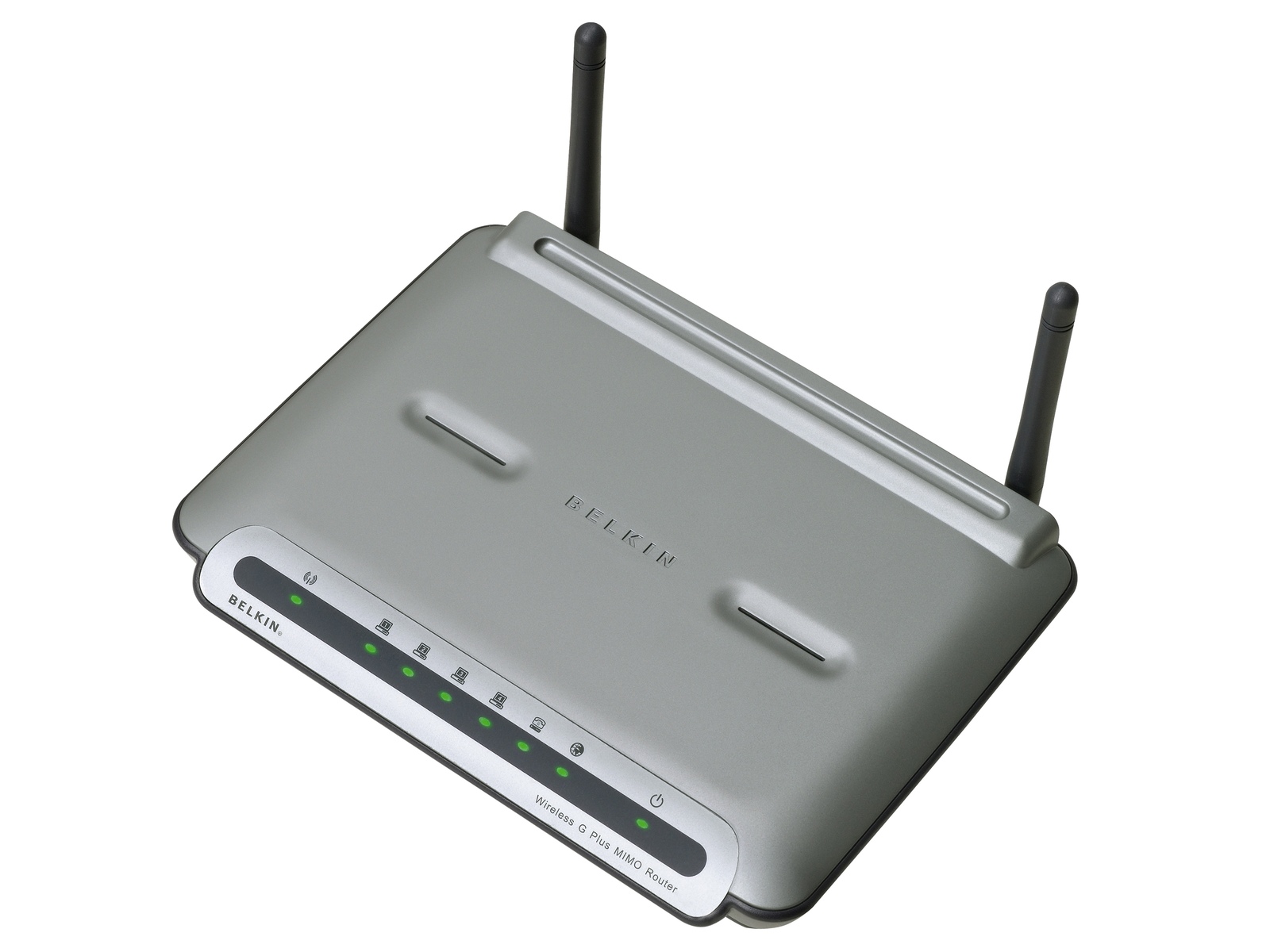
Wireless G routers, also known as 802.11g routers, offer a reliable way to connect multiple devices to your network wirelessly. With a typical speed of 54 Mbps, they provide a decent level of performance for basic tasks such as browsing, emailing, and streaming.
However, wireless G routers are outdated compared to modern wireless AC routers, which offer significantly faster speeds and improved range. Nevertheless, many homes and businesses still use wireless G routers due to their ease of setup and affordability.
Accessing Wireless G Router Settings
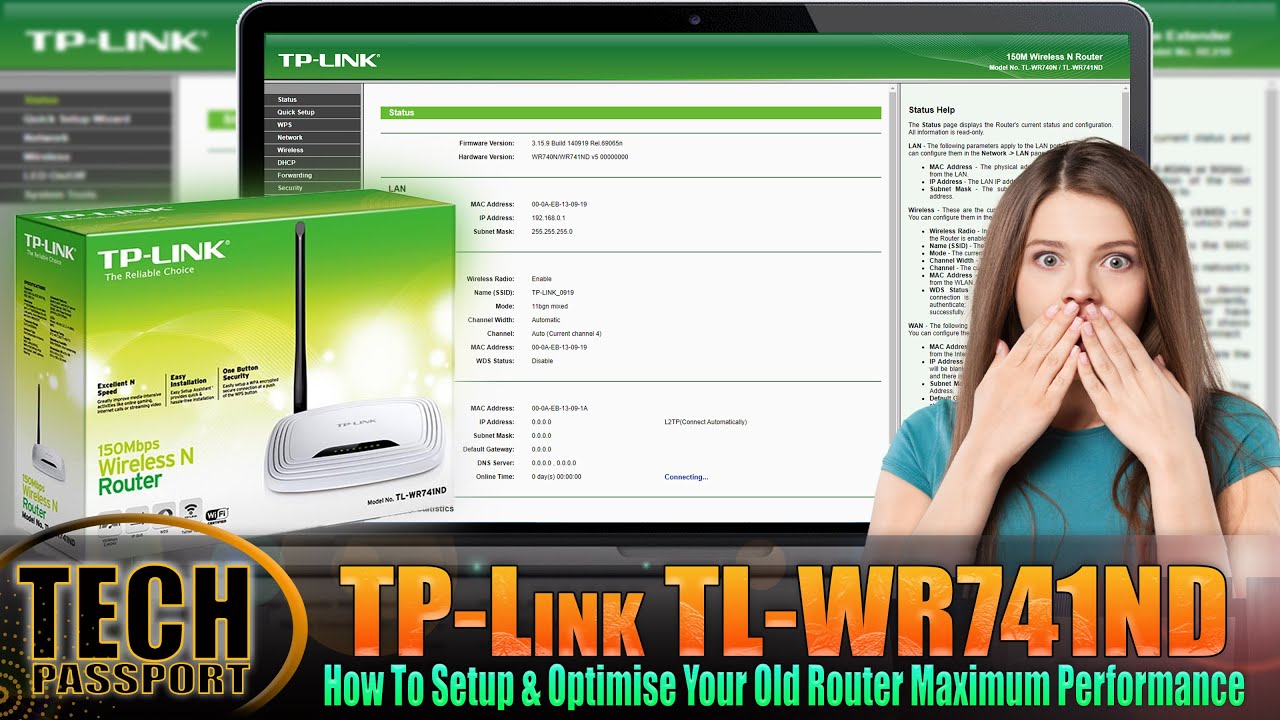
To configure your wireless G router's settings, you'll need to access its web interface. Here's a step-by-step guide:
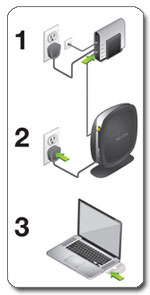
- Connect your computer to the router using an Ethernet cable.
- Open a web browser and type the router's IP address (usually 192.168.0.1 or 192.168.2.1).
- Enter the admin username and password (usually 'admin' or 'password').
- Click on the "Wireless Settings" or "Advanced Wireless Settings" tab.
Configuring Wireless G Router Settings
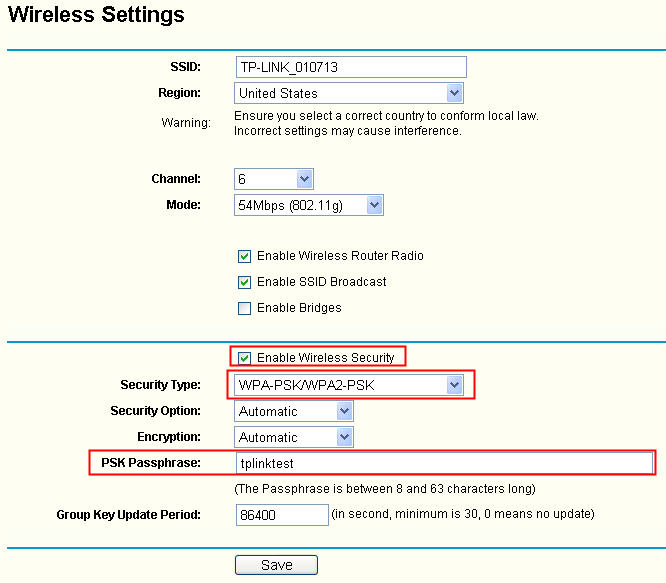
Once you've accessed the router's settings, you can begin configuring the wireless settings. Here are some key settings to consider:
- **Wireless Network Name (SSID):** Set a unique name for your wireless network to identify it from other nearby networks.
- **Wireless Channel:** Choose a wireless channel that minimizes interference from other devices.
- **Wireless Security:** Enable WEP, WPA, or WPA2 encryption to secure your network from unauthorized access.
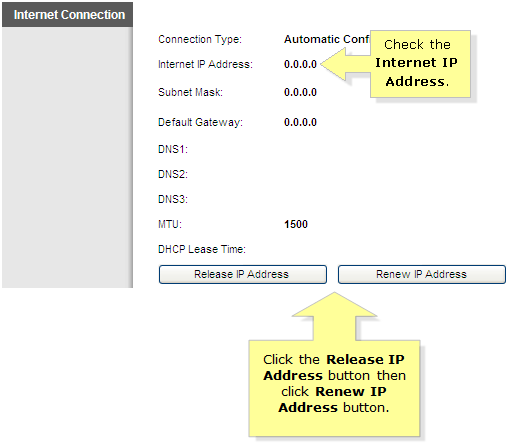
- **DHCP Settings:** Configure the router to assign IP addresses to devices automatically using DHCP.
- **Quality of Service (QoS):** Set prioritized traffic rules to ensure critical applications receive sufficient bandwidth.
Advanced Wireless Settings
For more experienced users, here are some advanced wireless settings to consider:
- **Wireless Mode:** Choose from various wireless modes, such as Access Point (AP) or Wireless Distribution System (WDS).
- **Wireless Frequency:** Select the frequency band (2.4 GHz or 5 GHz) for optimal performance and range.
- **Transmit Power:** Adjust the transmit power to optimize wireless coverage and reduce interference.
- **Wireless Isolation:** Enable wireless isolation to separate guest networks from the main network.
Best Practices for Wireless G Router Settings
To ensure optimal performance and security, follow these best practices:
- **Regularly update the router's firmware** to fix security vulnerabilities and improve performance.
- **Change the admin password** and enable WEP or WPA encryption to secure the router.
- **Restart the router** periodically to clear cache and optimize performance.
- **Use Quality of Service (QoS)** to prioritize critical applications.
Conclusion
Wireless G routers are still widely used despite their outdated technology. By understanding the wireless G router settings and following the best practices outlined in this guide, you can optimize your wireless network's performance, security, and reliability.
Remember to regularly update your router's firmware, change the admin password, and enable WEP or WPA encryption to stay secure. Happy configuring!
References:
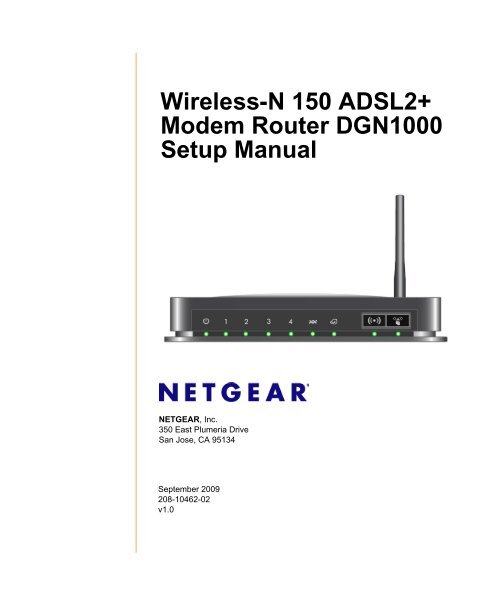
- Netgear WGR614v9 Setup Manual
- Linksys Wireless-G Broadband Router User Guide
- Belkin Wireless G Router User Manual
Disclaimer:
The information provided in this article is for general guidance purposes only. For specific configuration instructions or troubleshooting advice, consult your router's user manual or contact the manufacturer's technical support team.



![[Wireless Router] How do I enter my ASUS router's setting page using ...](https://i.stack.imgur.com/6nv8T.jpg "[Wireless Router] How do I enter my ASUS router's setting page using ...")