Corporate AI Solution Implementation: A Strategic Approach to Unlocking Business Value
In today's fast-paced business landscape, companies are constantly seeking ways to stay ahead of the competition and drive growth. Artificial intelligence (AI) has emerged as a game-changer, offering unprecedented opportunities to improve efficiency, accuracy, and decision-making. However, simply investing in AI technologies is not enough; a strategic approach to implementation is essential to unlock its full potential.
Understanding Corporate AI Solution Implementation
AI implementation refers to the process of integrating AI technologies into a business's operations, processes, and decision-making to improve efficiency, accuracy, and overall performance. This involves using computer software that engages in activities akin to human learning, planning, and problem-solving. Effective AI implementation requires a clear business case, a well-defined roadmap, and a commitment to ongoing evaluation and improvement.
Overcoming AI Adoption Challenges
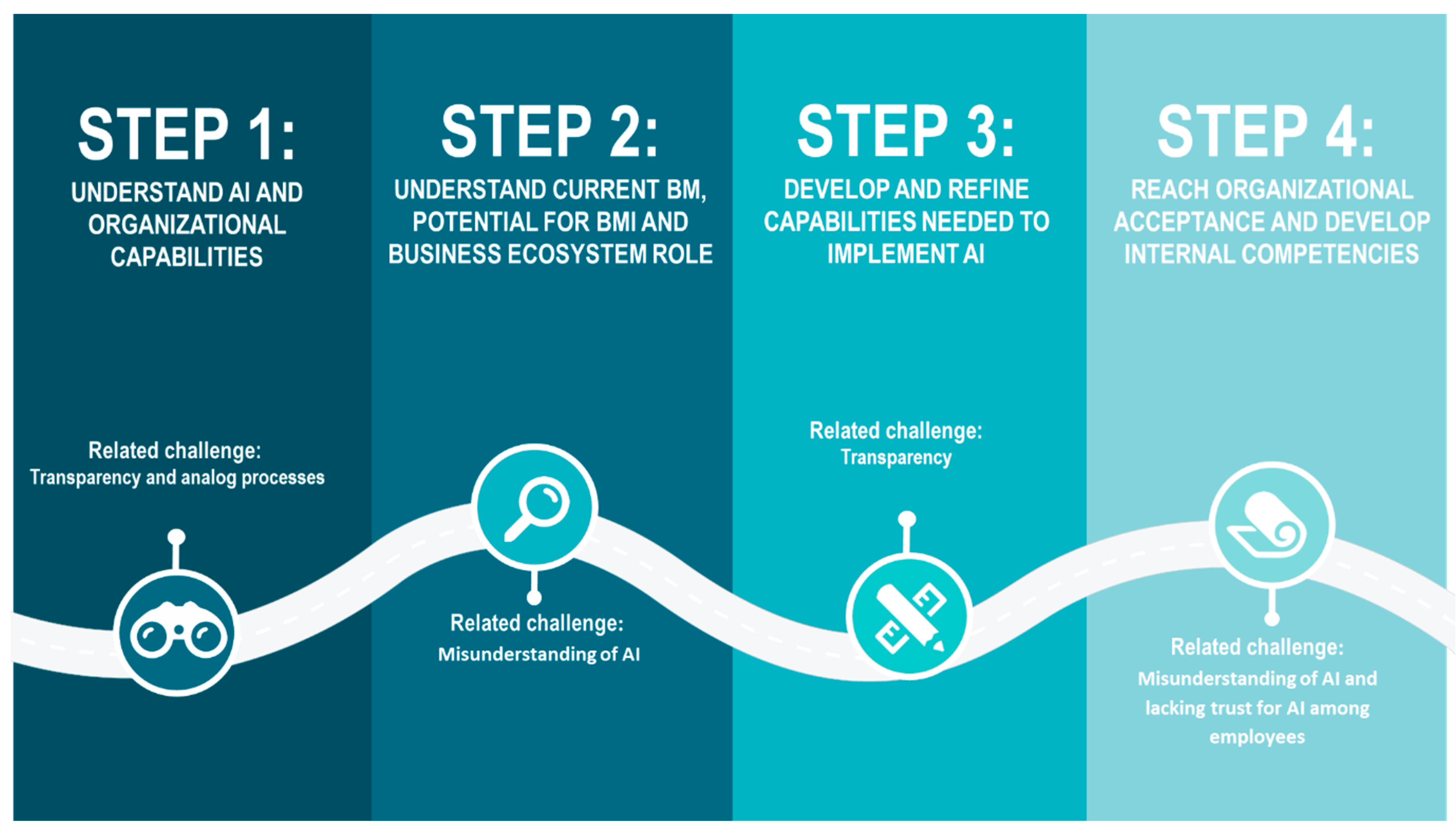
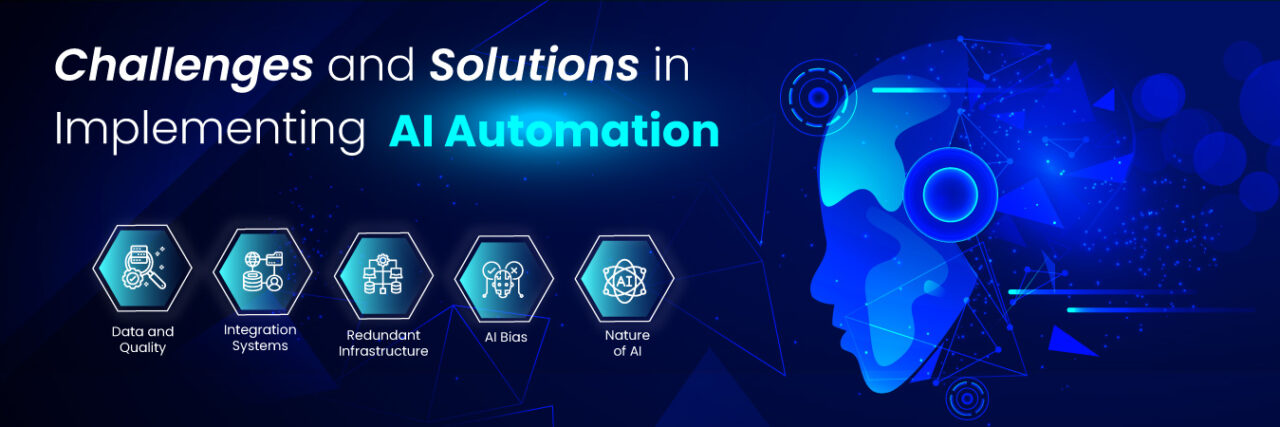
Despite the potential benefits of AI, many businesses struggle to adopt and implement these technologies effectively. Common challenges include:
- Lack of clear business objectives and metrics
- Insufficient data quality and availability
- Inadequate AI skills and expertise
- Difficulty in integrating AI with existing systems and processes
A 7-Step Framework for Enterprise AI Implementation
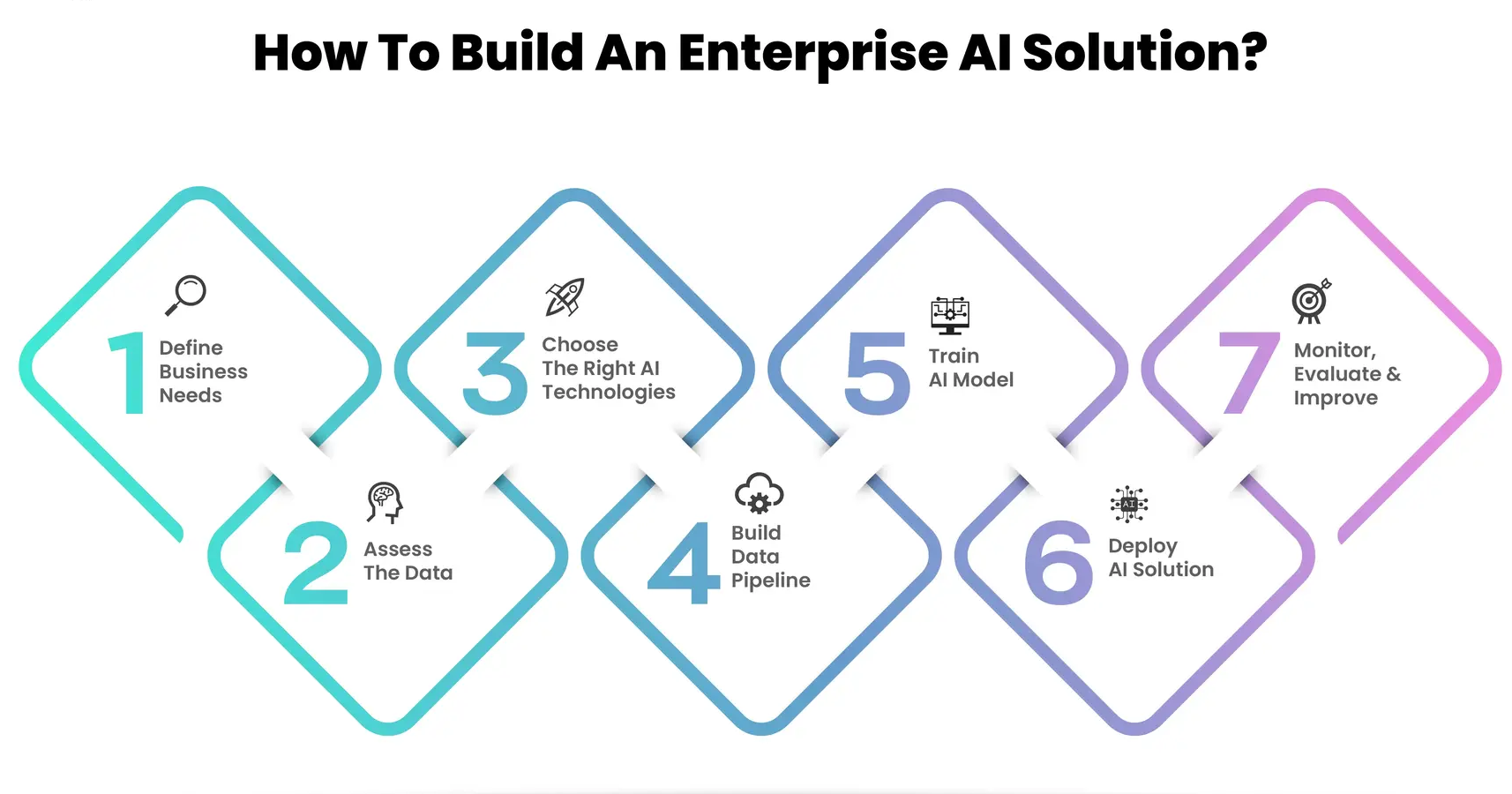
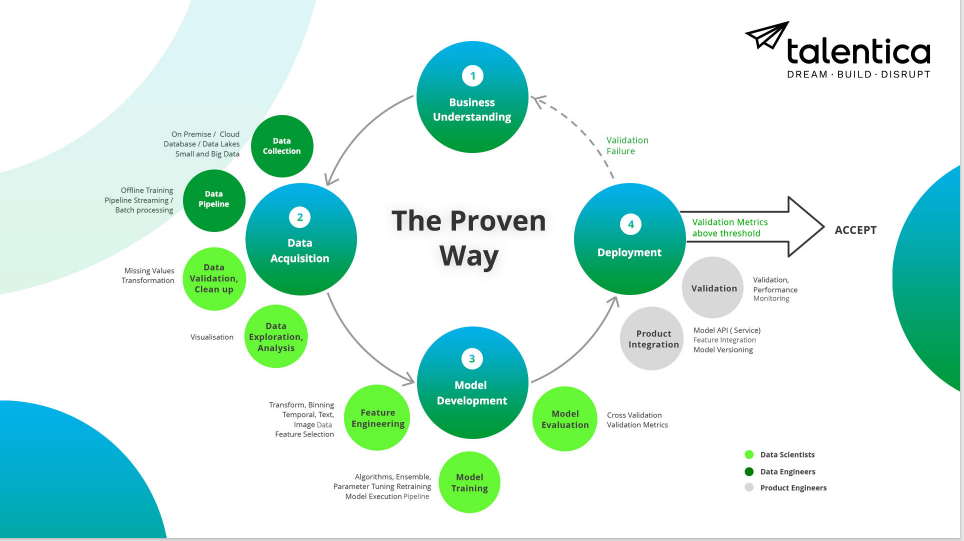
To overcome these challenges and ensure successful AI implementation, we recommend a 7-step framework:
- Step 1: Define Business Objectives and Metrics - Clearly articulate the business benefits and goals of AI implementation.
- Step 2: Assess Data Quality and Availability - Evaluate the data requirements for AI implementation and ensure data quality and availability.
- Step 3: Build AI Skills and Expertise - Develop the necessary AI skills and expertise within the organization.
- Step 4: Integrate AI with Existing Systems and Processes - Seamlessly integrate AI with existing systems and processes to ensure smooth operations.
- Step 5: Develop a Robust AI Infrastructure - Establish a robust AI infrastructure to support scalable AI solutions.
- Step 6: Monitor and Evaluate AI Performance - Continuously monitor and evaluate AI performance to ensure alignment with business objectives.
- Step 7: Refine and Improve AI Solutions - Refine and improve AI solutions based on performance data and business feedback.
Unlocking the Full Potential of AI
By following this 7-step framework and adopting a strategic approach to AI implementation, businesses can unlock the full potential of AI and achieve significant benefits, including:
- Improved efficiency and productivity
- Enhanced accuracy and decision-making
- Increased customer satisfaction and loyalty
- Competitive advantage and market leadership
Conclusion
Corporate AI solution implementation is a complex and multifaceted process that requires a clear business case, a well-defined roadmap, and a commitment to ongoing evaluation and improvement. By following the 7-step framework outlined in this article, businesses can overcome AI adoption challenges and unlock the full potential of AI to drive growth, innovation, and competitiveness.