How to Configure G Router for Home Gaming Router
Are you experiencing lag, disconnections, or poor speeds while gaming on your home network? The key to a smooth gaming experience lies in configuring your router to optimize performance and minimize latency. In this article, we will guide you through the steps to configure your home gaming router for a lag-free and fast gaming experience.
Understanding Your Router
Before we dive into the configuration process, it's essential to understand your router's capabilities and settings. Each router has a different setup, but most of them have a similar principle: securing your network, setting the connection, optimizing the network, and setting up access. Familiarize yourself with your router's features and settings to make the most out of this guide.
Step 1: Connect Your Devices
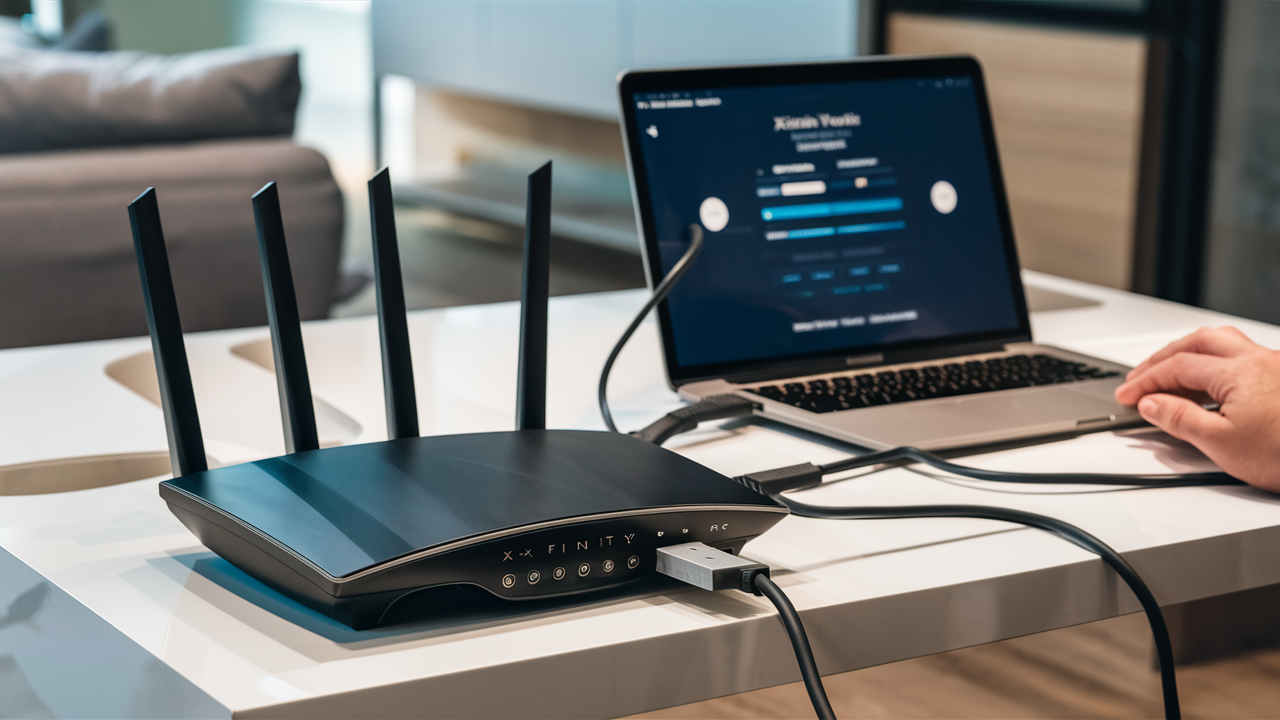
Begin by connecting your gaming devices, modem, and router using Ethernet cables. Make sure all devices are turned off before starting the setup process. Plug in the power cord, and wait for the router to boot up.
Step 2: Access Your Router's Interface
Open a web browser and type your router's IP address in the address bar (usually 192.168.1.1 or similar gateway IP). Enter your admin credentials to access the router's web interface. Updating your admin password is essential for network security.
Step 3: Optimize Network Settings
Now that you're in the router's interface, it's time to optimize your network settings. Here are some key settings to look out for:
- Quality of Service (QoS): Set up QoS to prioritize gaming traffic and ensure your online gaming experience remains smooth.
- Bandwidth Allocation: Allocate bandwidth according to your device usage to prevent lag and congestion.
- DNS Settings: Configure a consistent DNS server to minimize lag and ensure smooth performance.
- Port Forwarding**: Enable port forwarding for gaming devices to minimize configuration issues and ensure stable connections.
Step 4: Secure Your Network
Secure your network by disabling unnecessary features such as:
- Remote Management**: Unless you need to access your router's configuration page remotely, disable remote management to prevent hackers from accessing your router.
- WPS**: Disable WPS (Wi-Fi Protected Setup) to prevent unauthorized access to your network.
Step 5: Regular Maintenance
Regularly monitor your router's performance and maintain it to ensure optimal gaming experiences. Check for firmware updates, clean up your network by deleting unnecessary devices, and restart your router periodically to clear temporary data.
Conclusion
By following these steps, you'll be able to configure your router for an optimized gaming experience. A well-configured router will minimize lag, disconnections, and poor speeds, allowing you to enjoy seamless online gaming. Remember to monitor your router's performance and make adjustments as needed to keep your network running smoothly.
Additional Tips
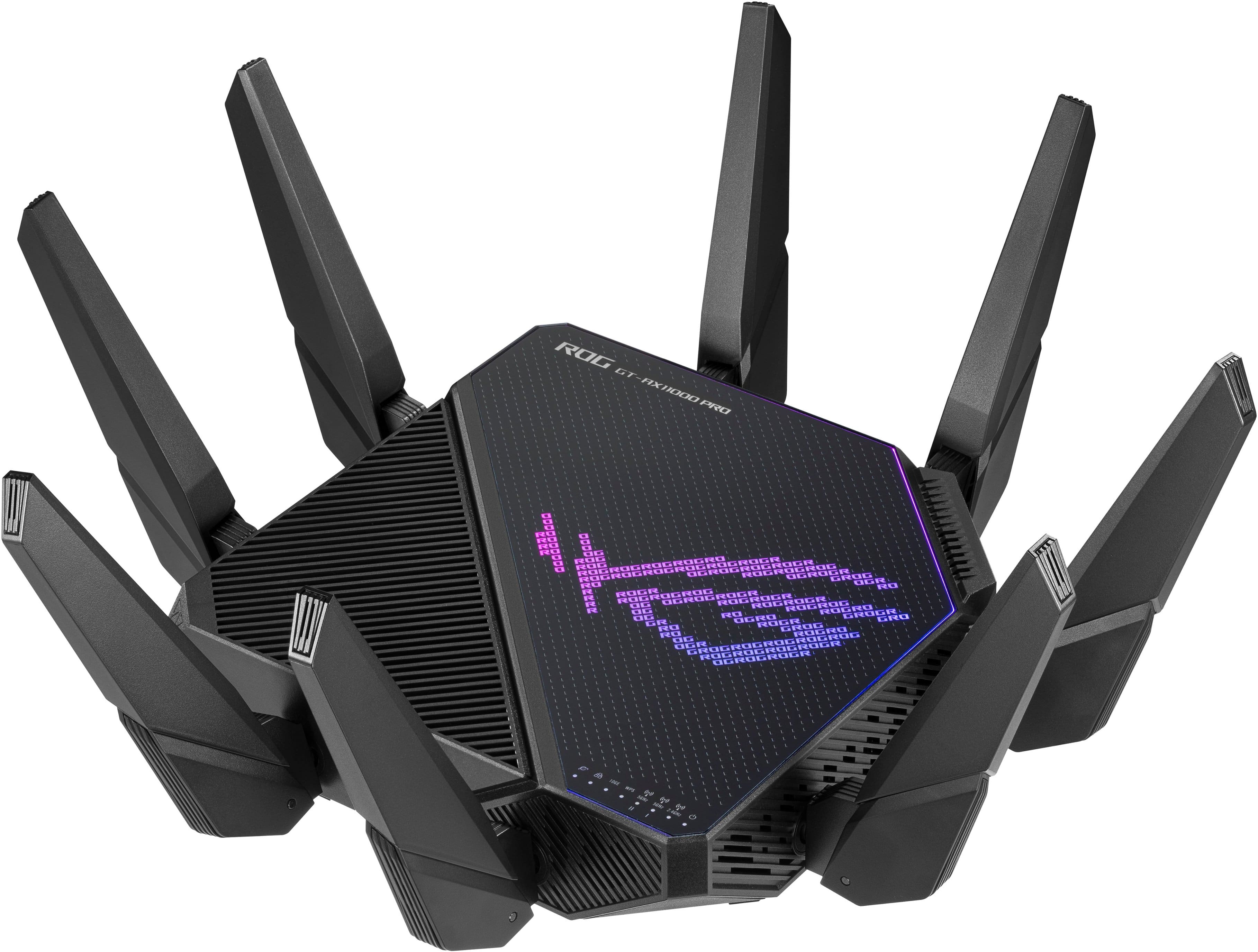
For the best results, consider purchasing a dedicated gaming router or using an Ethernet cable for a wired connection. Regularly updating your firmware and monitoring your router's performance will also help maintain a smooth gaming experience.
Resources
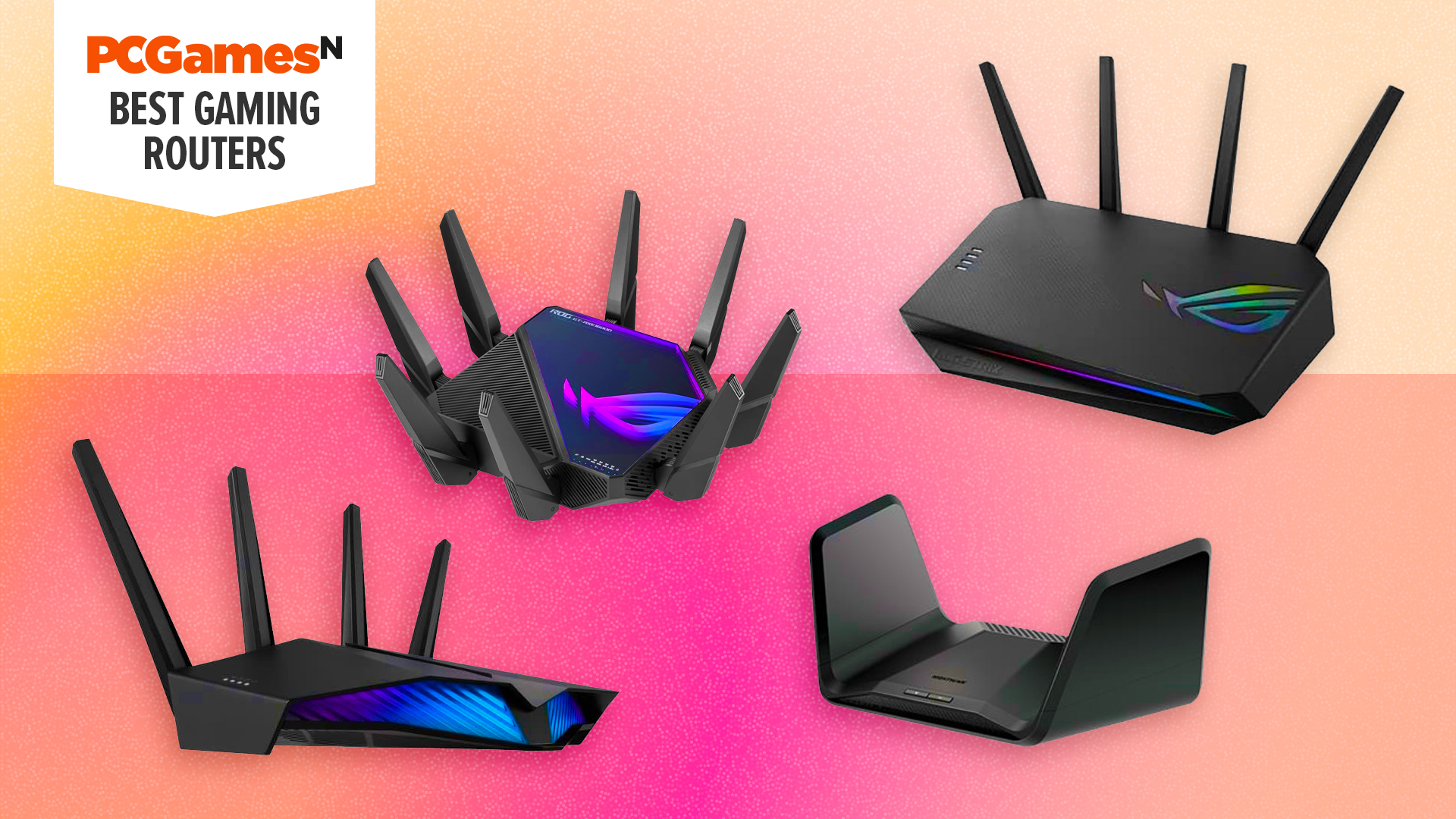
For more information on optimizing your router for gaming, check out some of our recommended router builds that are optimized for gaming. We've also compiled a list of the top-rated gaming routers to consider for your home gaming setup.
Key Takeaways
- Ensuring a smooth gaming experience requires optimizing your router settings.
- Configure QoS, bandwidth allocation, DNS settings, and port forwarding for a lag-free gaming experience.
- Regularly monitor and maintain your router's performance to prevent issues.
- Purchasing a dedicated gaming router or using an Ethernet cable can significantly improve gaming performance.
By implementing these steps and optimizing your router settings, you'll be well on your way to a seamless online gaming experience. Happy gaming!






/wireless-router-57ee8cea5f9b586c353f3e9f.jpg "How to Login to Your Wi-Fi Router - Airtel")