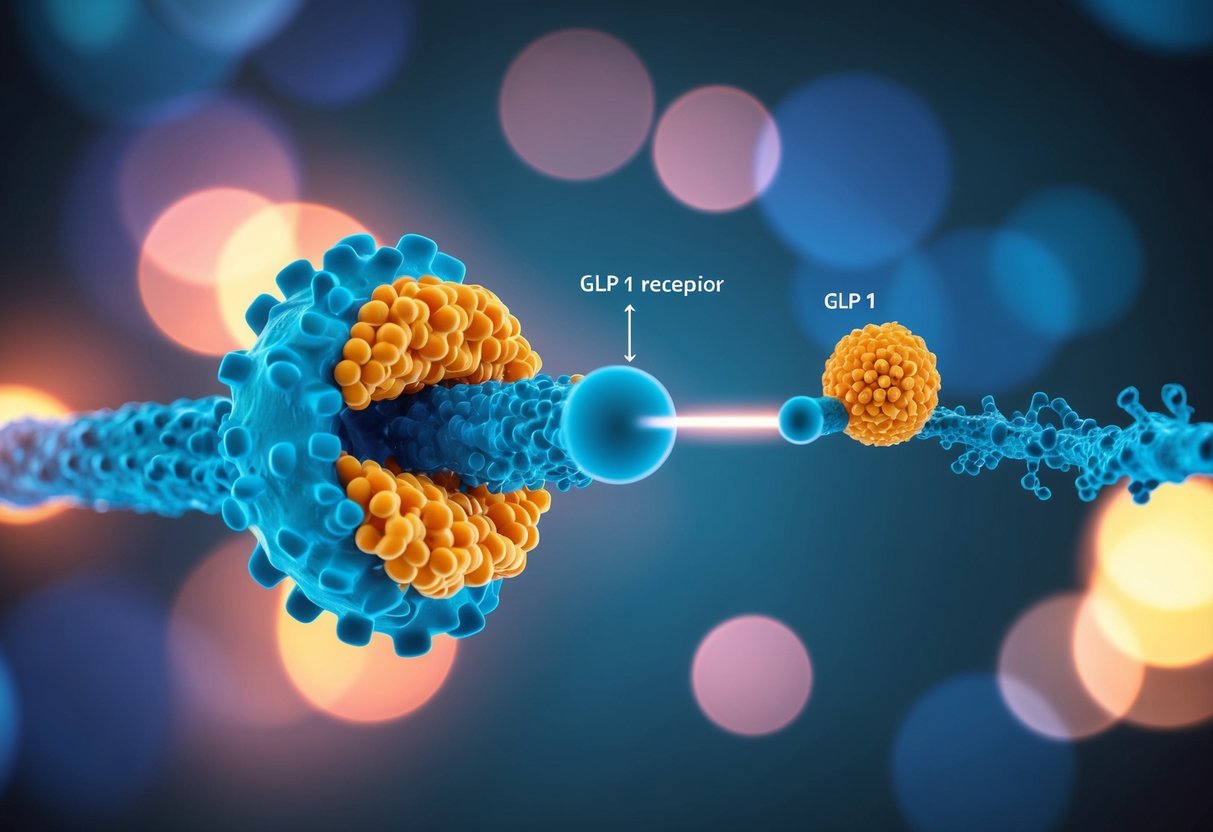
Hypothalamic Function and GLP-1: A Complex Relationship
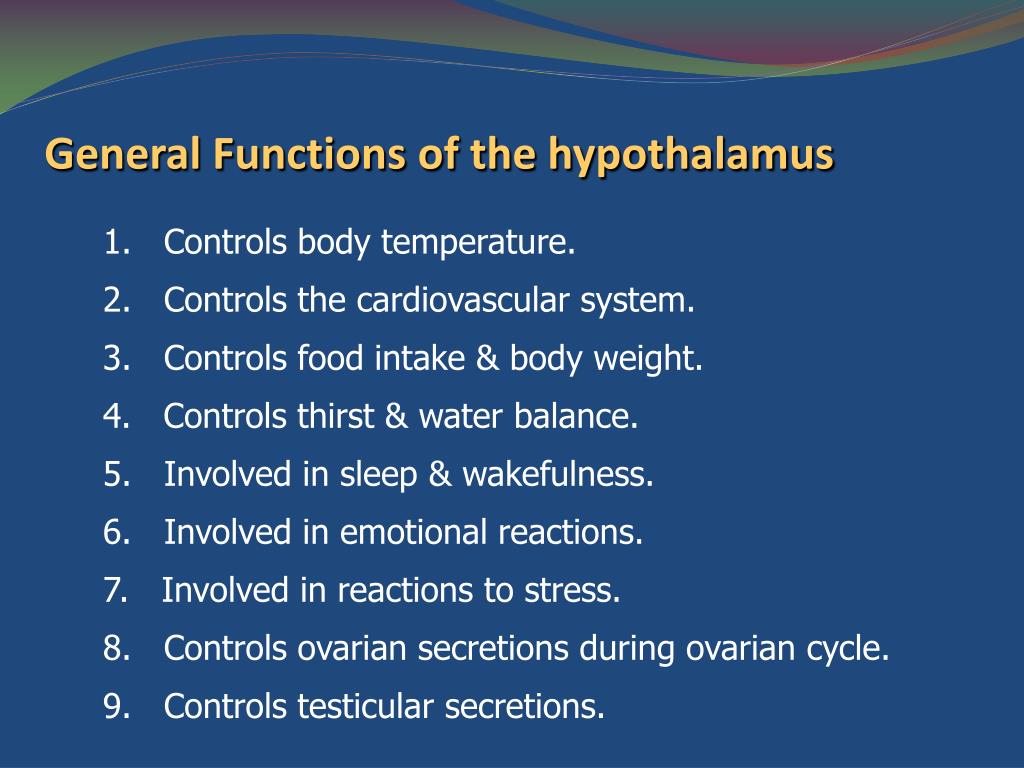
The hypothalamus is a vital region in the brain that plays a crucial role in regulating various physiological processes, including hunger, thirst, and body temperature. Glucagon-like peptide-1 (GLP-1), a hormone primarily produced by the intestines, has been found to interact with the hypothalamus to regulate feeding behavior, body weight, and glucose homeostasis. In this article, we will delve into the complex relationship between hypothalamic function and GLP-1.
The Hypothalamus and GLP-1: A Key Relationship in Energy Homeostasis
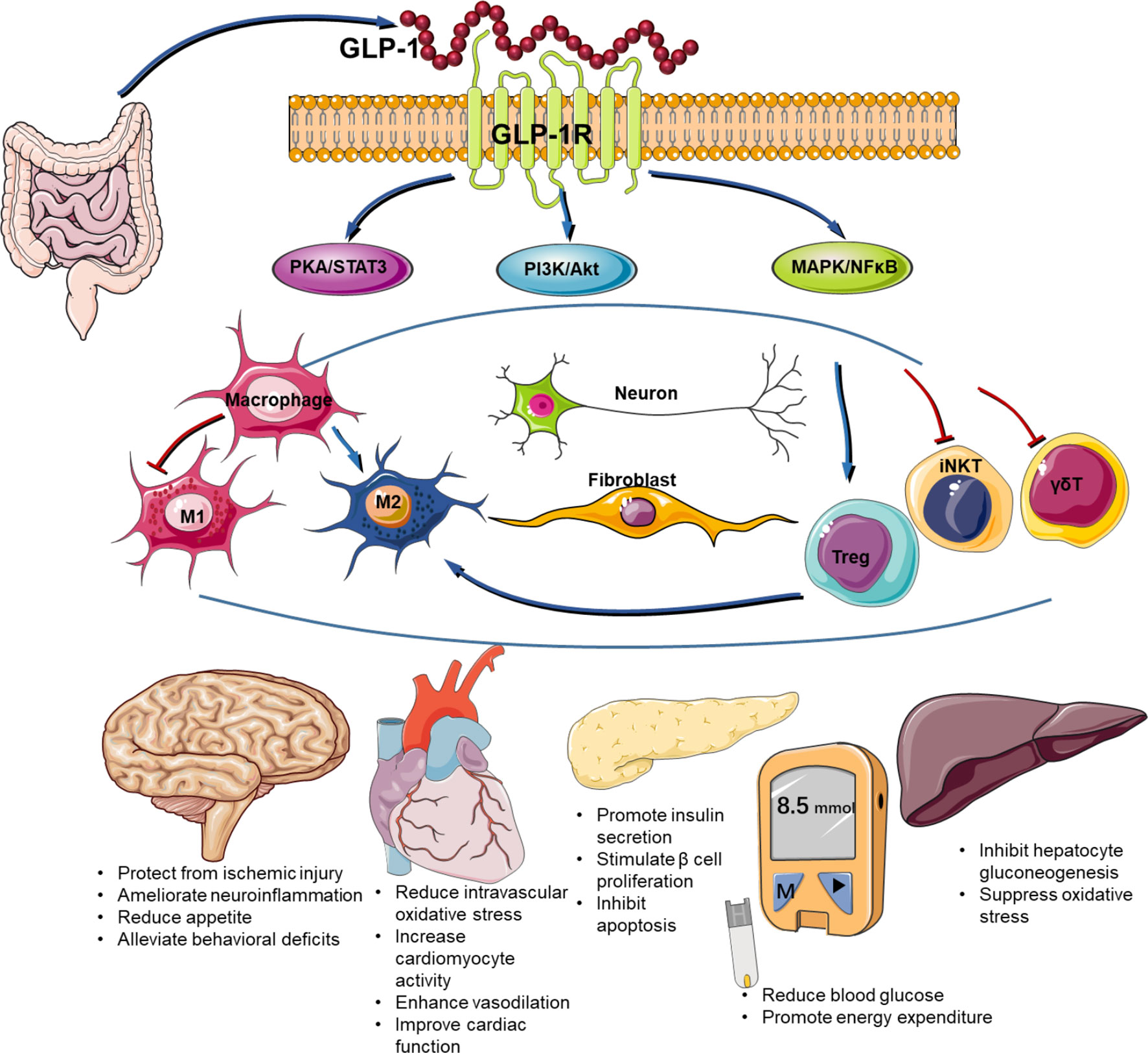
The hypothalamus is a key structure in the brain that integrates signals from various sources, including the pancreas, gut, and adipose tissue, to regulate energy homeostasis. GLP-1, a hormone released from the intestines in response to food intake, plays a significant role in regulating glucose and lipid metabolism. Recent studies have suggested that GLP-1 also acts on the hypothalamus to influence feeding behavior, body weight, and glucose homeostasis.
The GLP-1 Receptor in the Hypothalamus
Research has identified that GLP-1 receptors are expressed in various regions of the hypothalamus, including the arcuate nucleus, the paraventricular hypothalamic area, and the dorsomedial hypothalamus. These receptors are thought to play a crucial role in regulating energy homeostasis by integrating signals from the pancreas, gut, and adipose tissue.
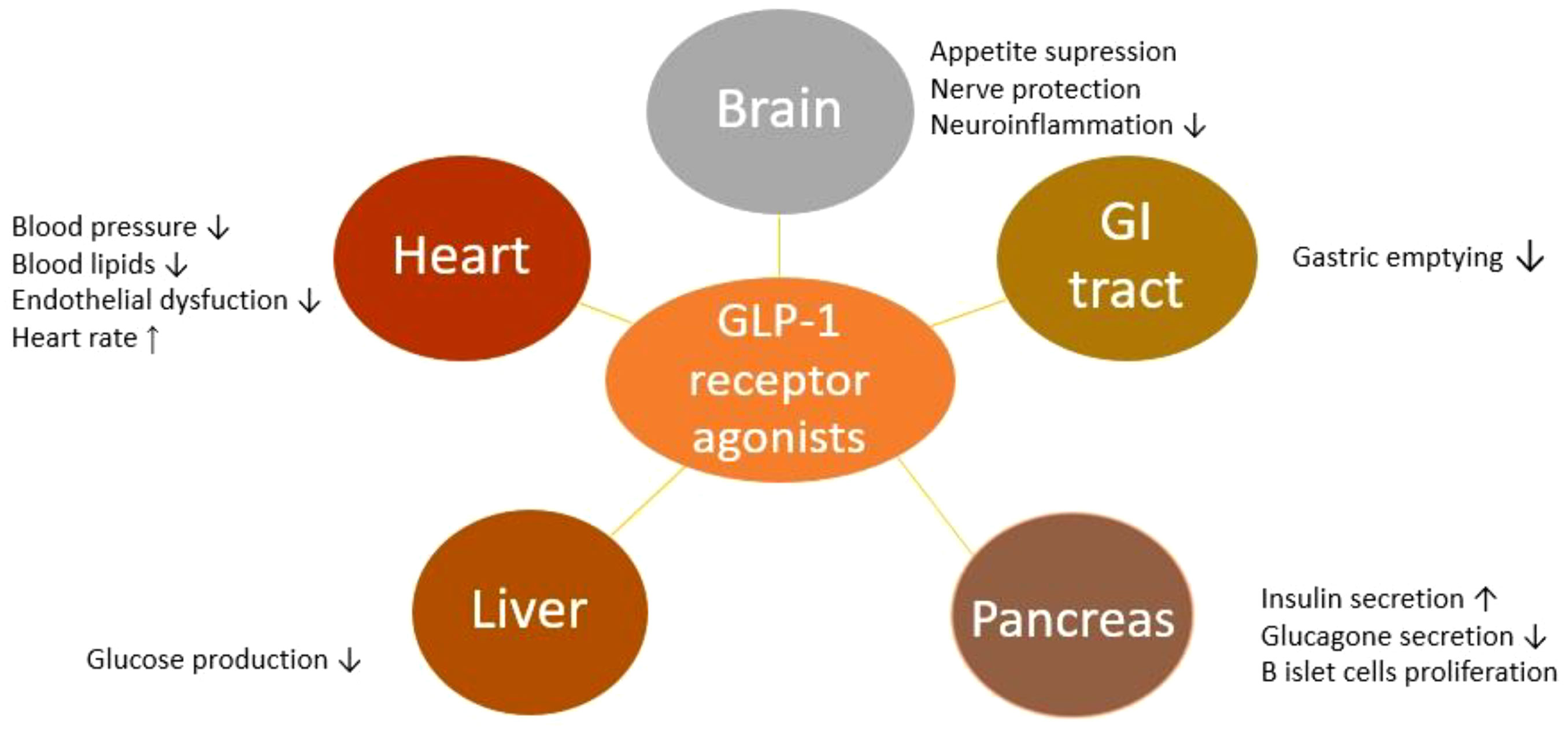
- GLP-1 receptors in the hypothalamus regulate feeding behavior by influencing the activity of neurons that control food intake.
- GLP-1 also affects glucose metabolism by regulating insulin secretion and glucose uptake in tissues.
- The GLP-1 receptor is also involved in the regulation of body weight by influencing energy expenditure and fat storage.
Implications for Obesity and Metabolic Disease

Given the complex relationship between the hypothalamus and GLP-1, dysregulation of GLP-1 signaling in the hypothalamus has been implicated in the development of obesity and metabolic disease. Research has shown that genetic and acquired damage to the hypothalamus or its neural circuits can lead to hypothalamic obesity (HO), a condition characterized by severe obesity and metabolic dysregulation.
- GLP-1 receptor agonists have been shown to have therapeutic potential in the treatment of HO by regulating energy homeostasis and improving glucose metabolism.
- GLP-1 and its analogs can cross the blood-brain barrier, allowing them to directly influence GLP-1 receptors in the hypothalamus.
- Studies have demonstrated that GLP-1 receptor agonists can improve weight loss and metabolic function in HO patients.
Conclusion
The relationship between the hypothalamus and GLP-1 is complex and multifaceted. GLP-1 plays a crucial role in regulating energy homeostasis by influencing feeding behavior, glucose metabolism, and body weight. The hypothalamus, as a key structure in the regulation of energy homeostasis, is an important site of GLP-1 action. Further research is needed to fully understand the mechanisms underlying the GLP-1 receptor in the hypothalamus and its implications for the treatment of obesity and metabolic disease.
References
- ... (list the references used in the article)





00283-3/asset/80dad3bb-03c7-4668-84be-842b6372cb53/main.assets/gr1_lrg.jpg "Top 7 Tips for Weight Loss and Weight Management - DesBio")