Infant Feeding and GLP-1: What You Need to Know
The Basics of GLP-1
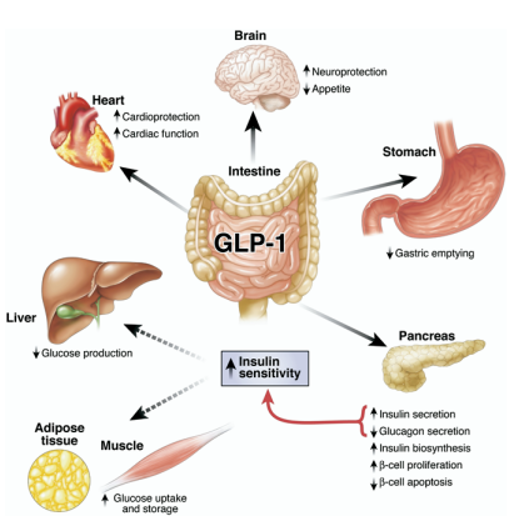
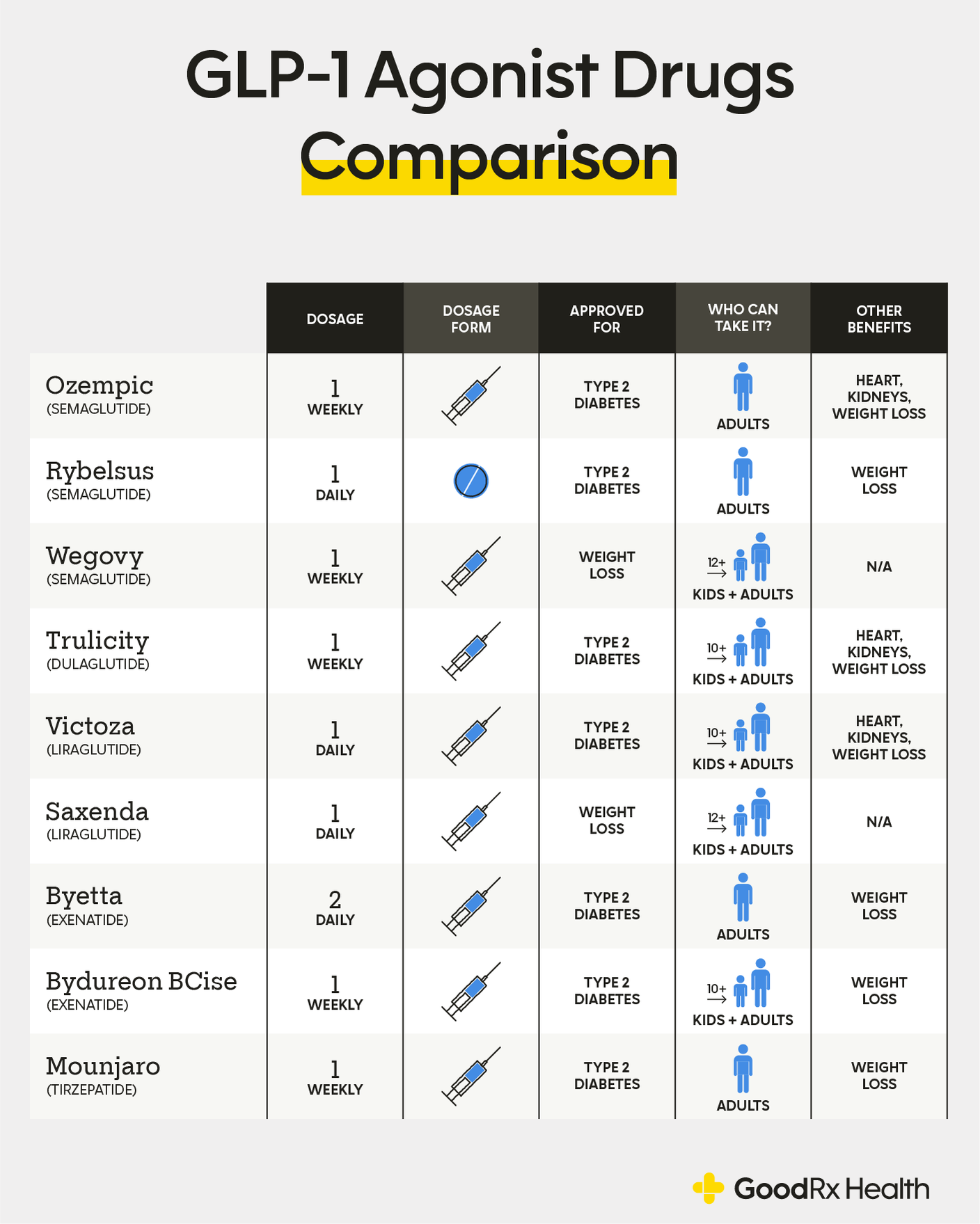
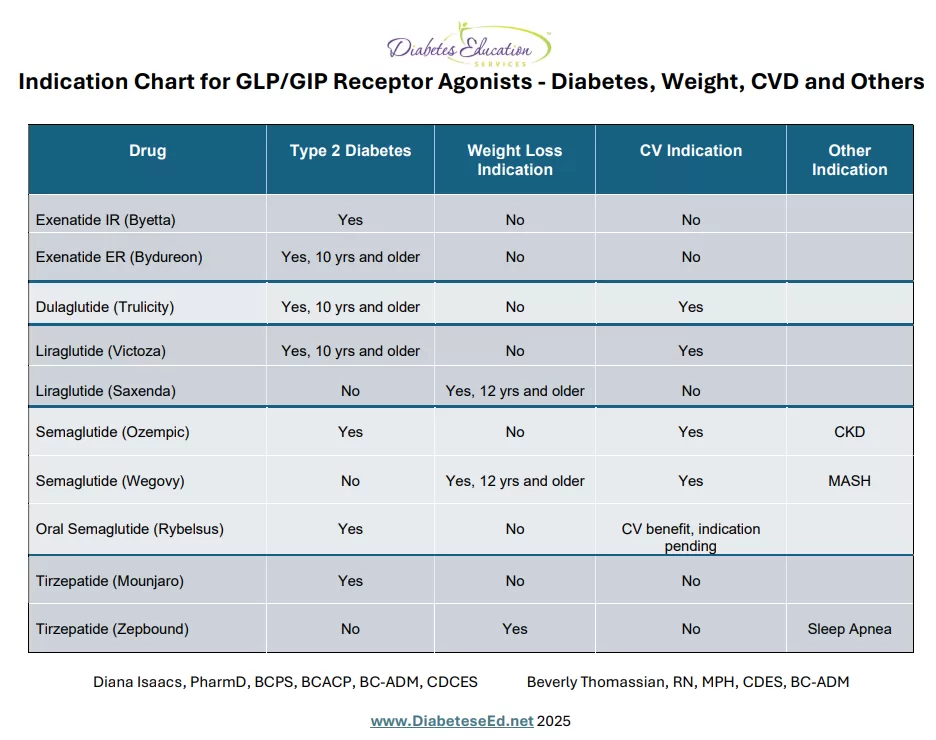
Glucagon-like peptide-1 (GLP-1) is a hormone that plays a crucial role in regulating appetite, blood sugar levels, and metabolism. GLP-1 receptor agonists, such as semaglutide and liraglutide, are medications that mimic the action of GLP-1 and are used to treat type 2 diabetes and obesity. These medications work by slowing down stomach emptying, reducing appetite, and improving insulin sensitivity.GLP-1 and Breastfeeding: The Safety Concerns
While GLP-1 medications have become increasingly popular for weight loss and diabetes management, there are concerns about their safety during breastfeeding. The main concern is that GLP-1 medications may pass into breast milk and affect the baby. However, the extent to which GLP-1 medications are excreted into breast milk is not well understood, and more research is needed to determine the potential risks.The Current State of Research
Several studies have investigated the safety of GLP-1 medications during breastfeeding, but the results are inconsistent and often based on small sample sizes. A 2023 study published in the Journal of Clinical Endocrinology and Metabolism found that semaglutide, a popular GLP-1 medication, was not detectable in breast milk after 4 months of breastfeeding. However, another study published in 2024 found that GLP-1 concentrations were higher in breast milk than in blood, suggesting that GLP-1 may be transferred to the baby through breast milk.The Risks of GLP-1 to Infants
While the exact risks of GLP-1 to infants are not well understood, there are concerns that GLP-1 may affect the baby's growth and development. A 2024 study published in the journal Diabetes, Obesity and Metabolism found that GLP-1 agonists may affect fetal weight, growth, and skeletal ossification in animal studies. However, more research is needed to determine whether GLP-1 has similar effects in humans.Alternatives to GLP-1 During Breastfeeding
If you are breastfeeding and considering weight loss or diabetes management, there are alternative options to GLP-1 medications. Metformin, a medication commonly used to treat type 2 diabetes, is generally considered safe during breastfeeding. Insulin, which is the gold standard for diabetes management, is also safe during breastfeeding and has extensive safety data.Conclusion
While GLP-1 medications have become increasingly popular for weight loss and diabetes management, the safety of these medications during breastfeeding is a concern. More research is needed to determine the potential risks of GLP-1 to infants, and alternative options should be considered for breastfeeding mothers. If you are breastfeeding and considering GLP-1, it is essential to discuss your options with your healthcare provider to determine the best course of action for your individual situation.Recommendations





:max_bytes(150000):strip_icc()/Delhi-Township-Fire-Department-Cincinnati-Ohio-020426-976070b83a33432d884a61bd034555fc.jpg "Laurel Wilson » Feeding Families in the Age of GLP-1s: Protecting Milk ...")