Leaky Piping System Repair And Replacement: Understanding the Importance and Methods
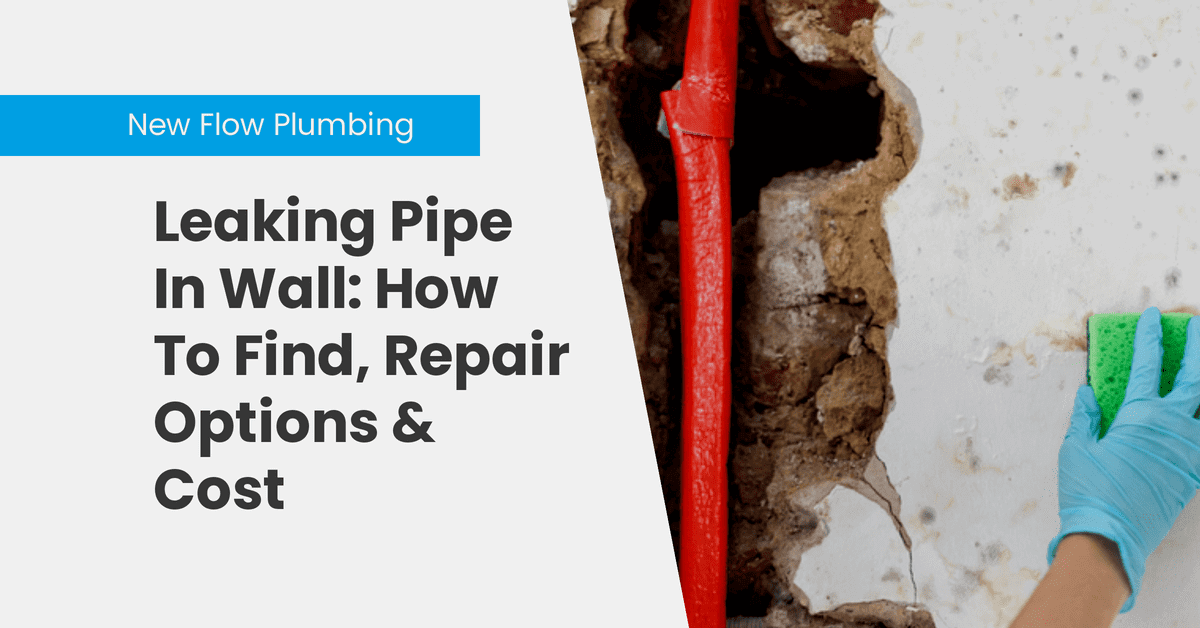
Leaks in a piping system can cause significant damage to a building's infrastructure, resulting in costly repairs and potential health hazards. A leaky piping system requires prompt attention to prevent further damage and ensure a safe living or working environment.
Identifying Leaks in a Piping System
Leaks can occur due to various reasons, including corrosion, wear and tear, or improper installation. Identifying leaks can be a challenging task, but it's essential to address the issue promptly. Here are some common signs of leaks in a piping system:
- Unexplained water damage or discoloration on walls, floors, or ceilings
- Increased water bills or pressure readings
- Sounds of dripping or running water, even when all faucets are turned off
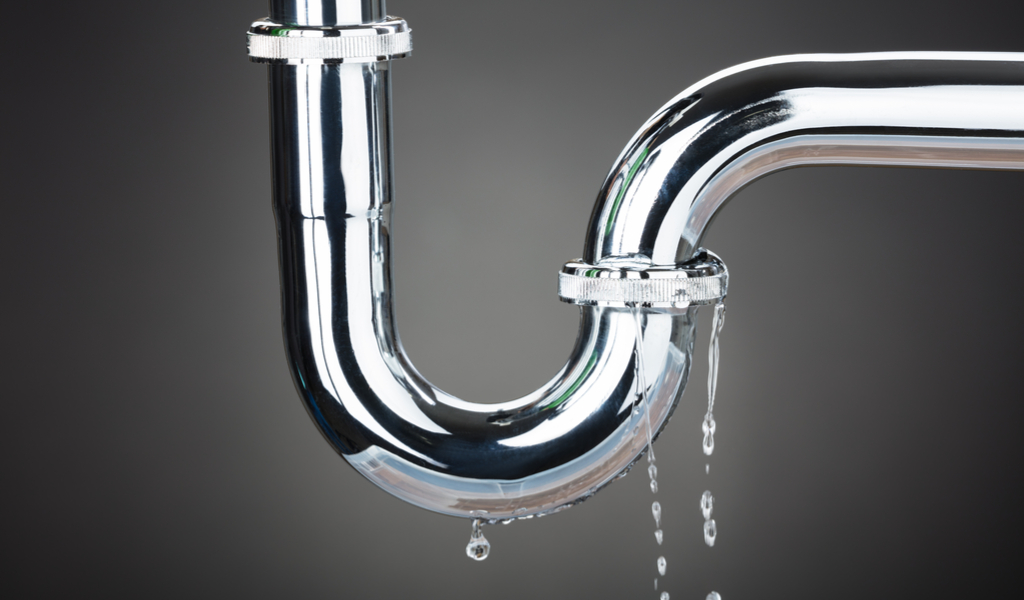
- Visible signs of leaks or moisture accumulation around pipes or fittings
Temporary vs. Permanent Repair
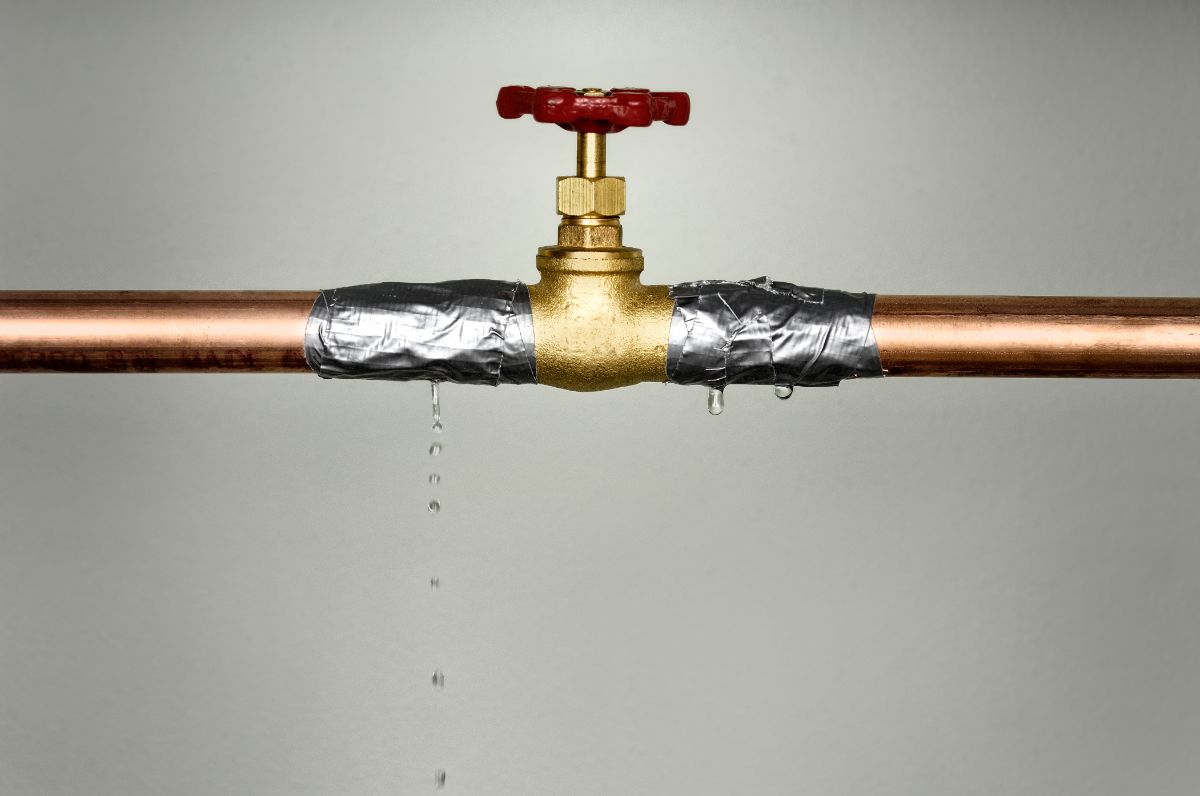
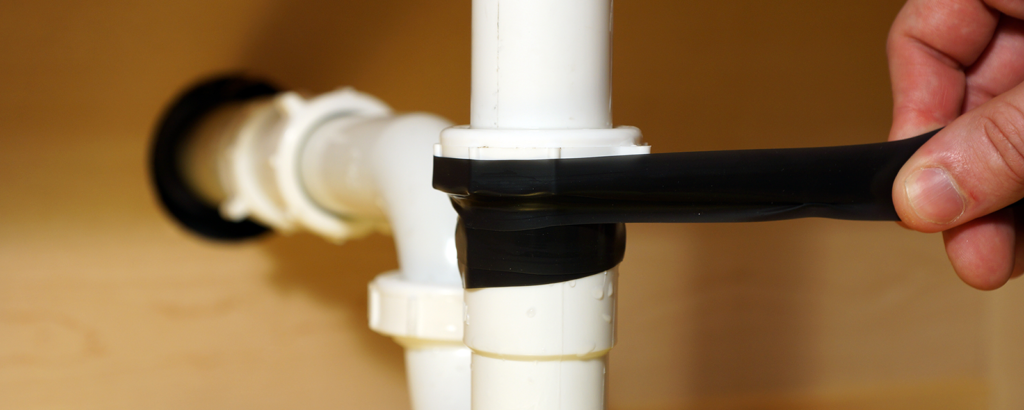
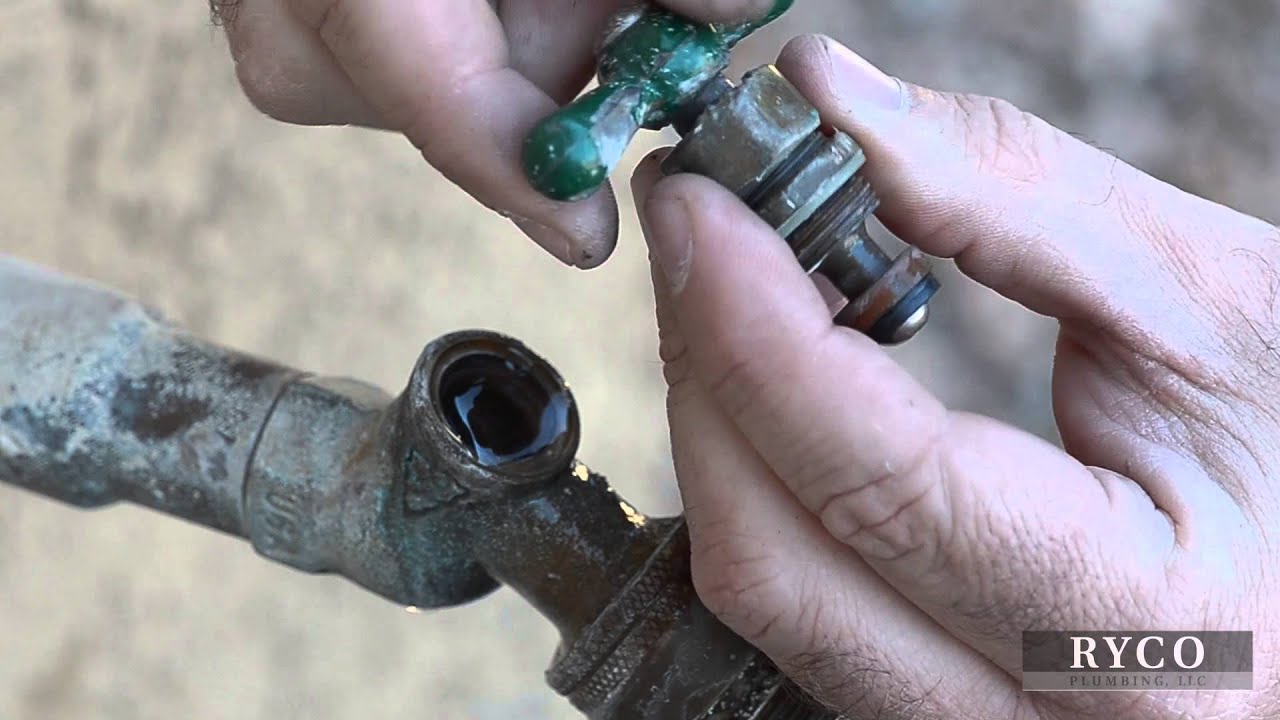
Depending on the severity and location of the leak, temporary repairs may be necessary to alleviate the situation until a permanent fix can be implemented. Temporary repairs can be done using DIY materials and tools, such as replacing a faulty washer or patching a hole in a pipe. However, it's essential to note that temporary repairs are only a stopgap measure and may not address the underlying issue.
Materials and Tools Needed for Repair
For permanent repairs, a range of materials and tools may be required, depending on the type of piping system, the location of the leak, and the specific repair method. Common materials and tools include:
- Flexible pipe repair kits or epoxy-based repair compounds
- Pipe wrenches or adjustable pliers for tightening or loosening fittings
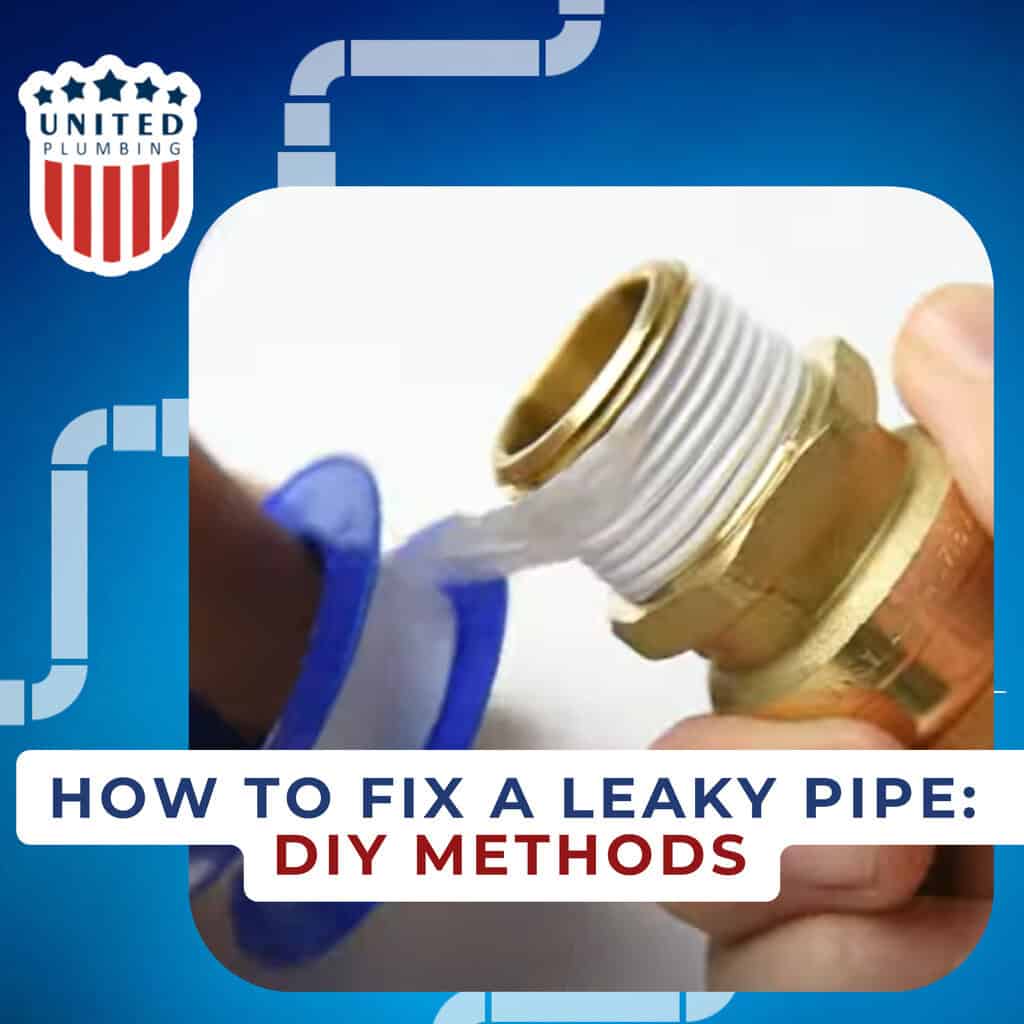
- Teflon tape or pipe dope for creating a watertight seal
- Drill bits or saws for cutting pipes or fittings
Removing and Replacing Fittings or Pipes

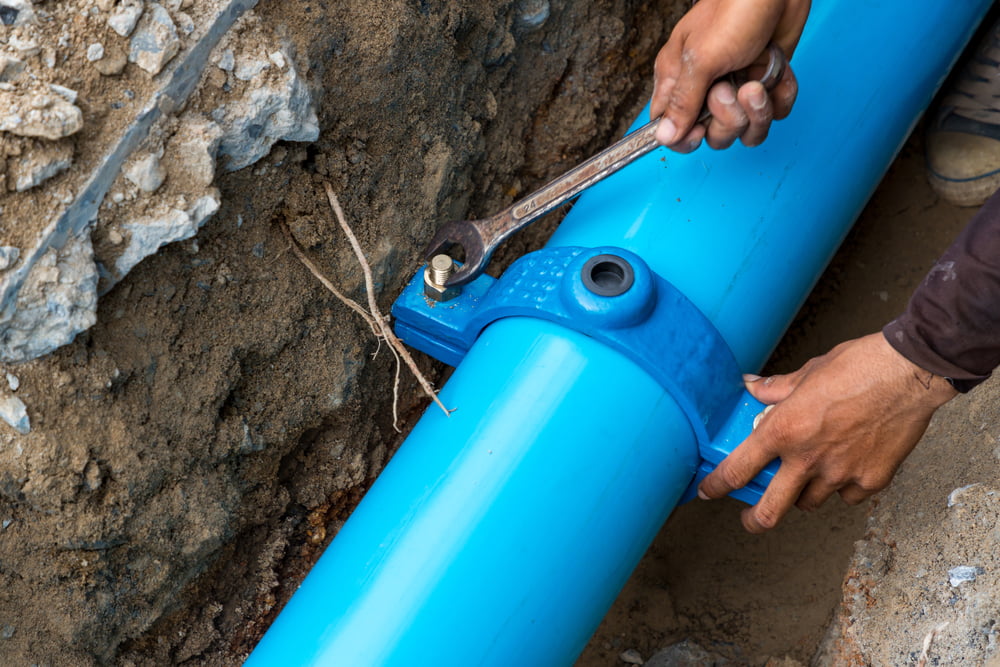
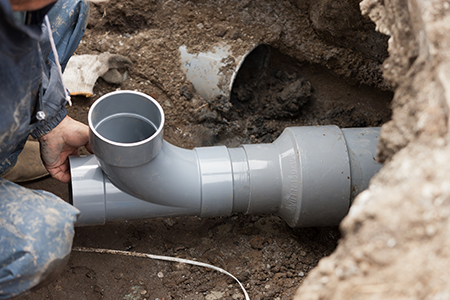
In some cases, it may be necessary to remove and replace fittings or pipes to repair a leak. This can be a more complex and involved process, requiring specialized tools and expertise. Here's a step-by-step guide to removing and replacing fittings or pipes:
- Shut off the water supply to the affected area
- Disconnect and drain the pipes
- Remove the faulty fitting or pipe
- Inspect and clean the area
- Install a new fitting or pipe
- Connect and test the repaired section
Leaky Piping System Replacement
In some cases, the cost and complexity of repairs may make it more cost-effective to replace the entire piping system. This can be a significant undertaking, requiring professional expertise and specialized tools. A piping system replacement may involve:
- Draining and disconnecting the existing pipes
- Removing and disposing of the old pipes and fittings
- Inspecting and preparing the area for new installation
- Installing new pipes and fittings
- Connecting and testing the new system
Preventing Leaks in a Piping System
Preventing leaks in a piping system is crucial to maintaining a safe and functional living or working environment. Here are some useful tips to prevent leaks:
- Regularly inspect and maintain pipes and fittings
- Address corrosion or wear and tear issues promptly
- Use high-quality materials and fittings for new installations
- Ensure proper pipe sizes and configurations
Conclusion
Leaky piping systems require prompt attention to prevent costly repairs, health hazards, and damage to the surrounding environment. Understanding the importance of leaky piping system repair and replacement, identifying leaks, and selecting the right materials and tools are essential. Temporary versus permanent repairs, removing and replacing fittings or pipes, and preventing leaks in a piping system are critical steps in maintaining a safe and functional plumbingsystem.