Mental Health and Stress Eating: Understanding the Connection
There has long been an interest in the effects of diet on mental health, and the interaction of the two with stress; however, the nature of these relationships is not well understood. Although associations between diet, obesity, and mental health have been reported, the specific mechanisms underlying these relationships are not well defined.
The Relationship Between Diet, Mental Health, and Stress
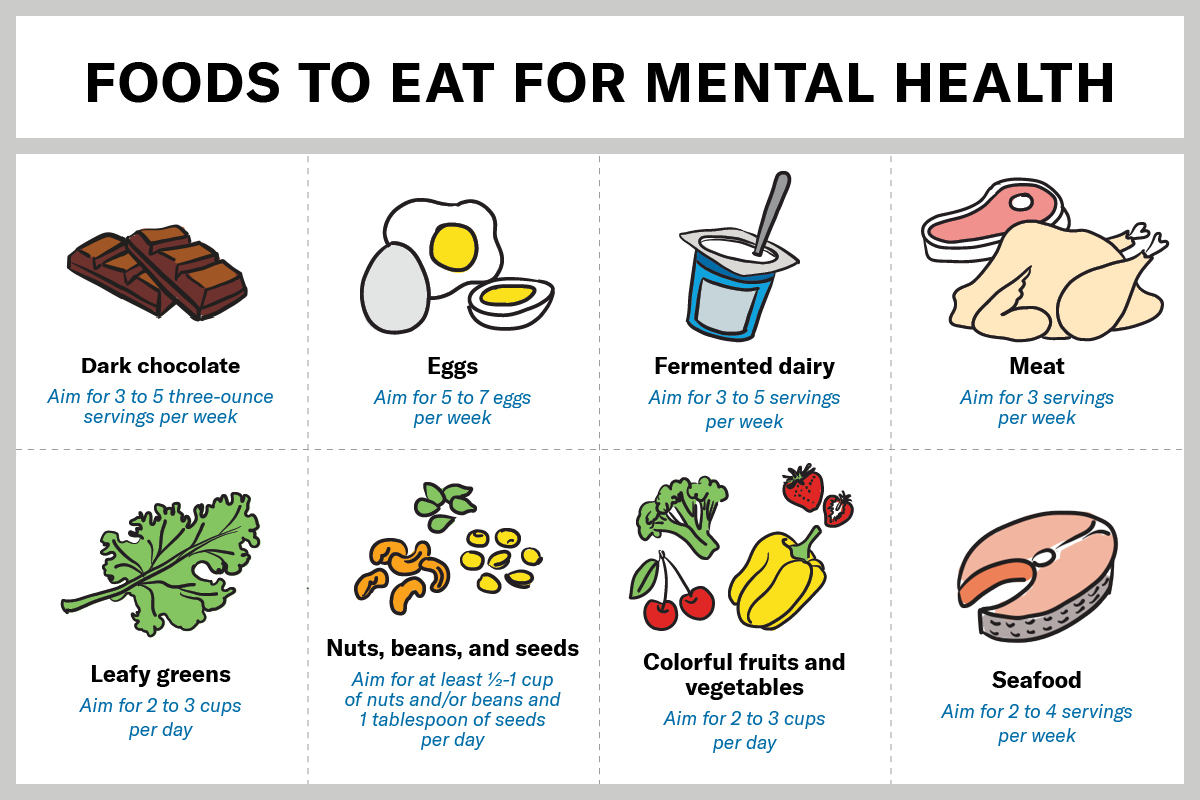
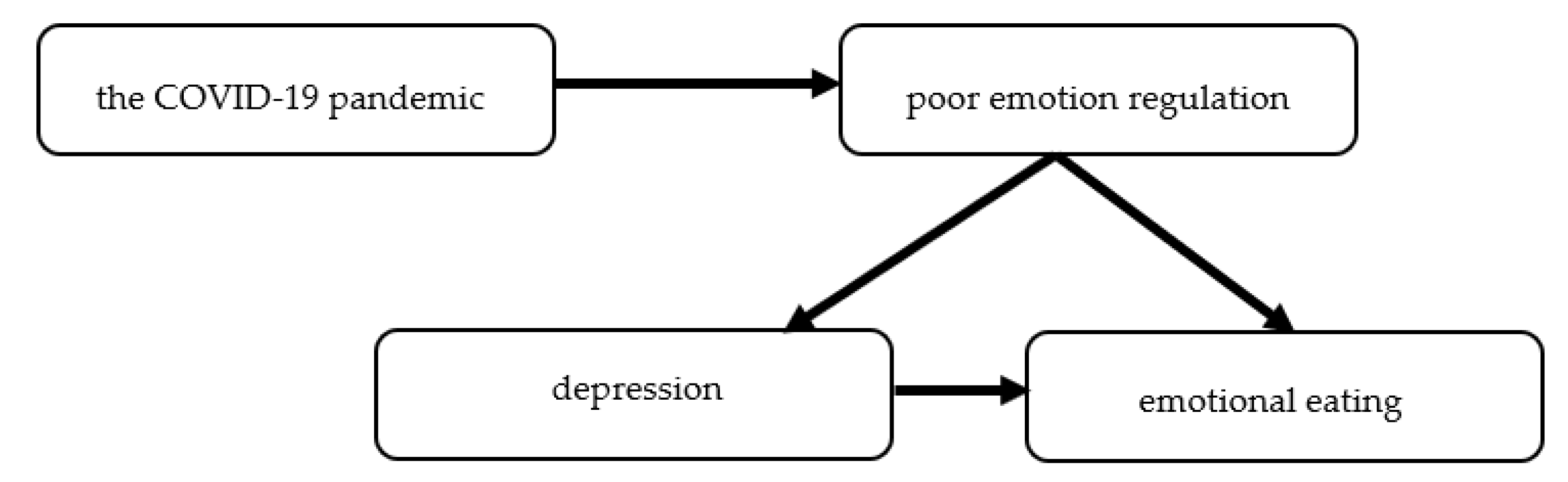
The relationship between diet, mental health, and stress is complex and bidirectional. On one hand, certain dietary patterns have been linked to improved mental health outcomes, such as reduced symptoms of anxiety and depression. On the other hand, mental health conditions can also affect dietary choices, leading to unhealthy eating behaviors and weight gain.
The Role of Stress in Mental Health and Eating
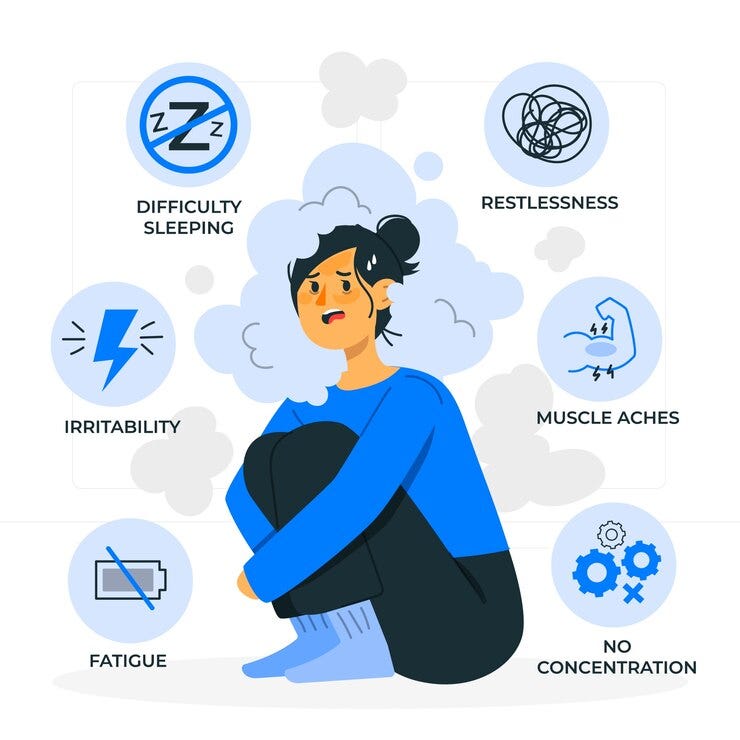
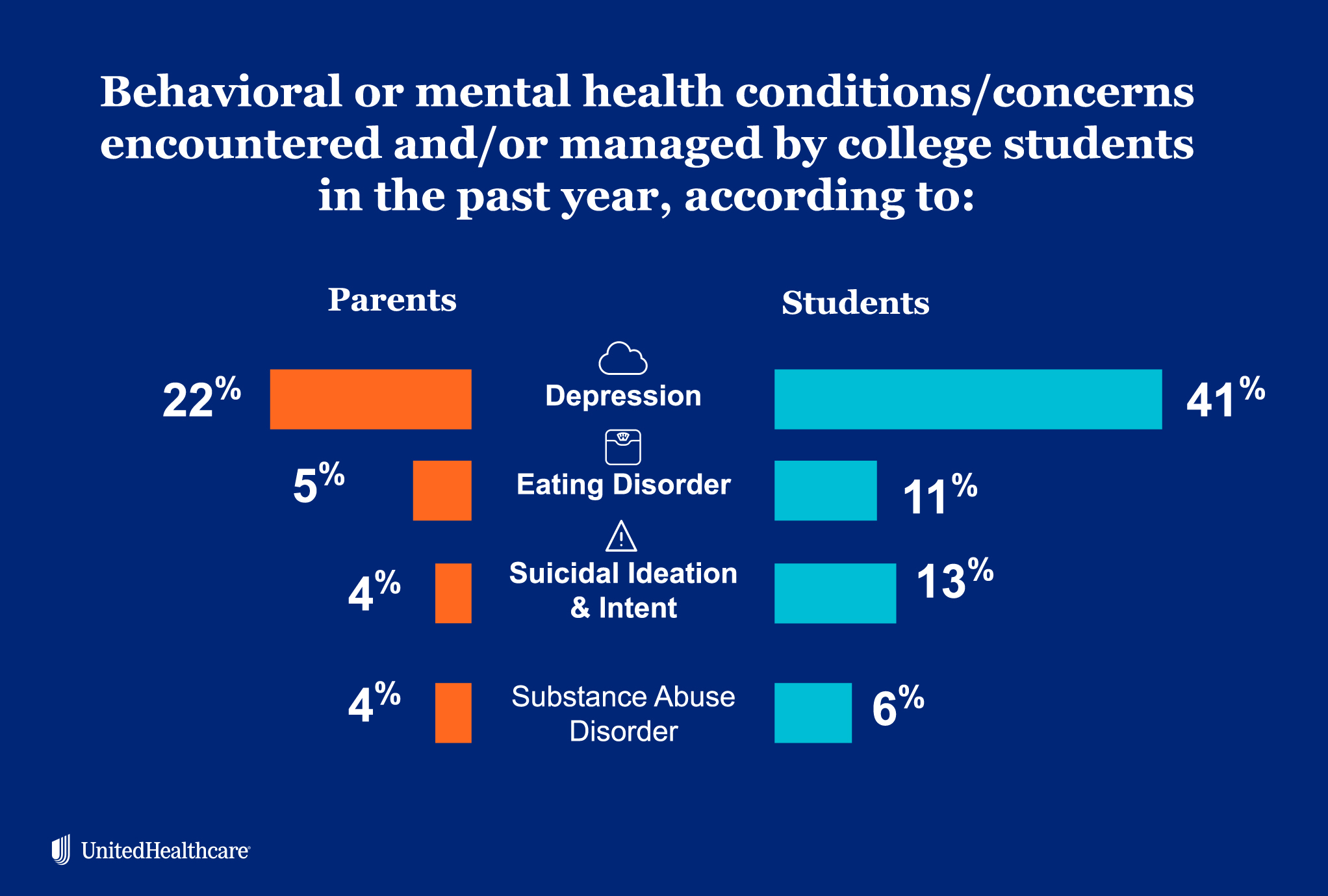
Stress is a significant contributor to mental health problems, including anxiety, depression, and eating disorders. When we experience stress, our body's "fight or flight" response is triggered, releasing hormones such as cortisol and adrenaline. These hormones can increase our appetite and cravings for comfort foods, leading to unhealthy eating behaviors.
Eating Mindfully: A Key to Reducing Stress and Improving Mental Health
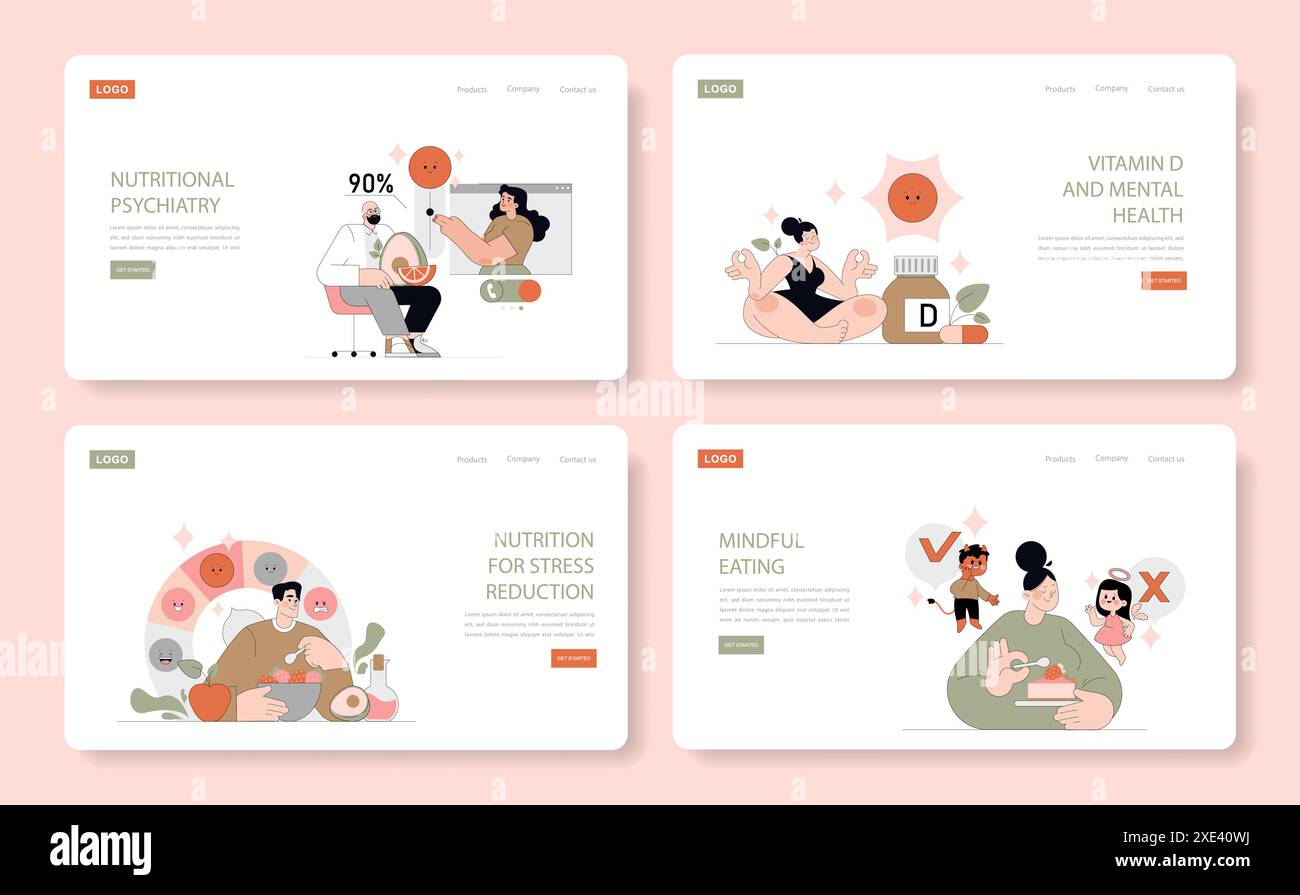
Eating mindfully, or paying attention to the sensations, smells, and flavors of food, can help reduce stress and improve mental health outcomes. By eating more mindfully, individuals can develop a healthier relationship with food and reduce the likelihood of overeating or making unhealthy food choices.
The Importance of Addressing Stress and Mental Health
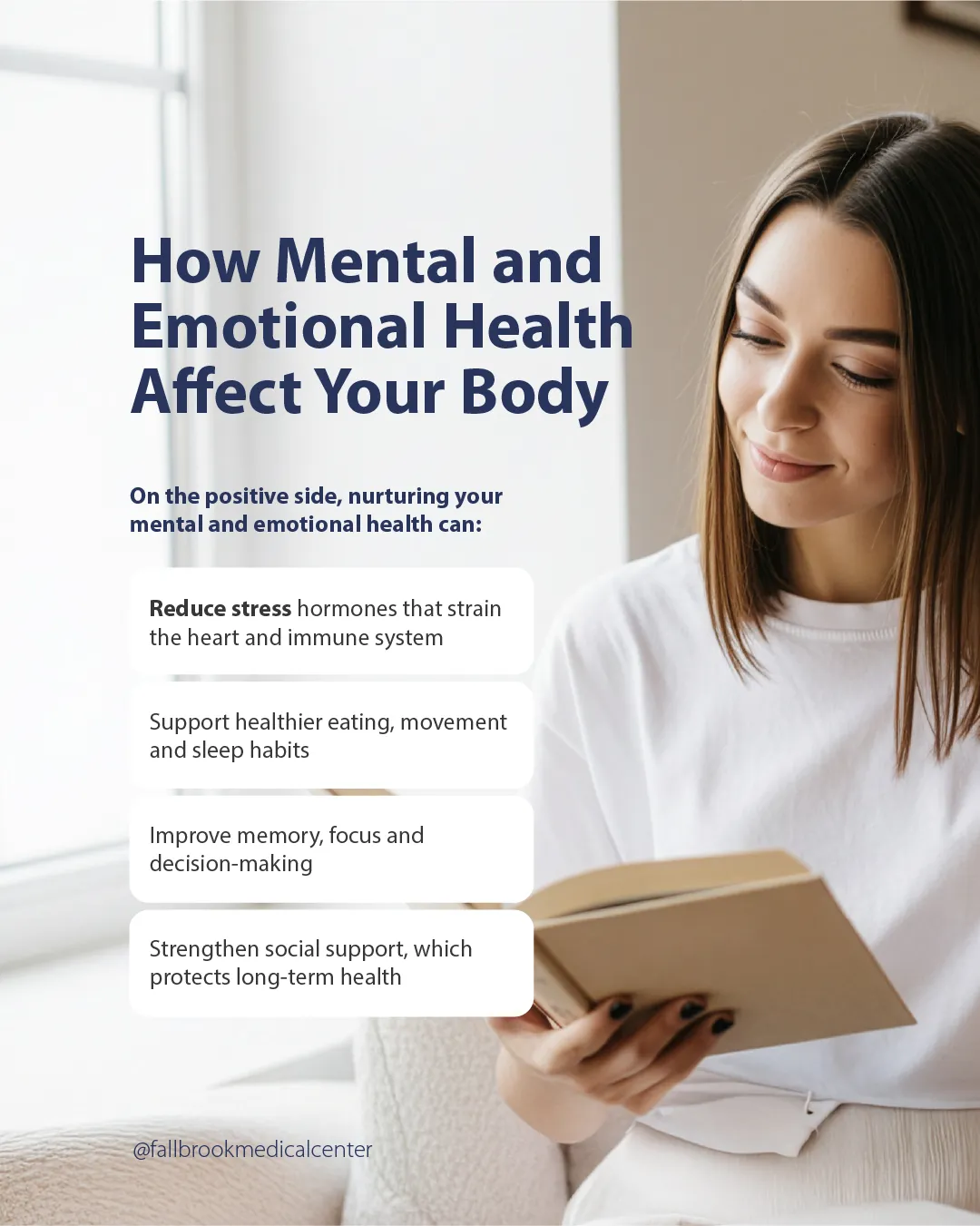
Chronic stress can have significant negative effects on both physical and mental health, including increased risk of obesity, diabetes, and cardiovascular disease. Therefore, addressing stress and mental health is crucial for maintaining overall health and well-being.
Natural Ways to Reduce Stress and Improve Mental Health
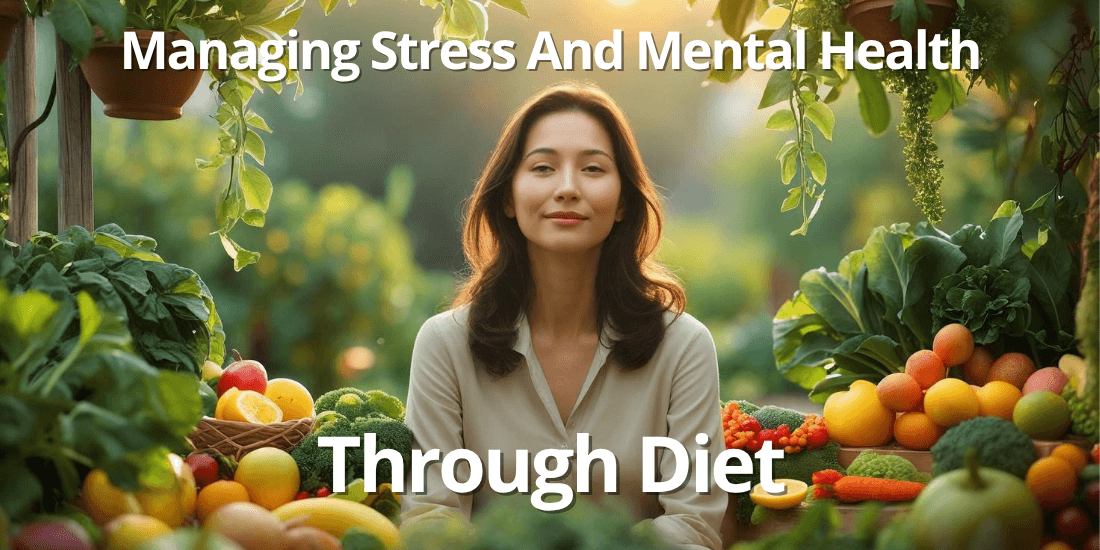
There are several natural ways to reduce stress and improve mental health, including exercise, meditation, and spending time in nature. Exercise, in particular, has been shown to have a positive impact on mental health, reducing symptoms of anxiety and depression and improving mood.
Seeking Professional Help for Mental Health Concerns
For individuals struggling with mental health concerns, including stress eating, seeking professional help is essential. Mental health professionals, such as therapists and counselors, can provide guidance and support to help individuals develop healthier coping mechanisms and improve their mental health outcomes.
Breaking the Cycle of Stress Eating
Breaking the cycle of stress eating requires a comprehensive approach that addresses both physical and mental health. By incorporating mindfulness practices, healthy eating habits, and stress-reducing activities, individuals can reduce their reliance on comfort foods and develop a healthier relationship with food.
Conclusion
The relationship between mental health, stress, and eating is complex and multifaceted. By understanding the underlying mechanisms and developing strategies to address stress and improve mental health, individuals can break the cycle of stress eating and develop a healthier relationship with food.
Resources
- The National Institute of Mental Health (NIMH) provides information on mental health disorders, treatments, and research.
- The American Psychological Association (APA) offers resources on stress management, mental health, and wellness.
- The Academy of Nutrition and Dietetics provides guidance on healthy eating habits and nutrition.
- Zencare offers a list of licensed therapists and mental health professionals who can provide guidance and support.