Understanding the Metal Roofing Installation Cost Structure
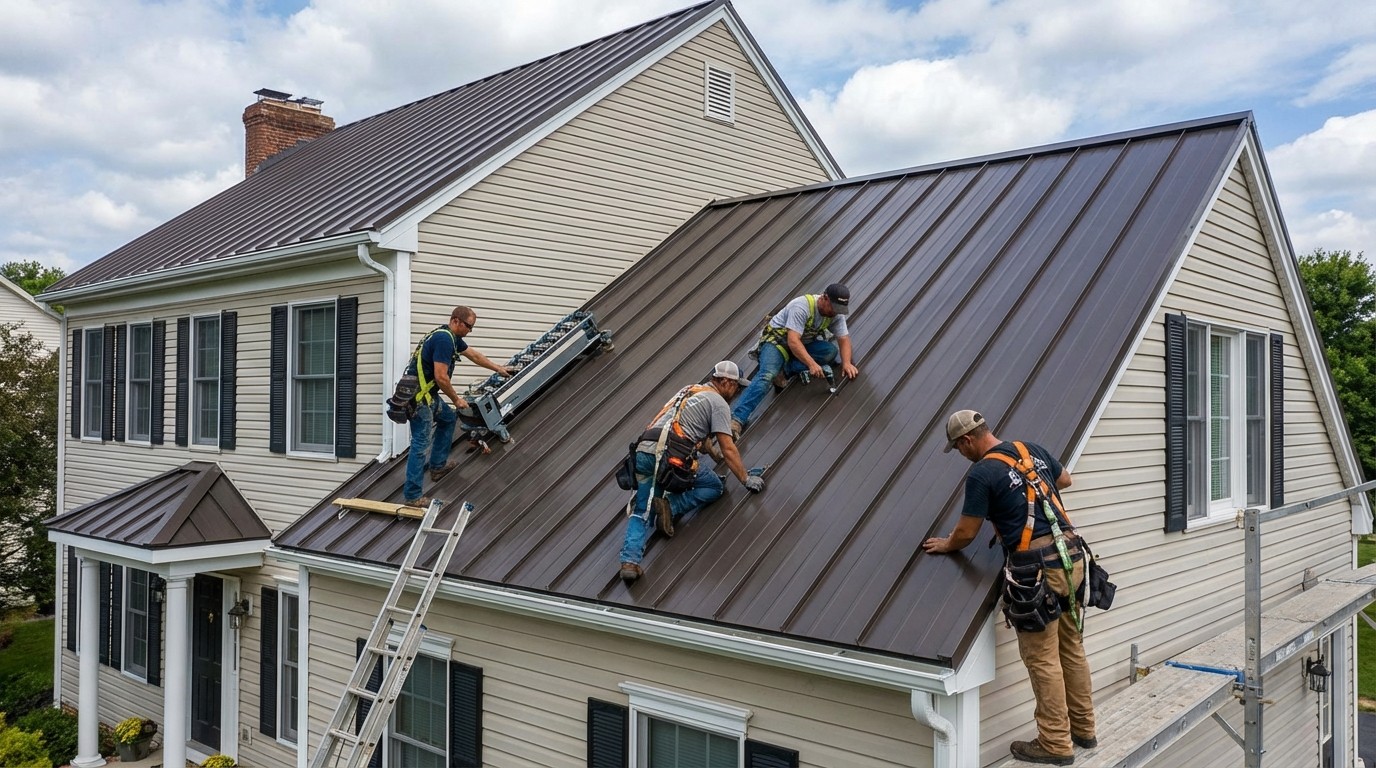
The process of installing a metal roof can be complex, and the cost is affected by a variety of factors. To make an informed decision, it's essential to comprehend the metal roofing installation cost structure and understand what goes into determining the total cost. In this article, we'll break down the key components that influence the price of installing a metal roof.
Factors Influencing Metal Roofing Installation Costs
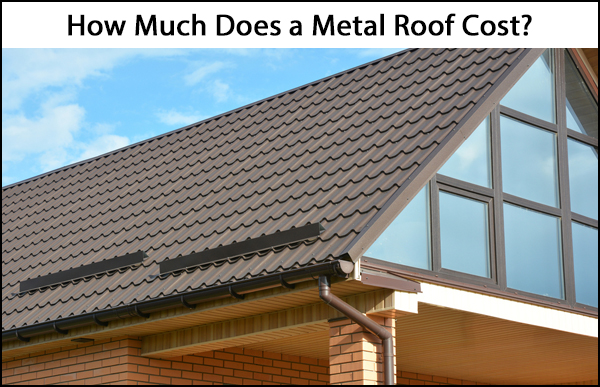
The cost of a metal roof installation can range from $3 to $30 per square foot, with an average of $11 per square foot, including materials and labor. However, this estimate may vary depending on the type of metal used, roof profile, and regional labor rates.
Material Costs
The type and quality of metal used in the roofing installation significantly impact the overall cost. Different materials have varying price points, with steel and aluminum being more affordable options, while copper and zinc are pricier. Here are some typical material prices:
- Steel Roofing: $3-$10 per square foot
- Aluminum Roofing: $5-$15 per square foot
- Copper Roofing: $20-$30 per square foot
- Zinc Roofing: $15-$25 per square foot
Roof Size and Complexity
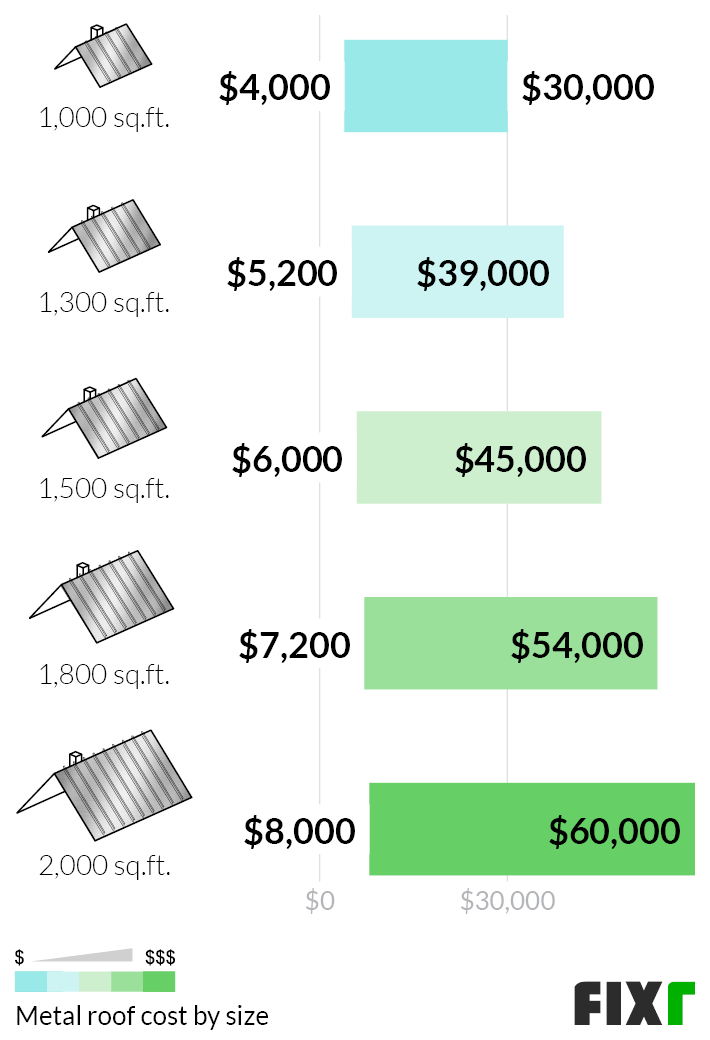
The size and complexity of the roof also play a significant role in determining the installation cost. Larger roofs and complex installations require more materials and labor, increasing the overall cost. For example, a 1,000-square-foot home might require 1,200 square feet of roofing materials due to slope and overhangs.
Regional Labor Rates and Location
Labor rates vary depending on the region, city, and even neighborhood. Contractors in urban areas tend to charge more than those in rural areas. Additionally, local building codes, permits, and regulations can influence labor costs.
Installation Method and Design
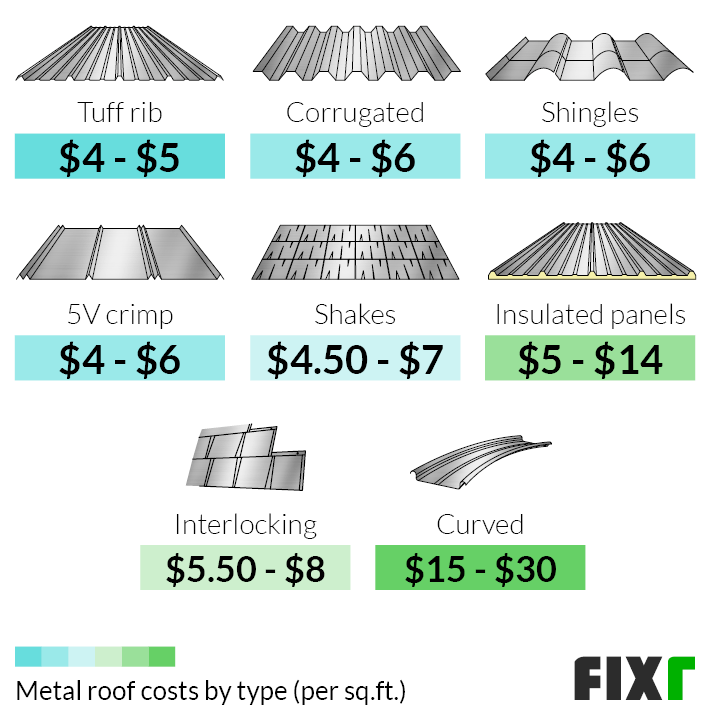
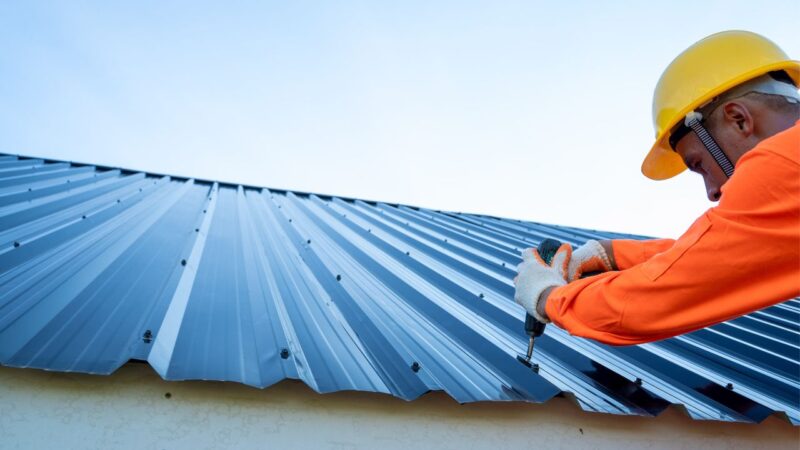
The installation method and design chosen can also impact the overall cost. Standing seam roofs, for instance, are considered more expensive due to the complexity of the installation process. Exposed fastener roofs, on the other hand, are generally less expensive.
Understanding the Metal Roofing Cost Structure
The metal roofing installation cost structure consists of several components, including:
Materials: 40-60% of the Total Cost
Materials make up the largest portion of the overall cost, ranging from 40% to 60% of the total. This includes the cost of the metal sheets, underlayment, flashing, and other necessary components.
Labor: 30-50% of the Total Cost
Labor costs account for 30% to 50% of the total cost, which includes the cost of hiring a professional roofing contractor and their team to install the metal roof.
Permits, Inspections, and Regulatory Fees: 5-10% of the Total Cost
Permits, inspections, and regulatory fees can range from 5% to 10% of the total cost, depending on the location and local regulations.
Conclusion
Understanding the metal roofing installation cost structure is crucial for homeowners to make informed decisions. By considering the various factors that influence the price, you can budget effectively and choose the right materials and installation method for your needs. As you navigate the process, remember that a metal roof is a long-term investment that offers exceptional durability and value.

![How Much Does a Metal Roof Cost? [2026 Data] - Fixr.com](https://leverageroofing.com/wp-content/uploads/2025/06/metal-roof-installation-costs.png "How Much Does a Metal Roof Cost? [2026 Data] - Fixr.com")