Troubleshooting G Wireless Network Connection Issues
Are you experiencing issues with your G wireless network connection? Whether you're trying to access email, browse the web, or stream music, a weak or unstable connection can be frustrating. Fortunately, most connectivity issues can be resolved with simple troubleshooting steps. In this guide, we'll explore a range of solutions to help you fix Wi-Fi problems in Windows, providing clear and detailed instructions for effective troubleshooting.Identifying the Source of the Issue
Before we dive into troubleshooting, it's essential to determine the source of the problem. Is it caused by the device, the Internet equipment (modem/Internet cable/wireless share device), or the Internet service provider? This will help you narrow down the possible causes and guide your troubleshooting efforts.Basic Troubleshooting Steps
Here are some basic troubleshooting steps to help you resolve common Wi-Fi issues:- Restart your router: This is often the simplest and most effective solution to resolve connectivity issues. Unplug the power cord, wait for 30 seconds, and then plug it back in.
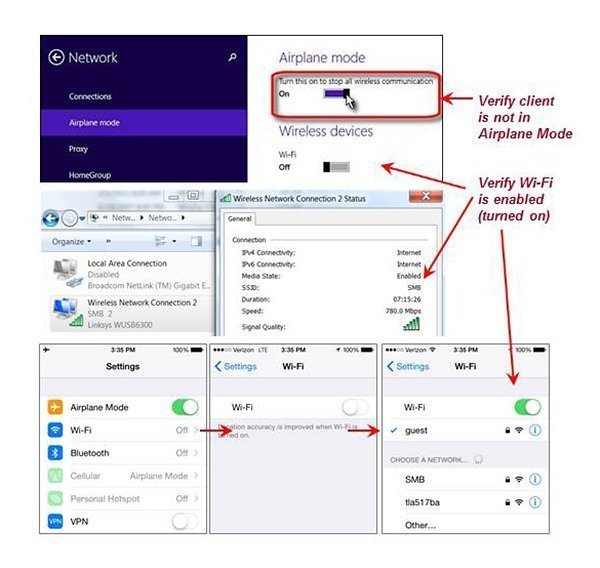
- Check your network settings: Ensure that your device is connected to the correct network and that the network settings are configured correctly.
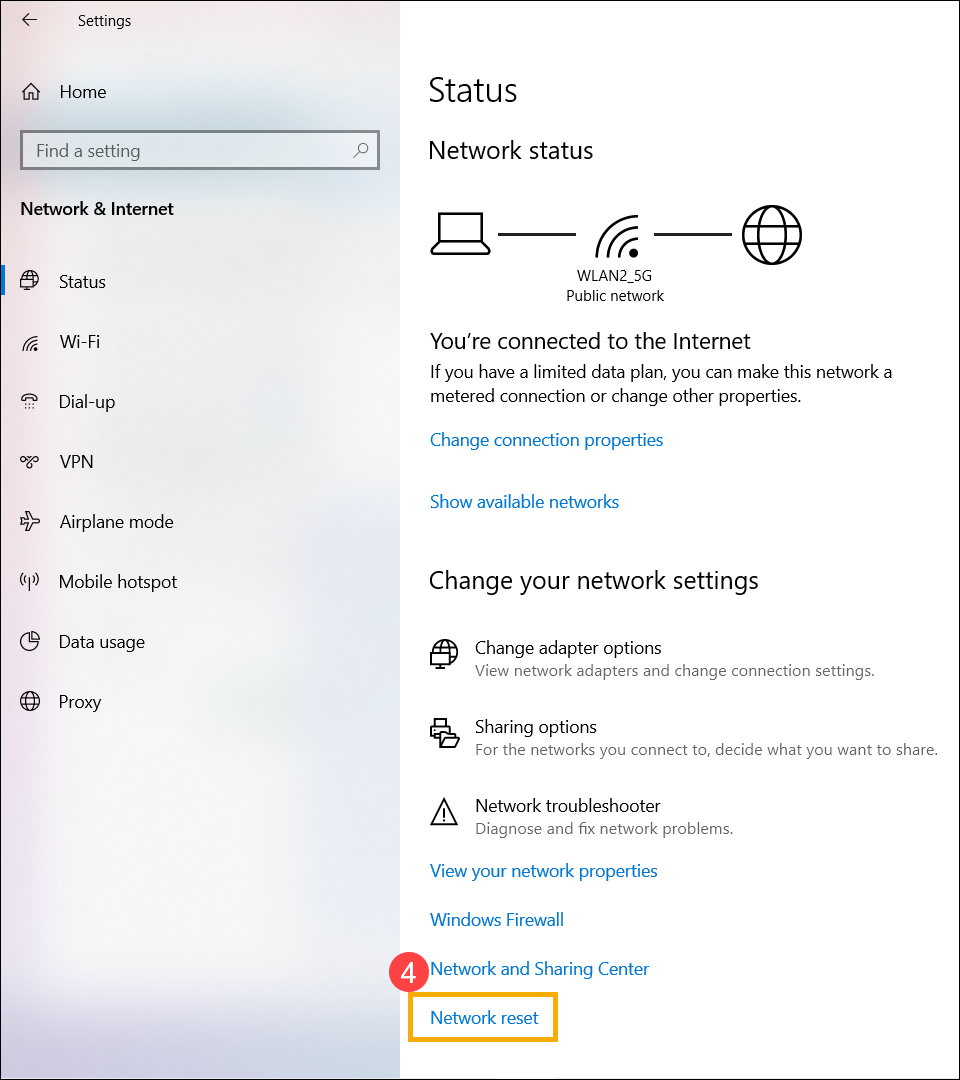
- Reset your network adapter: If you're using a Windows device, you can reset your network adapter to its default settings. This may resolve issues caused by misconfigured network settings.
- Check for firmware updates: Ensure that your router's firmware is up-to-date, as outdated firmware can cause connectivity issues.
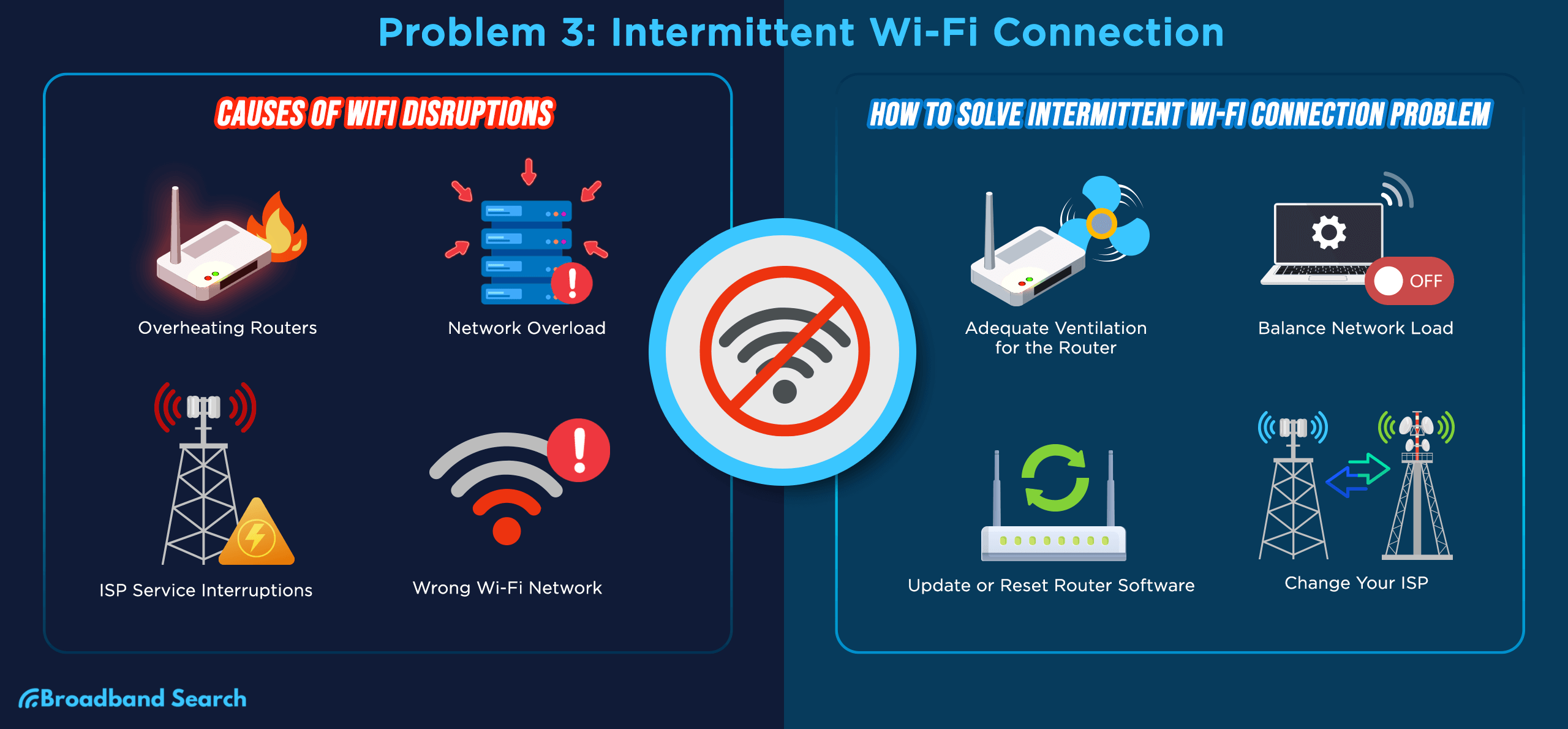
- Move closer to the router: Physical obstructions or distance can affect Wi-Fi signal strength. Try moving closer to the router to see if the issue is resolved.
Advanced Troubleshooting Steps
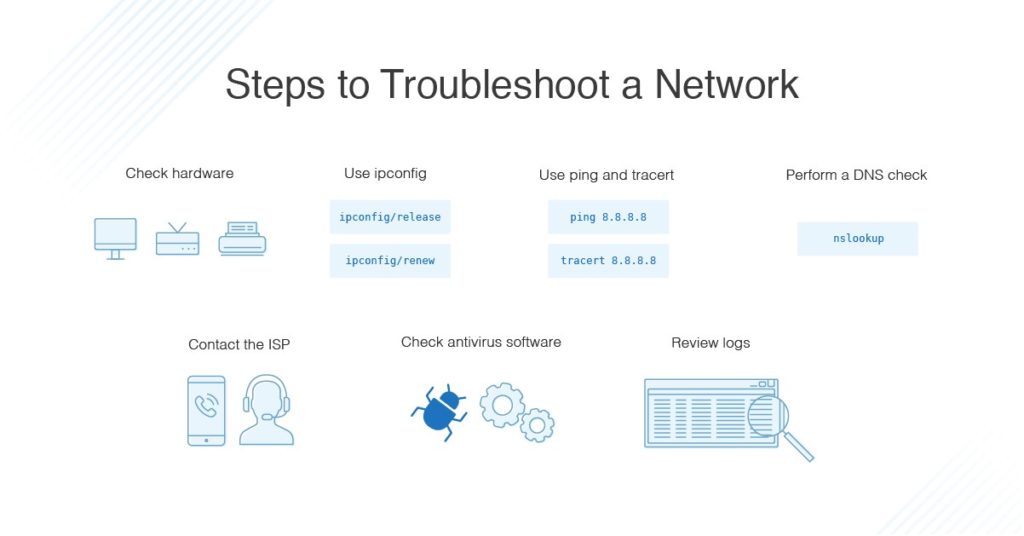
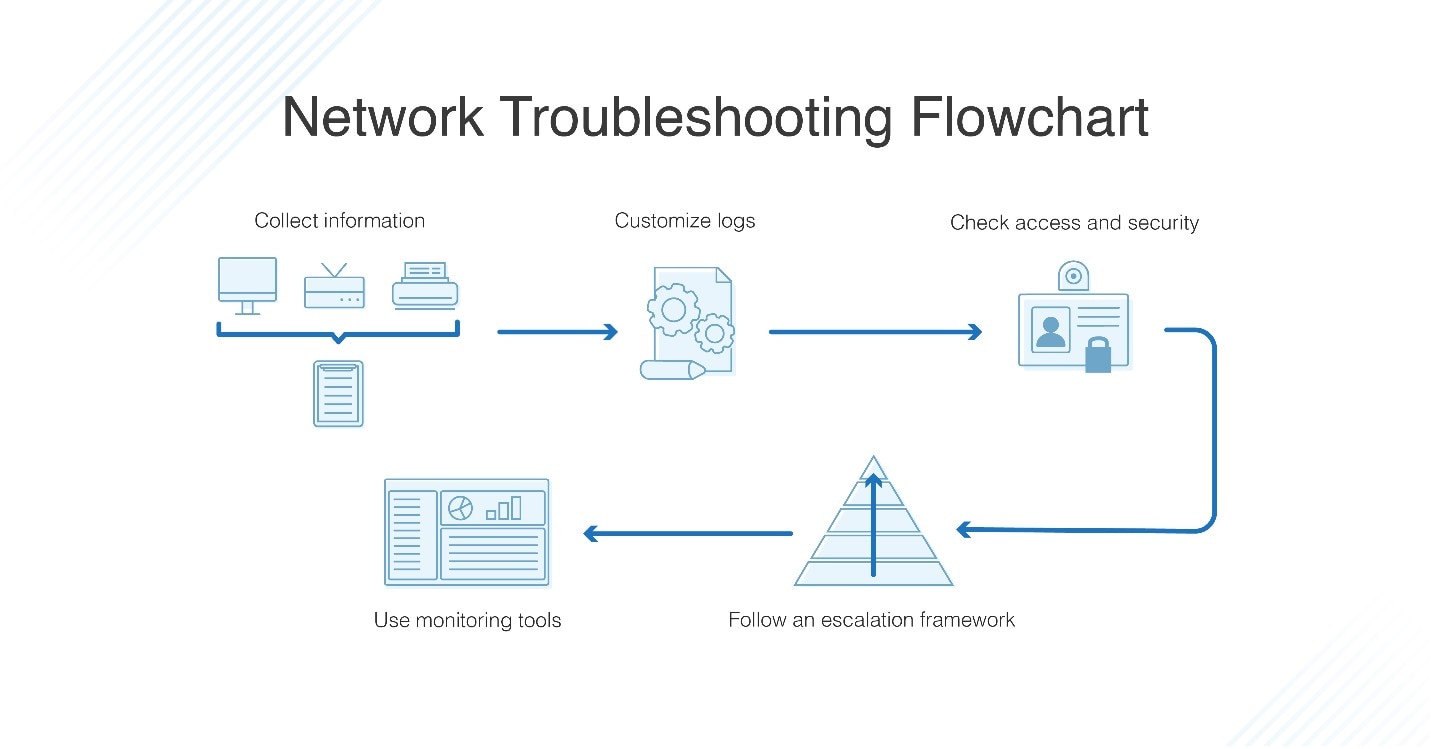
- Running a network diagnostic test: This can help identify the source of the issue and provide recommendations for resolving it.
- Checking for interference: Other devices on your network or neighboring networks can cause interference with your Wi-Fi signal. Try moving devices that may be causing interference or changing the channel on your router.
- Resetting your router to its factory settings: If you're experiencing persistent connectivity issues, it may be worth resetting your router to its factory settings. This will erase all custom settings, so be sure to write down your current settings before doing so.
- Upgrading your router: If you're using an older router, it may be worth considering upgrading to a newer model with improved Wi-Fi capabilities.
Common Causes of Connectivity Issues
Some common causes of connectivity issues include:- Weak Wi-Fi signal: Physical obstructions or distance can affect Wi-Fi signal strength.
- Incorrect device setup: Misconfigured network settings or incorrect device setup can cause connectivity issues.
- Interference from other electronic devices: Other devices on your network or neighboring networks can cause interference with your Wi-Fi signal.
- Internet service provider issues: Outages or slow speeds caused by your Internet service provider can affect your Wi-Fi connection.

![[Windows 11/10] Troubleshooting - Wireless Network (Wi-Fi) Issues](https://www.techtarget.com/rms/onlineimages/networking-unraveling_wireless_mobile.png "[Windows 11/10] Troubleshooting - Wireless Network (Wi-Fi) Issues")