Posture Correction for Back Pain: A Comprehensive Guide
Bad posture is a common culprit behind chronic back pain, affecting millions of people worldwide. However, the good news is that with simple exercises and lifestyle changes, you can improve your posture and manage back pain effectively. In this article, we will explore the importance of good posture, the consequences of poor posture, and provide actionable tips to correct your posture and alleviate back pain.
The Importance of Good Posture
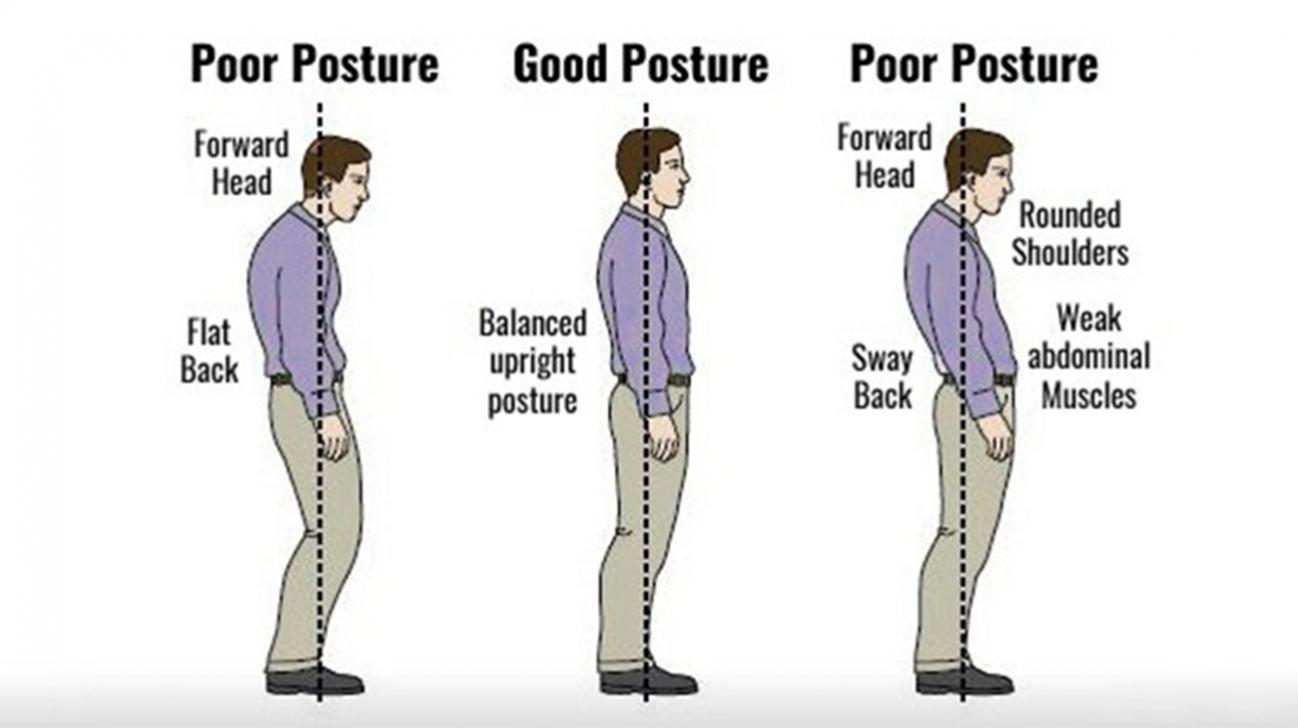
Proper posture is the way you hold your body while standing, sitting, or performing tasks like lifting, bending, pulling, or reaching. If your posture is good, the bones of the spine – the vertebrae – are correctly aligned. This alignment allows for efficient movement, reduces muscle fatigue, and promotes a healthy spine. Good posture can even reduce the risk of developing back pain, improve breathing, and boost energy levels.
The Consequences of Poor Posture
- Bad posture affects blood pressure, breathing, metabolism, digestion, mood, energy levels, and chronic pain.
- It can lead to muscle strain, joint pain, and discomfort in the neck, back, and shoulders.
- Poor posture can cause long-term damage to the spine, including sciatica, bone spurs, and even curvature of the spine (kyphosis).
Posture Correction for Back Pain: Exercises and Tips
Fortunately, there are simple exercises and lifestyle changes that can help correct your posture and alleviate back pain. Here are some exercises and tips to get you started:
Whole Body Posture Exercises
- Stand against a wall and shift until your head, shoulder blades, hips, and back of your legs all touch the wall.
- Place your feet shoulder-width apart, with your weight evenly distributed on both feet.
- Engage your core muscles by drawing your belly button towards your spine.
Upper Back/Neck Posture Exercises
- Shoulder Blade Squeeze: Squeeze your shoulder blades together and hold for 5 seconds, then release. Repeat for 10-15 repetitions.
- Chin Tuck: Stand or sit with good posture and tuck your chin in towards your chest. Hold for 5 seconds, then release. Repeat for 10-15 repetitions.
Lower Back and Core Posture Exercises
- Pelvic Tilt: Lie on your back with your knees bent and feet flat on the floor. Tilt your pelvis upwards and then back down again, repeating the motion for 10-15 repetitions.
- Bridge: Lie on your back with your knees bent and feet flat on the floor. Lift your hips towards the ceiling, squeezing your glutes and lower back muscles as you lift. Hold for 5 seconds, then release. Repeat for 10-15 repetitions.
Posture Correction Devices and Tools
While exercises are essential for correcting posture, there are also various devices and tools that can help support your efforts. Some popular options include:
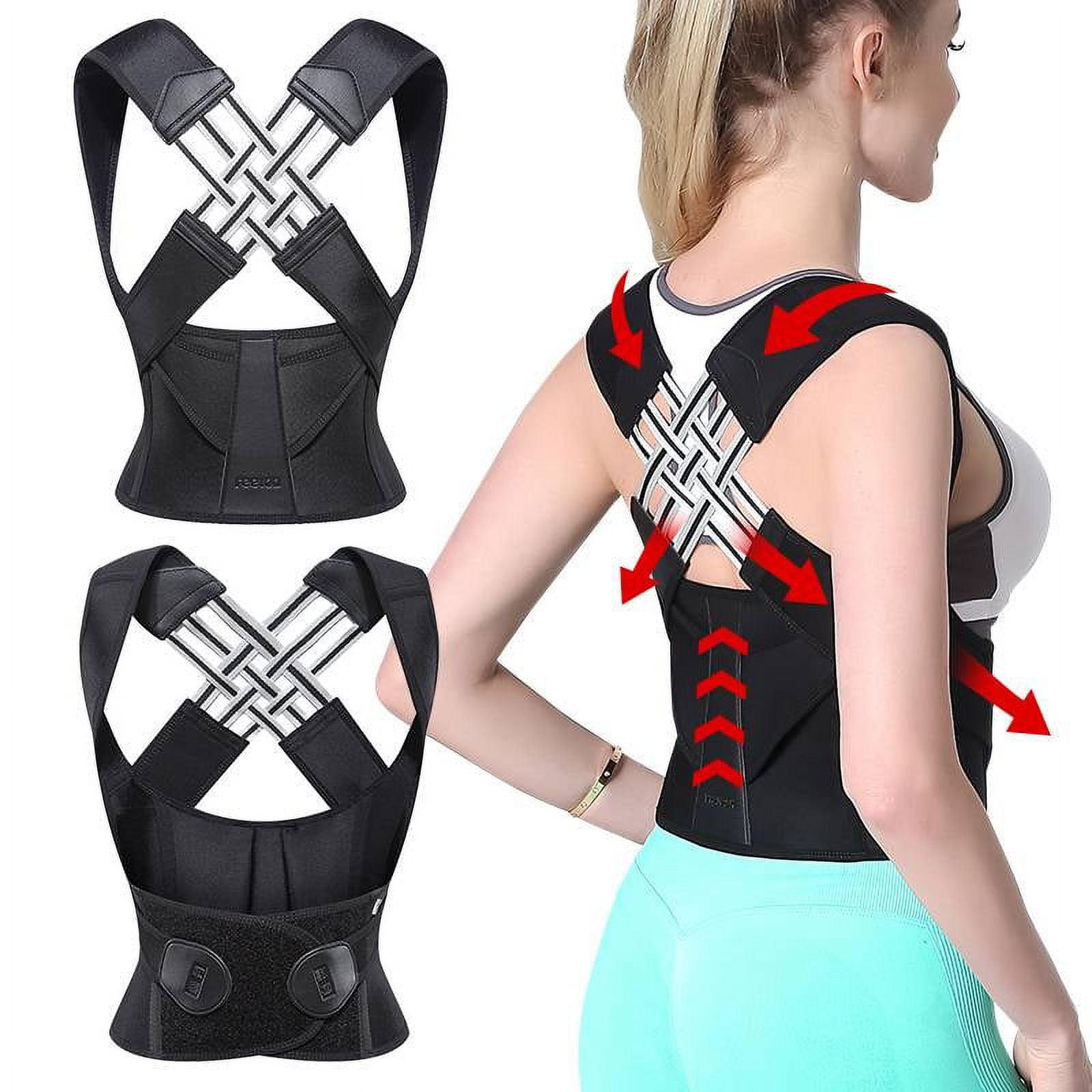
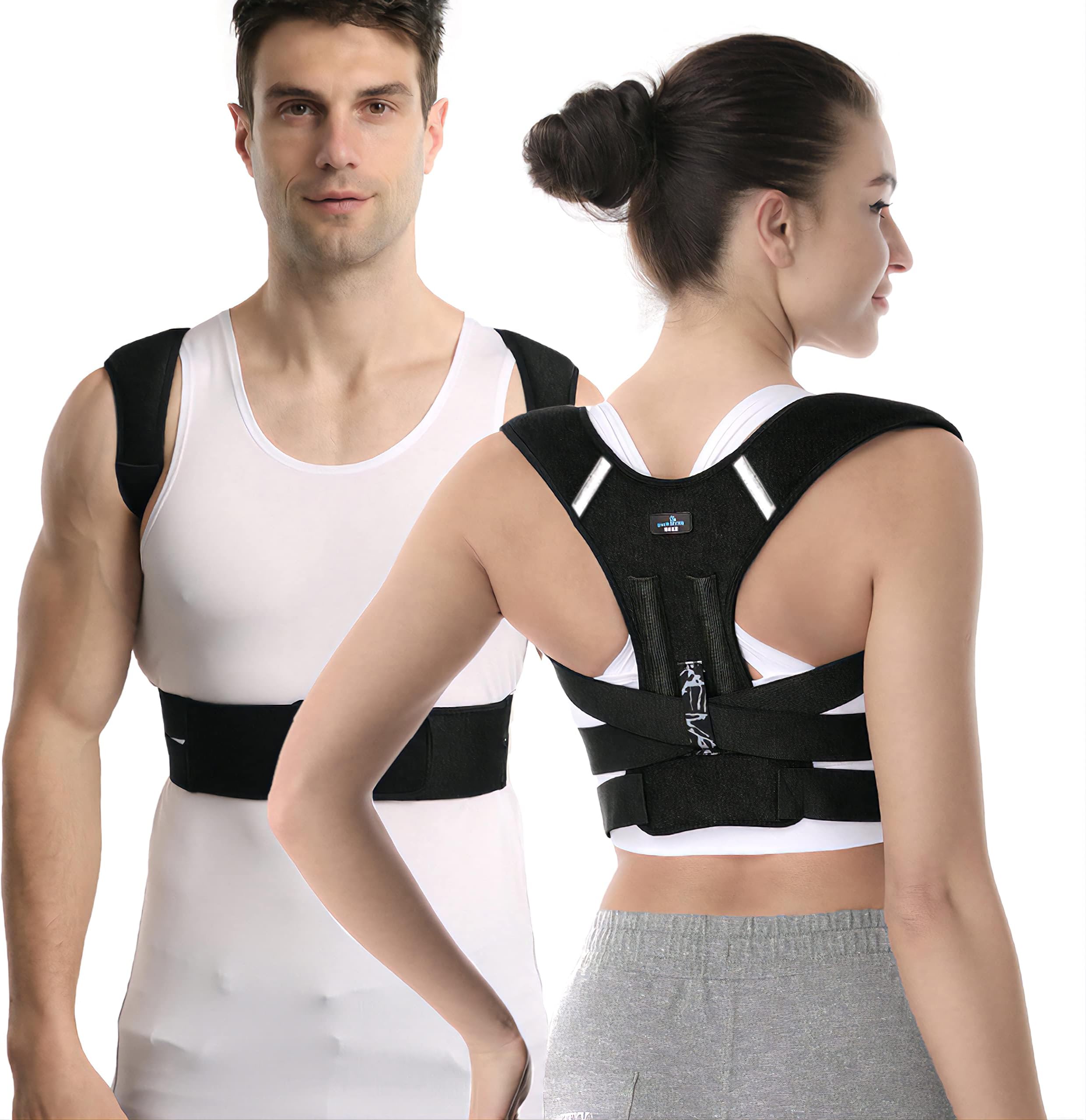
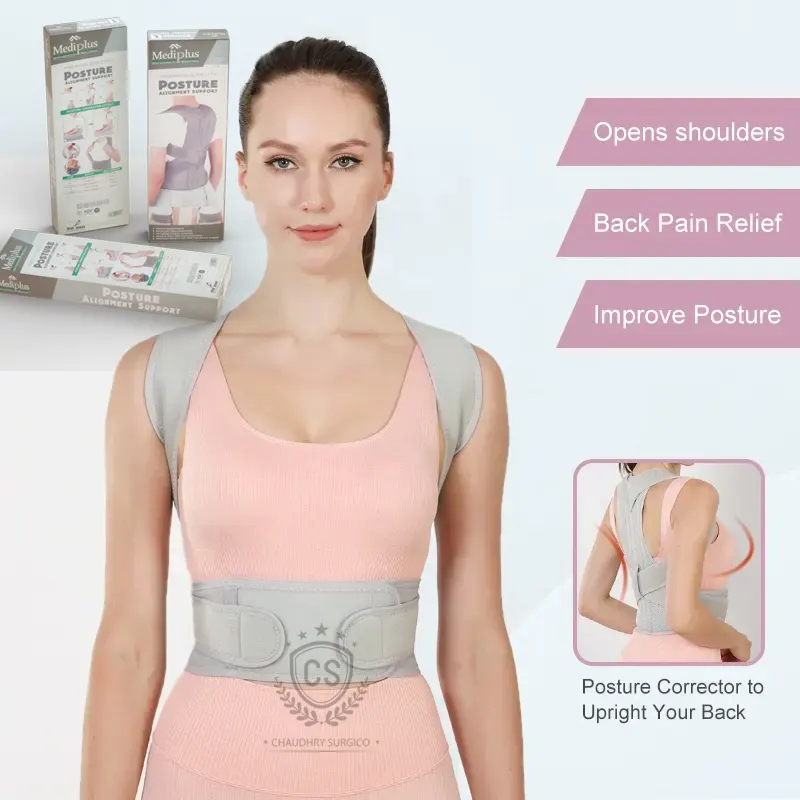
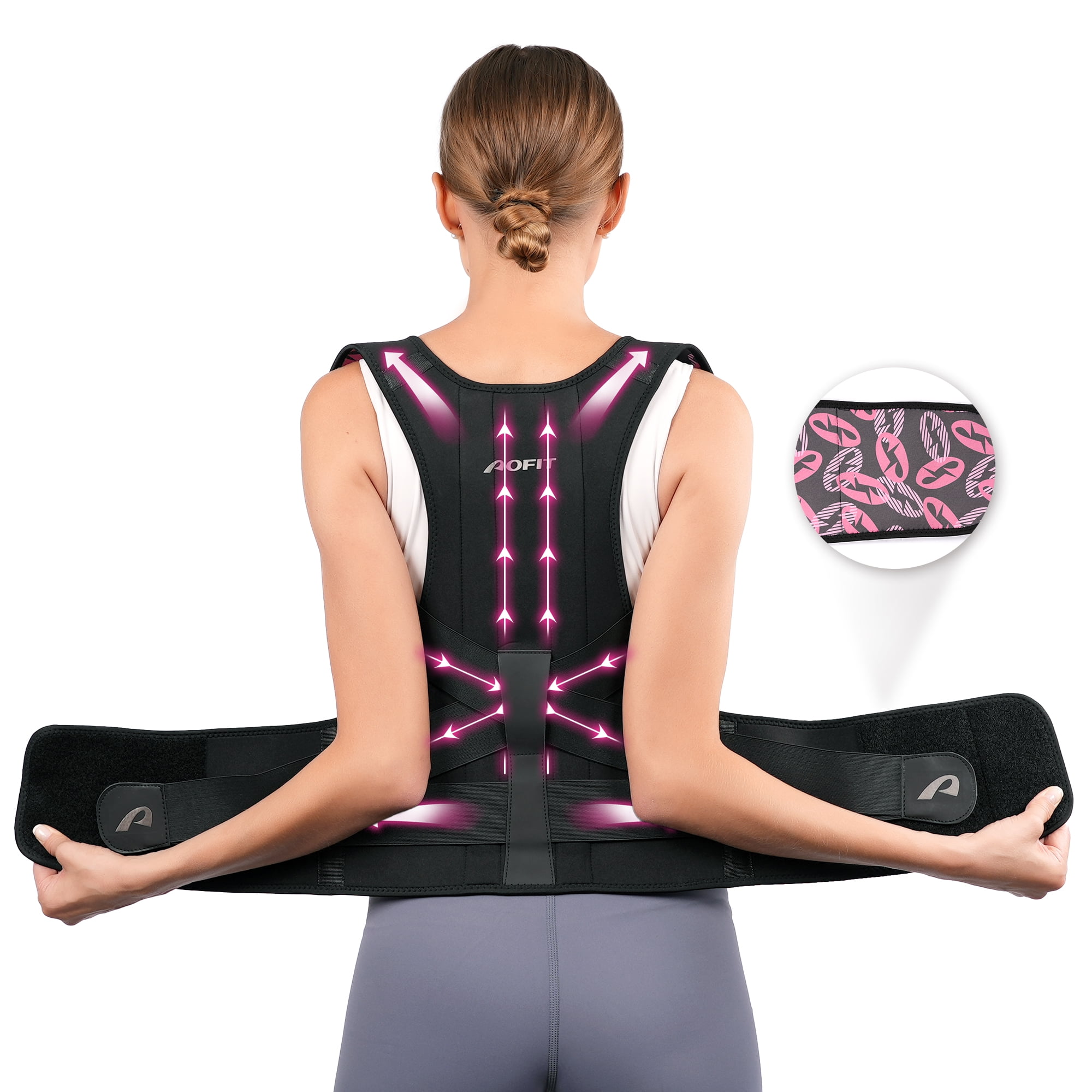
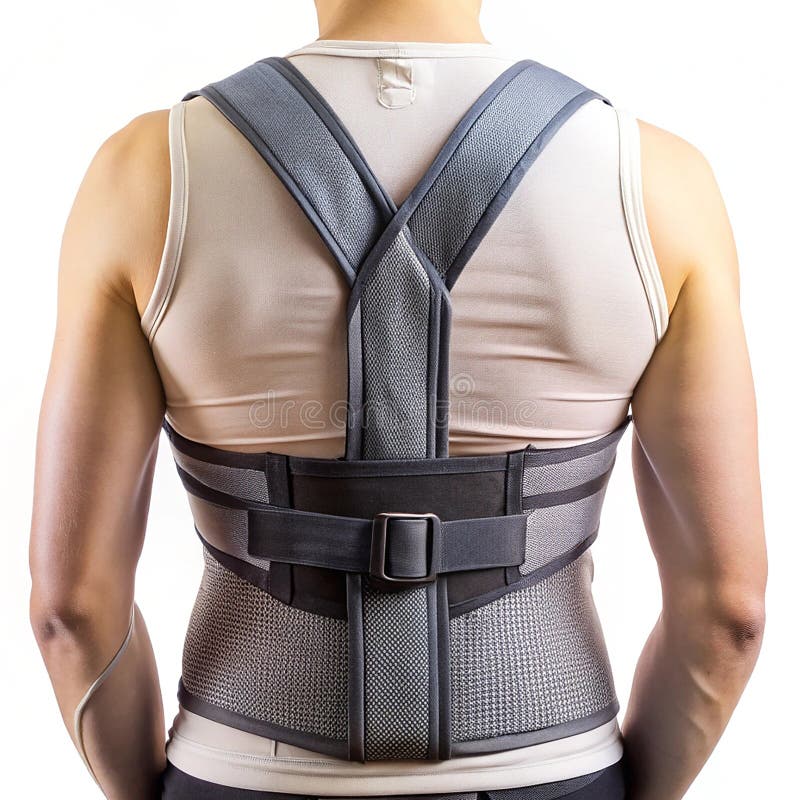
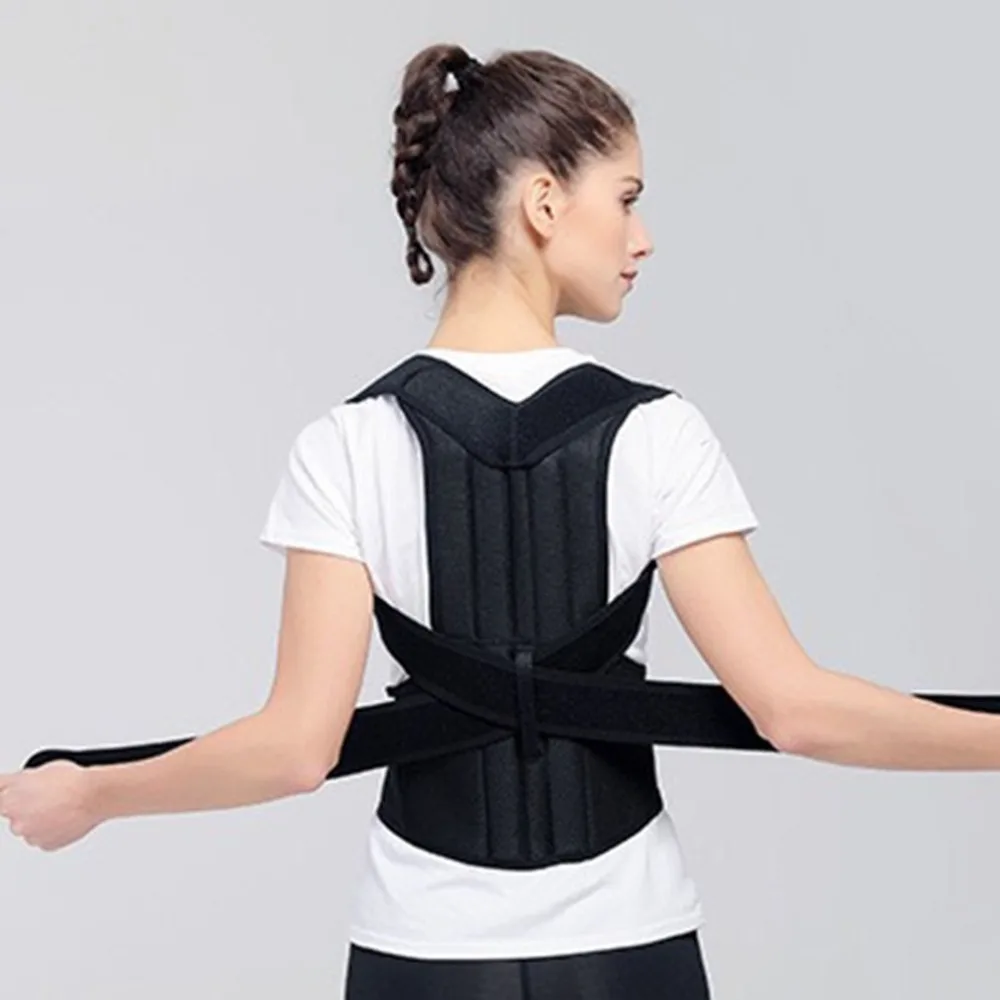
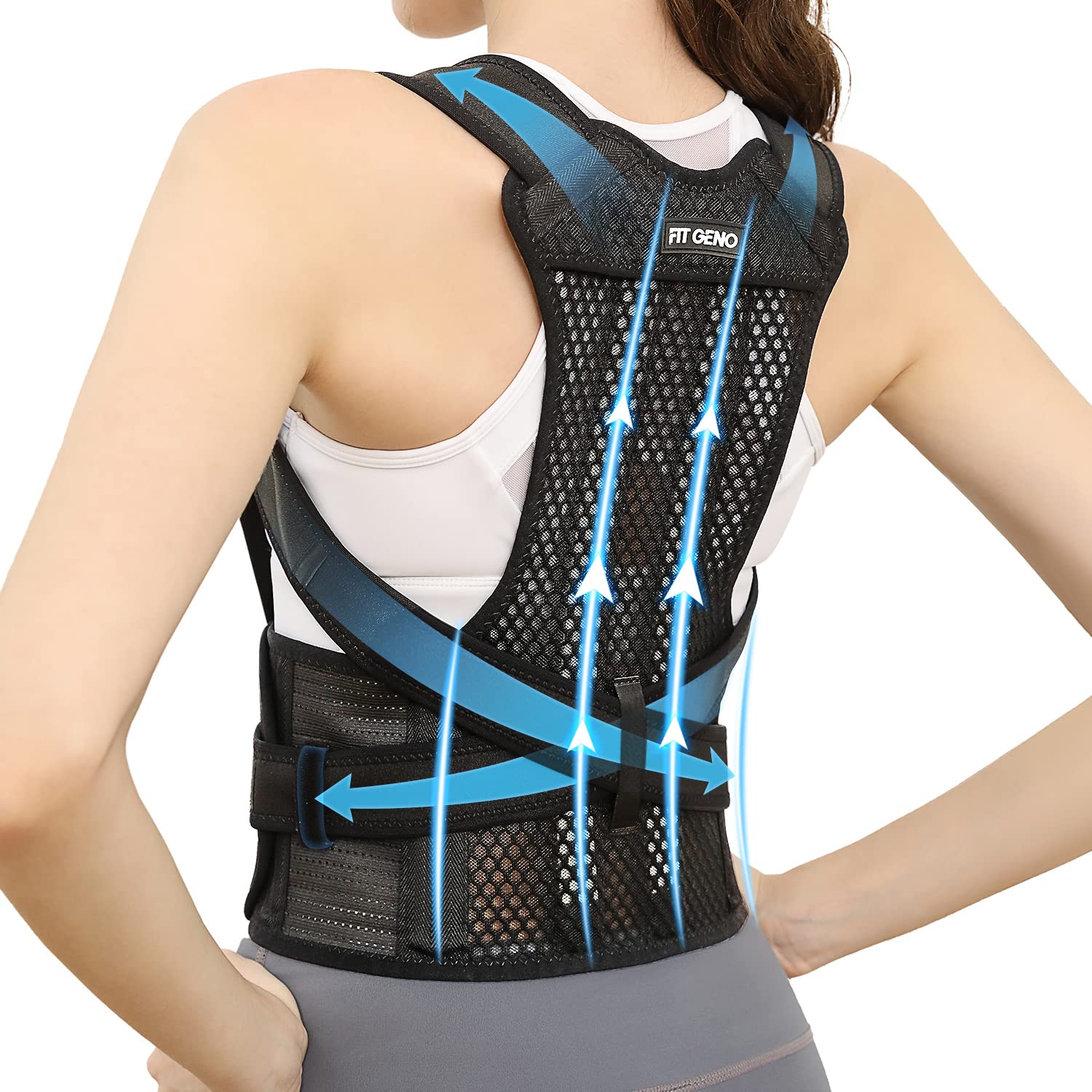
Back Braces and Posture Correctors: These devices provide gentle support and alignment, encouraging correct posture and reducing back pain. Examples include the BackBrace and Posture Corrector by BackBrace, and the RRJ Posture Corrector for Men and Women.
Yoga Wedges and Support Sticks: These tools help maintain proper spinal alignment, relieve pressure on the neck and back, and improve posture. For example, the Sciatica Nerve Pain Relief & Neck Curve Corrector by Sciatica Nerve Pain Relief & Neck Curve Corrector offers 3 unique ergonomic surfaces targeting the neck, lower back, and sacrum.
Conclusion
Correcting your posture and managing back pain is achievable with simple exercises and lifestyle changes. By understanding the importance of good posture, recognizing the consequences of poor posture, and implementing the exercises and tips outlined in this article, you can say goodbye to back pain and hello to a healthier, more confident you. Remember to start with small changes and be consistent, and don't hesitate to seek professional advice if your back pain persists. With the right approach, you can maintain a strong, healthy back for years to come.