Mastering Remote Team Management: Strategies for Success
Managing a remote team can be a daunting task, especially when you're not physically present to oversee your employees' work. However, with the right strategies and tools, you can lead your team to success and achieve your business goals. In this article, we'll explore 15 practical strategies for effective remote team management, including setting clear expectations, building trust, and leveraging technology to improve communication and collaboration.
The Challenges of Remote Team Management
Managing remote teams brings a unique set of challenges that can affect productivity, collaboration, and overall team performance. Some common issues include:
- Difficulty in setting clear expectations and goals
- Lack of face-to-face interaction and communication
- Distractions and decreased productivity
- Challenges in building trust and maintaining team culture
Strategies for Effective Remote Team Management
To overcome these challenges, you need to develop a robust remote team management strategy. Here are 15 practical strategies to help you achieve success:
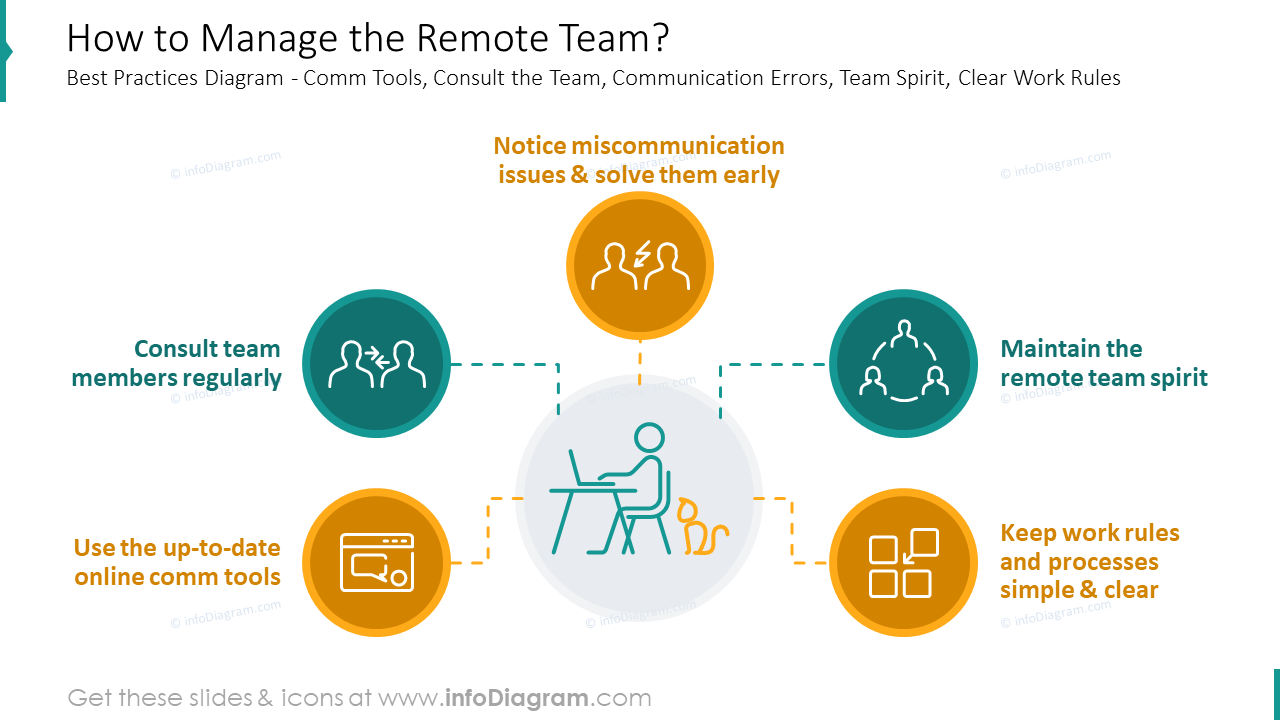
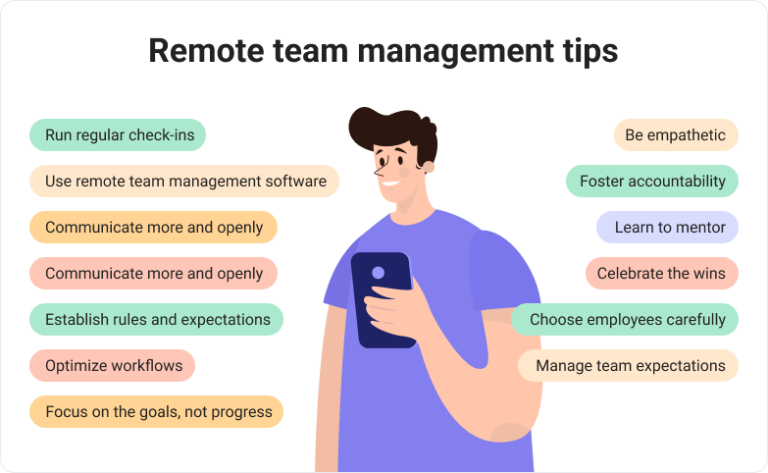
- Set clear expectations: Establish clear goals, objectives, and expectations for your remote team members. This includes setting deadlines, priorities, and performance metrics.
- Establish a communication plan: Develop a communication plan that includes regular check-ins, virtual meetings, and instant messaging. This will help you stay connected with your team and address any issues promptly.
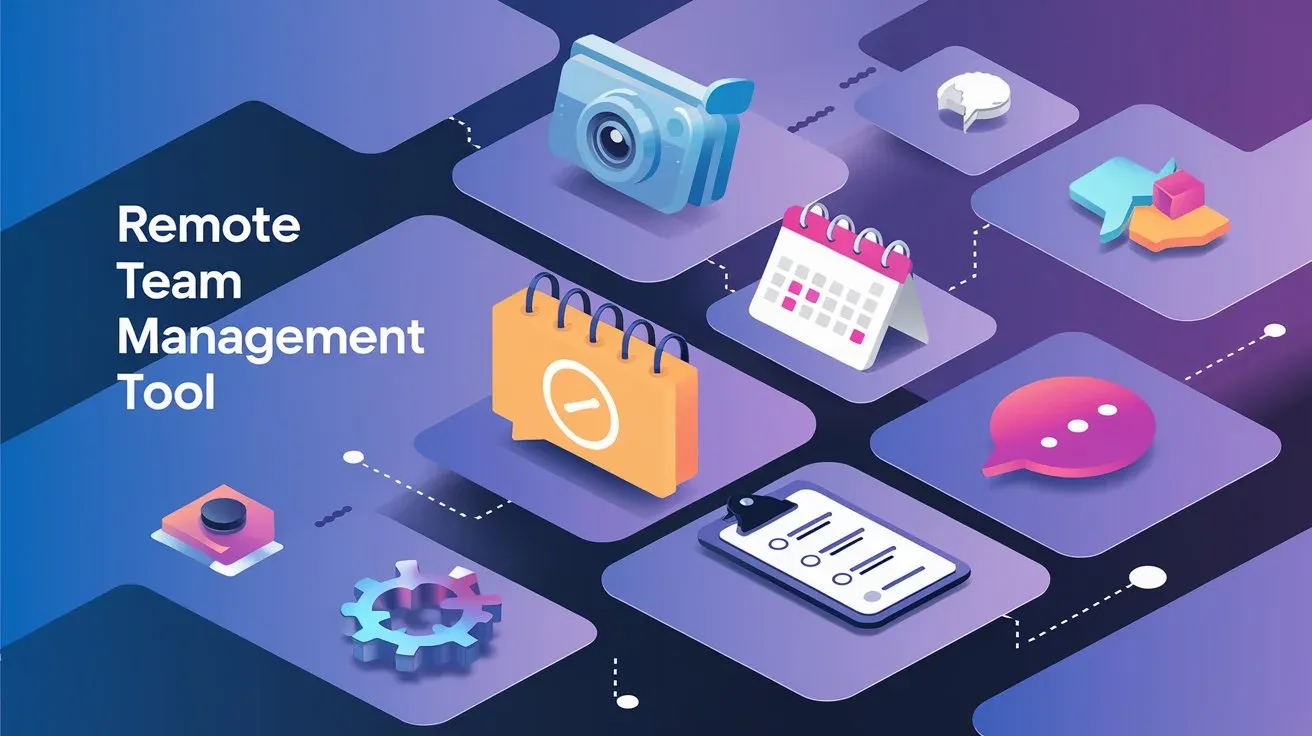
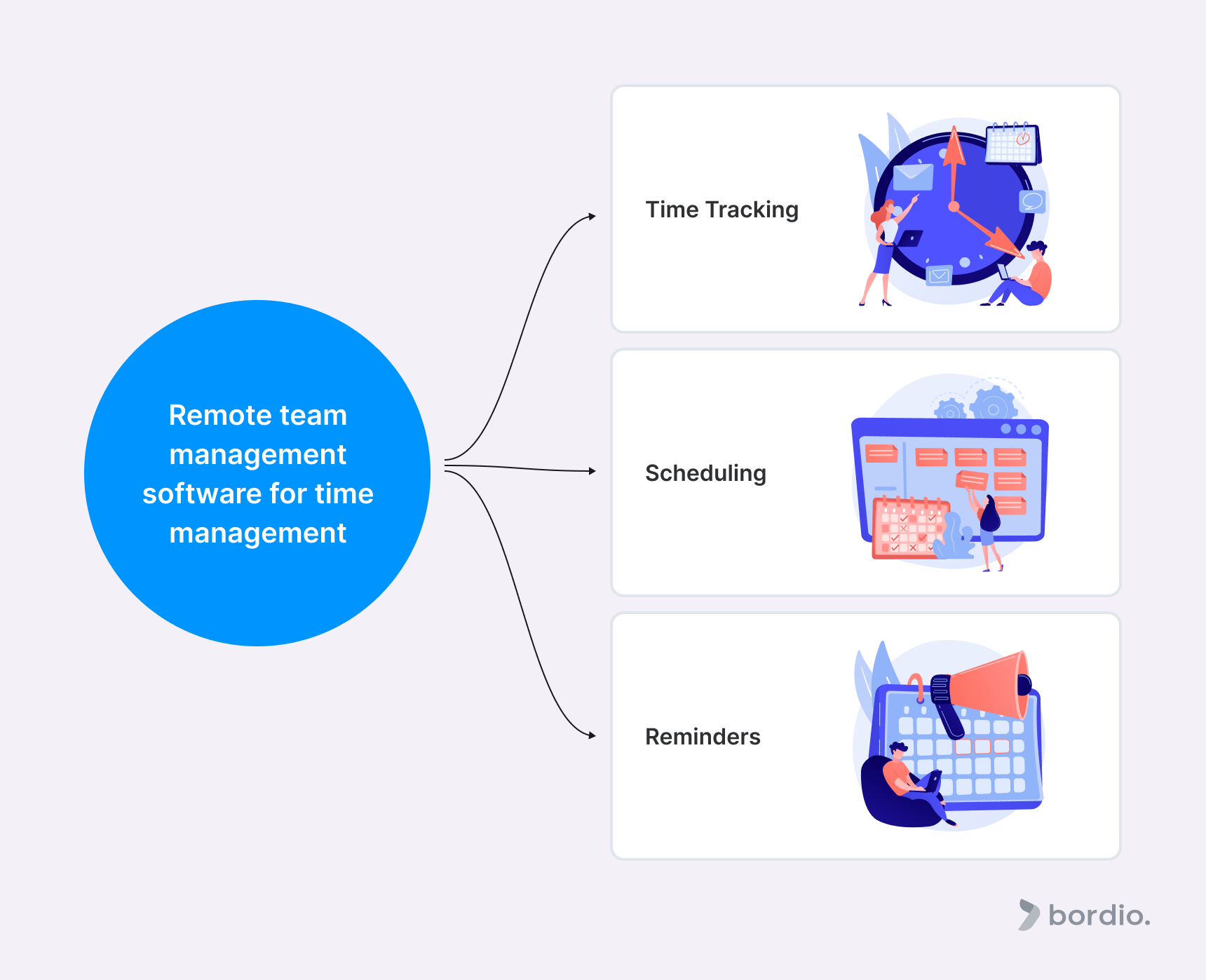
- Use technology to your advantage: Leverage collaboration tools, project management software, and video conferencing platforms to improve communication and productivity.
- Build trust and rapport: Foster a positive team culture by encouraging open communication, empathy, and trust. This will help your remote team members feel connected and motivated.
- Provide regular feedback and coaching: Offer regular feedback and coaching to help your remote team members improve their performance and achieve their goals.
- Foster a sense of community: Create opportunities for your remote team members to connect and collaborate, such as virtual team-building activities and social events.
- Establish clear boundaries and work hours: Set clear boundaries and work hours to ensure that your remote team members are productive and avoid burnout.
- Use data and analytics to inform decisions: Use data and analytics to track performance, identify areas for improvement, and make informed decisions.
- Encourage autonomy and independence: Give your remote team members the freedom to work independently and make decisions, while still providing guidance and support when needed.
- Lead by example: Demonstrate the behaviors and work habits you expect from your remote team members, such as being responsive, reliable, and productive.
- Provide opportunities for growth and development: Offer opportunities for your remote team members to learn new skills, take on new challenges, and grow professionally.
- Stay adaptable and flexible: Be prepared to adjust your remote team management strategy as needed to respond to changing circumstances and priorities.
- Monitor and address burnout: Keep an eye on your remote team members' workload and stress levels, and address burnout and mental health concerns promptly.
- Stay connected with your team: Regularly check in with your remote team members, celebrate their successes, and provide support during challenging times.
- Continuously evaluate and improve: Regularly evaluate your remote team management strategy and make adjustments as needed to ensure that it's effective and efficient.
Conclusion
Managing a remote team requires a unique set of skills and strategies. By setting clear expectations, building trust, and leveraging technology, you can lead your remote team to success and achieve your business goals. Remember to stay adaptable, flexible, and connected with your team, and to continuously evaluate and improve your remote team management strategy. With the right approach, you can overcome the challenges of remote team management and build a high-performing, productive, and motivated remote team.
Additional Resources
If you're looking for additional resources to help you master remote team management, consider the following:
- Harvard Business School's online courses and insights on leading remote teams
- Cloud perio software for simplifying remote team management and improving collaboration
- Hire virtual assistants in the Philippines for cost-effective and high-level performance






%20(1).jpg "6 Ways Cloud Perio Software Simplifies Remote Team Management and ...")