Residential Home Battery Backup: A Comprehensive Guide
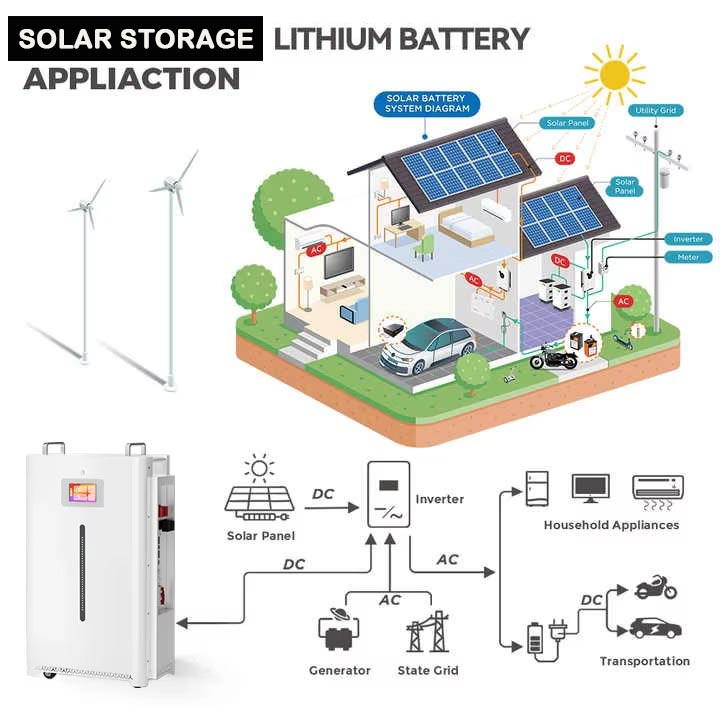
The concept of residential home battery backup systems has evolved significantly in recent years, revolutionizing the way we think about power outages and energy management. These systems store excess energy generated by solar panels or the grid during the day, allowing homeowners to draw on this stored energy during outages or at night when the sun isn't shining.
What is Residential Home Battery Backup?
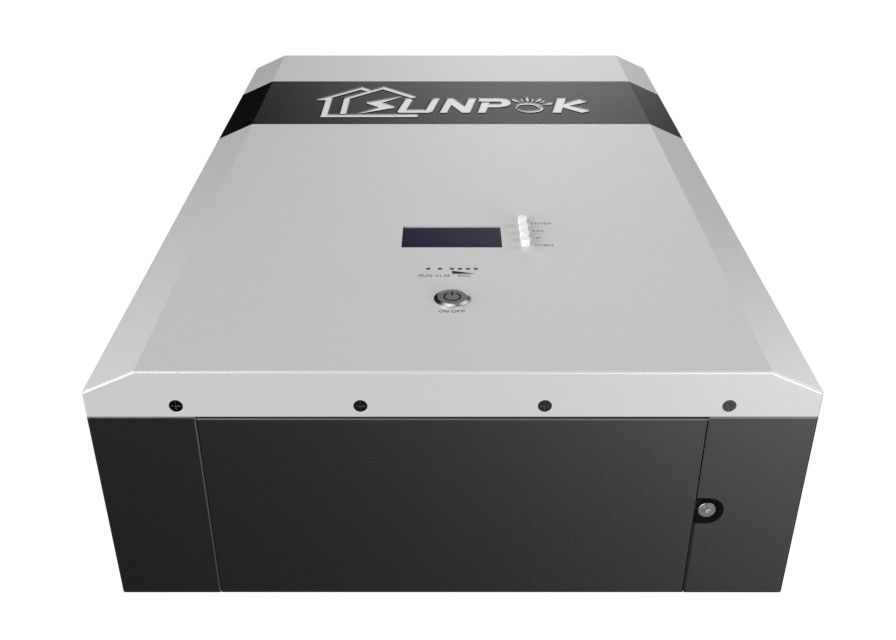
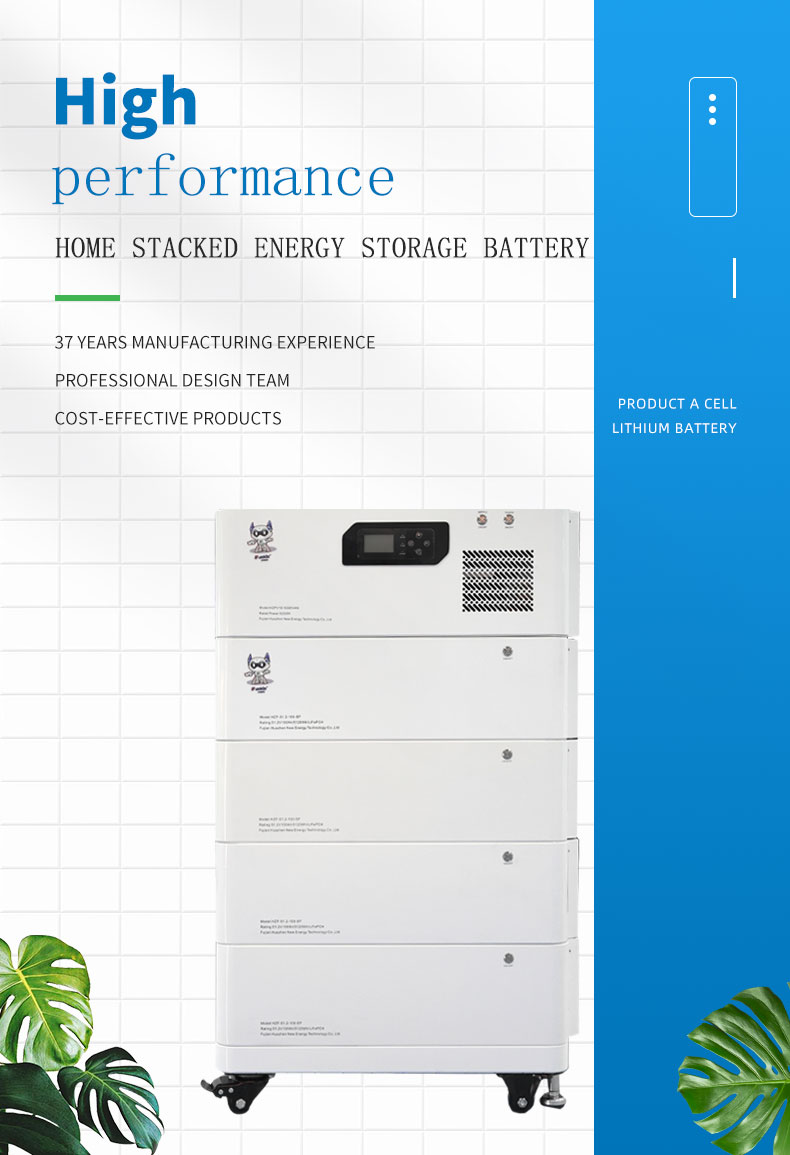
A residential home battery backup system is an energy storage solution that provides backup power to your home when the primary electrical grid fails. It acts as a safeguard against prolonged power outages, ensuring that essential systems and appliances continue to function without any interruptions. Unlike traditional backup systems that only support critical loads like refrigerators and lights, whole-home setups keep every outlet, appliance, and system in your home powered.
Benefits of Residential Home Battery Backup Systems
- Increased Energy Independence: With a residential home battery backup system, you're not reliant on the grid for power, ensuring you have a constant supply of energy even during outages.
- Protection against Power Outages: These systems safeguard your home's electrical systems and appliances, preventing damage from power fluctuations and outages.
- Long-term Cost Savings: Battery backup systems can help reduce your energy bills by storing excess energy generated by solar panels or the grid during the day, which can be used during peak hours when energy rates are high.
- Reduced Carbon Footprint: By storing excess energy and reducing reliance on the grid, these systems contribute to a cleaner and more sustainable energy mix.
Choosing the Right Residential Home Battery Backup System
With various options available in the market, choosing the right system for your needs can be overwhelming. Here are some key considerations to help you narrow down your options:
- Capacity: Determine the size of the battery needed to meet your energy requirements. A minimum of 6-10 kWh is recommended for standard installations.
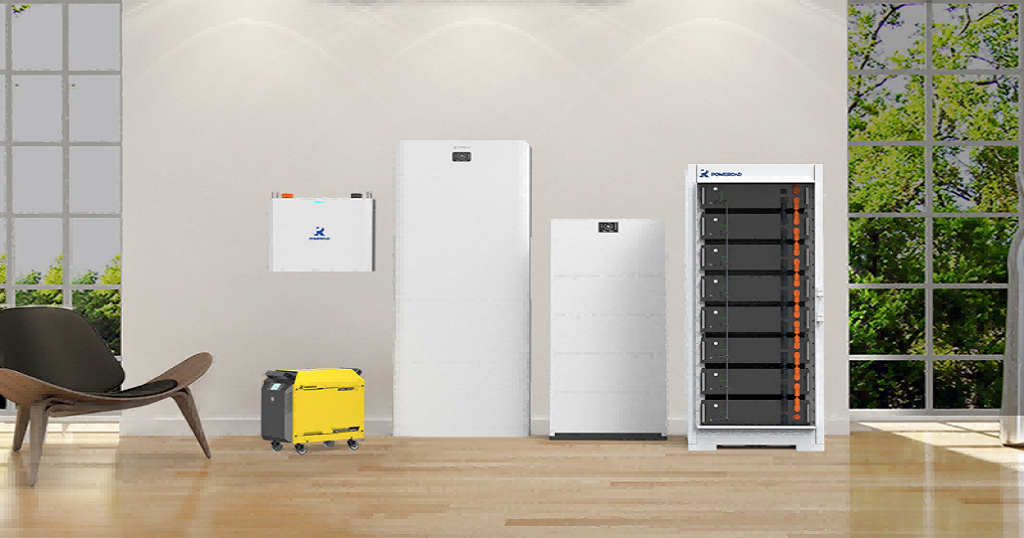
- Chemistry: Decide between various battery types, such as lithium-ion or lead-acid, each with its unique advantages and disadvantages.
- Cost: Budget for the system, which can range from $5,000 to $20,000 or more, depending on capacity and complexity.
- Local Incentives: Check for local and national incentives, such as tax credits and rebates, that can help offset the cost.

Popular Residential Home Battery Backup Brands
Several leading manufacturers are driving innovation in the residential home battery backup market, offering high-performance systems with advanced features. Some top brands include:
- Tesla: Known for its reliable and efficient battery storage solutions
- BYD: Offers lithium-ion batteries for various residential and commercial applications
- Ecovolt: Develops eco-friendly energy storage systems with advanced battery management
Installation and Maintenance
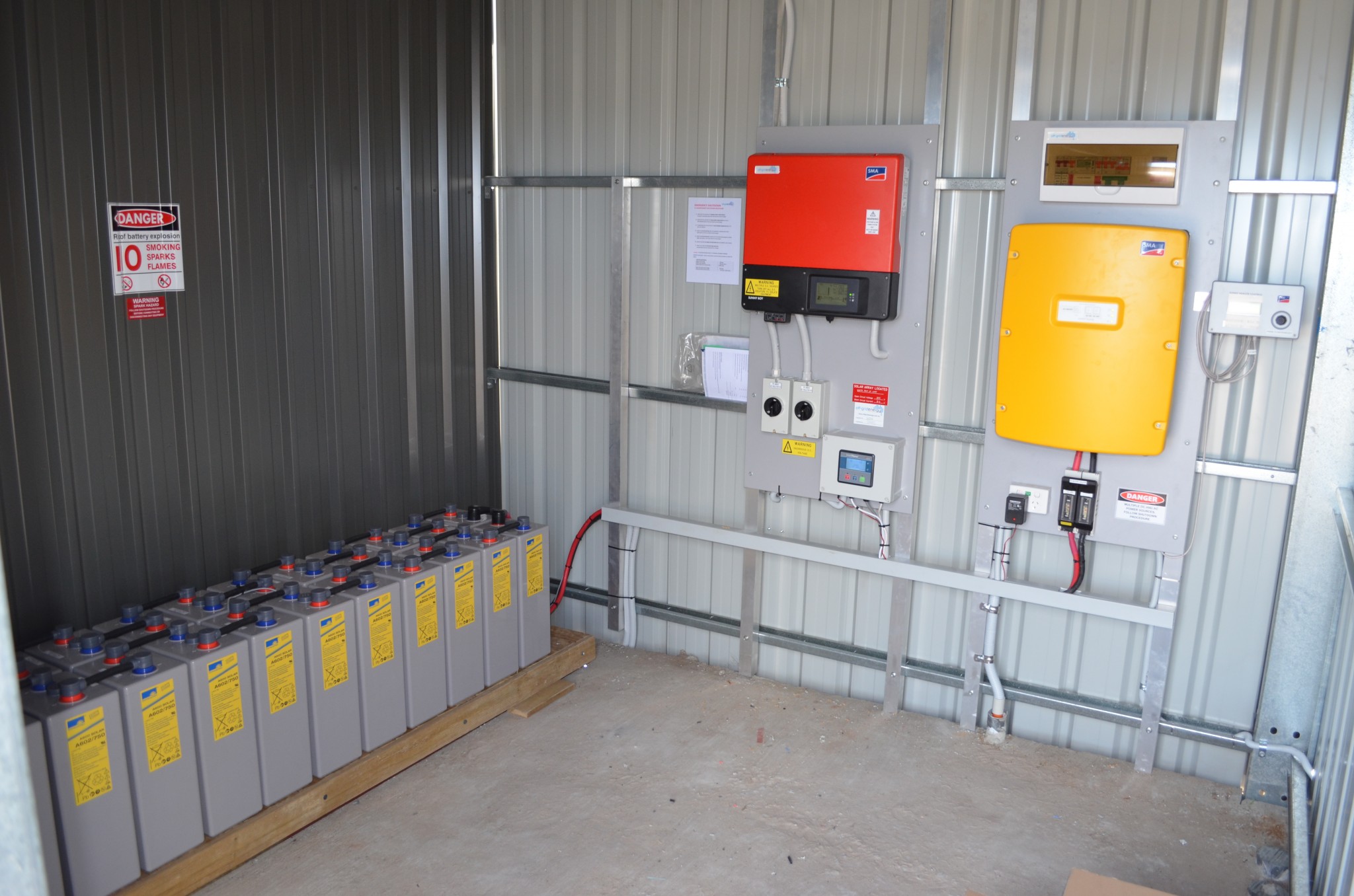
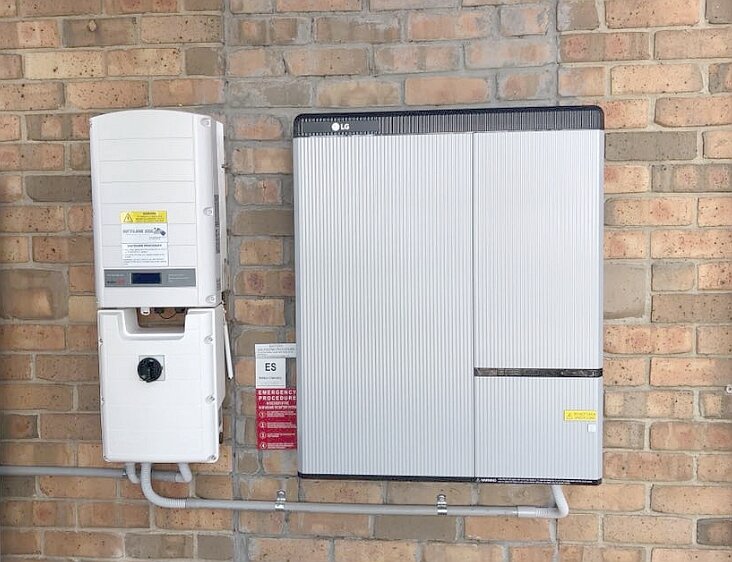
Proper installation and maintenance are crucial for ensuring the longevity and performance of your residential home battery backup system. Follow standard operating procedures, such as regular checks and battery health monitoring, to minimize downtime and ensure optimal performance.
Conclusion
Residential home battery backup systems have become an essential component of modern homes, providing security, peace of mind, and long-term cost savings. With the advancement of technology and the maturation of the market, there's never been a better time to invest in a reliable and efficient home battery backup system. By understanding the benefits, choosing the right system, and selecting a reputable brand, you can enjoy a worry-free home energy experience.