Carbon Credit Trading for Real Estate: A Game-Changer for Sustainability
The real estate sector has a significant impact on the environment, and with the world grappled in the midst of climate change, it's becoming increasingly imperative for developers to reduce their carbon footprint and comply with environmental regulations. One effective way to achieve this is through carbon credit trading.
What is Carbon Credit Trading?
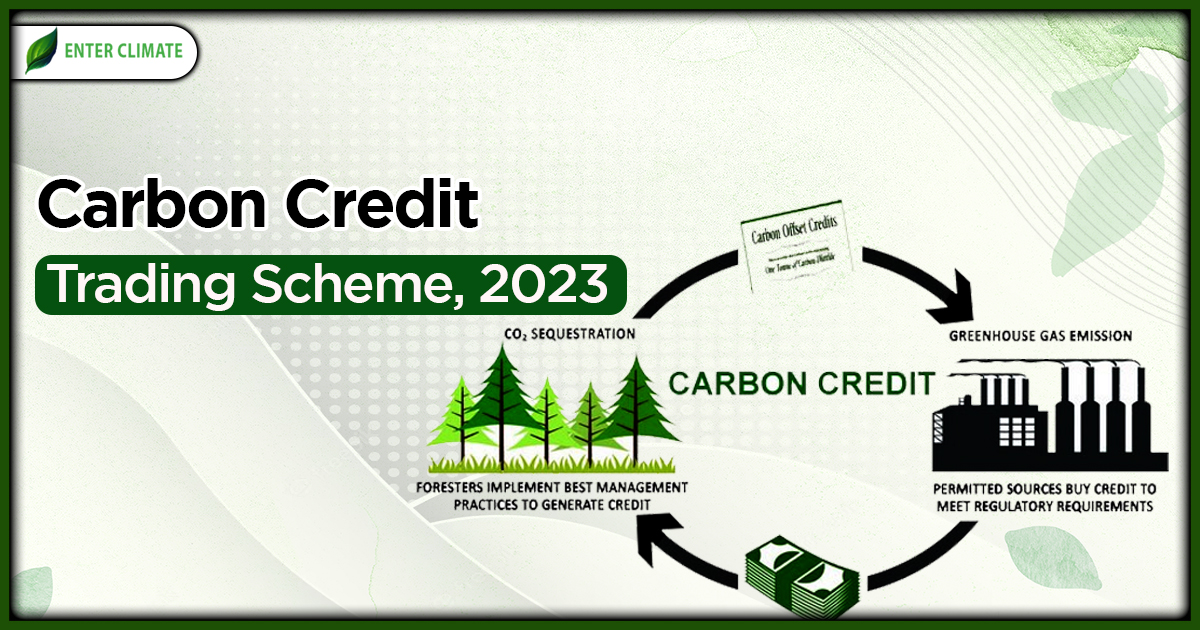
Carbon credit trading involves the buying and selling of carbon credits, which are essentially permits or certificates that represent the right to emit a certain amount of greenhouse gases. The credits can be traded on a voluntary basis, allowing companies to offset their emissions by investing in eco-friendly initiatives.
The Benefits of Carbon Credit Trading for Real Estate
The integration of carbon credit trading into real estate practices offers numerous benefits, including:
- Reduced carbon footprint: By investing in carbon credits, developers can offset their emissions and reduce their environmental impact.
- Compliance with regulations: Carbon credit trading can help developers comply with environmental regulations and avoid fines.
- Enhanced reputation: By adopting sustainable practices and investing in carbon credits, developers can enhance their reputation and appeal to environmentally-conscious buyers.
- Increased property value: Sustainable properties are more attractive to buyers and can command a higher price.
How Carbon Credit Trading Works in Real Estate
Carbon credit trading for real estate involves several key steps:
- Project development: Developers identify a project that can generate carbon credits, such as a renewable energy installation or energy-efficient building.
- Credit generation: The project generates carbon credits, which are verified and registered with a certifying authority.
- Credit trading: The credits are sold to a buyer, who can use them to offset their own emissions.

Key Players in the Carbon Credit Trading Market
The carbon credit trading market involves several key players, including:
- Developers: Companies that develop and manage real estate projects that generate carbon credits.
- Project developers: Companies that develop and manage projects that generate carbon credits.
- Certificate providers: Companies that verify and register carbon credits.
- Traders: Companies that buy and sell carbon credits.
- Buyers: Companies that purchase carbon credits to offset their emissions.
Challenges and Opportunities in Carbon Credit Trading for Real Estate
While carbon credit trading offers numerous benefits, it also poses several challenges, including:
- Complexity: Carbon credit trading involves complex regulatory frameworks and technical requirements.
- Liquidity: The carbon credit trading market can be illiquid, making it difficult to buy and sell credits.
- Volatility: The price of carbon credits can be volatile, making it difficult to predict their value.
However, the opportunities in carbon credit trading far outweigh the challenges, and developers can capitalize on this trend by investing in sustainable projects and trading carbon credits.
Conclusion
Carbon credit trading is a game-changer for the real estate sector, offering a sustainable and compliant way to reduce emissions and enhance reputation. By understanding the benefits and challenges of carbon credit trading, developers can capitalize on this trend and create a more sustainable future for themselves and their clients.






![Top 6 Carbon Credit Trading Platforms in 2026 [Full Review]](https://www.psmarketresearch.com/img/research/Carbon-Credit-Trading-Platform-Market-Analysis.png "Top 6 Carbon Credit Trading Platforms in 2026 [Full Review]")
:max_bytes(150000):strip_icc()/Carbon-markets-7972128_final-3e1deab003104299afd27a4de367ef4b.png "Voluntary Carbon Market and Offsetting in the Real Estate Sector")


