Router GHZ Frequency Settings: Unlocking Optimal WiFi Performance
In today's connected world, a reliable and fast WiFi connection is crucial for seamless browsing, streaming, and online gaming. One of the key factors that determine the quality of your WiFi experience is the frequency setting of your router. In this article, we'll delve into the world of Router GHZ frequency settings, exploring the differences between 2.4 GHz and 5 GHz frequencies, and provide tips on how to choose the best frequency for your needs.
Understanding Router GHZ Frequency Settings
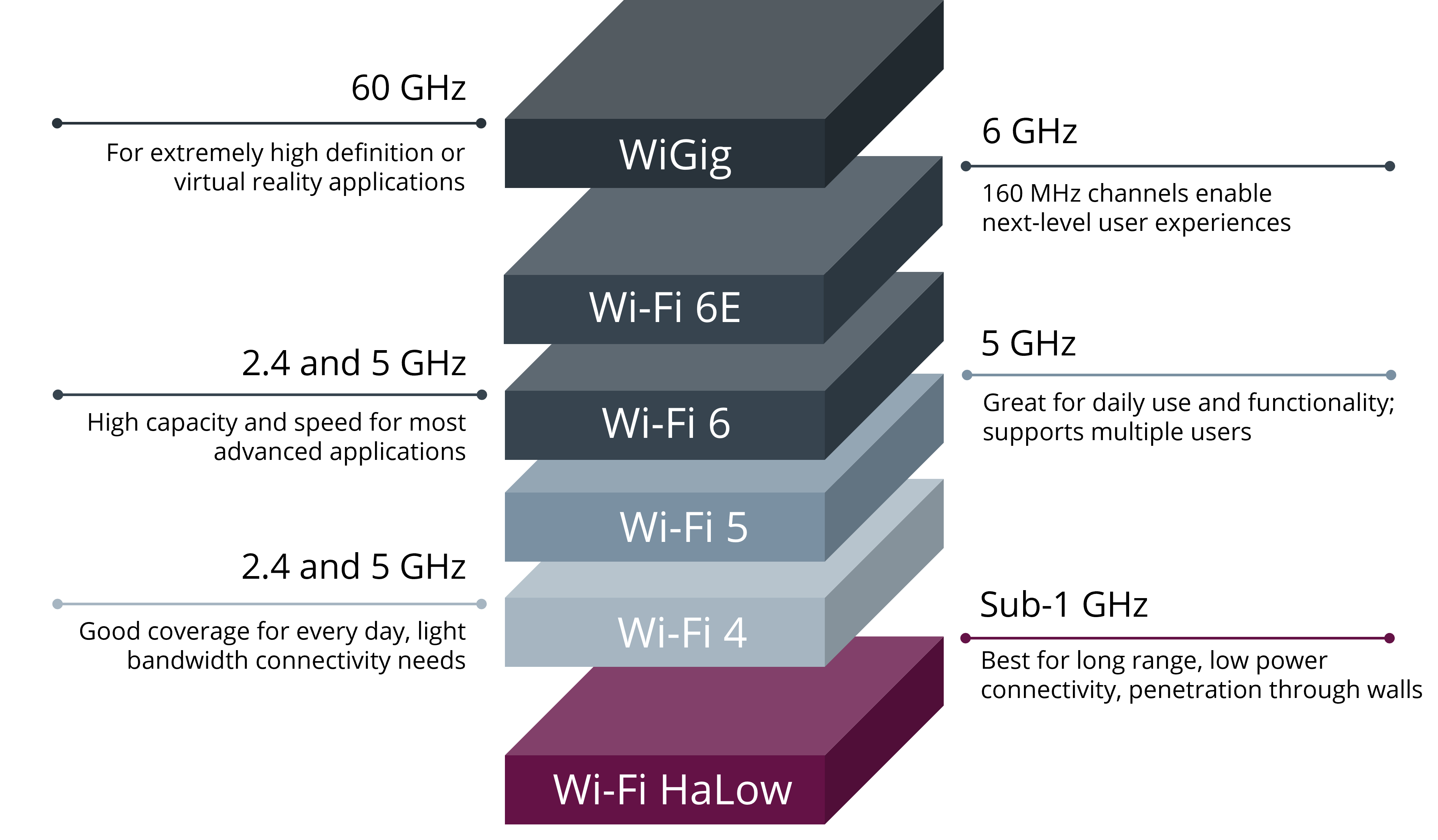
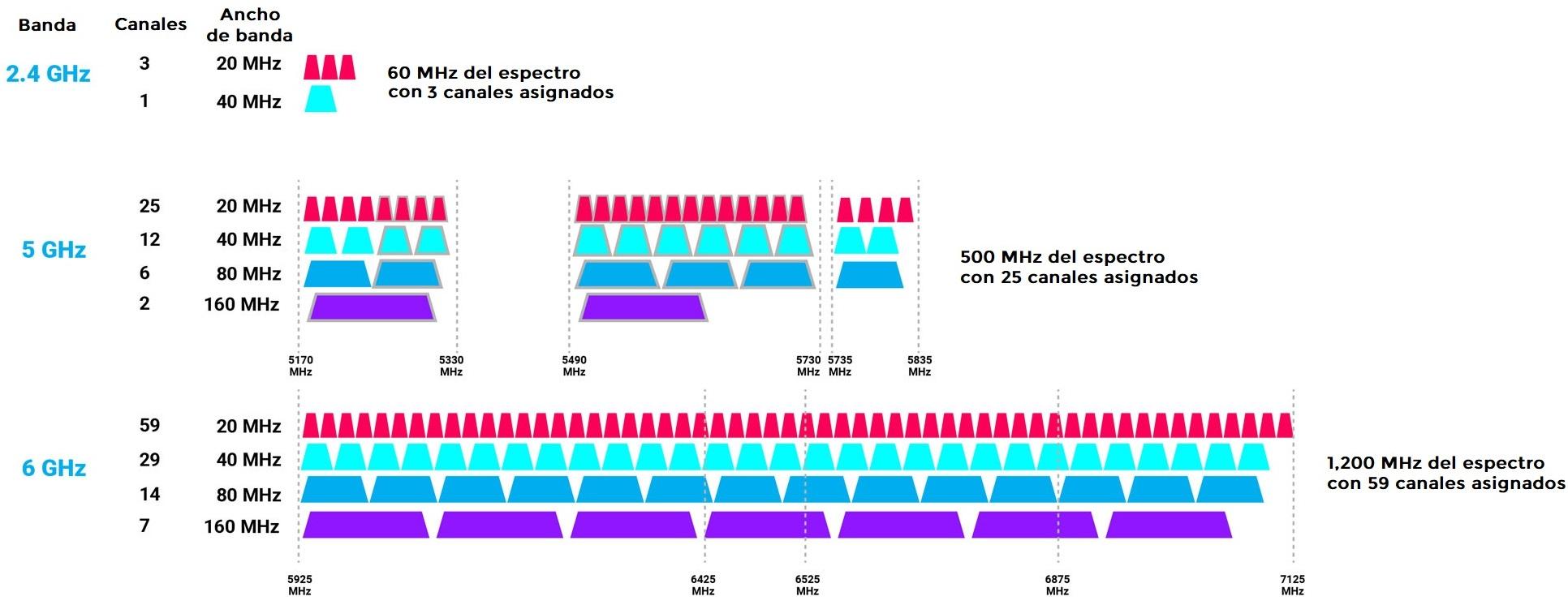
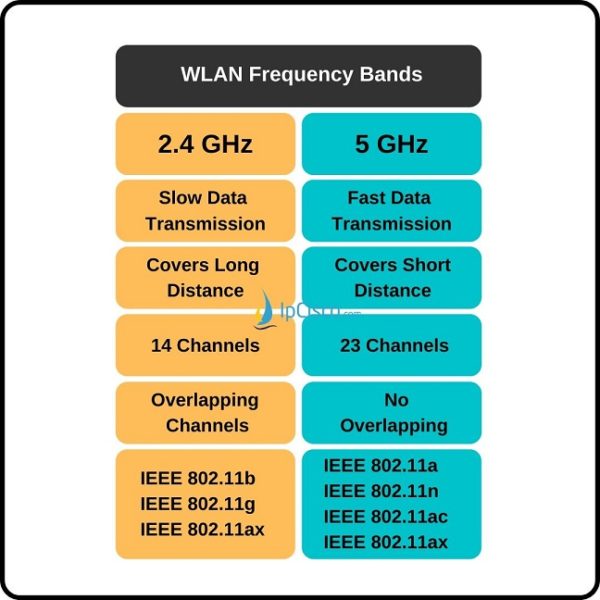
Most routers offer two frequency options: 2.4 GHz and 5 GHz. These frequencies determine the speed and range of your WiFi connection. The 2.4 GHz frequency band provides greater range and penetrates walls and obstacles more effectively, making it ideal for large homes and offices. On the other hand, the 5 GHz frequency band offers faster speeds but has a shorter range, making it perfect for devices that require high-speed data transfer, such as streaming devices and gaming consoles.
Choosing the Right Frequency for Your Needs
The choice between 2.4 GHz and 5 GHz frequency bands ultimately depends on your specific use case. Here are a few scenarios where changing your router's WiFi signal to transmit on the 2.4 GHz band can improve wireless connectivity:
- Large homes with multiple devices and floors
- Devices located in areas with thick walls or obstacles
- Devices that require long-range WiFi connectivity, such as pet cameras and smart thermostats
Switching to the 2.4 GHz Frequency Band
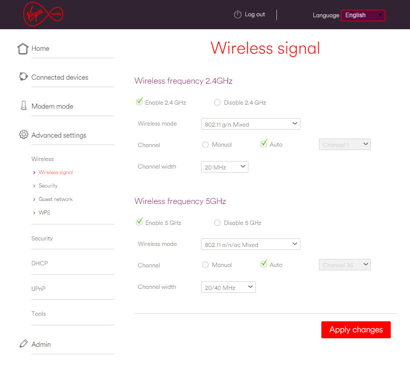
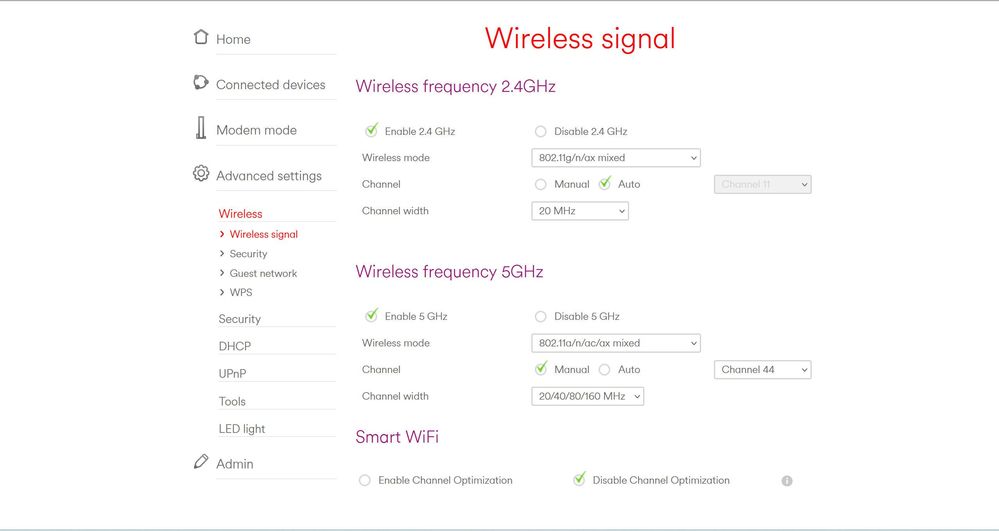
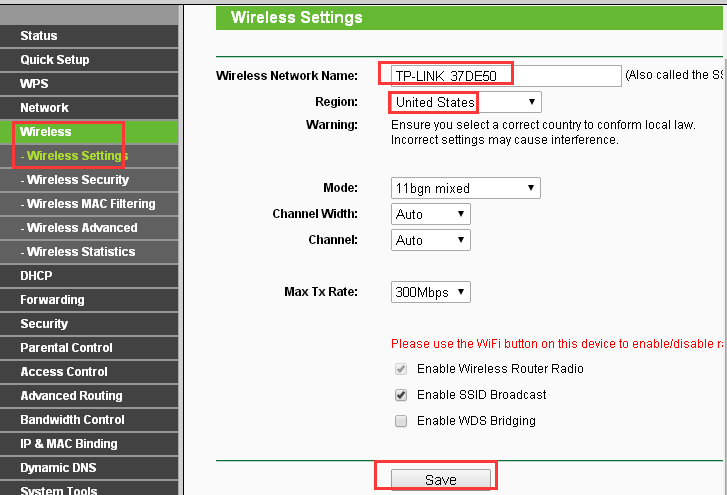
Switching your WiFi to the 2.4 GHz frequency band is a relatively simple process. Here are the general steps to follow:
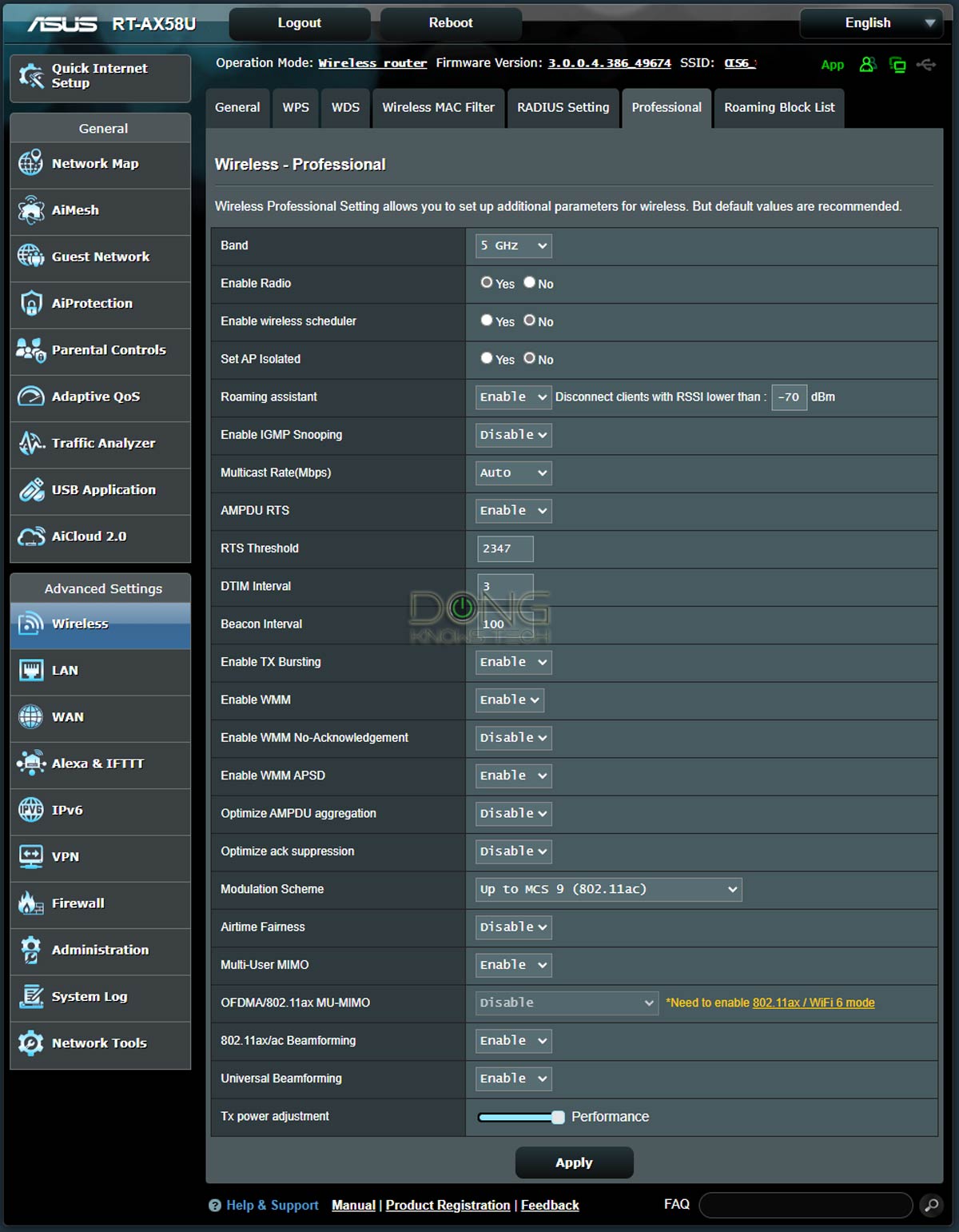
- Access your router's settings by typing its IP address in a web browser
- Log in to your router using your admin credentials
- Look for the Wi-Fi settings and select the 2.4 GHz frequency band
- Save your changes and restart your router
Dual-Band Routers: What You Need to Know
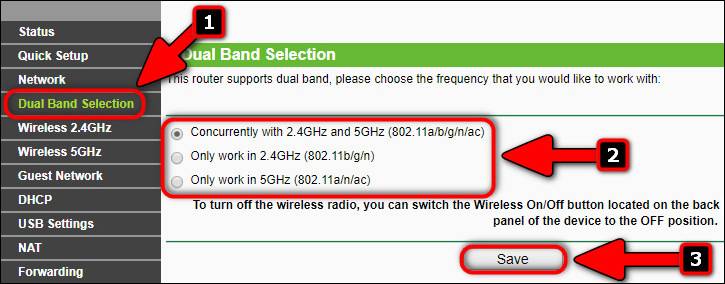
Many modern routers come with dual-band capabilities, allowing you to switch between the 2.4 GHz and 5 GHz frequency bands. This can be beneficial for devices that require high-speed data transfer, such as streaming devices and gaming consoles. However, it's essential to ensure that your devices are compatible with both frequency bands before switching.
.jpg)
DFS Channels: What Are They and How Do They Work
DFS (Dynamic Frequency Selection) channels are a feature found in some routers, particularly those with dual-band capabilities. These channels use the 5 GHz frequency band and are designed to reduce congestion and interference. However, DFS channels are not available in all countries and may require specific settings to activate.
Conclusion
In conclusion, choosing the right frequency for your router is crucial for optimal WiFi performance. Understanding the differences between 2.4 GHz and 5 GHz frequency bands and knowing how to switch between them can improve your WiFi experience. By following the tips outlined in this article, you can unlock faster speeds, better range, and reduced interference, making your WiFi connection more reliable and efficient.
FAQs
Q: What is the difference between 2.4 GHz and 5 GHz frequency bands?
A: The 2.4 GHz frequency band provides greater range and penetrates walls and obstacles more effectively, while the 5 GHz frequency band offers faster speeds but has a shorter range.
Q: Which frequency band is best for my devices?
A: The choice between 2.4 GHz and 5 GHz frequency bands depends on your specific use case. If you need high-speed data transfer, the 5 GHz frequency band may be best. However, if you need long-range WiFi connectivity, the 2.4 GHz frequency band may be more suitable.
Q: Can I switch my router's WiFi signal to transmit on the 2.4 GHz frequency band?


![[Wireless Router] How to improve wireless speed by setting ... - ASUS](https://a.mktgcdn.com/p/F0DjD-pz4f2UtX1GVn2N9y3DrvAK52uOzjQTusun1H4/483x285.png "[Wireless Router] How to improve wireless speed by setting ... - ASUS")