Solar Energy Cost Structure Analysis: A Complete Breakdown
The solar energy industry has experienced tremendous growth over the past decade, with the United States alone witnessing a significant increase in photovoltaic (PV) system installations since 2010. As the demand for renewable energy continues to rise, understanding the cost structure of solar energy systems has become crucial for policymakers, entrepreneurs, and consumers alike. In this article, we will delve into the solar energy cost structure analysis, exploring the various components that make up the total cost of ownership.
Total Cost of Ownership: A Breakdown
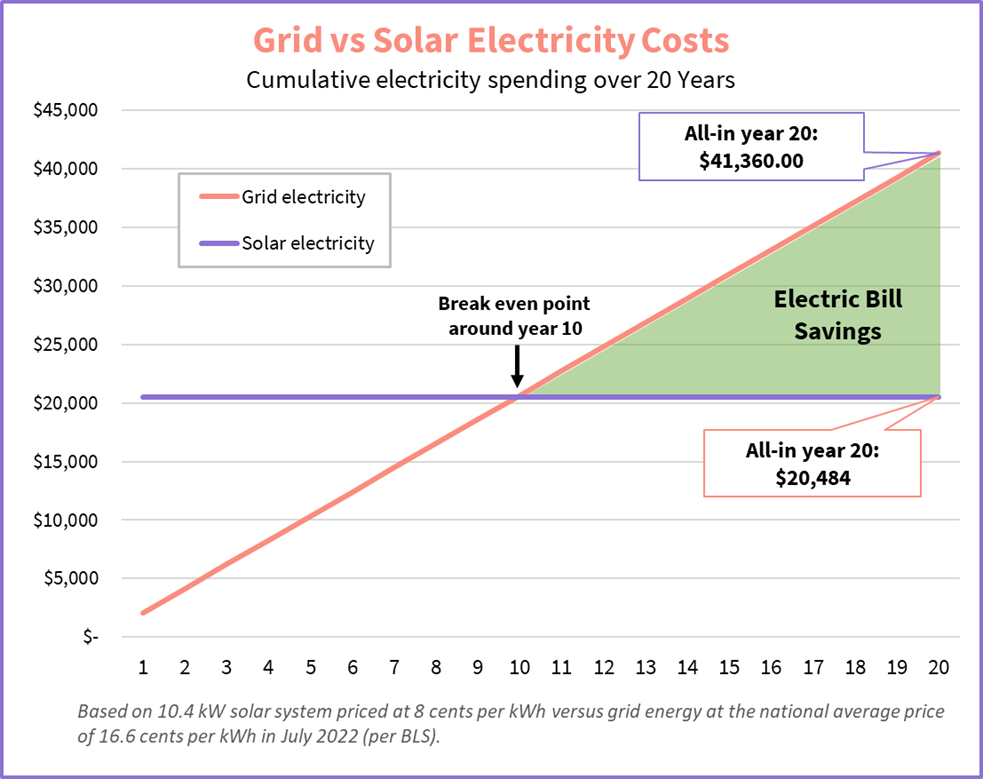
When evaluating the cost of a solar energy system, it's essential to consider the total cost of ownership, which includes both the upfront costs and ongoing expenses associated with the system. This concept is reflected in the National Renewable Energy Laboratory (NREL)'s Solar Installed System Cost analysis, which examines the costs associated with installing photovoltaic systems for residential rooftop, commercial rooftop, and utility-scale ground-mount systems.
- Equipment Costs: These are the initial costs of purchasing and installing the solar panels, inverters, mounting systems, and other equipment required to generate electricity. This cost typically accounts for around 50-60% of the total system cost.
- Installation Costs: Labor costs, including the expenses associated with hiring skilled technicians and engineers to design and install the system, are a significant component of the total cost. This can account for around 20-30% of the total system cost.
- Operating and Maintenance (O&M) Costs: Regular maintenance, repairs, and replacement of components are essential to ensure the system operates efficiently and effectively. Community solar O&M costs are often higher than those for single-customer commercial PV systems due to the added burden of managing multiple subscribers.
- Interconnection and Approval Costs: The process of connecting the solar system to the electrical grid and obtaining necessary permits and approvals can add to the overall cost.
- Monitoring and Maintenance Costs: Regular monitoring and periodic maintenance are essential to optimize the system's performance and ensure its lifespan.
- Tax Credits and Incentives: Governments offer tax credits and incentives to encourage the adoption of solar energy, which can help offset some of the upfront costs.
Sensitivity and Uncertainty Analysis
Researchers have proposed a sensitivity and uncertainty analysis framework to account for regional factors such as energy prices, PV system costs, and solar potential. This framework enables developers and policymakers to adapt their strategies to the specific needs and constraints of their region.
Life Cycle Cost Analysis (LCCA)
Life cycle cost analysis is a crucial tool for optimizing the economic, environmental, and performance aspects of solar energy systems. By evaluating the costs associated with the entire lifecycle of a project, from design to decommissioning, LCCA helps ensure a sustainable approach to solar energy development.
Key Findings and Implications
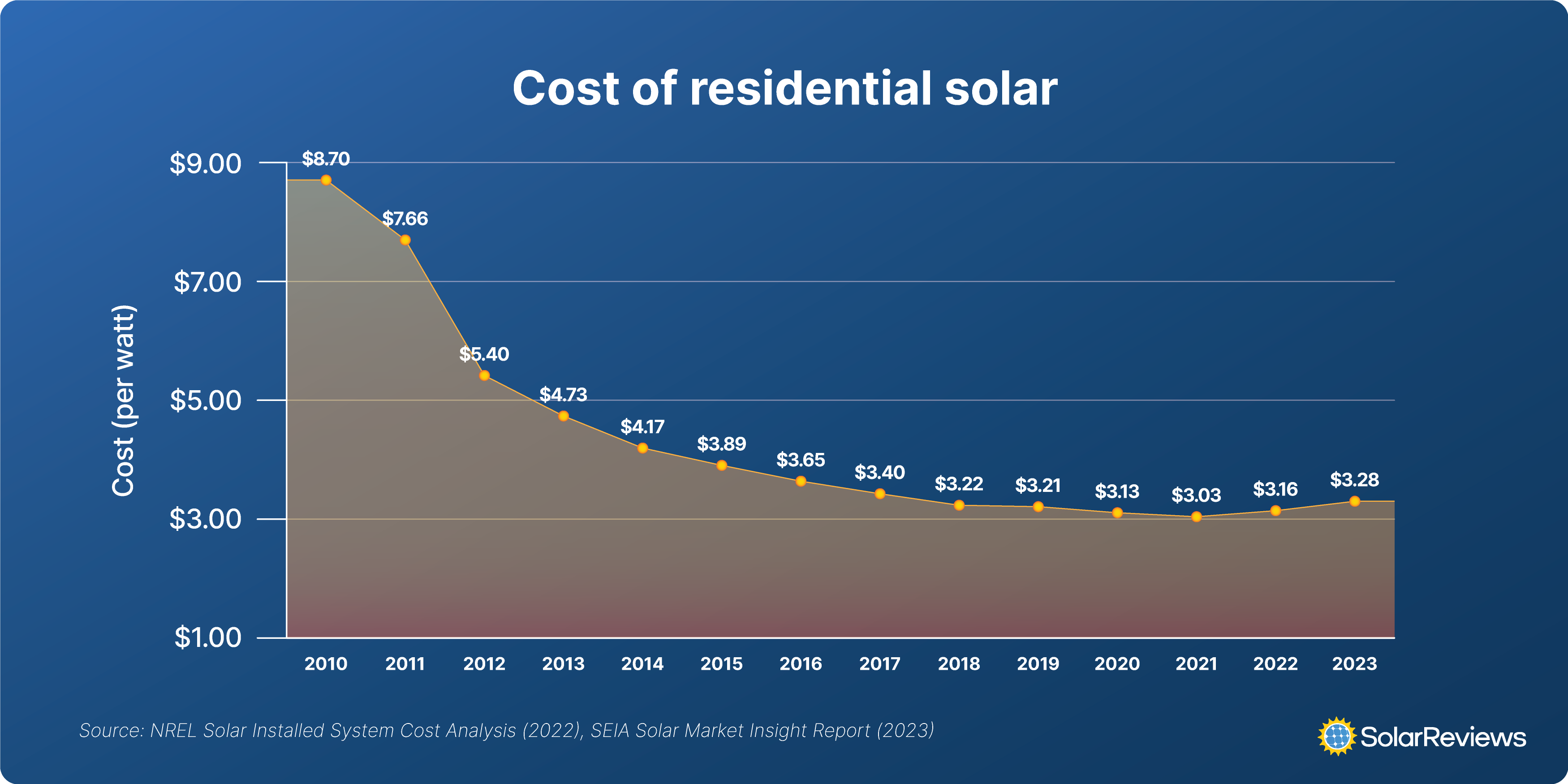
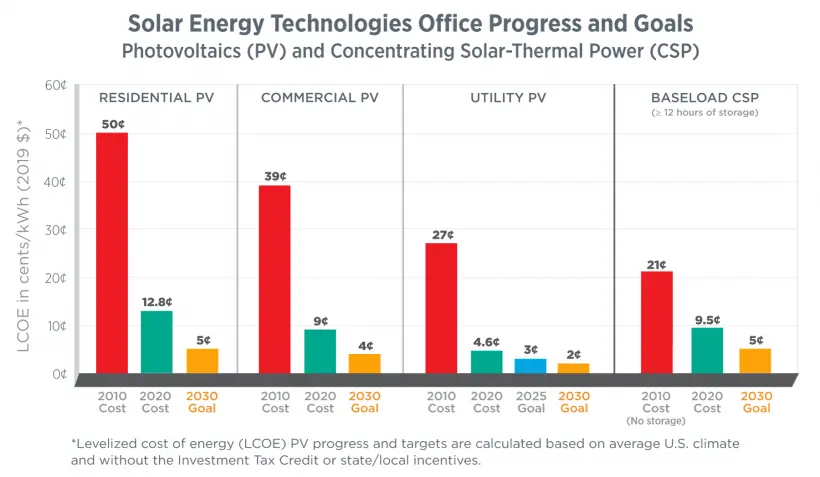
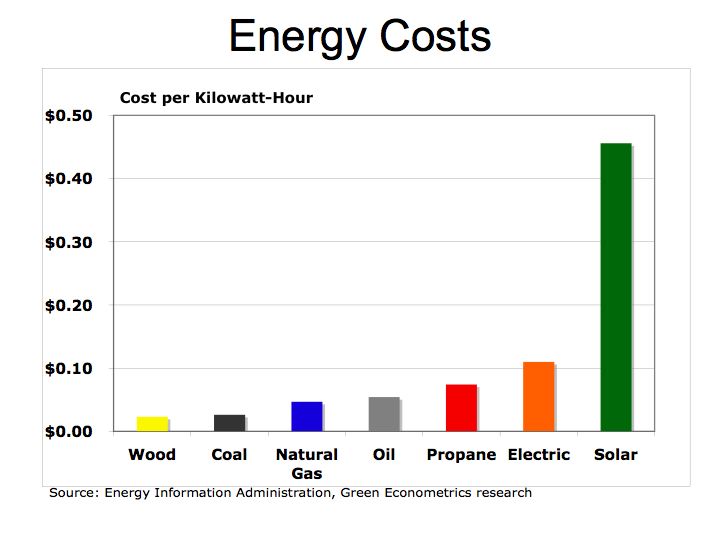
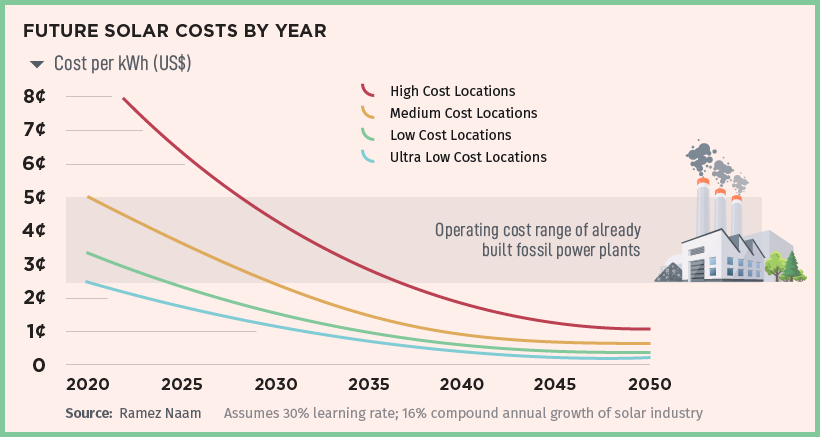
Studies have shown that solar energy costs have decreased significantly over the years, making it an increasingly viable option for consumers. The majority of the cost reduction can be attributed to advancements in technology, economies of scale, and declining hardware costs.
However, the cost of non-hardware costs, such as installation, permitting, and inspection, has also decreased. As the solar energy market continues to grow, understanding the solar energy cost structure analysis is essential for informed decision-making and policy development.
Conclusion
In conclusion, the solar energy cost structure analysis is a complex but essential aspect of the solar energy industry. By breaking down the total cost of ownership into its various components, policymakers, entrepreneurs, and consumers can make informed decisions about investing in solar energy systems. As the industry continues to evolve, continued research and development will be crucial to drive down costs and improve the efficiency of solar energy systems.
References
- National Renewable Energy Laboratory (NREL). (2022). Solar Installed System Cost Analysis.
- Energy Information Administration. (2022). U.S. Energy Statistics.
- International Renewable Energy Agency. (2022). Solar Energy Market Analysis.
- National Renewable Energy Laboratory. (2022). Solar Power System Cost Analysis Models: A Data-Driven Approach.