The Relationship Between GLP-1 and Cortisol for Calorie Regulation
GLucagon-like peptide-1 (GLP-1) has emerged as a key player in regulating metabolism, and its impact on calorie regulation is an area of growing interest. Recent research has shed light on the complex relationship between GLP-1 and cortisol, the body's primary stress hormone, in modulating calorie balance.
Understanding the Physiology of GLP-1 and Cortisol
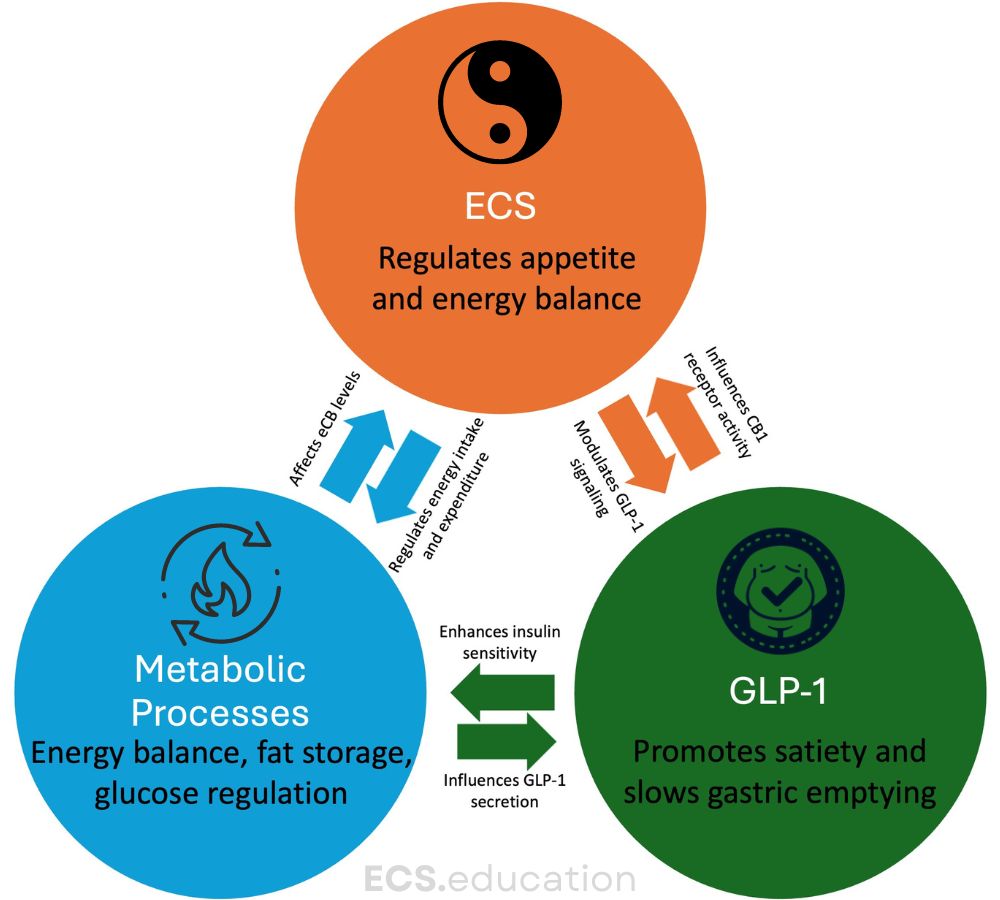
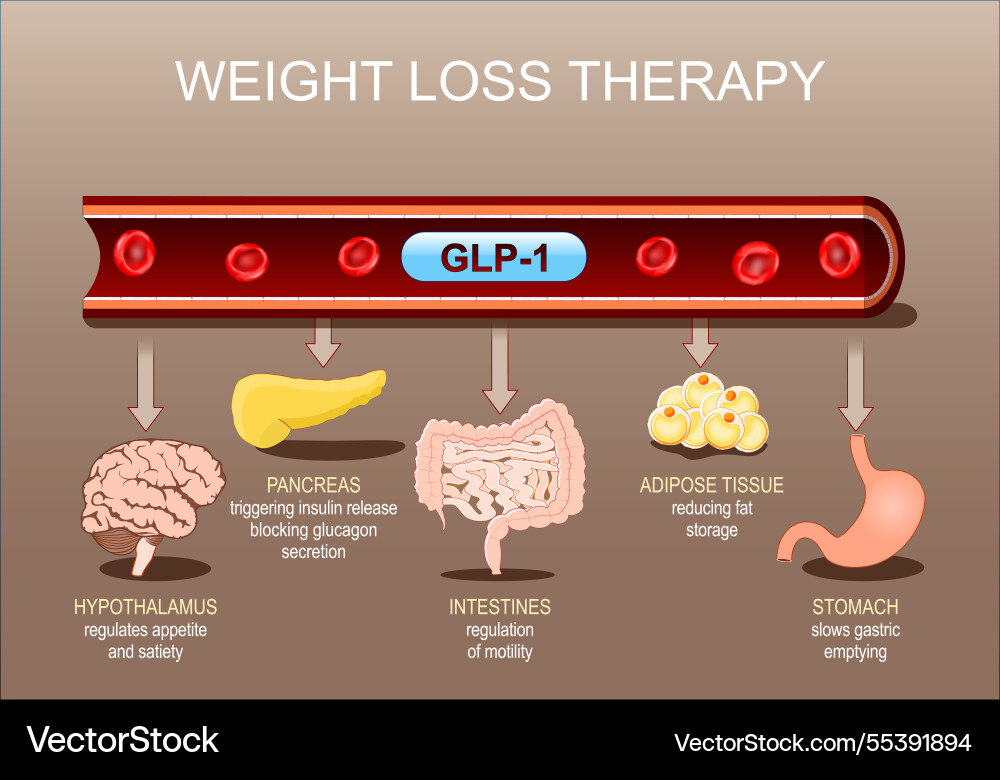
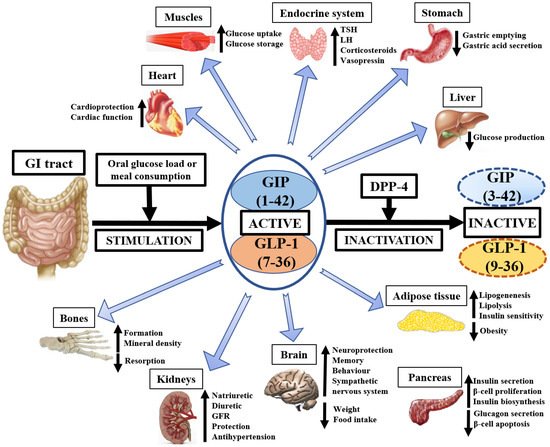
GLP-1 is an incretin hormone secreted by the intestine in response to nutrient ingestion, stimulating glucose-dependent insulin secretion. However, its role extends beyond glucose regulation, as it also plays a significant part in the regulation of appetite and satiety. Cortisol, on the other hand, is a stress hormone released in response to physical or emotional stress, triggering the body's "fight or flight" response.
The Interplay Between GLP-1 and Cortisol
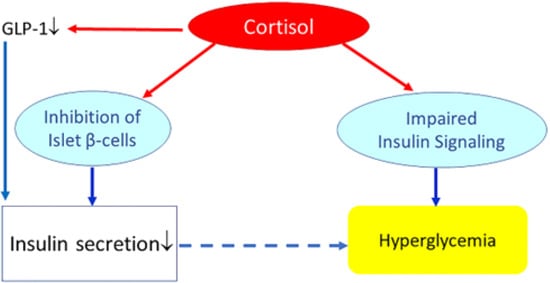
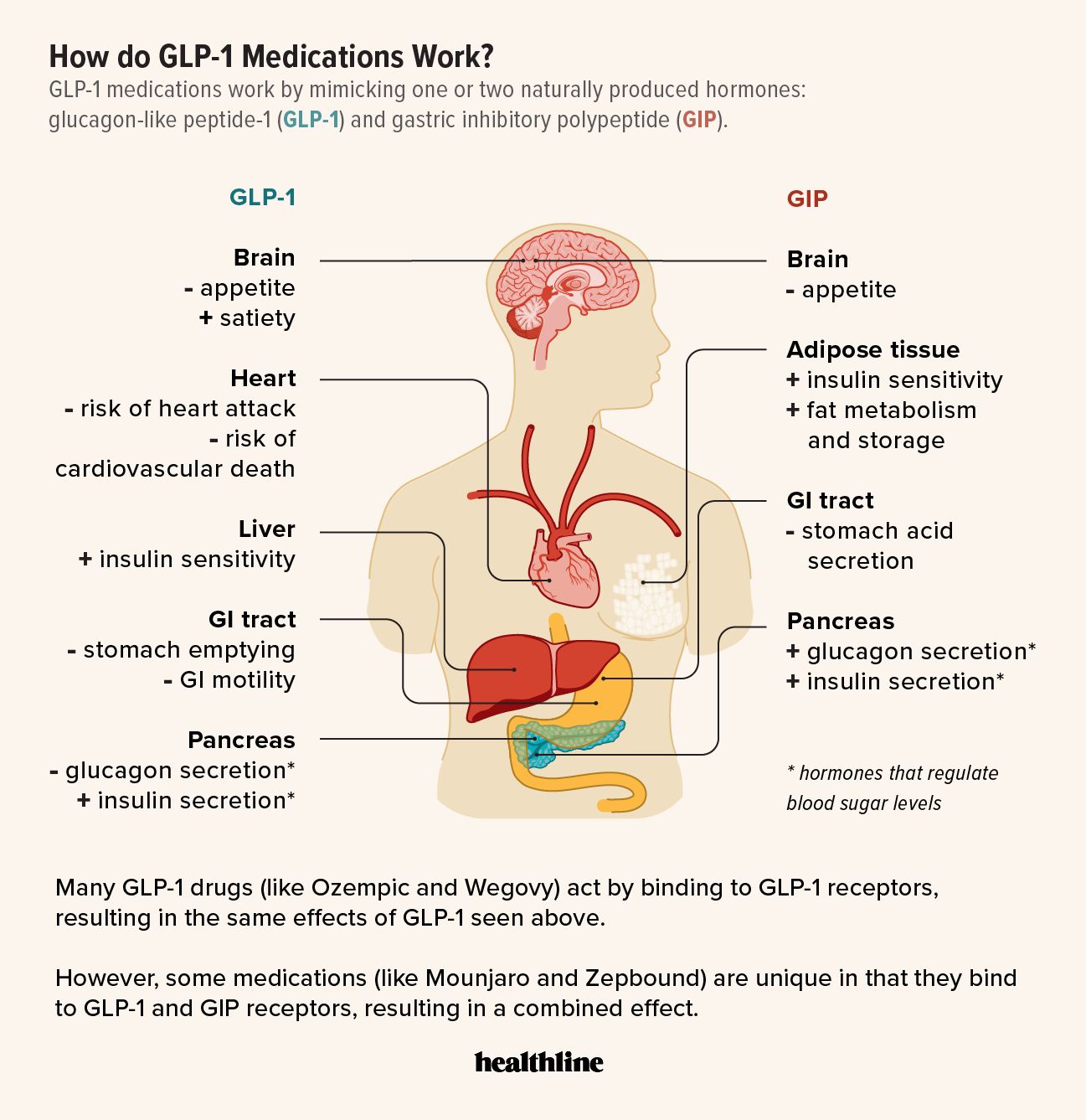
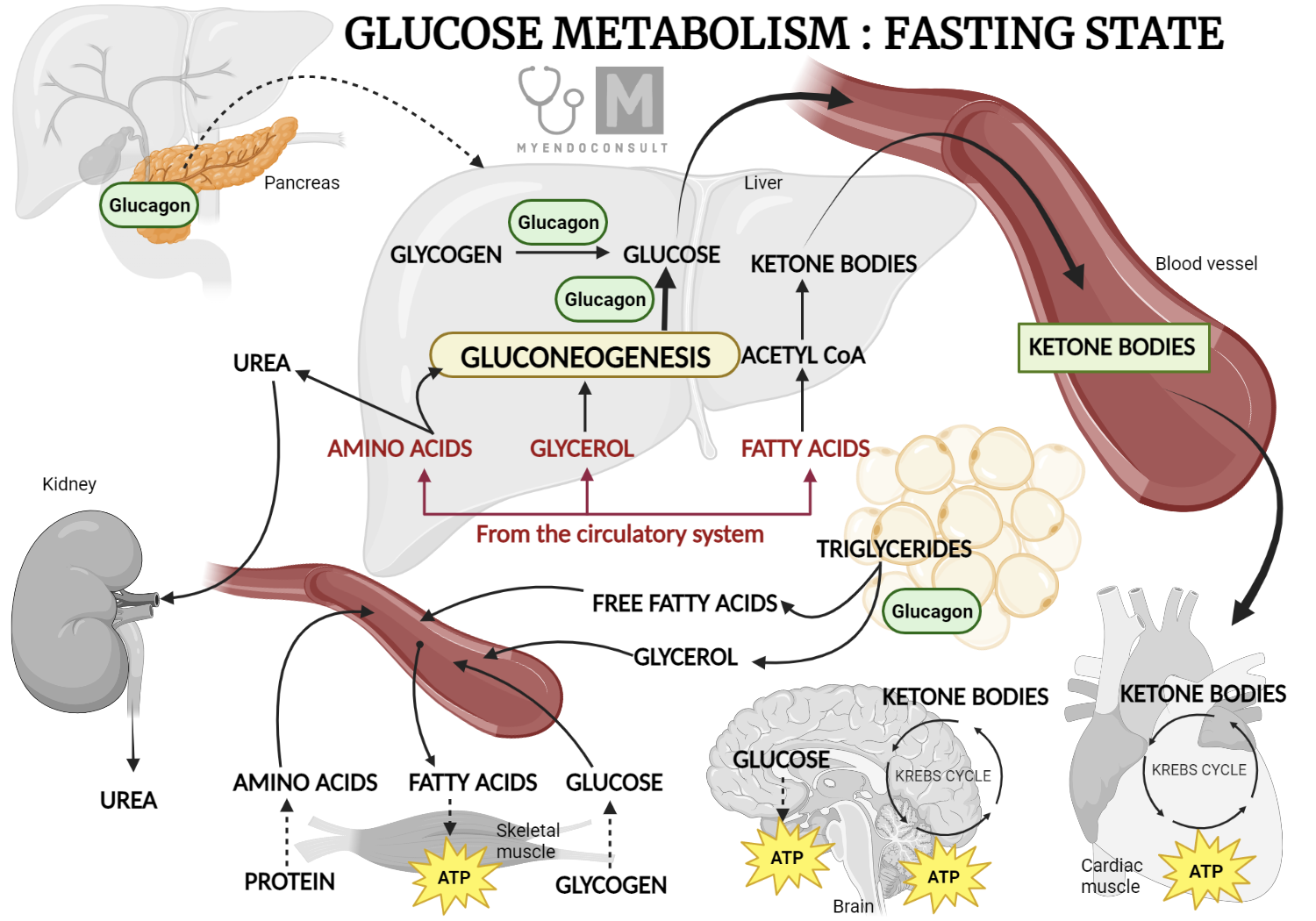
Research has shown that there is a complex interplay between GLP-1 and cortisol in regulating calorie balance. Elevated cortisol levels can lead to increased glucose availability in the bloodstream, leading to insulin resistance and metabolic dysregulation. Conversely, GLP-1 receptor agonists, such as semaglutide and tirzepatide, have been found to have a beneficial effect on metabolic health, including reducing glucose levels and enhancing insulin sensitivity.
Stress and Cortisol: A Key Driver of GLP-1 Modulation
Recent studies have highlighted the significance of stress and cortisol levels in modulating GLP-1 activity. Chronic stress can lead to elevated cortisol levels, which can blunt GLP-1 release, thereby impairing appetite regulation and calorie balance. Furthermore, research has shown that GLP-1 receptor agonists can counteract the negative effects of chronic stress on GLP-1 activity, thereby promoting improved metabolic health.
Dietary Influences on GLP-1 and Cortisol Balance
The relationship between diet and GLP-1/cortisol balance is multifaceted. Some studies have shown that a low-calorie diet can lead to reduced GLP-1 secretion, whereas high-protein diets may enhance GLP-1 release. Furthermore, meal composition and macronutrient composition may influence postprandial GLP-1 secretion, underscoring the importance of balanced nutrition in maintaining GLP-1/cortisol homeostasis.
Natural Ways to Boost GLP-1 and Regulate Cortisol
Natural dietary and lifestyle interventions can help support GLP-1 and cortisol balance. Emerging research has suggested that physical exercise, stress management, and adequate sleep may enhance GLP-1 release and reduce cortisol levels. Additionally, certain nutrients, such as chromium, zinc, and probiotics, have been found to have a beneficial effect on GLP-1 activity and cortisol regulation.
Conclusion: Unlocking the Potential of GLP-1 in Calorie Regulation
Understanding the intricate relationship between GLP-1 and cortisol in regulating calorie balance is crucial for optimal metabolic health. By exploring the complex interplay between these two hormones and the impact of dietary and lifestyle factors on their activity, we can unlock the full potential of GLP-1 in supporting calorie regulation and overall health.
- GLP-1 receptor agonists have been found to have beneficial effects on metabolic health, including reducing glucose levels and enhancing insulin sensitivity.
- Chronic stress can lead to elevated cortisol levels, which can blunt GLP-1 release, thereby impairing appetite regulation and calorie balance.
- A low-calorie diet may lead to reduced GLP-1 secretion, whereas high-protein diets may enhance GLP-1 release.
- Physical exercise, stress management, and adequate sleep may enhance GLP-1 release and reduce cortisol levels.
- Certain nutrients, such as chromium, zinc, and probiotics, have been found to have a beneficial effect on GLP-1 activity and cortisol regulation.