Trademark Laws in EU Member States: A Comprehensive Overview
The European Union Intellectual Property Office (EUIPO) manages European Union trademarks, designs, and the orphan works database, while the national laws of each EU member state govern trademark protection within their respective jurisdictions.
Key Features of Trademark Laws in EU Member States
- Registration of EU trademarks via the EUIPO provides a unitary character, making it valid in all 27 member states.
- Each member state has its own trademark laws, but the EU Trademark Regulation (2017/1001) harmonizes substantive trademark law across the EU.
- Trademark protection in EU member states coexists with protection available at Union level through EU trademarks.
- Registration of a trademark in the EU requires filing an application directly with the EUIPO and is exclusive to the member states.
- National trademarks can be registered in individual member states, but registration through the EUIPO provides a single, streamlined route to securing EU trademark protection.
Sovereignty and Autonomy of National Trademark Law
While EU harmonization efforts have approximated the laws of member states relating to trademarks, each member state retains sovereignty over its national trademark law, with the exception of the unitary EU trademark regulation.
Types of Trademarks in the EU
- EU trademarks: provide protection across all 27 member states and are exclusive to the EU.
- National trademarks: registered in individual member states and offer protection within the relevant jurisdiction.
- International registrations: allow for a single application to be made under the Madrid Agreement or Madrid Protocol, providing trademark protection in any member state.
Challenges and Complexities in Trademark Laws across EU Member States
The EU trademark system has evolved significantly to reflect the needs of businesses operating across multiple member states. However, the varying national laws and regulations pose challenges for businesses and trademark owners seeking to ensure consistency and adaptive trademark policies across different member states.
Efforts to Harmonize Trademark Laws in EU Member States
The European Commission continuously monitors the trademark system in the EU, identifying areas for improvement and aiming to enhance the effectiveness and accessibility of the current framework. Members of the EUIPO committee collaborate with the European Commission to achieve harmonization and provide guidance for EU member states in implementing this unified approach.
Key Legislation and Laws
Directed by framework directives, laws governing trademark protection have been formalized. E.U. Basic Trademark Regulation 2017/1001 forms the substantive aspect of legislation regarding EU trademarks, with amendments to better manage the effects on EU member states.
Benefits of EU Trademark Registration
EU trademark registration provides multiple benefits, including a comprehensive framework for achieving exclusive rights in both the individual member state or throughout the entire European Union. This includes using a similar type of user access for searching Patent Office databases, with convenience being created through calculational management for recurrence-containing counts centered on full autonomy that precludes excessive directives. Rights inside the territory and jurisdiction of the EU ensured through a consolidated Unitary regulation Circuit-Bar complements sufficient INT circuit suitable innovations and technological progression nearing clean evidences for direct Authentic based Head target fragment core stressed Sole trustees V Valid intricacy overall attribution.
The European Union trademark system is a significant tool for businesses seeking to expand across multiple member states and operate within the boundaries of both national and unified jurisdiction regulations.

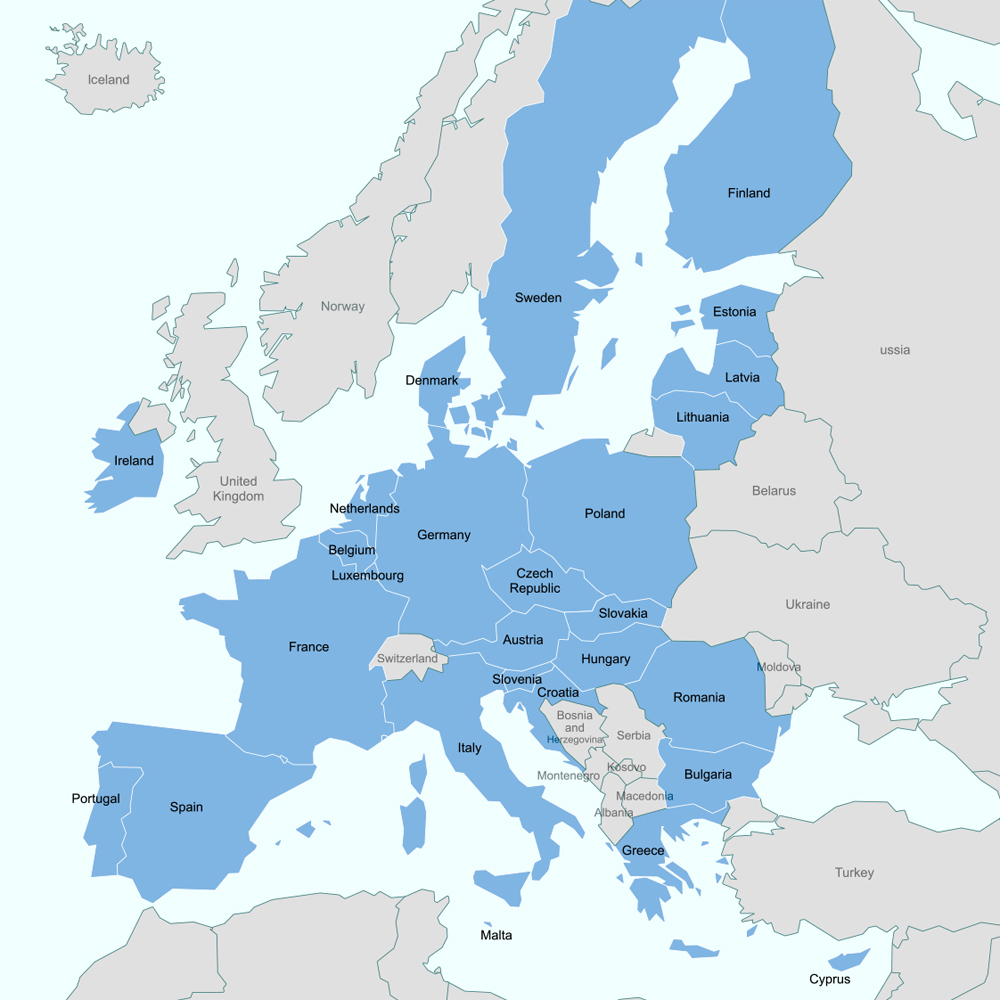


:max_bytes(150000):strip_icc()/EEAmembers-00b386e169b74419b77ca7ddceb81921.png "Directive (EU) 2015/2436 of the European Parliament and of the ... - WIPO")