Understanding Trademark Search and Opposition: A Comprehensive Guide
The process of trademark search and opposition is a critical component of trademark law, allowing businesses to protect their brand identities and prevent conflicts with existing trademarks. In this article, we will delve into the world of trademark search and opposition, exploring the intricacies of the process and providing valuable insights for businesses seeking to safeguard their brands.
What is Trademark Search and Opposition?
Trademark search and opposition is a legal challenge against the registration of a trademark. This can be initiated by a third party who believes that the trademark is too similar to their own registered trademark or is in conflict with common law trademark rights. The process typically begins with a comprehensive search of existing trademarks to determine whether the proposed mark is available for registration.
Assessing Trademark Opposition Risks
Before diving into the opposition process, it's crucial to assess the risks associated with your trademark application or registration. This involves identifying potential grounds for opposition, evaluating the strength of your mark or the opposing mark, and understanding the role of prior registrations and common law rights. By conducting a thorough risk assessment, businesses can make informed decisions about their trademark strategy and minimize potential opposition challenges.
Trademark Search: The Foundation of a Strong Trademark Strategy
A thorough trademark search is essential to ensure that your mark is available for registration and does not conflict with existing trademarks. This search should include a review of the United States Patent and Trademark Office (USPTO) database, as well as common law trademarks and domain names. By conducting a comprehensive search, businesses can avoid costly opposition challenges and potential trademark infringement lawsuits.
Understanding the Opposition Process
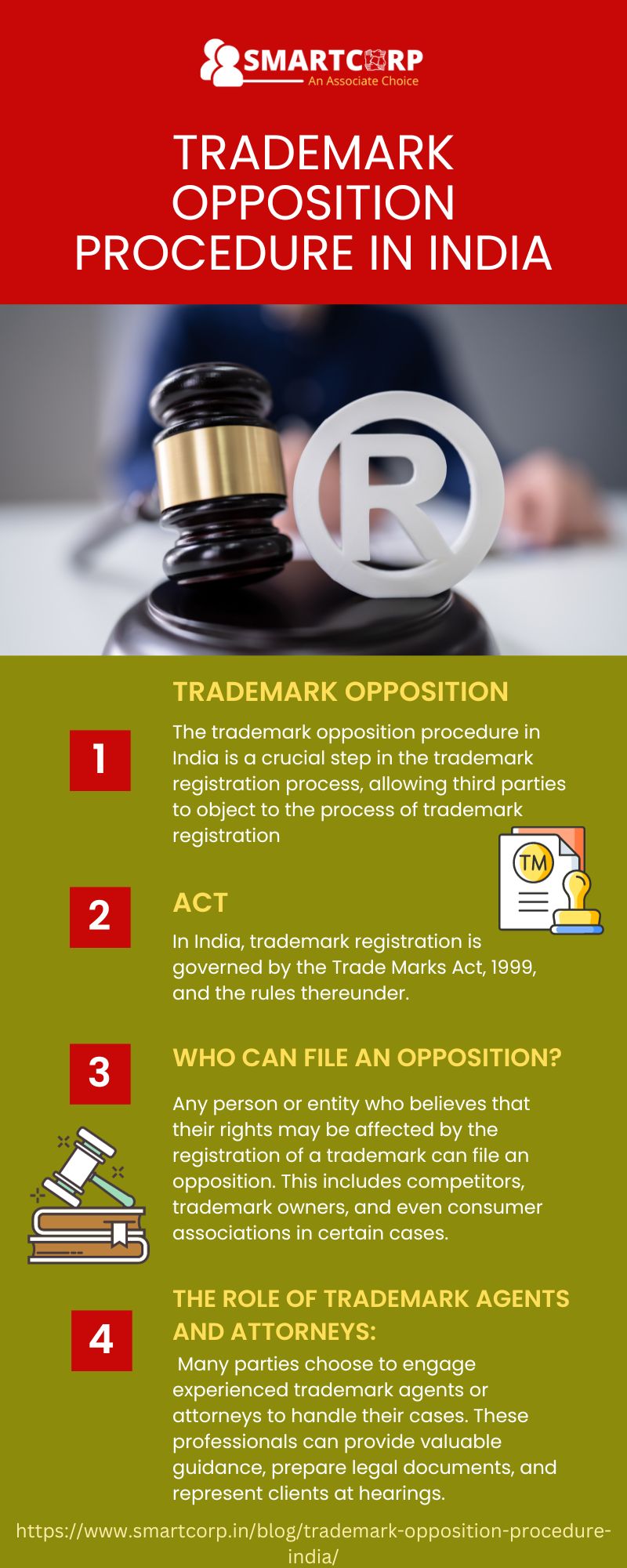
Once a trademark application has been filed, it will be published for a 30-day opposition period. During this time, third parties can file an opposition to the application, citing grounds for opposition such as likelihood of confusion or dilution. The opposition process involves a series of exchanges between the parties, with the applicant and opposer presenting evidence and arguments in support of their positions.
The Role of the Trademark Trial and Appeal Board (TTAB)
The TTAB is responsible for reviewing opposition proceedings and making decisions on trademark disputes. The TTAB is a specialized court that hears cases involving trademark opposition, cancellation, and appeal. Businesses seeking to challenge a trademark registration or defend against an opposition will need to navigate the TTAB's rules and procedures to ensure the best possible outcome.
Best Practices for Trademark Search and Opposition
To ensure a successful trademark strategy, businesses should follow best practices for trademark search and opposition. This includes conducting comprehensive searches, assessing opposition risks, and understanding the TTAB's rules and procedures. By staying informed and proactive, businesses can protect their brands and prevent costly opposition challenges.
Conclusion
Trademark search and opposition is a critical component of trademark law, allowing businesses to protect their brand identities and prevent conflicts with existing trademarks. By understanding the intricacies of the process and following best practices, businesses can ensure a successful trademark strategy and safeguard their brands for years to come.
Key Takeaways
- Trademark search and opposition is a critical component of trademark law.
- Conducting a comprehensive trademark search is essential to ensure that your mark is available for registration.
- The opposition process involves a series of exchanges between the parties, with the applicant and opposer presenting evidence and arguments in support of their positions.
- The TTAB is responsible for reviewing opposition proceedings and making decisions on trademark disputes.
- Best practices for trademark search and opposition include conducting comprehensive searches, assessing opposition risks, and understanding the TTAB's rules and procedures.