Unlocking the Power of Urban Branding Strategies
In today's competitive urban landscape, cities and towns are increasingly recognizing the importance of branding in urban planning. Effective branding can help differentiate a city from its competitors, attract businesses and tourists, and foster a sense of community among residents. In this article, we'll explore the principles and strategies of urban branding, examining the role it plays in shaping city identities and driving redevelopment efforts.The Importance of Urban Branding
Urban branding is a strategic process that aims to create a unique identity for a city, distinguishing it from others and making it more attractive to visitors, investors, and residents. By understanding the concept of urban branding, its importance, and the key elements that make it successful, cities can develop effective branding strategies to attract tourists, businesses, and talent.Urban Branding Strategies for Success
So, what makes a successful urban branding strategy? Here are some key elements to consider:- Unique Identity**: Developing a unique and distinctive identity for your city that reflects its culture, history, and character.
- Culture and Design**: Incorporating local culture and design elements into urban spaces to create a sense of place and community.
- Community Engagement**: Engaging with residents and stakeholders to ensure that the branding strategy reflects their needs and values.
- Storytelling**: Creating compelling stories about the city's history, culture, and attractions to attract visitors and investors.
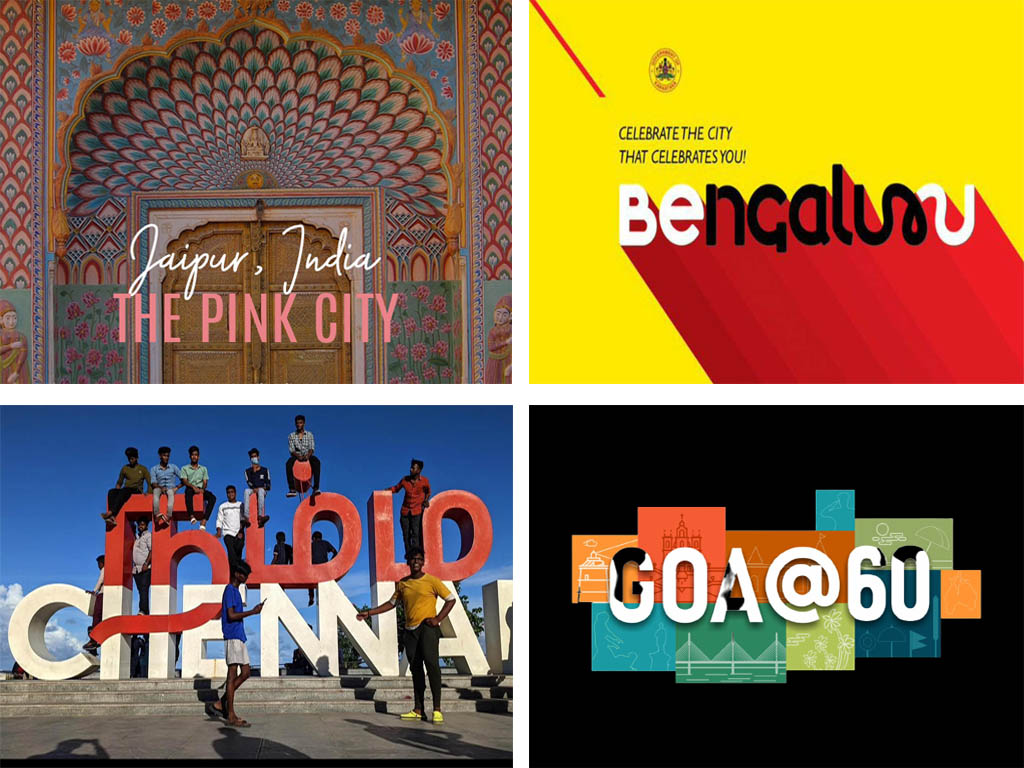
- Visual Identity**: Developing a consistent visual identity for the city, including logos, graphics, and color schemes.
Best Practices for Urban Branding

- Define Your City's Identity**: Develop a clear and concise statement that captures the essence of your city's unique character.
- Know Your Audience**: Understand your target audience and tailor your branding strategy to meet their needs and interests.
- Make an Effective Strategy**: Develop a comprehensive strategy that incorporates all aspects of urban branding, including culture, design, community engagement, and storytelling.
- Engage with Residents and Stakeholders**: Collaborate with residents, businesses, and other stakeholders to ensure that the branding strategy reflects their needs and values.
- Monitor and Evaluate**: Regularly monitor and evaluate the effectiveness of your urban branding strategy and make adjustments as needed.
Case Studies and Examples
There are many successful urban branding strategies that offer valuable lessons for cities looking to create a strong and distinctive brand. Here are a few examples:- Copenhagen**: Copenhagen's urban branding strategy focuses on creating a unique identity that showcases the city's culture, design, and community.
- Singapore**: Singapore's urban branding strategy emphasizes the city-state's unique blend of Asian and Western cultures, its highly developed infrastructure, and its position as a hub for business and innovation.
- New York City**: New York City's urban branding strategy highlights the city's iconic skyline, its diverse neighborhoods, and its rich cultural attractions.