Using GLP-1 Agonist Medications as Part of a Pre-Diabetes Diet
Pre-diabetes is a condition where blood sugar levels are higher than normal but not high enough to be classified as diabetes. It's estimated that over 100 million Americans have pre-diabetes, and if left untreated, it can increase the risk of developing type 2 diabetes, heart disease, and stroke.
Lifestyle modifications, such as a healthy diet and regular exercise, are the primary mode of management for pre-diabetes. However, for a large proportion of the world's population, lifestyle interventions alone have not facilitated sufficient weight loss. This is where GLP-1 agonist medications come in – a class of medications that can be used as part of a pre-diabetes diet to help manage blood sugar levels and trigger weight loss.
What are GLP-1 Agonist Medications?
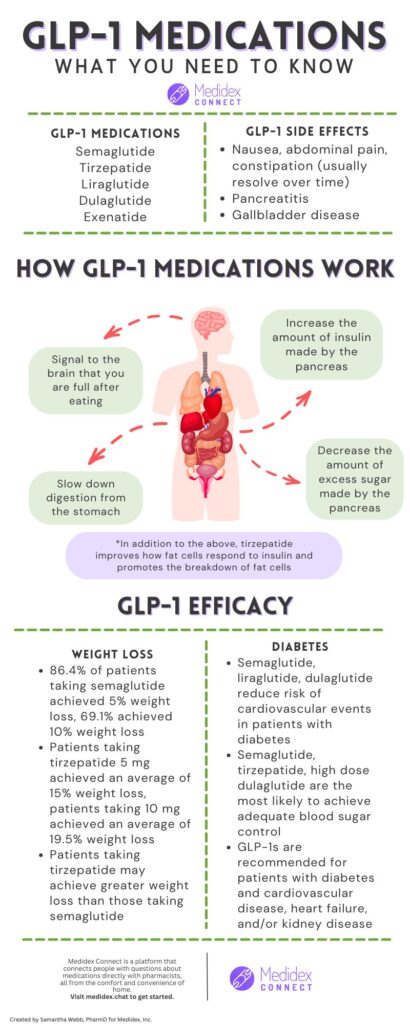
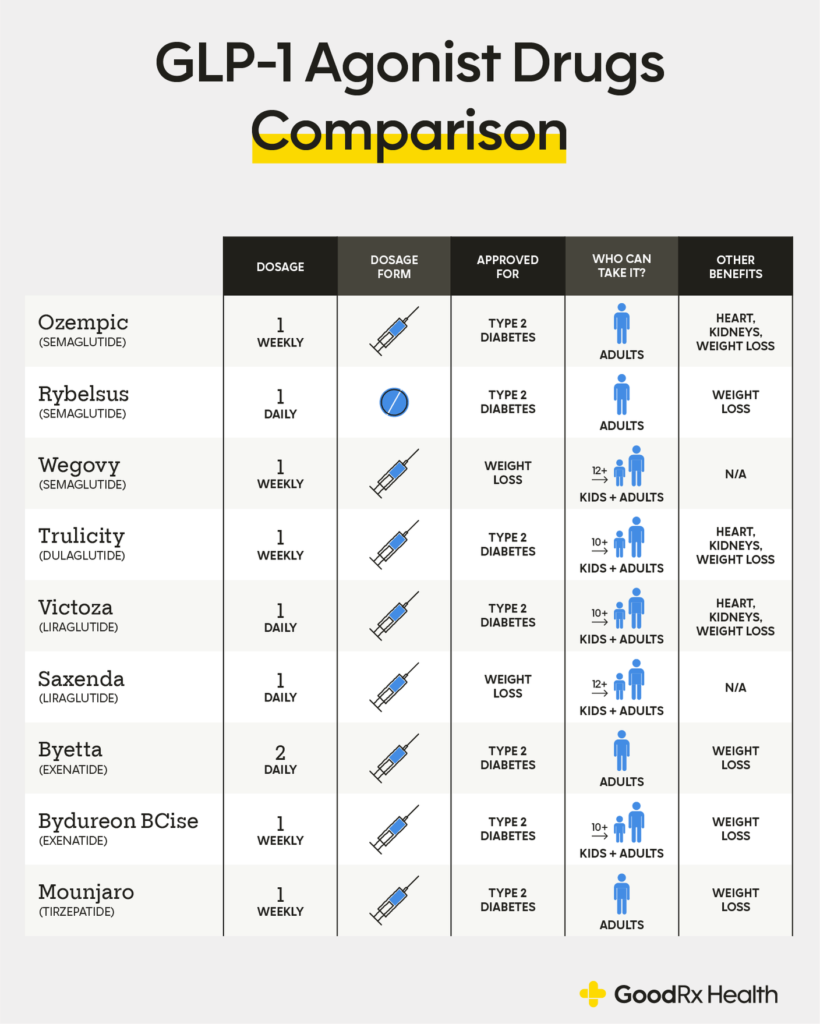
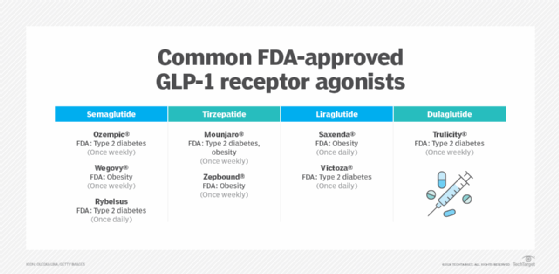
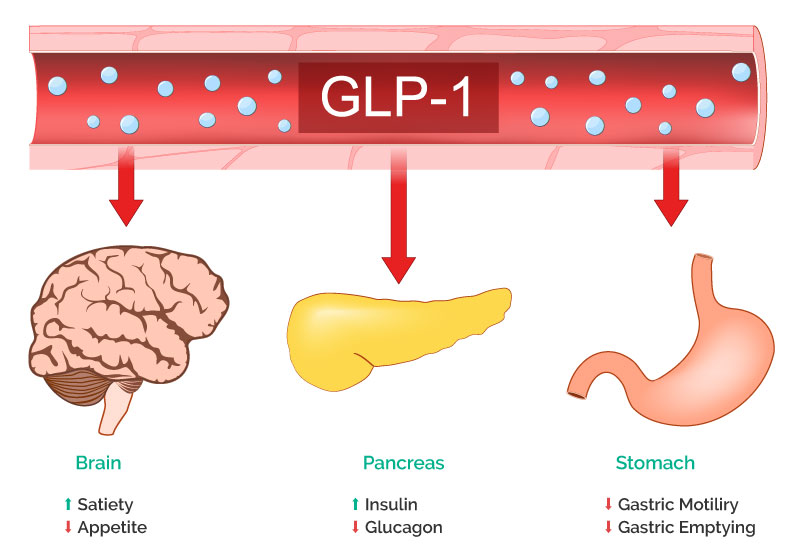
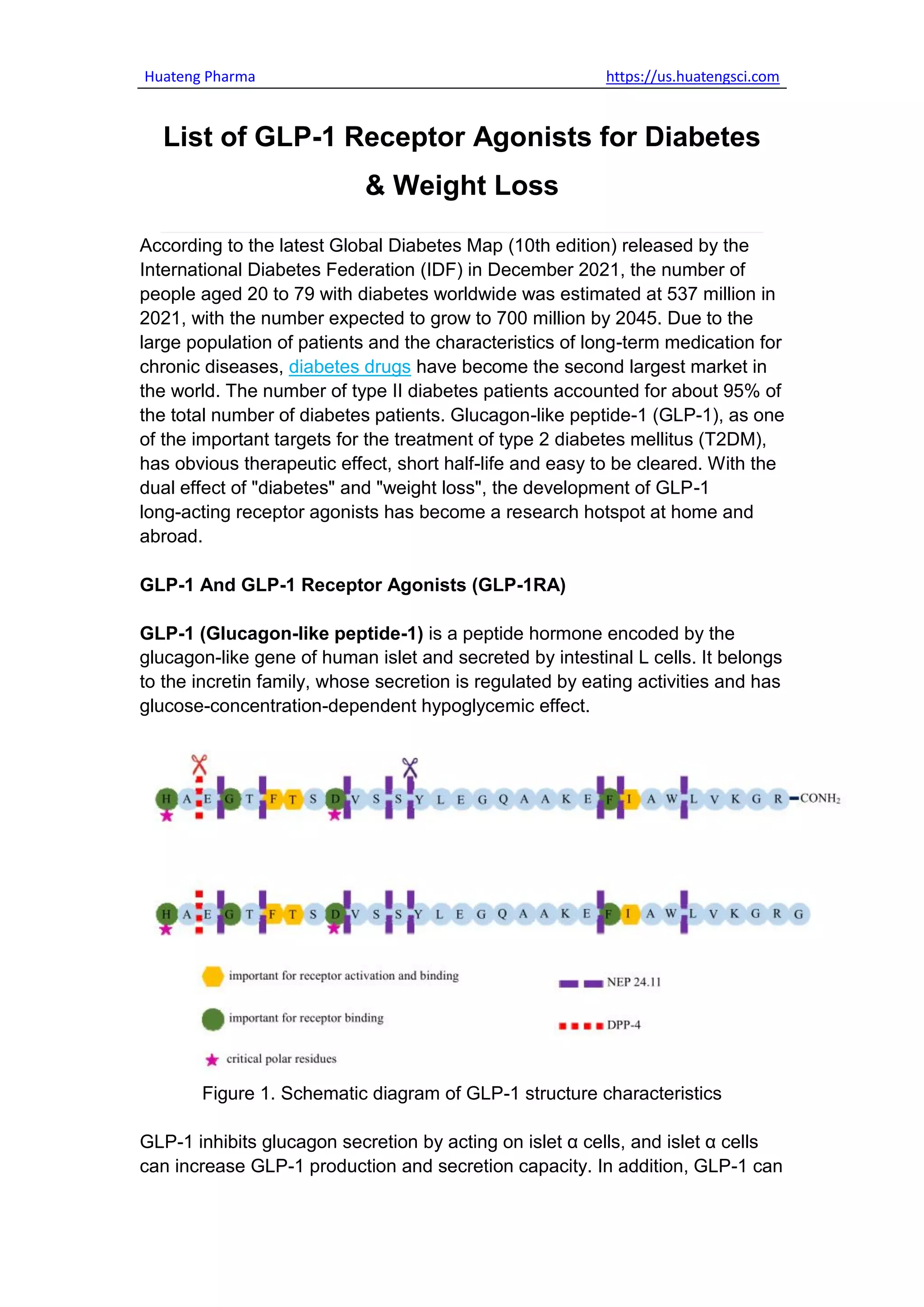
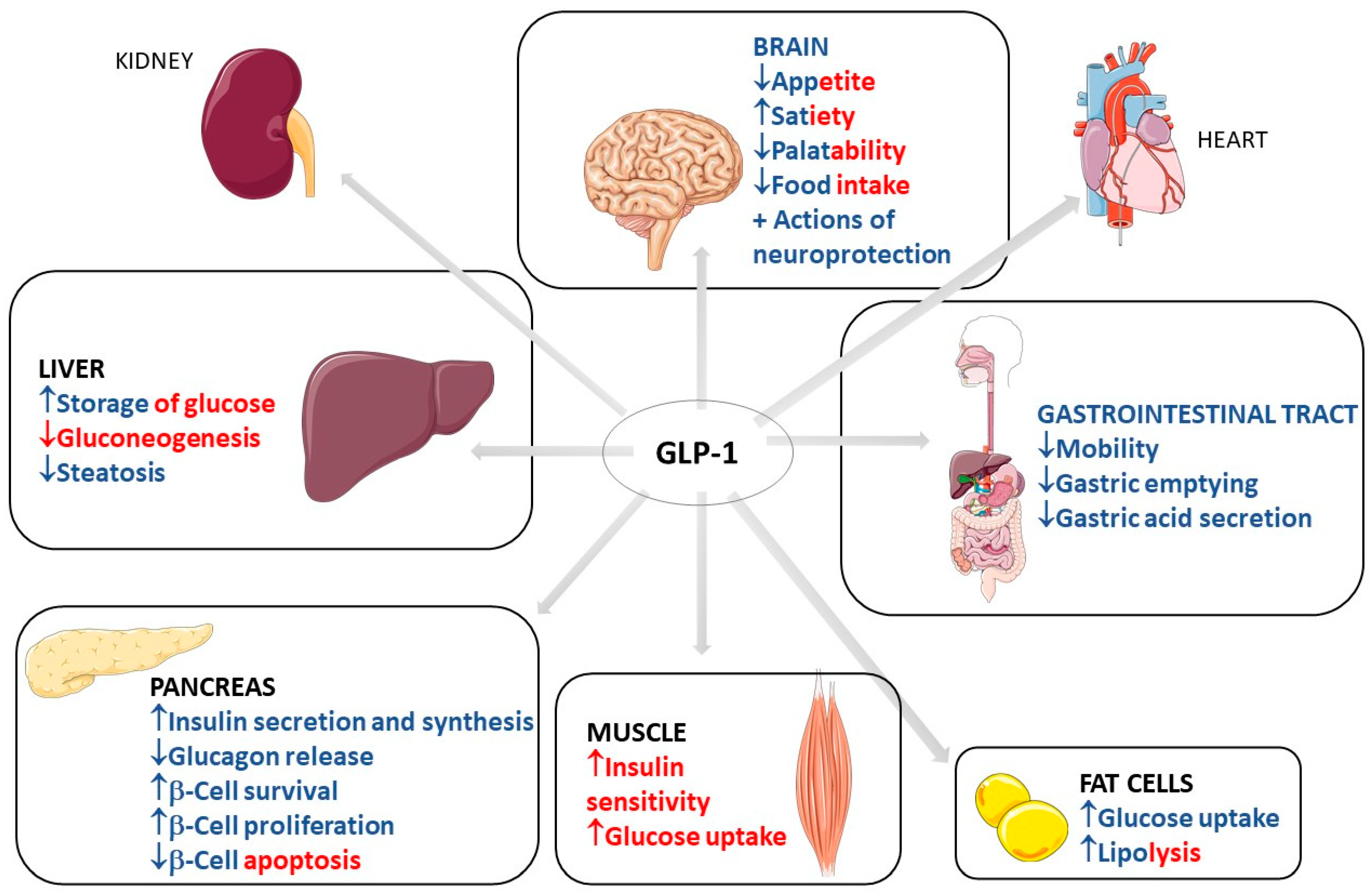
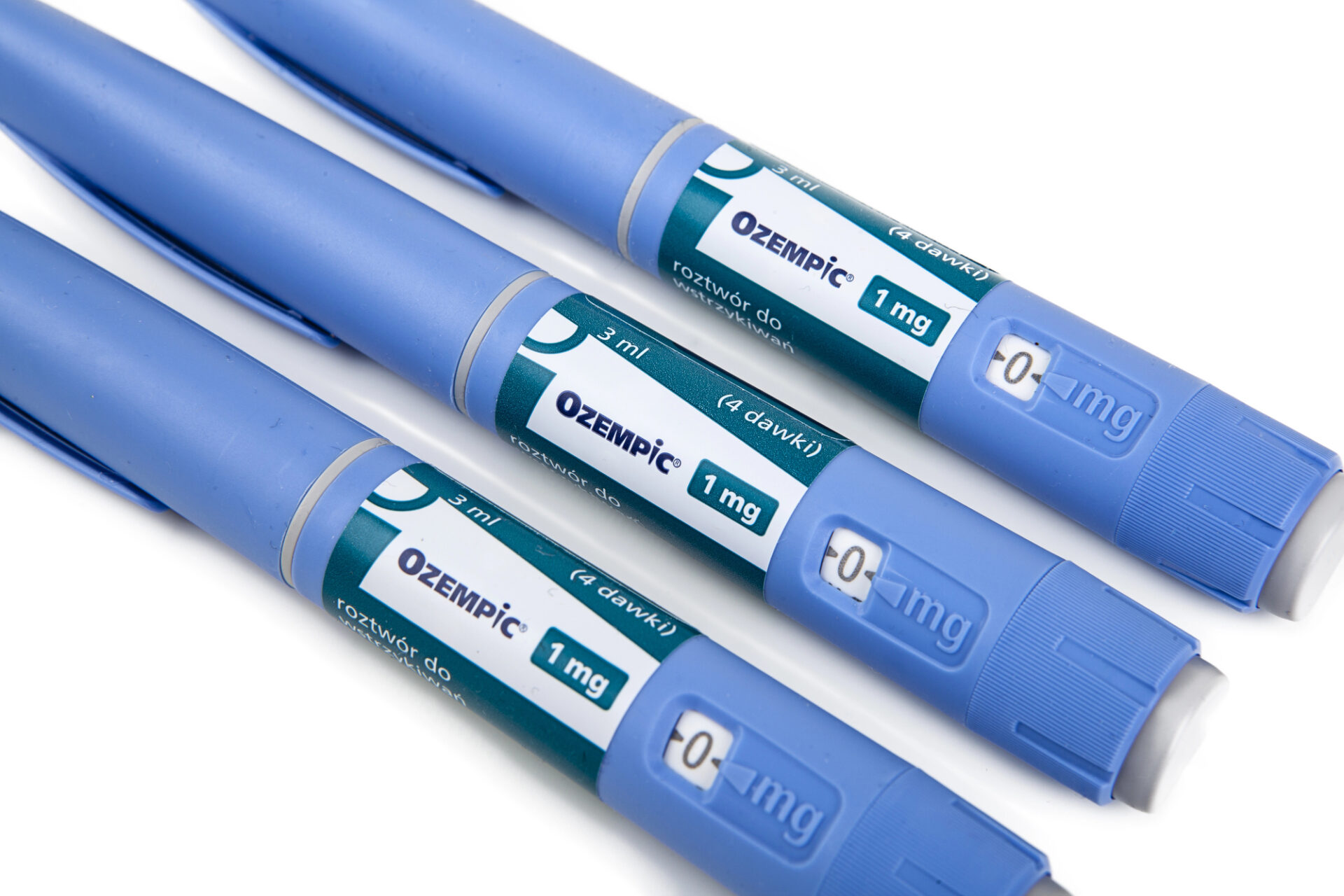
GLP-1 agonist medications are injectable medications that mimic the action of a natural hormone called glucagon-like peptide-1 (GLP-1). GLP-1 is released in response to eating and helps to regulate blood sugar levels by stimulating insulin secretion and suppressing glucagon production. GLP-1 agonist medications, such as semaglutide (Ozempic, Wegovy, Rybelsus), dulaglutide (Trulicity), and tirzepatide (Mounjaro), have shown effectiveness in lowering blood sugar levels and promoting weight loss in people with type 2 diabetes.
Using GLP-1 Agonist Medications as Part of a Pre-Diabetes Diet
While GLP-1 agonist medications are primarily prescribed for diabetes management, their weight loss potential has led to increased off-label use in individuals with pre-diabetes. Using GLP-1 agonist medications as part of a pre-diabetes diet can help to:
- Lower blood sugar levels and reduce the risk of developing type 2 diabetes
- Trigger weight loss and improve body composition
- Improve insulin sensitivity and reduce insulin resistance
- Reduce the risk of cardiovascular disease and stroke
Benefits of GLP-1 Agonist Medications in Pre-Diabetes
GLP-1 agonist medications have several benefits when used as part of a pre-diabetes diet. For example:
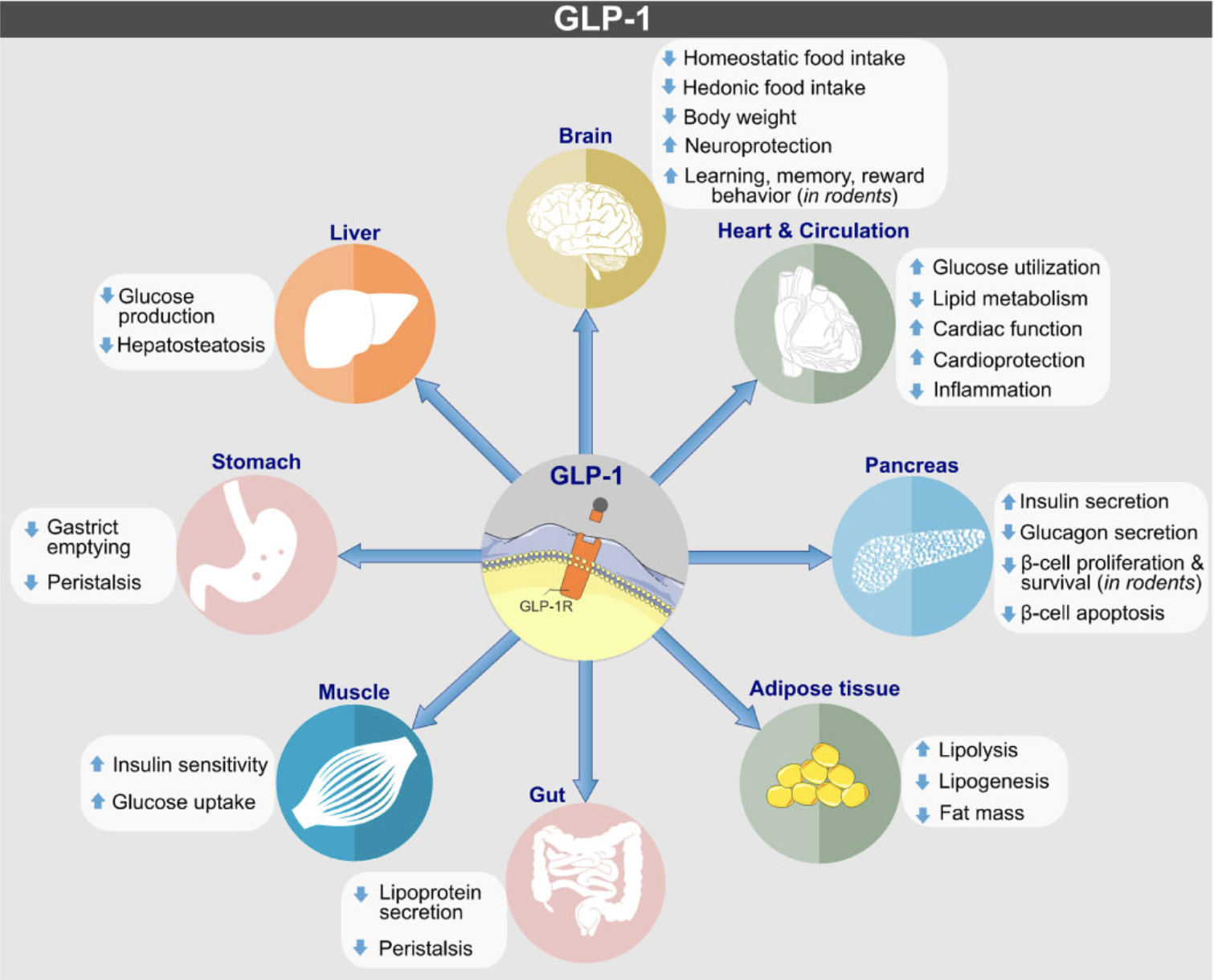
- They can help to improve glucose metabolism and reduce the risk of developing type 2 diabetes
- They can trigger weight loss and improve body composition, which can reduce the risk of cardiovascular disease and stroke
- They can improve insulin sensitivity and reduce insulin resistance, which is a major risk factor for type 2 diabetes
- They can reduce the risk of cardiovascular disease and stroke, which is a major concern for individuals with pre-diabetes
\Concerns and Potential Risks
While GLP-1 agonist medications can be effective in managing pre-diabetes, there are some concerns and potential risks to consider:
- Nausea and vomiting, which can be a side effect of GLP-1 agonist medications
- GI side effects, such as constipation and diarrhea, which can be a concern for some individuals
- Weight loss may not be uniform across all body parts, which can lead to concerns about body composition
- The long-term safety and efficacy of GLP-1 agonist medications is not yet fully understood, which can raise concerns about potential risks and side effects
Integrating GLP-1 Agonist Medications into a Pre-Diabetes Diet
Using GLP-1 agonist medications as part of a pre-diabetes diet requires a holistic approach that includes:
- A healthy diet that is high in whole, unprocessed foods and low in added sugars, saturated fats, and refined carbohydrates
- Regular monitoring of blood sugar levels and weight loss progress to ensure that the medication is working well
- Consultation with a healthcare provider to discuss any concerns or potential risks associated with GLP-1 agonist medications
Conclusion
Using GLP-1 agonist medications as part of a pre-diabetes diet can be an effective way to manage blood sugar levels and trigger weight loss. While there are some concerns and potential risks to consider, the benefits of GLP-1 agonist medications can be significant, especially when combined with lifestyle modifications. By integrating GLP-1 agonist medications into a pre-diabetes diet, individuals can improve their overall health and reduce their risk of developing type 2 diabetes and cardiovascular disease.