Using GLP-1 Agonist Medications with a Vegan Diet for Pre-Diabetes
Understanding GLP-1 Agonists and Their Benefits
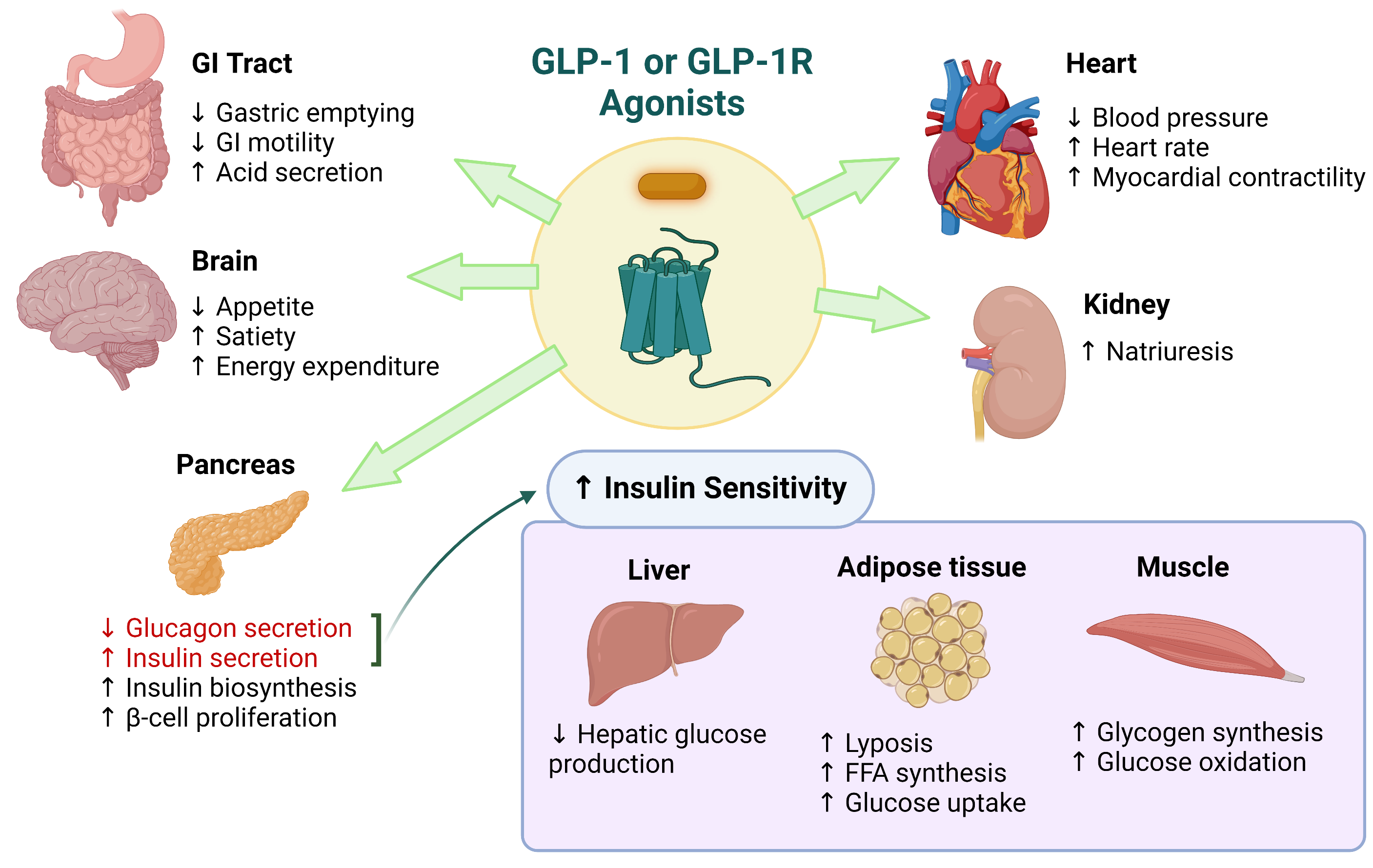
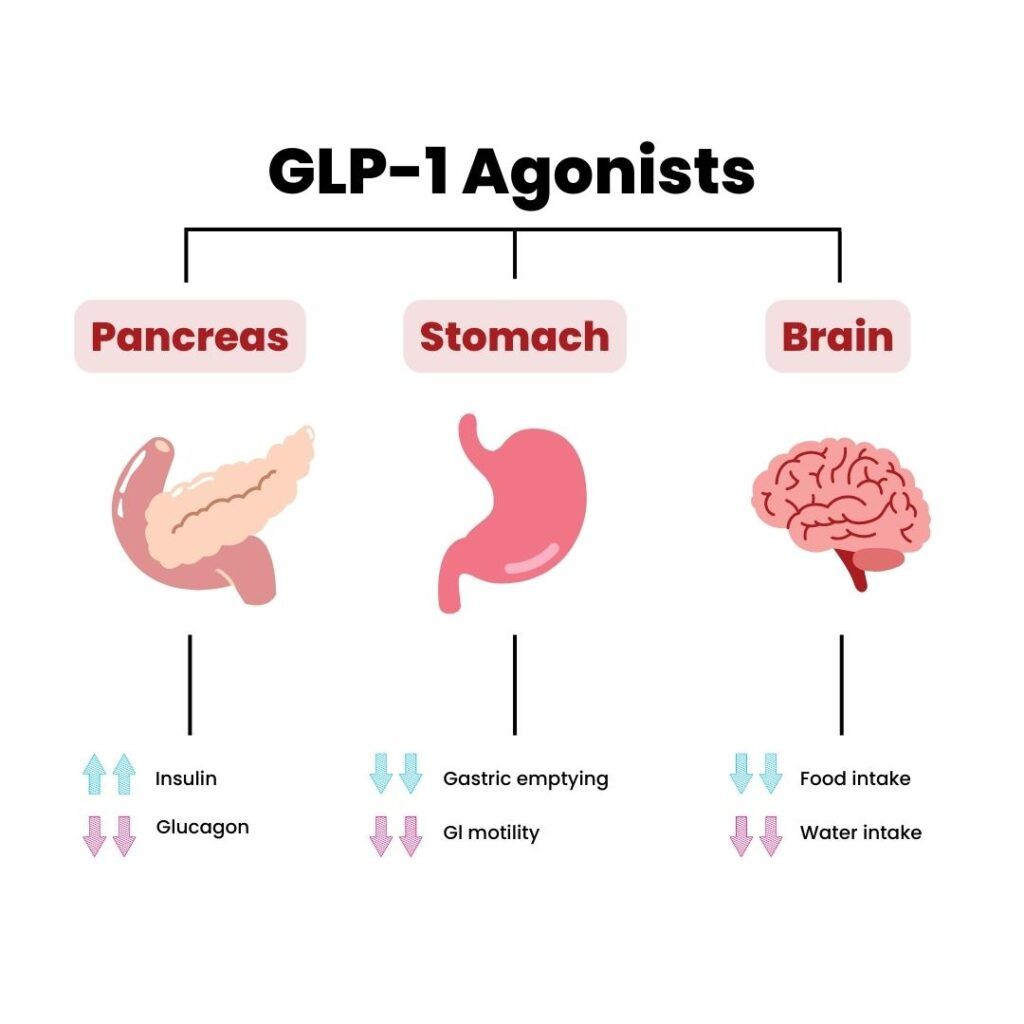
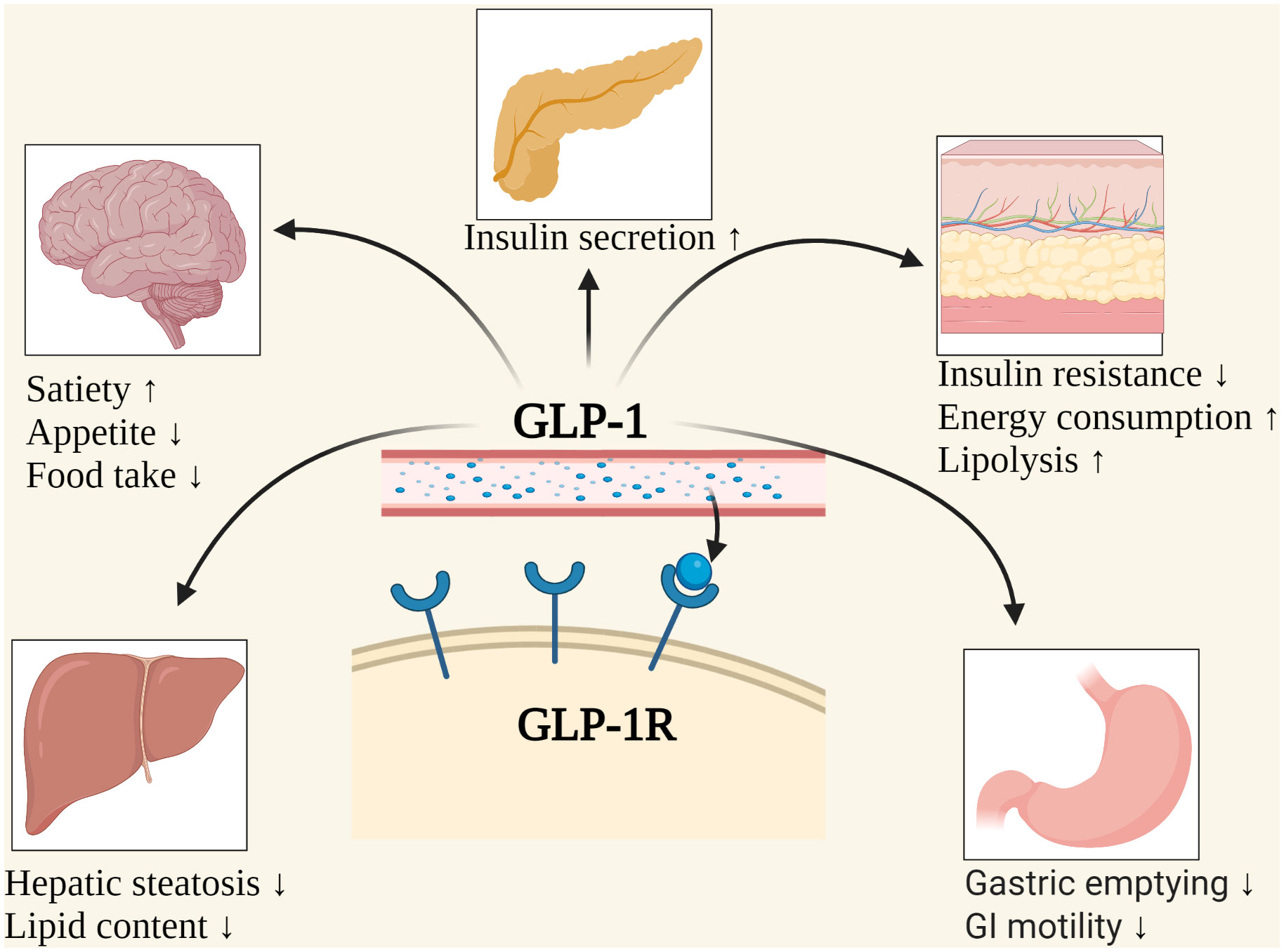
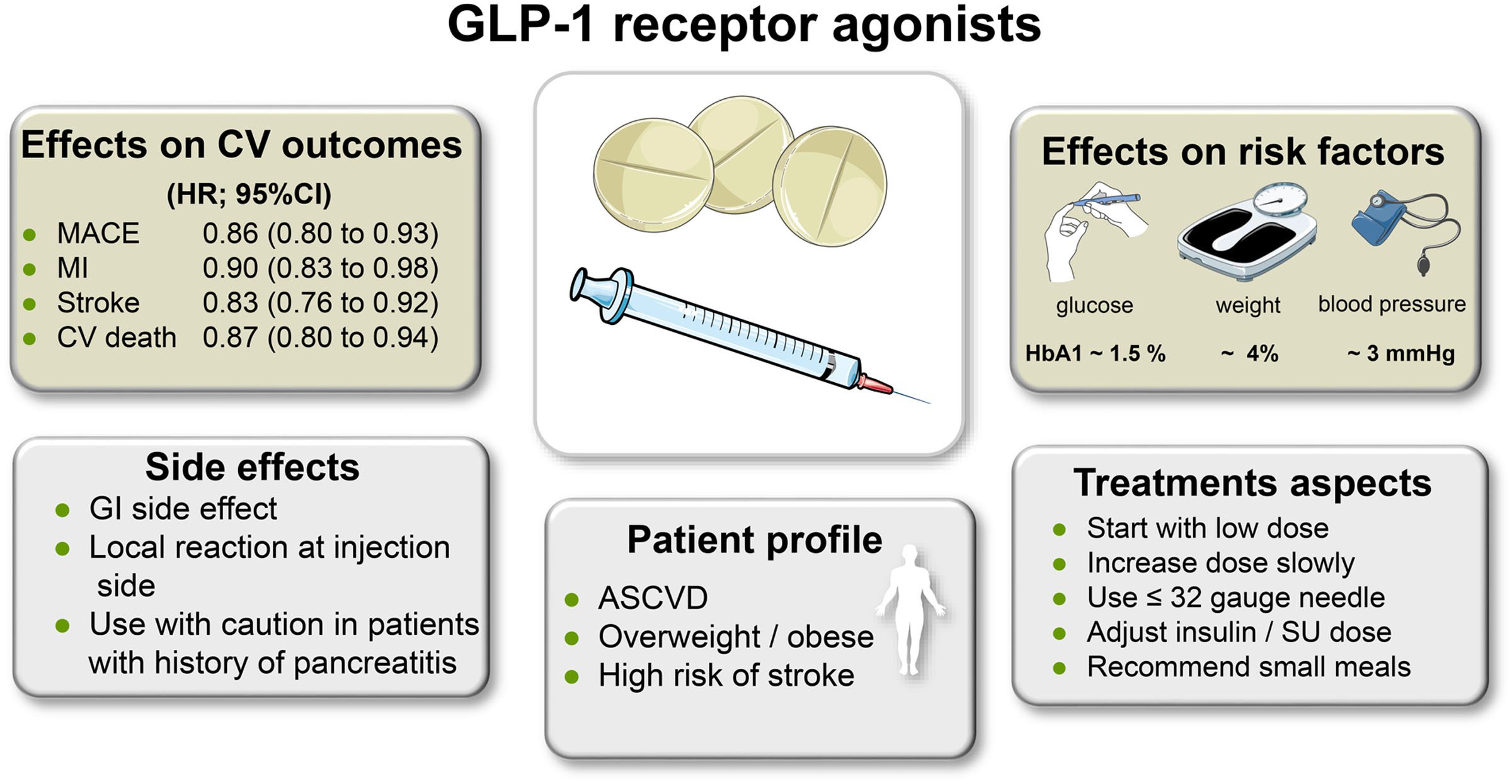
Glucagon-like peptide-1 (GLP-1) agonist medications have revolutionized the treatment of diabetes and obesity. These medications work by mimicking the action of the hormone GLP-1, which helps to regulate blood sugar levels and promote feelings of fullness and satiety. When used in conjunction with a healthy diet and regular exercise, GLP-1 agonists can be an effective treatment for pre-diabetes and type 2 diabetes.
The Importance of Diet and Lifestyle in GLP-1 Therapy
While GLP-1 agonist medications can be an effective treatment for pre-diabetes and type 2 diabetes, they are not a magic bullet. A healthy diet and regular exercise are crucial for achieving the best possible outcomes. A well-planned vegan diet can provide the nutrients and fiber needed to support the health benefits of GLP-1 agonists.
The Benefits of a Vegan Diet for GLP-1 Agonist Therapy
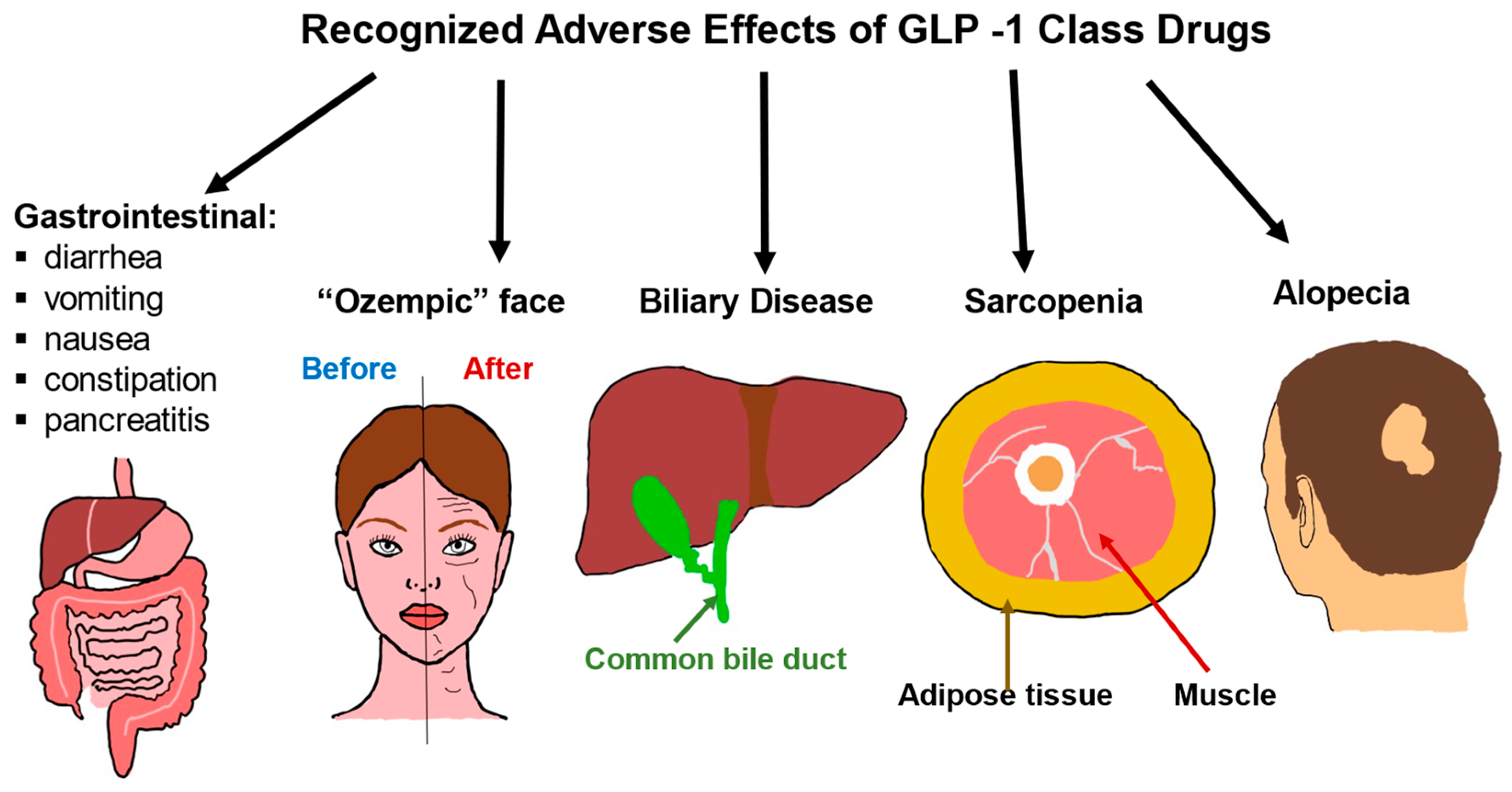
- High in Fiber: A high-fiber diet can help slow down gastric emptying, which can help reduce the risk of gastrointestinal side effects associated with GLP-1 agonist medications.
- Rich in Antioxidants: A plant-based diet rich in fruits, vegetables, and whole grains provides a wealth of antioxidants that can help reduce inflammation and oxidative stress.
- Supports Healthy Gut Bacteria: A vegan diet can help promote the growth of beneficial gut bacteria, which is essential for a healthy immune system and optimal glucose metabolism.
Best Foods to Eat on a GLP-1 Agonist Diet
When following a GLP-1 agonist medication regimen, it is essential to focus on whole, plant-based foods that are rich in fiber, protein, and healthy fats. Some of the best foods to include in your diet are:
- Leafy Greens: Leafy greens like kale, spinach, and collard greens are rich in fiber and antioxidants.
- Legumes: Legumes like lentils, chickpeas, and black beans are high in fiber and protein.
- Avocados: Avocados are a rich source of healthy fats and fiber.
- Whole Grains: Whole grains like brown rice, quinoa, and whole wheat bread provide sustained energy and fiber.
- Nuts and Seeds: Nuts and seeds like almonds, chia seeds, and flaxseeds are high in healthy fats and fiber.

Best Foods to Avoid on a GLP-1 Agonist Diet
When following a GLP-1 agonist medication regimen, it is essential to avoid foods that can cause digestive discomfort and exacerbate side effects. Some of the best foods to avoid are:
- High-Fat Foods: High-fat foods like fried foods, processed meats, and high-fat dairy products can exacerbate digestive side effects.
- Refined Carbohydrates: Refined carbohydrates like white bread, sugary snacks, and sugary drinks can cause spikes in blood sugar levels.
- Processed Foods: Processed foods like packaged snacks, frozen meals, and sugary desserts can be high in unhealthy fats and added sugars.
Conclusion
Using GLP-1 agonist medications with a vegan diet can be a highly effective treatment for pre-diabetes and type 2 diabetes. By following a well-planned diet rich in fiber, protein, and healthy fats, individuals can maximize the benefits of their medication and reduce the risk of side effects. It is essential to work with a healthcare provider to develop a personalized treatment plan that takes into account individual nutritional needs and health goals.
References
For more information on using GLP-1 agonist medications with a vegan diet, consult the following resources:
- Mayo Clinic
- American Diabetes Association
- Academy of Nutrition and Dietetics
- GLP-1 Agonist Medications Fact Sheet (Food and Drug Administration)