Waterproofing a Basement from the Outside: A Comprehensive Guide
Protecting your home from water damage is crucial, and waterproofing a basement from the outside is a comprehensive approach to prevent moisture intrusion and safeguard against potential water damage. In this article, we will explore the step-by-step process of how to waterproof a basement from the outside, providing you with a detailed guide to ensure a watertight and secure foundation.
Why Waterproof a Basement from the Outside?
Waterproofing a basement from the outside is a more effective and long-lasting solution compared to interior waterproofing. It involves sealing the exterior walls and foundation of the basement to prevent water from entering the basement. This approach is particularly useful for basements that are prone to water damage due to poor drainage, high water tables, or cracked foundations.
Step 1: Inspect the Basement and Foundation
Before waterproofing a basement from the outside, it is essential to inspect the basement and foundation to identify any areas that may be prone to water damage. Look for signs of water damage, such as cracks in the walls, floors, or foundation, and inspect the drainage system around the house. Take note of any areas where water may be entering the basement.
Step 2: Excavate Around the Foundation
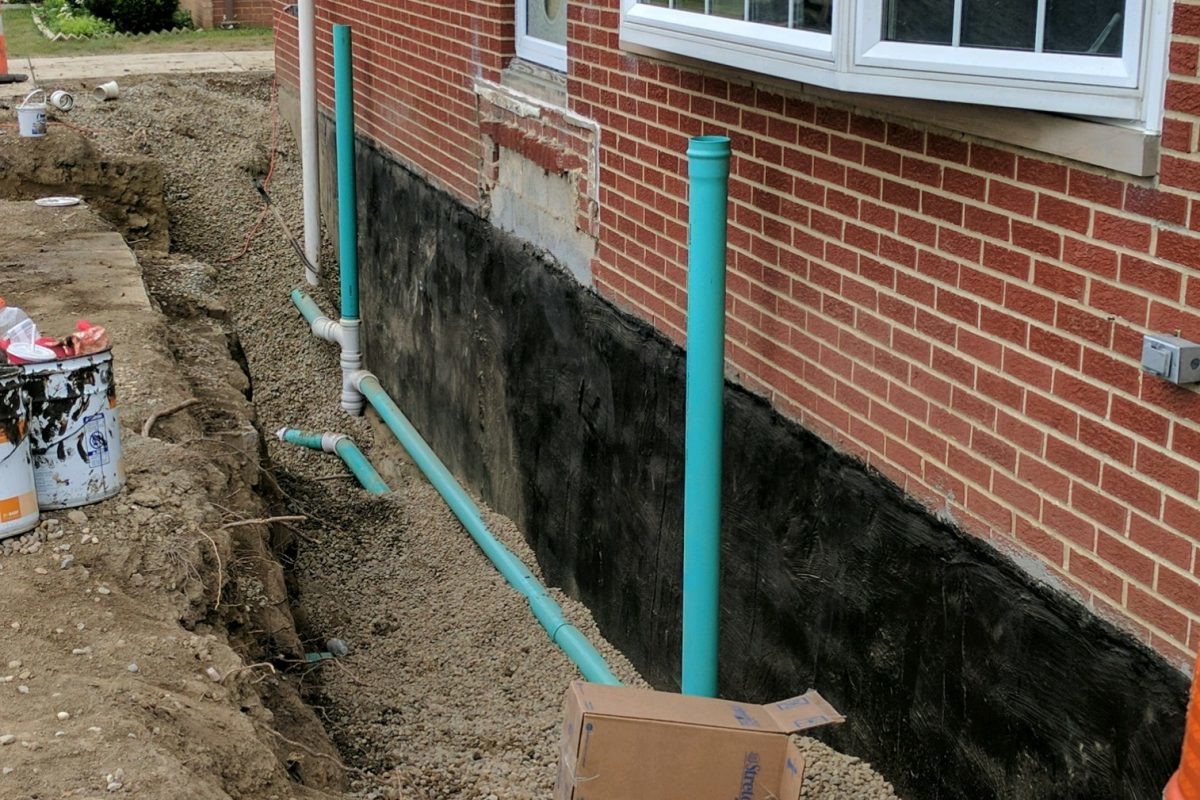
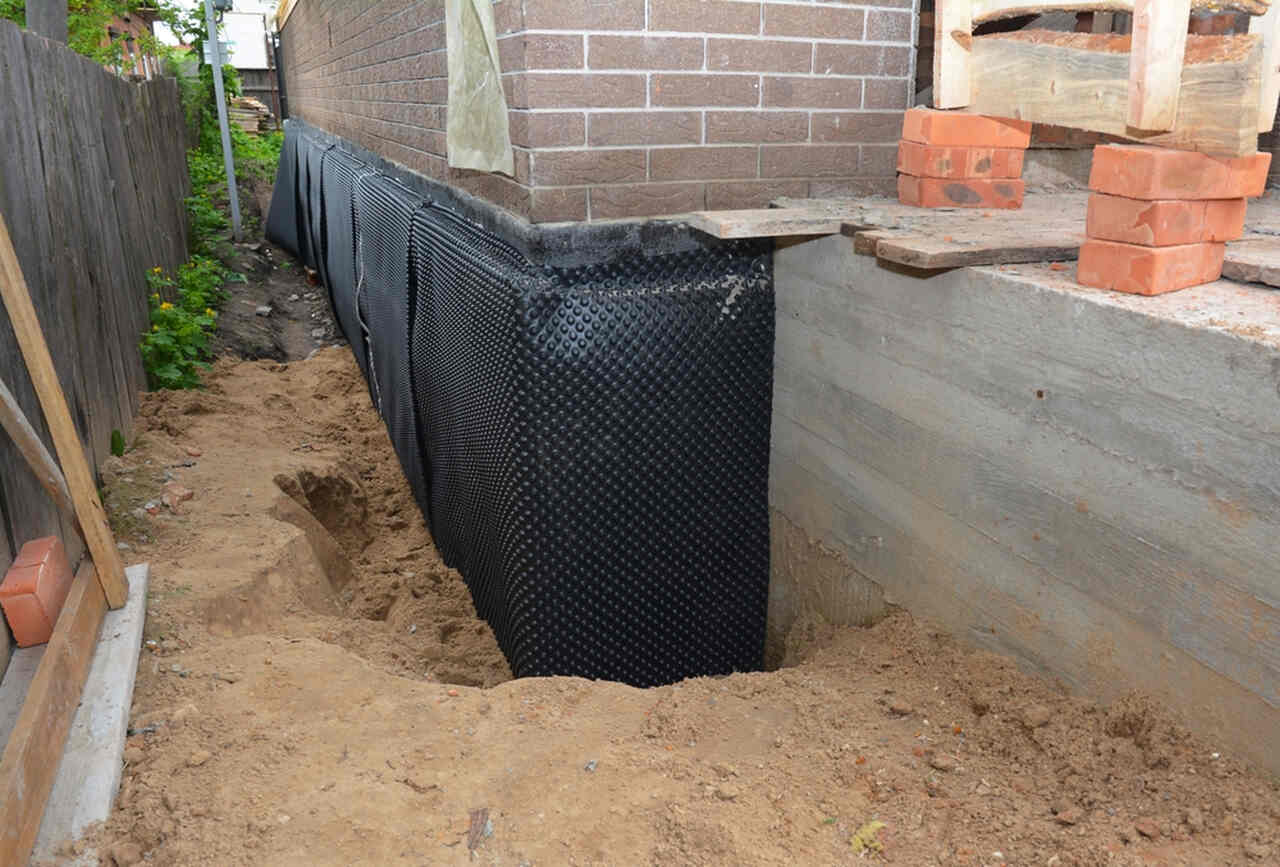
To waterproof a basement from the outside, you will need to excavate around the foundation to a depth of at least 12 inches. This will give you access to the walls and foundation of the basement, allowing you to apply a waterproof membrane and repair any cracks or damage.
Step 3: Apply a Waterproof Membrane
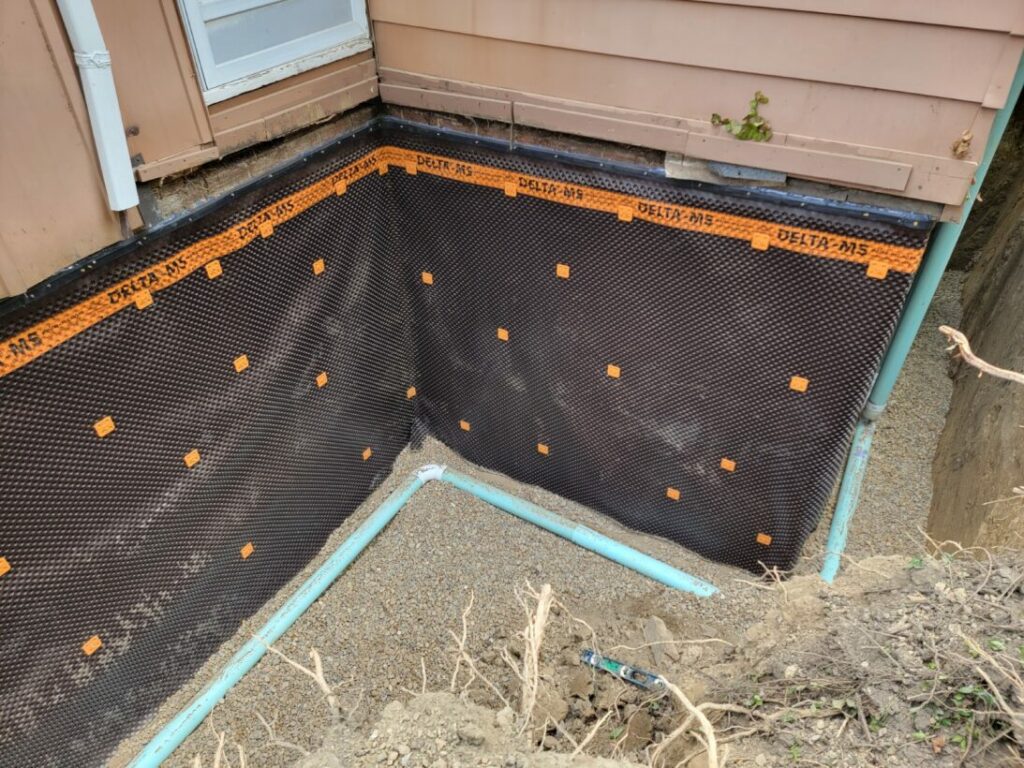
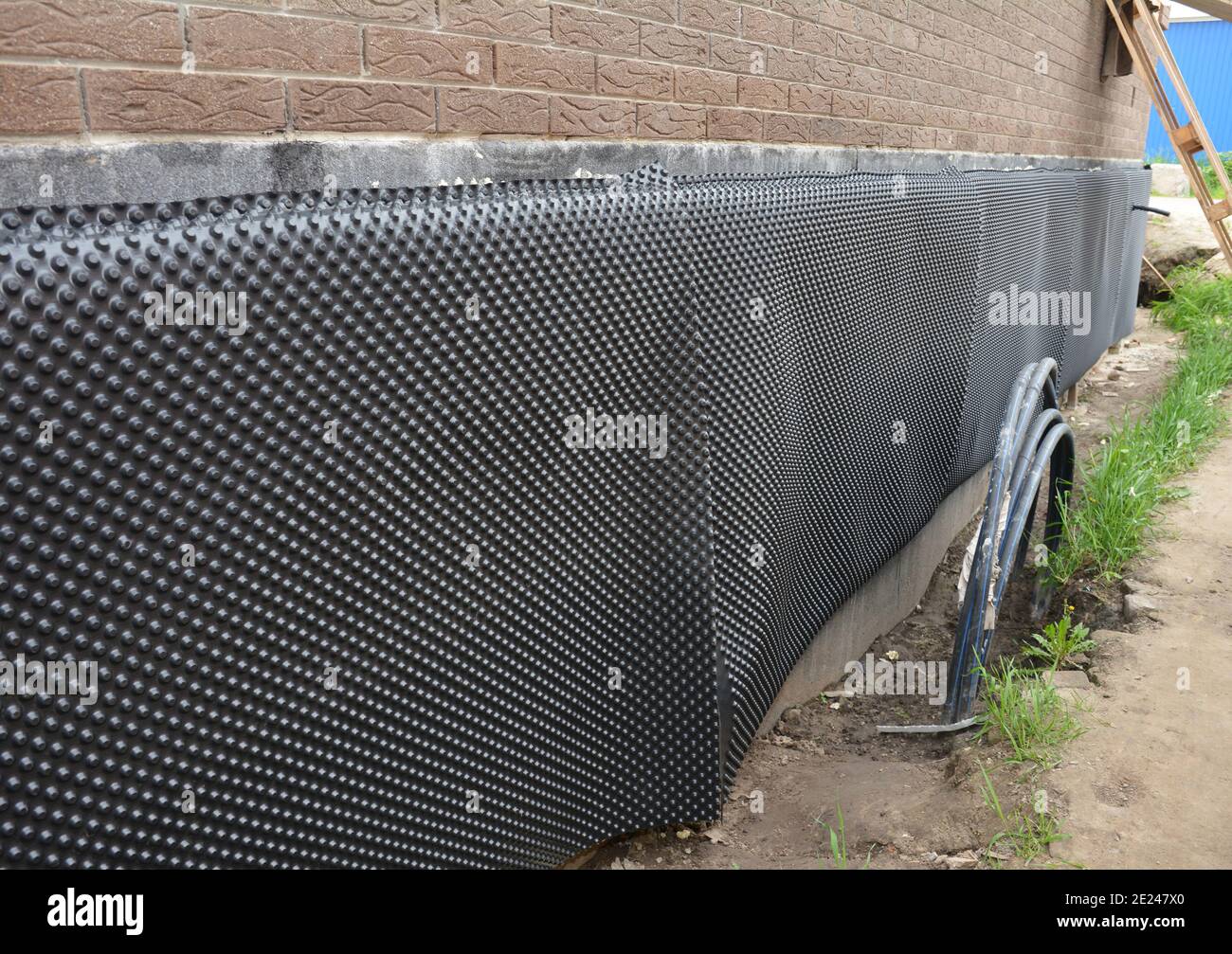
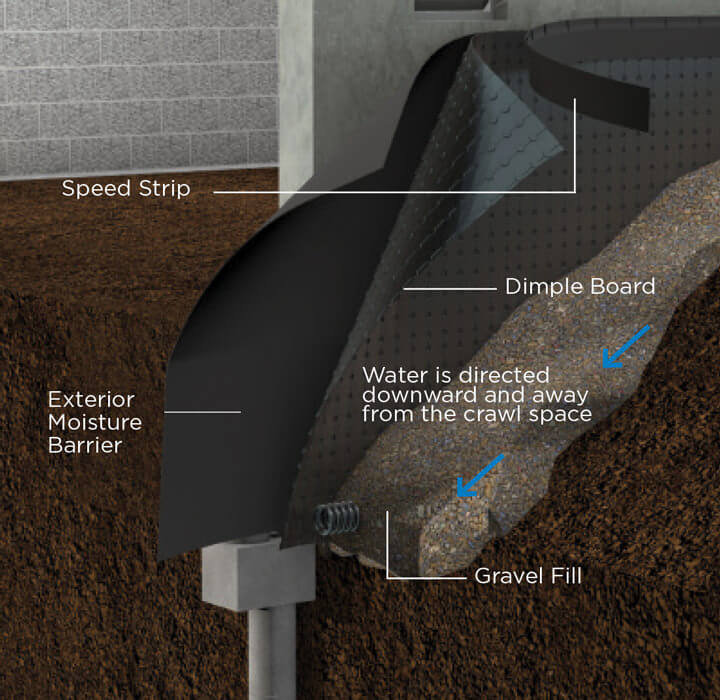
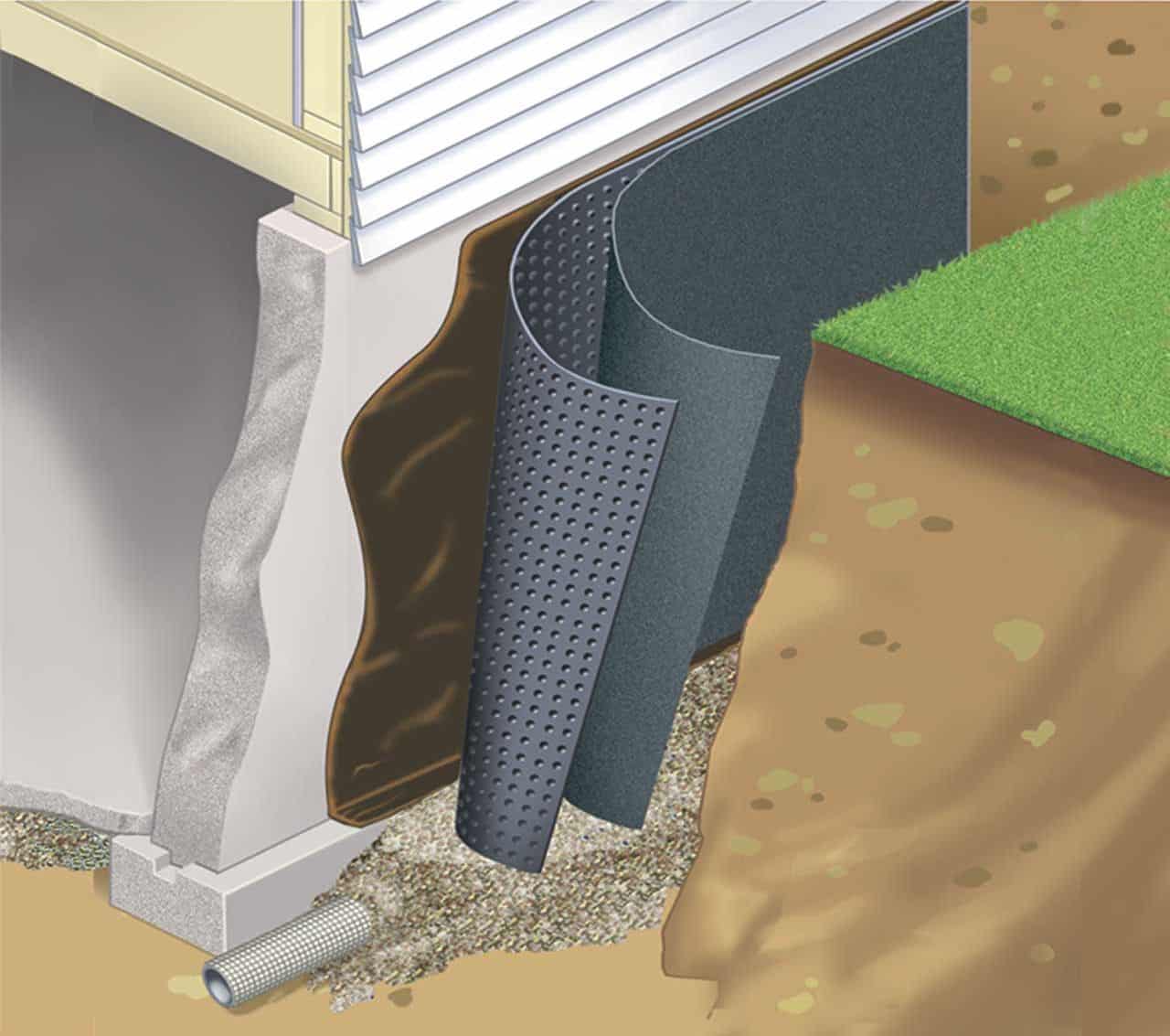
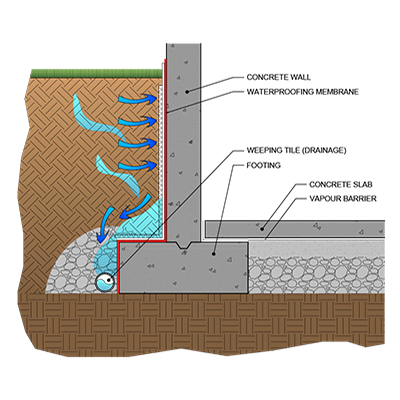
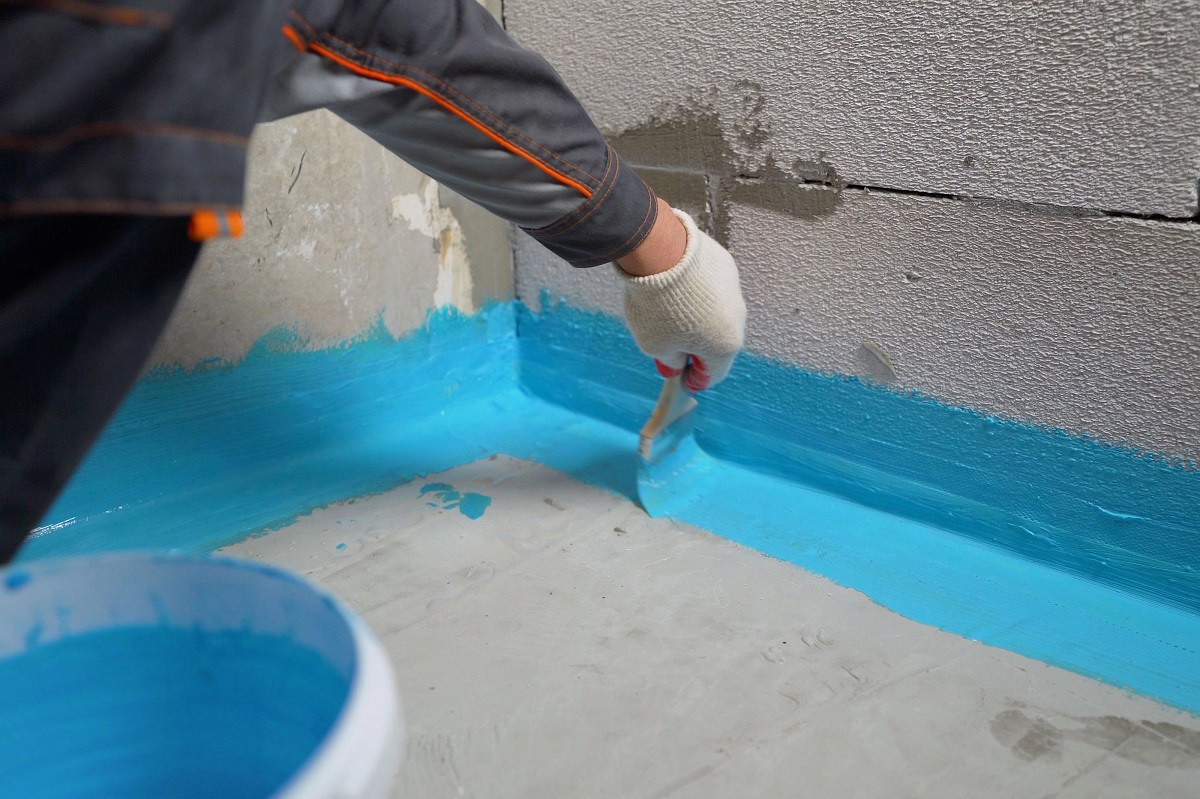
Apply a waterproof membrane to the exterior walls and foundation of the basement. This membrane should be a durable and water-resistant material, such as a liquid-applied membrane or a sheet-applied membrane. Ensure that the membrane is applied according to the manufacturer's instructions and that it is properly sealed at all joints and edges.

Step 4: Install Drainage Boards
Install drainage boards along the exterior walls of the basement to help direct water away from the foundation and prevent it from entering the basement. These boards should be installed above the waterproof membrane and should be sloped to allow water to drain away from the foundation.
Step 5: Improve Perimeter Drainage
Improve the perimeter drainage around the house by installing a French drain or a similar drainage system. This will help to direct water away from the foundation and prevent it from entering the basement.
Benefits of Waterproofing a Basement from the Outside
Waterproofing a basement from the outside offers several benefits, including:
- Prevents water damage and reduces the risk of mold and mildew growth
- Reduces the risk of foundation damage and cracks
- Helps to prevent water from entering the basement
- Can increase the value of your home
- Provides a long-lasting solution to water damage
Conclusion
Waterproofing a basement from the outside is a comprehensive approach to preventing water damage and safeguarding against potential water damage. By following the steps outlined in this guide, you can ensure a watertight and secure foundation, protecting your home from water damage and increasing its value. Remember to always consult with a professional if you are unsure about any aspect of the waterproofing process.