Reversing Diabetes with GLP-1 Analogs: A Groundbreaking Approach
Diabetes is a chronic metabolic disorder that poses significant life-debilitating challenges, including cardiac muscle impairment, which eventually results in heart failure. In recent years, GLP-1 analogs have emerged as a promising therapeutic option for treating type 2 diabetes and obesity. These innovative medications have demonstrated efficacy in blood glucose management, weight reduction, cardiovascular disease prevention, and kidney health improvement.
Understanding GLP-1 Analogs for Diabetes Reversal
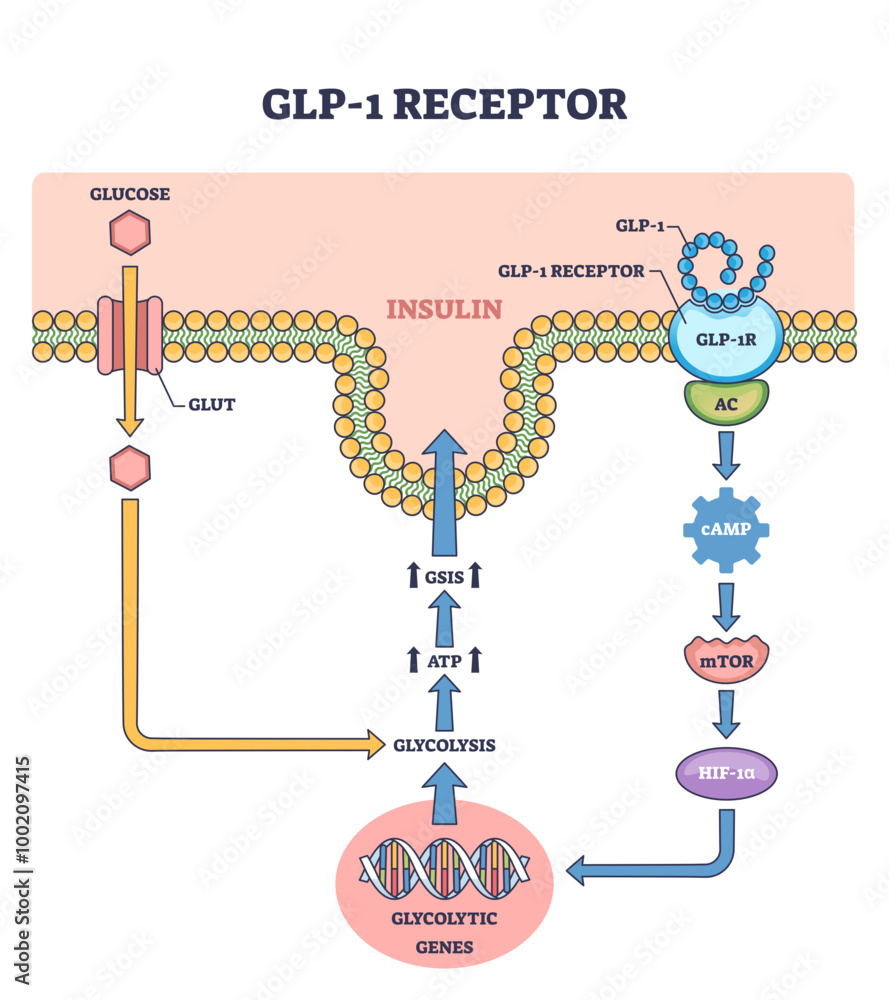
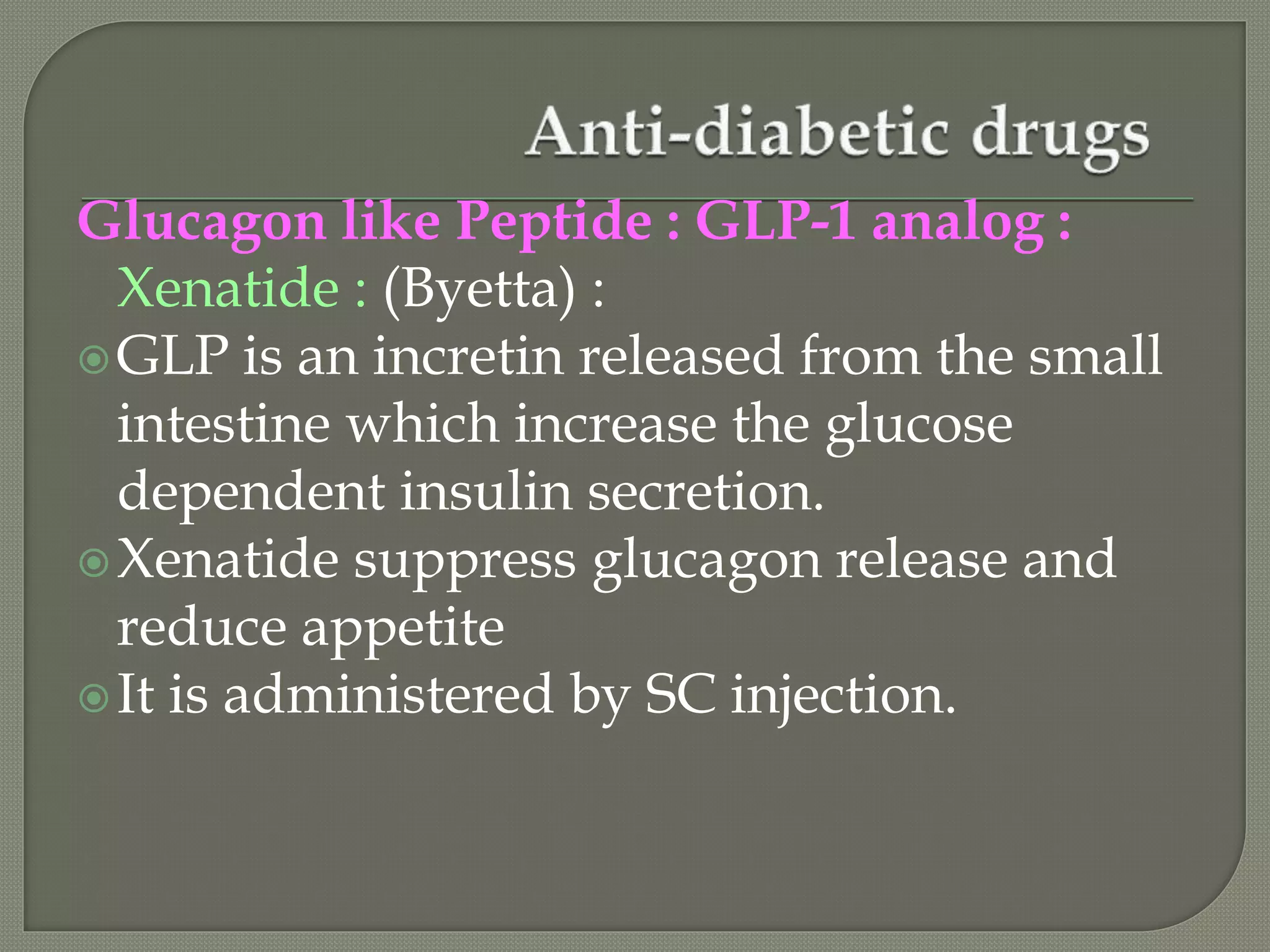
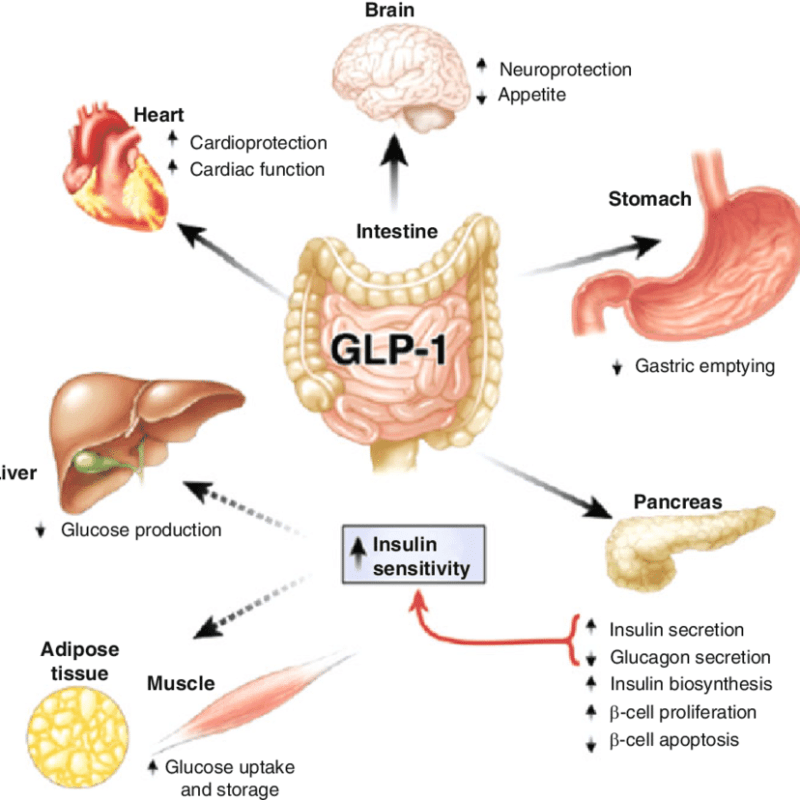
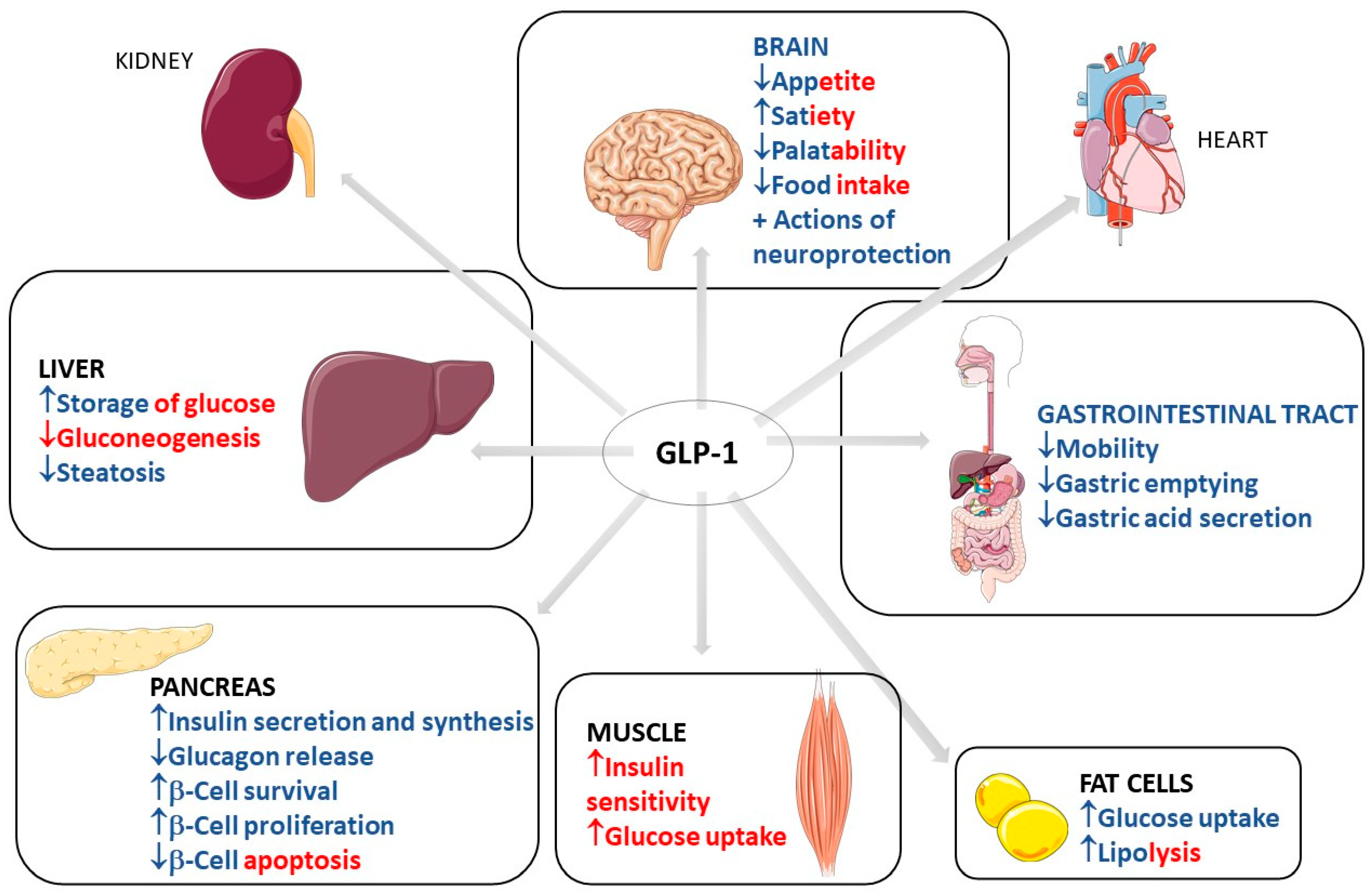
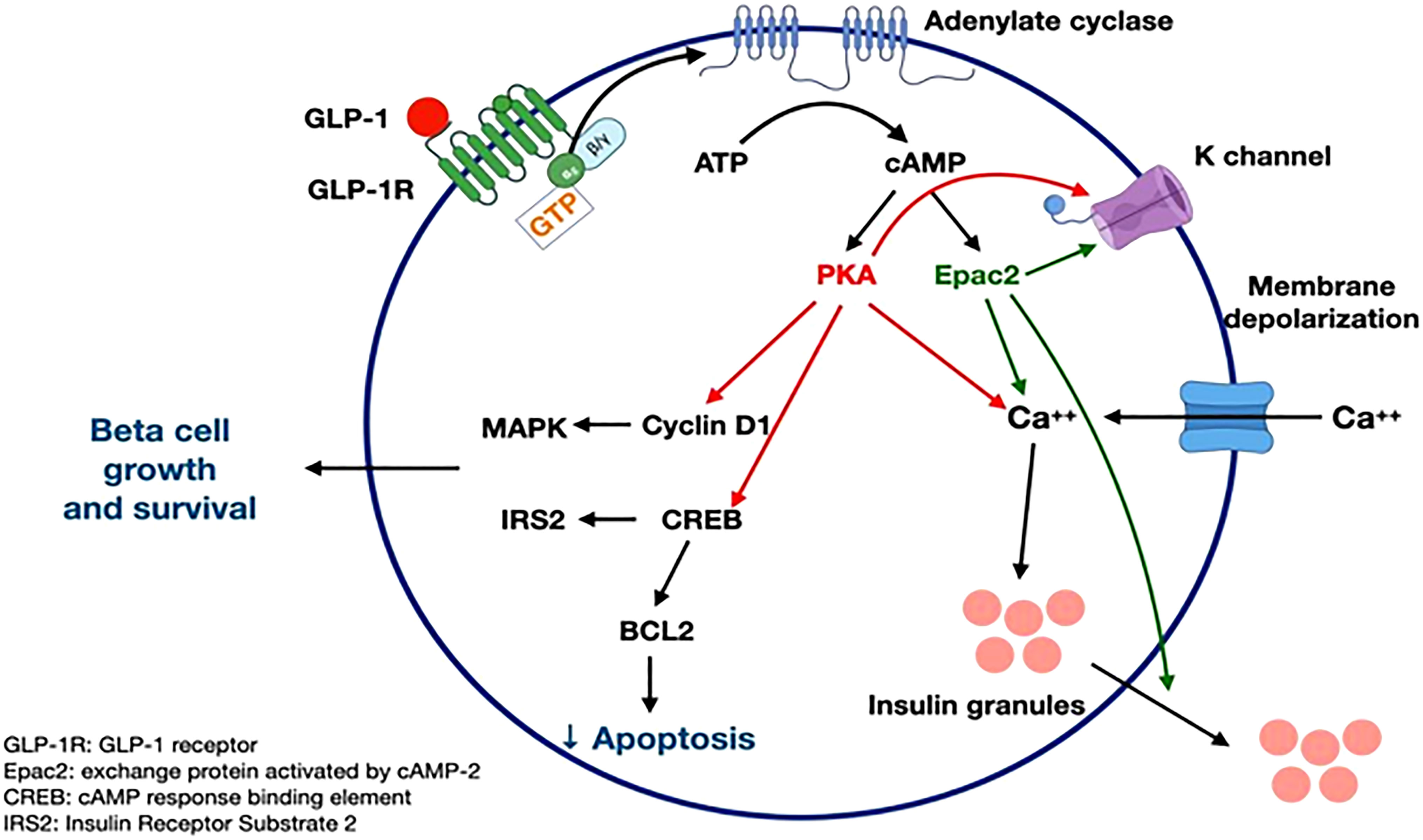
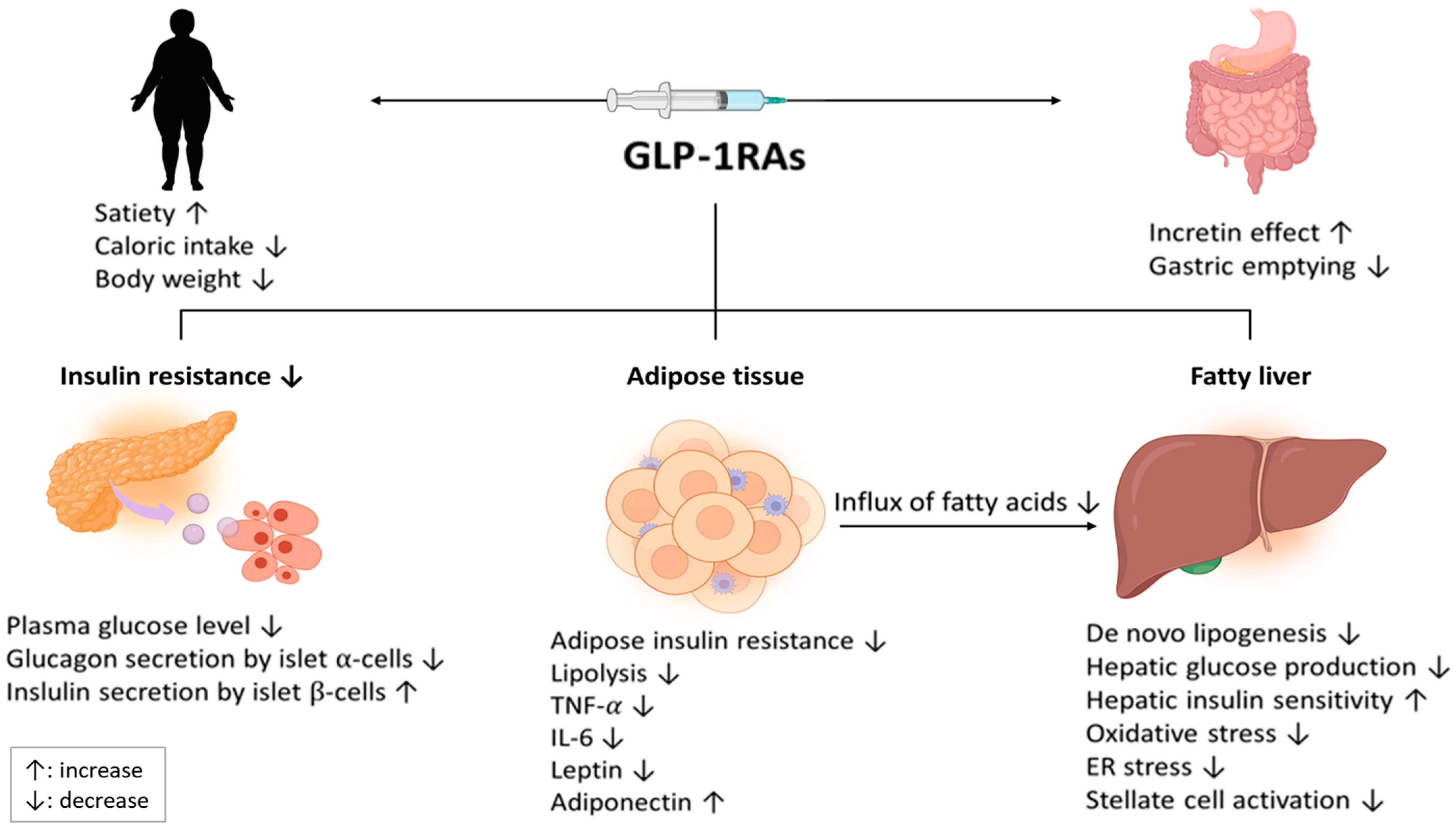
GLP-1 analogs are synthetic medications that mimic the naturally occurring hormone glucagon-like peptide-1 (GLP-1). This hormone is secreted by L cells in the small intestine and plays a crucial role in managing type 2 diabetes mellitus and obesity. By stimulating glucose-dependent insulin secretion, suppressing glucagon release, delaying gastric emptying, and promoting weight loss, GLP-1 analogs have become a linchpin in the treatment of diabetes and related conditions.
Benefits of GLP-1 Analogs
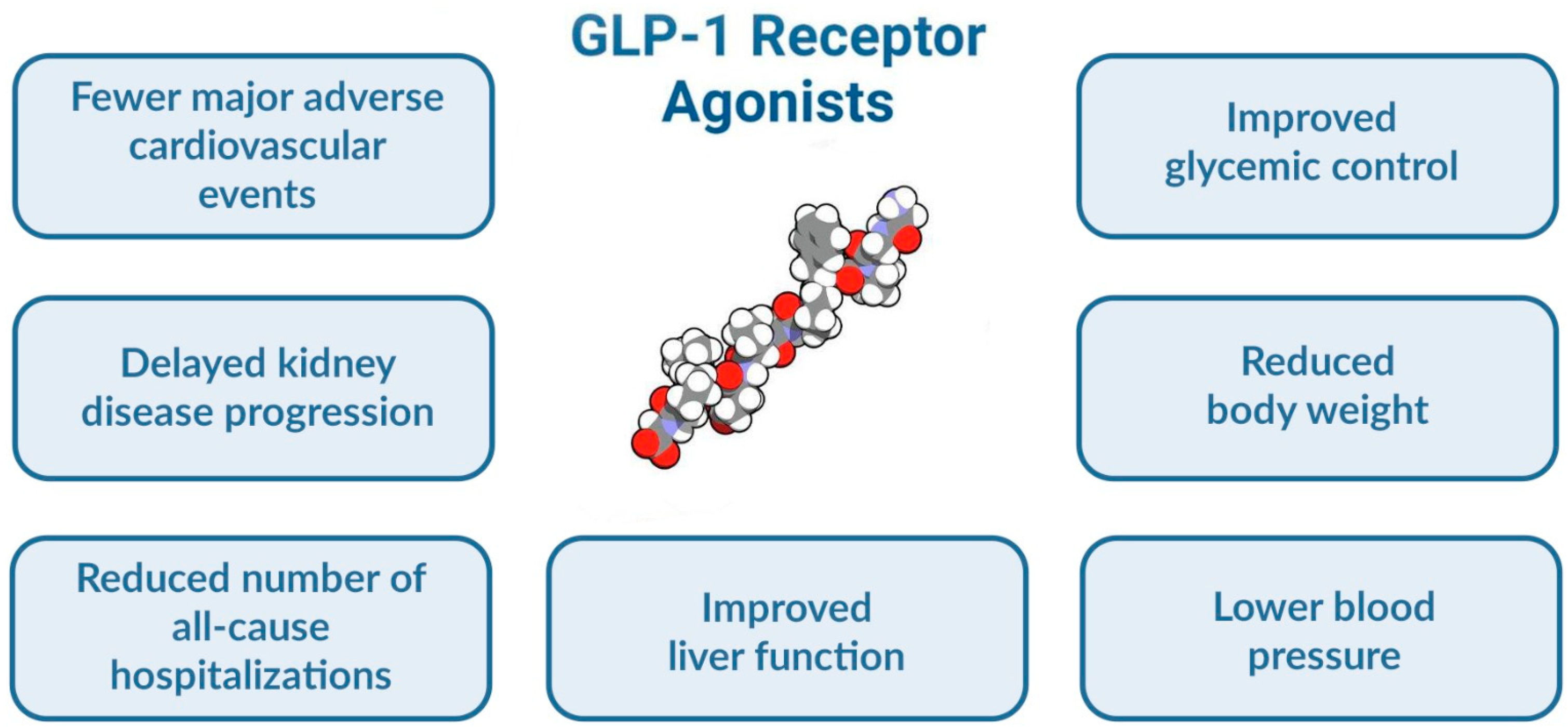
The benefits of GLP-1 analogs in managing diabetes and obesity are numerous:
- Improved glycemic control
- Increased insulin sensitivity
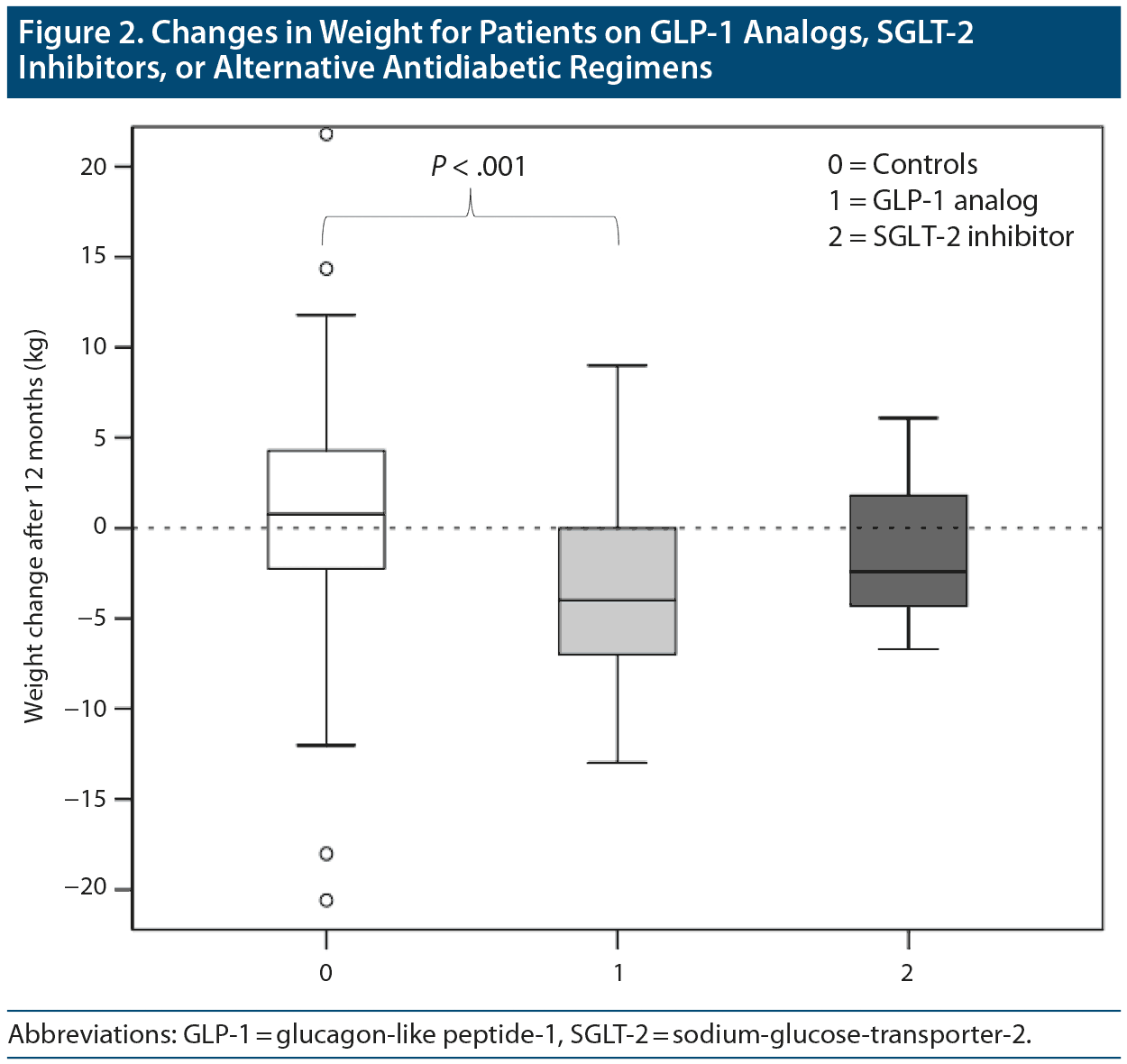
- Weight loss
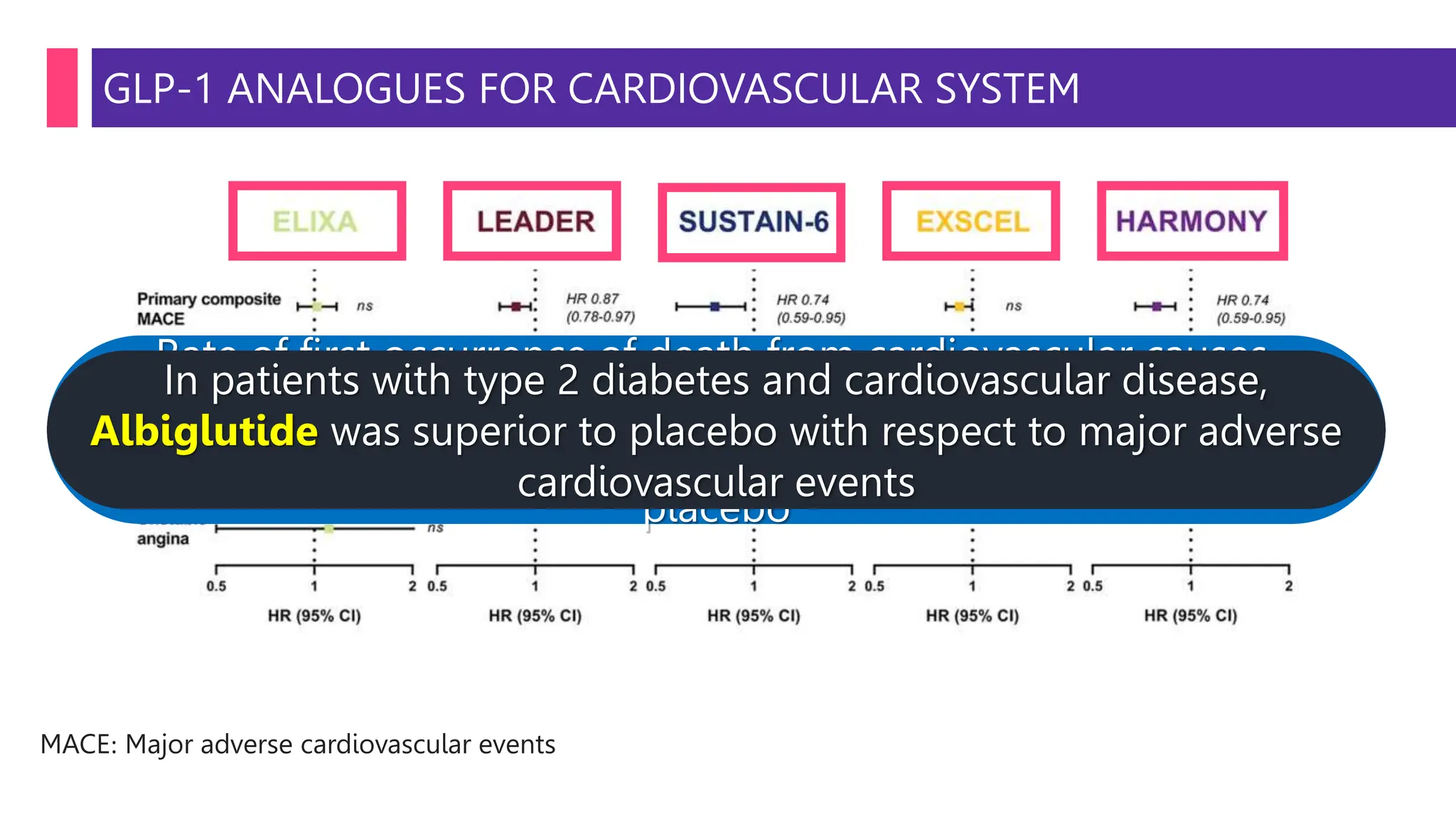
- Cardioprotective effects
- Renoprotective effects
- Reduced risk of heart attack and stroke
- Improved kidney health
The Role of GLP-1 Analogs in Diabetes Reversal
GLP-1 analogs have emerged as a groundbreaking approach in the treatment of type 2 diabetes. These medications have been shown to reverse the course of the disease by:
- Increasing insulin sensitivity
- Reducing glucagon levels
- Delivering quick and effective glucose-dependent insulin secretion
- Improving kidney health
- Enhancing weight loss
Challenges and Limitations of GLP-1 Analogs
While GLP-1 analogs offer numerous benefits, there are also challenges and limitations to their use:
- Weight regain after treatment discontinuation
- Dependence on medication
- Potential side effects
- Increased risk of cardiovascular events after treatment cessation
Conclusion
GLP-1 analogs have revolutionized the approach to managing diabetes and obesity. These innovative medications offer a groundbreaking approach to reversing the course of type 2 diabetes by improving glycemic control, increasing insulin sensitivity, and promoting weight loss. However, it is essential to address the challenges and limitations of GLP-1 analogs to ensure their safe and effective use in patients with diabetes and obesity.
Recommendations
For patients with type 2 diabetes, GLP-1 analogs can be an effective and safe treatment option. However, it is crucial to:
- Monitored by a healthcare provider
- Used as part of a comprehensive treatment plan
- Combined with lifestyle modifications
- Continued as prescribed to maintain benefits
By understanding the benefits, challenges, and limitations of GLP-1 analogs, patients and healthcare providers can work together to reverse diabetes and improve overall health and well-being.