Boosting Window Insulation Energy Efficiency: A Comprehensive Guide
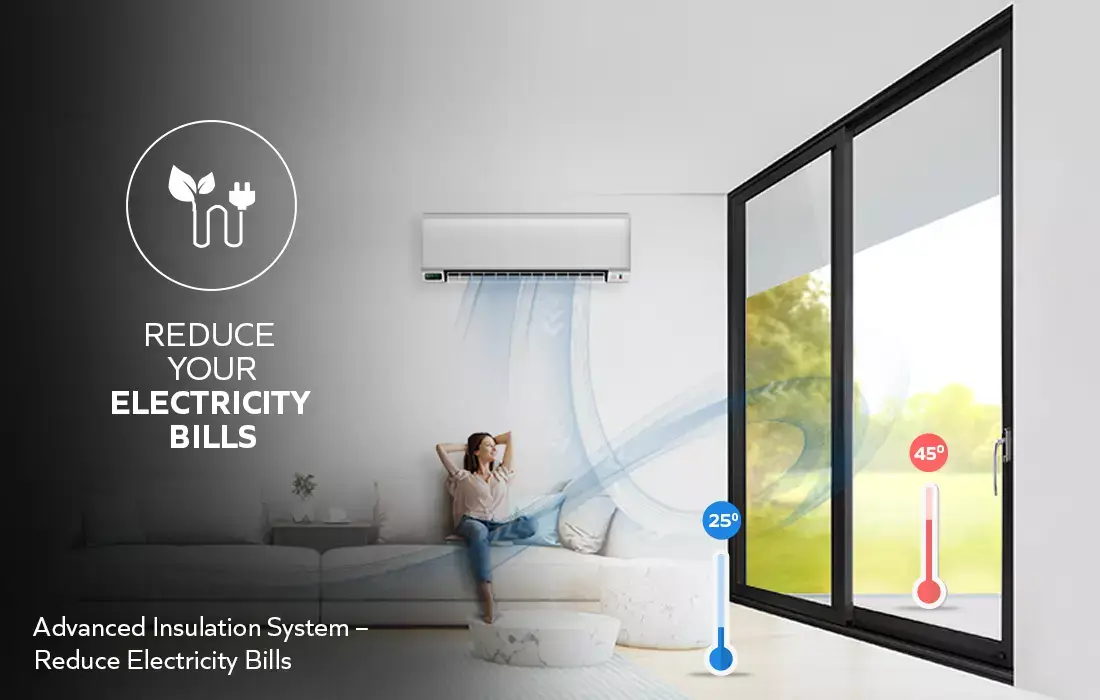
As the world becomes increasingly aware of the importance of energy efficiency, homeowners are looking for ways to reduce their energy consumption and lower their utility bills. One of the most effective ways to achieve this is by improving the insulation of windows, which can account for up to 25-30% of a home's energy loss. In this article, we will explore the concept of window insulation energy efficiency, its benefits, and provide practical tips on how to improve it.
What is Window Insulation Energy Efficiency?
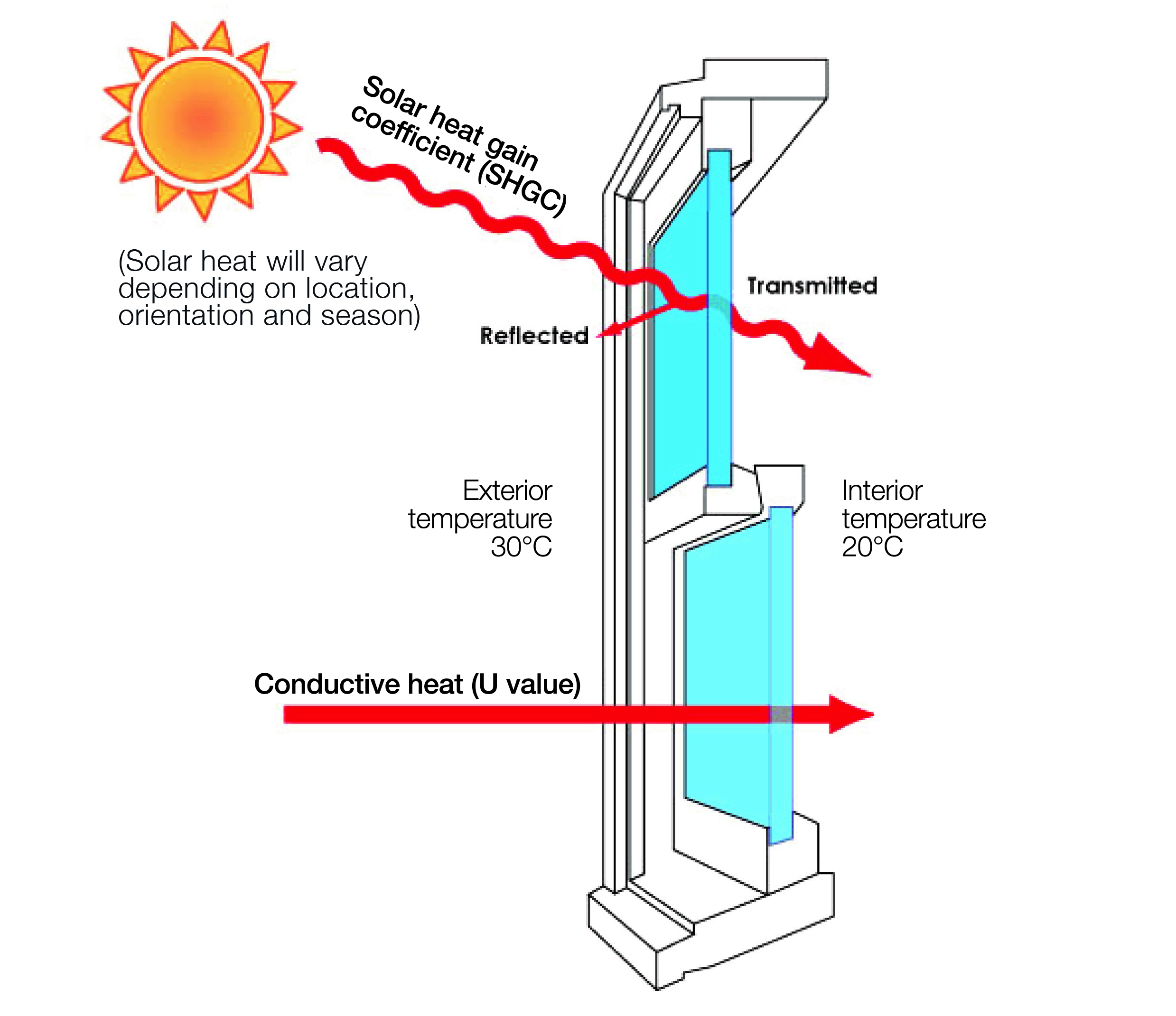
Window insulation energy efficiency refers to the ability of windows to prevent heat transfer between the inside and outside of a building. This is achieved through the use of various materials and technologies that reduce heat loss in winter and heat gain in summer. Energy-efficient windows use multiple panes, gas fills, insulated frames, and Low-E coatings to minimize heat transfer and reduce energy consumption.
Benefits of Window Insulation Energy Efficiency
- Reduced energy bills: By preventing heat transfer, energy-efficient windows can help homeowners save money on their energy bills.
- Improved comfort: Energy-efficient windows can reduce drafts and condensation, making homes more comfortable and livable.
- Increased home value: Energy-efficient windows can increase the value of a home, making it more attractive to potential buyers.
- Environmental benefits: By reducing energy consumption, energy-efficient windows can help reduce greenhouse gas emissions and contribute to a more sustainable future.
Types of Window Insulation Materials
There are several types of window insulation materials available, including:
- Double-glazed windows: These windows feature two panes of glass separated by a gap, which reduces heat transfer and noise pollution.
- Triple-glazed windows: These windows feature three panes of glass, providing even greater insulation and energy efficiency.
- Gas-filled windows: These windows are filled with a gas, such as argon or krypton, which reduces heat transfer and improves energy efficiency.
- Low-E windows: These windows feature a special coating that reduces heat transfer and minimizes energy consumption.

DIY Window Insulation Techniques
There are several DIY window insulation techniques that can be used to improve energy efficiency, including:
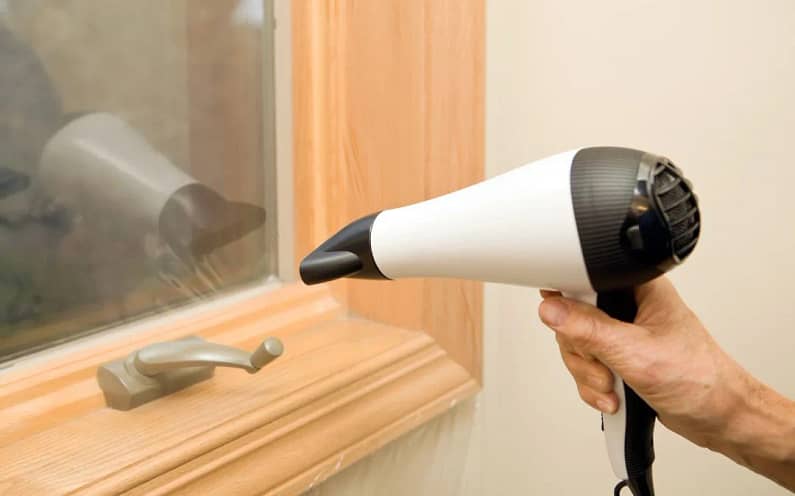
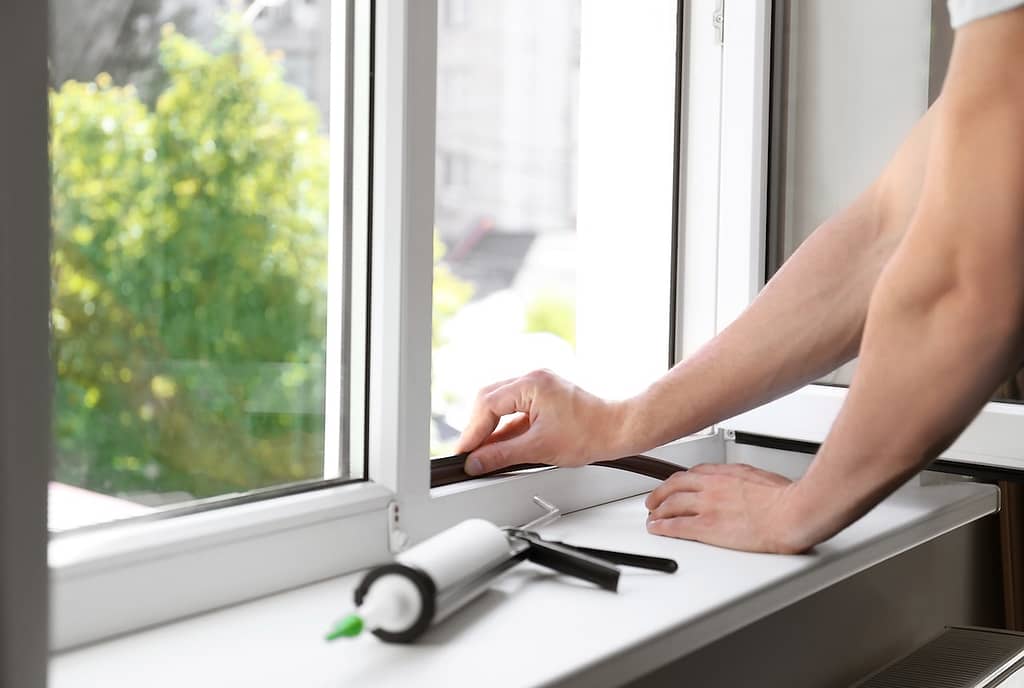
- Weatherstripping: Applying weatherstripping around windows can help seal gaps and prevent drafts.
- Window film: Applying a window film can help reduce heat transfer and improve energy efficiency.
- Insulated curtains: Using insulated curtains or drapes can help reduce heat transfer and improve energy efficiency.
- Window inserts: Installing window inserts can help reduce heat transfer and improve energy efficiency.
Professional Window Insulation Services
While DIY window insulation techniques can be effective, professional window insulation services can provide even greater energy efficiency and savings. Professional window installers can assess a home's windows and provide recommendations for improvement, including:
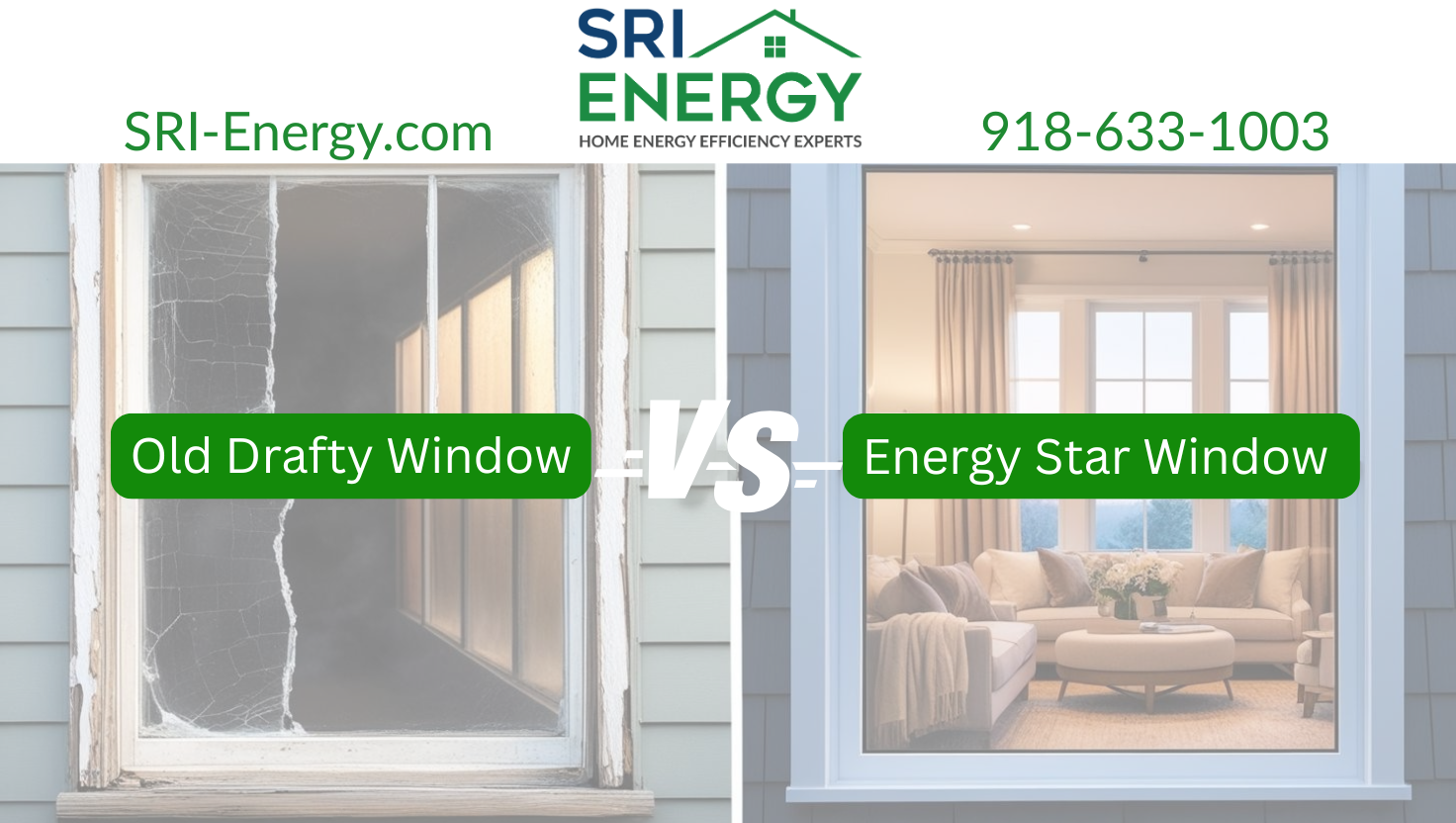
- Window replacement: Replacing old, inefficient windows with energy-efficient models.
- Window retrofitting: Upgrading existing windows with energy-efficient features, such as Low-E coatings or gas fills.
- Window sealing: Sealing gaps and cracks around windows to prevent drafts and improve energy efficiency.
Conclusion
Window insulation energy efficiency is a critical aspect of reducing energy consumption and lowering utility bills. By understanding the benefits of energy-efficient windows, types of insulation materials, and DIY techniques, homeowners can take steps to improve their window insulation and reduce their energy consumption. Whether through DIY techniques or professional services, improving window insulation energy efficiency can have a significant impact on a home's energy efficiency and value.