Anxiety Relief Tips for College Students:enance Your Academic and Mental Health
College life can be overwhelming, with academic pressures, social expectations, and financial burdens taking a toll on mental health. As a college student, you're not alone in experiencing anxiety and stress. According to a recent report, 1 in 3 college students experience significant levels of depression and anxiety.
Understanding Anxiety in College Students
Anxiety in college students is a multi-layered issue that affects not only their academic performance but also their overall well-being. Chronic stress, in particular, can lead to high blood pressure, artery-clogging deposits, and brain changes that may contribute to anxiety, depression, and addiction.
Effective Stress Relief for College Students
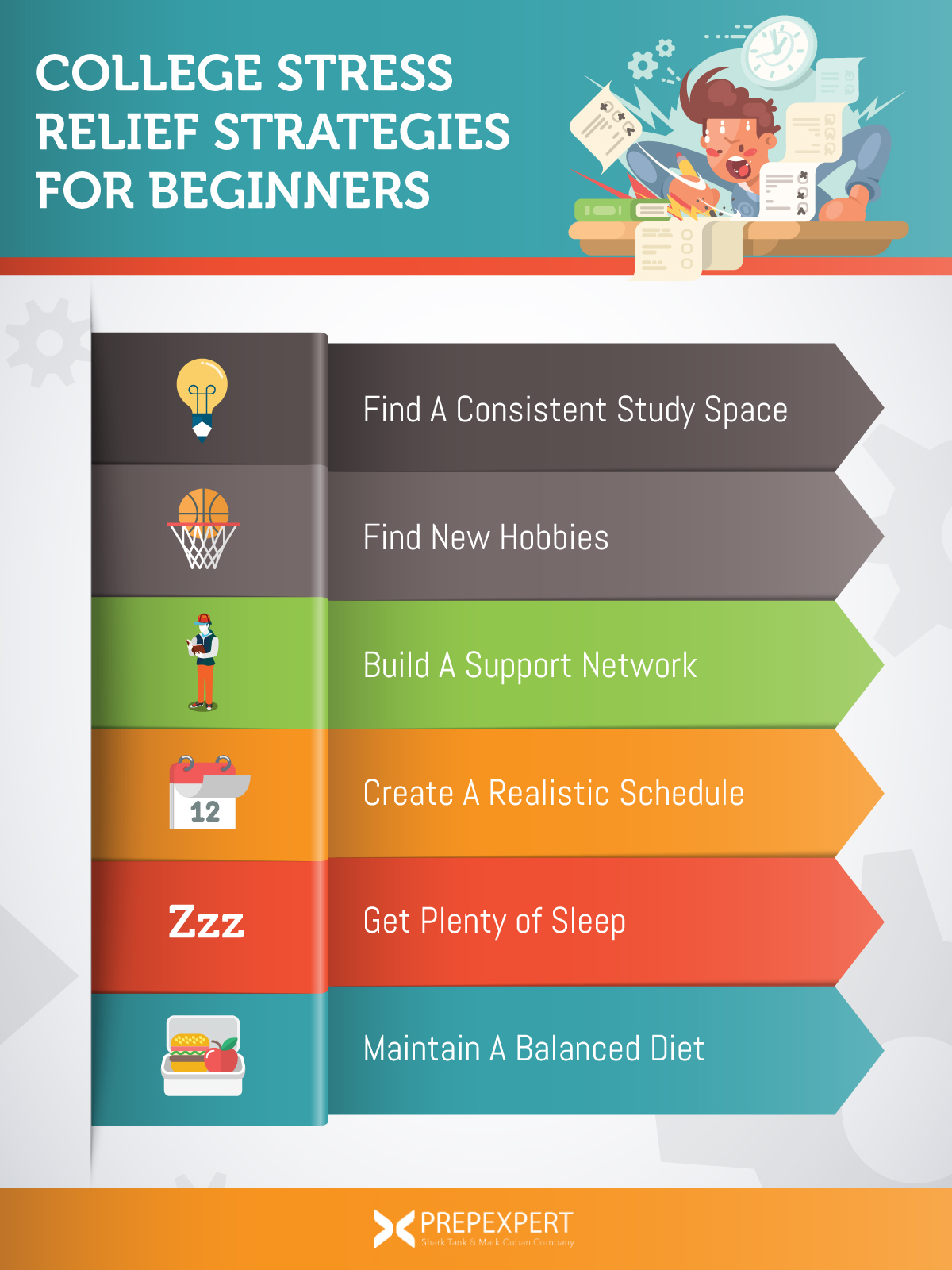
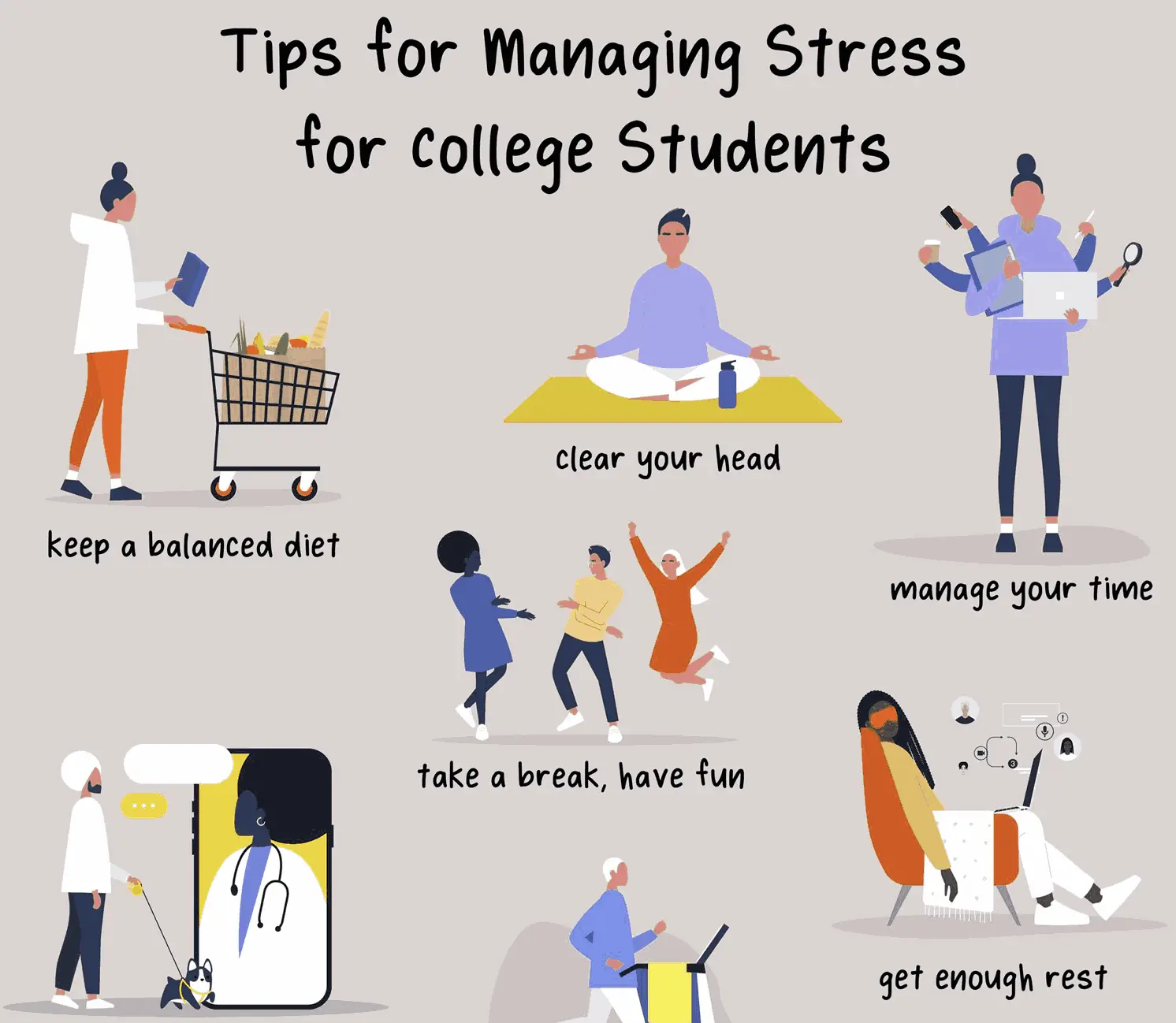
Effective stress relief is crucial for college students to manage their anxiety and maintain their academic and mental health. Here are some practical, research-backed anxiety relief tips for college students:
- Get enough sleep: Lack of sleep can exacerbate anxiety. Aim for 7-8 hours of sleep each night to help regulate your mood and reduce stress.
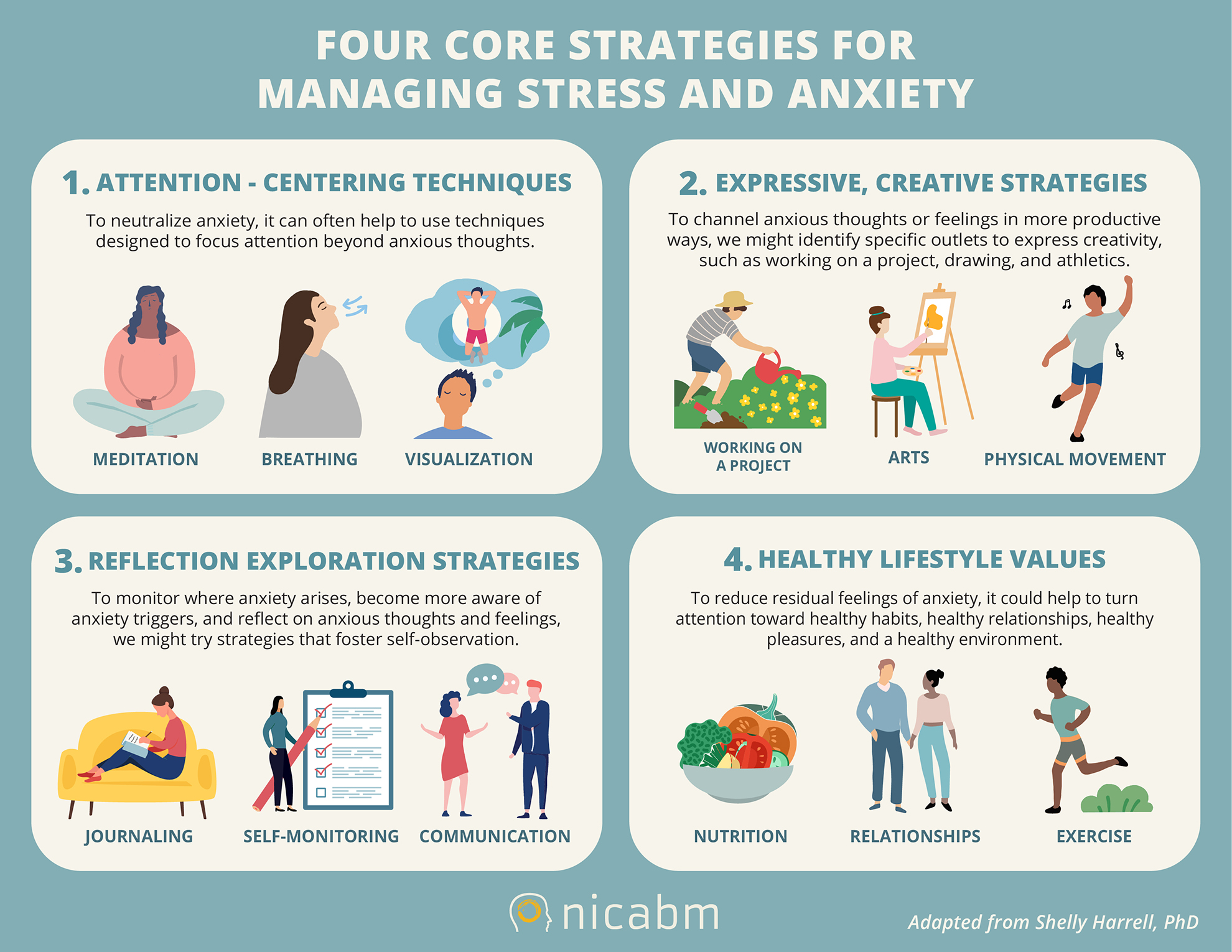
- Exercise regularly: Regular physical activity can help reduce stress and anxiety. Engage in autoregulation exercises, such as yoga, to manage stress and improve focus.
- Prioritize self-care: College life can be chaotic, but prioritizing self-care is essential. Make time for activities that bring you joy and relaxation, such as reading, taking a bath, or practicing mindfulness.
- Seek support: Reach out to friends, family, or a mental health professional for support. Talking to someone about your anxiety can help you feel more connected and less isolated.
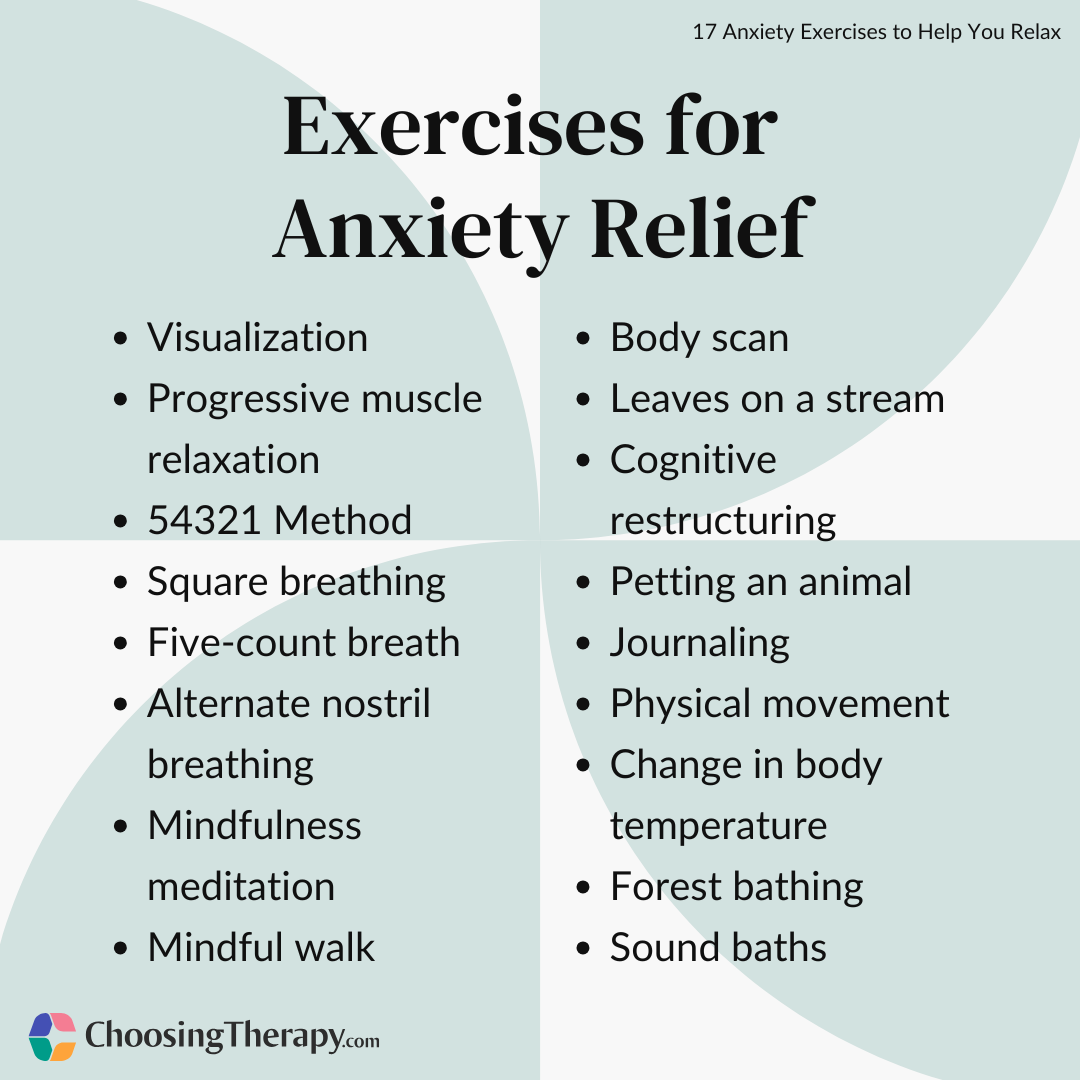
- Use relaxation techniques: Techniques like deep breathing, progressive muscle relaxation, and visualization can help calm your mind and body.
- Stay organized: Create a schedule and prioritize tasks to manage your time effectively and reduce stress.
- Take breaks: Give yourself time to relax and recharge. Take short breaks throughout the day to stretch, move your body, or practice deep breathing.
- Seek campus resources: Take advantage of campus resources, such as counseling services, academic advisors, and study groups, to help manage stress and anxiety.
Healthy Habits for Effective Stress Relief
Developing healthy habits can help you manage anxiety and stress more effectively. Here are some healthy habits to adopt:
- Eat a balanced diet: Focus on whole, nutrient-rich foods, such as fruits, vegetables, whole grains, and lean proteins.
- Stay hydrated: Drink plenty of water throughout the day to maintain focus and reduce fatigue.
- Limit caffeine and sugar: Both can exacerbate anxiety and stress.
- Engage in activities you enjoy: Make time for hobbies, passions, or relaxation techniques that bring you joy and calmness.
Conclusion
College life can be challenging, but with the right strategies, you can manage anxiety and stress. By prioritizing self-care, seeking support, and adopting healthy habits, you can maintain your academic and mental health. Remember, anxiety relief is within reach with the right mindset, resources, and support.
Don't let anxiety hold you back from achieving your academic and personal goals. Take control of your mental health by trying these anxiety relief tips for college students. Remember, you're not alone, and there are resources available to support you.