D-Link G Router Setup for Business: A Comprehensive Guide
Are you looking to upgrade your business's internet connectivity with a reliable and secure D-Link G router? In this article, we'll walk you through the step-by-step process of setting up your D-Link G router for business use, covering all the essential aspects you need to know.
Introduction to D-Link G Routers
D-Link is a leading industry player when it comes to wireless networking solutions. Their routers are designed to provide fast, secure, and efficient connectivity to meet the needs of businesses of all sizes. The D-Link G router series offers an impressive range of features, including high-speed data transfer rates, advanced security, and easy setup processes.
Before Setting Up Your D-Link G Router
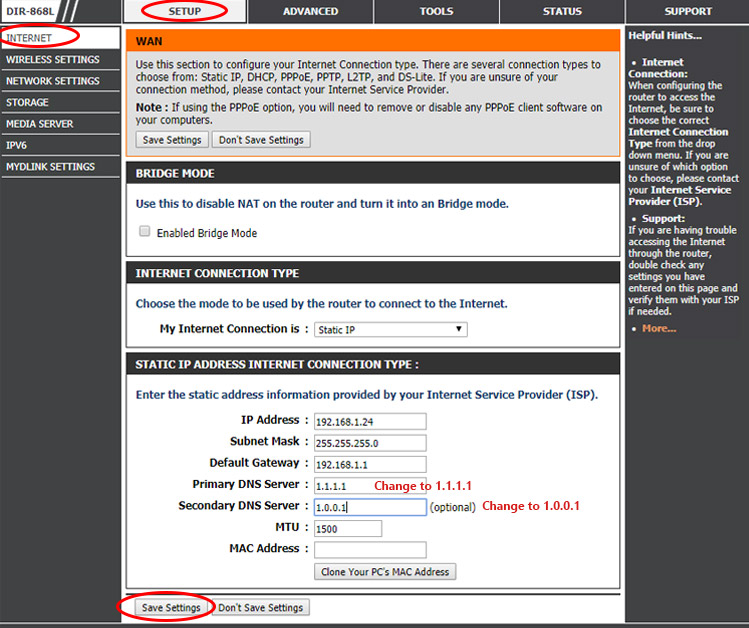
Before diving into the setup process, it's essential to understand your internet service provider's (ISP) requirements and the type of internet connection you're using. You'll need to know whether you're using a cable, DSL, or fiber-optic internet connection. This information will help you ensure that your D-Link G router is configured correctly for your business needs.
Hardware Requirements for D-Link G Router Setup
- D-Link G router (e.g., G413K or G530)
- Computer or laptop with a wired Ethernet connection
- Power adapter and cable
- Internet cable (depending on your ISP)
Step-by-Step D-Link G Router Setup for Business
Step 1: Unplug the Power and Connect the Router
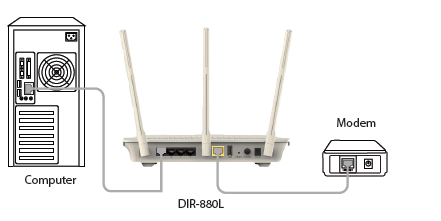
Unplug the power from your Cable/DSL Internet modem and position your router close to your modem and a computer for the initial setup process.
Step 2: Set Up Your D-Link G Router
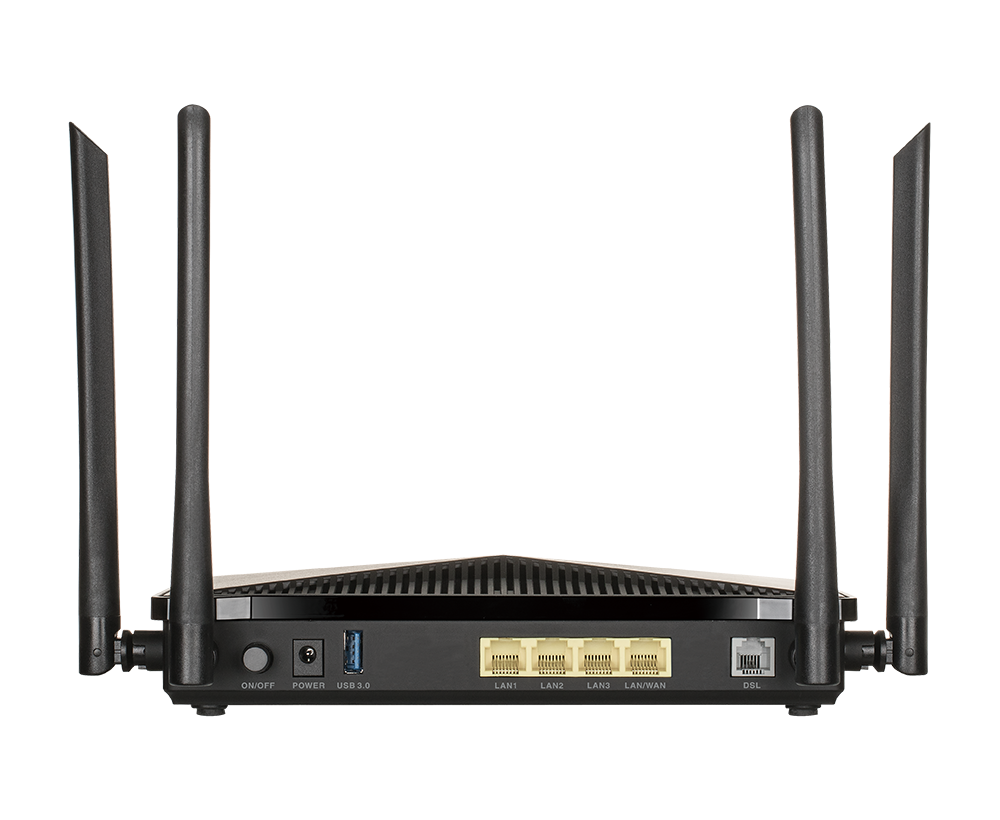
Connect an Ethernet cable from your computer/laptop to a LAN port on your D-Link G router. Then, connect your Cable/DSL modem to the Internet Port on your router.
Step 3: Power Up and Access the Web-Based Interface
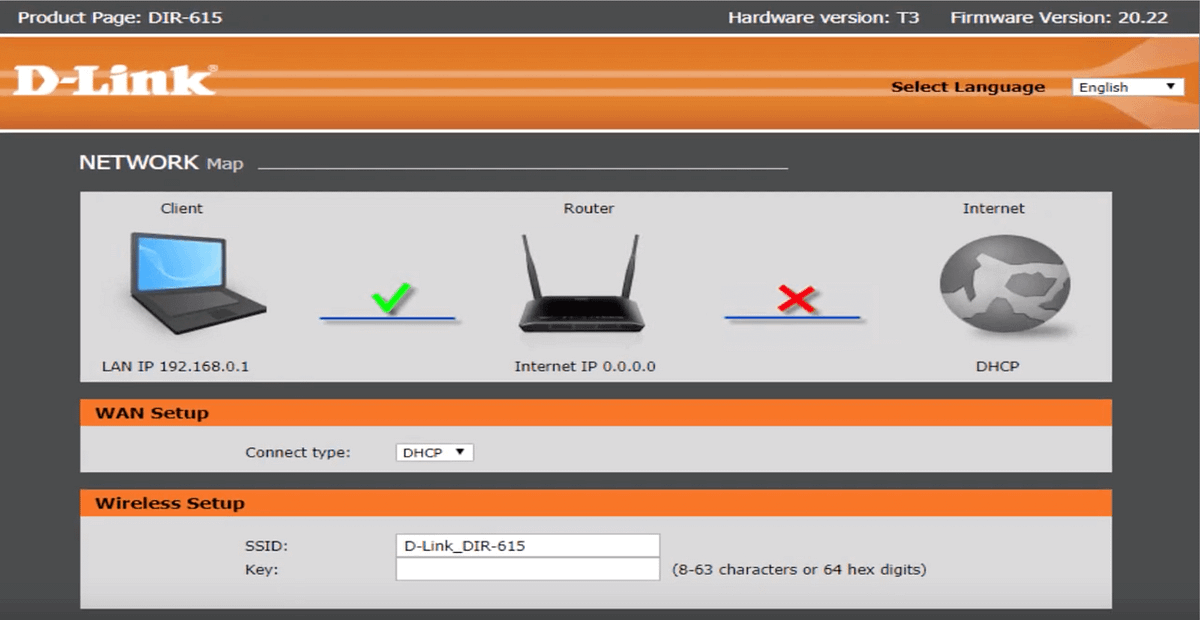
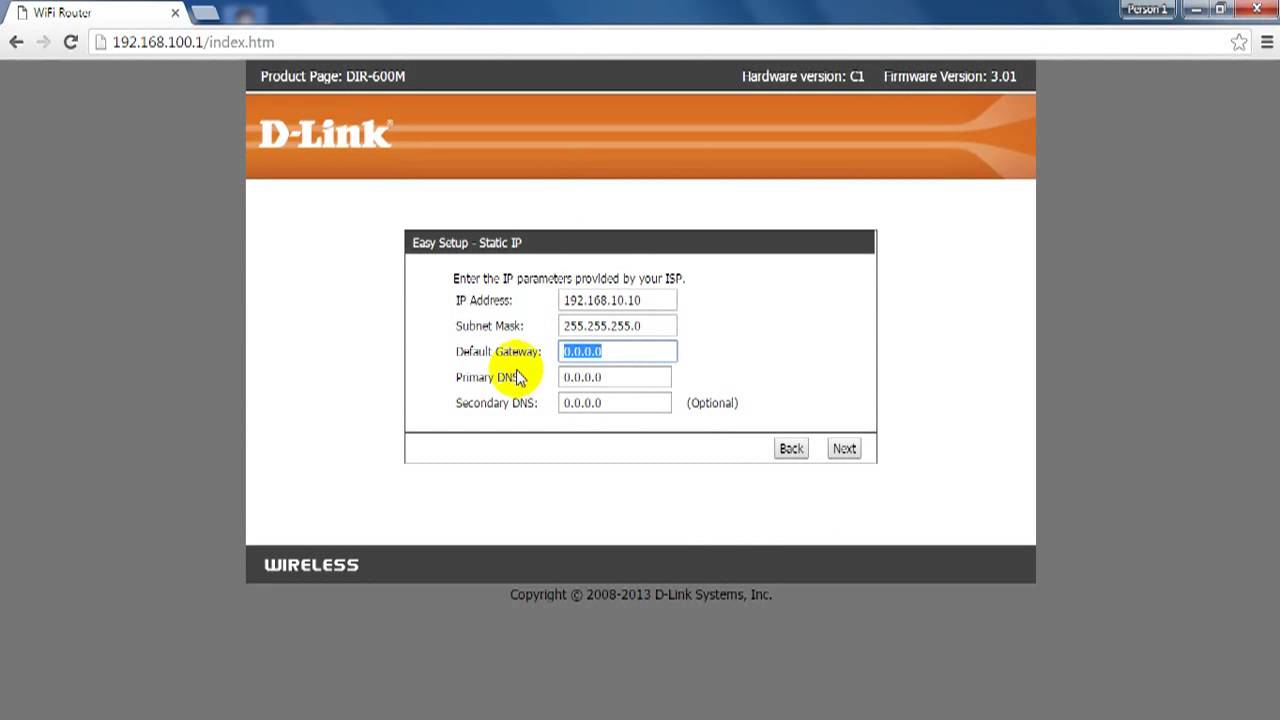
Plug in the power to both your router and Internet modem. Wait for the router to power up completely, and then access the web-based interface by opening a web browser and typing the IP address of your router.

Step 4: Configure Your Router Settings
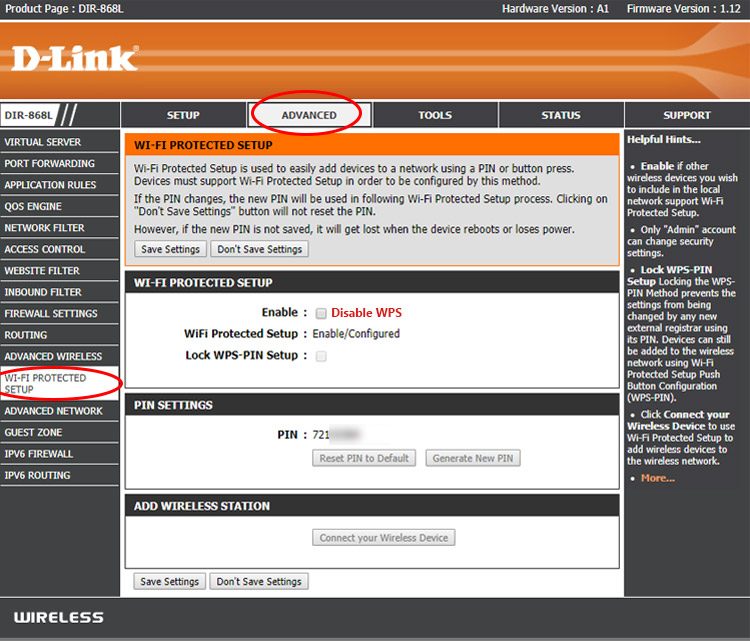
Use the web-based interface to configure your router settings, including the wireless network name (SSID), password, and other advanced settings. Make sure to change the default admin password and configure the wireless settings to meet your business needs.
Step 5: Connect to the Wireless Network
Once your router is configured, connect your devices to the wireless network using the network name (SSID) and password you set up in the previous step.
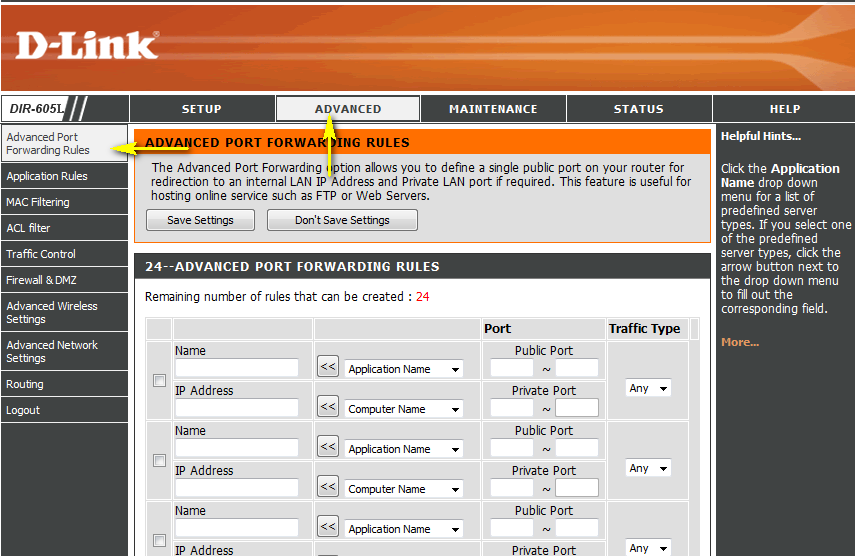
Step 6: Configure Port Forwarding and QoS Settings (Optional)
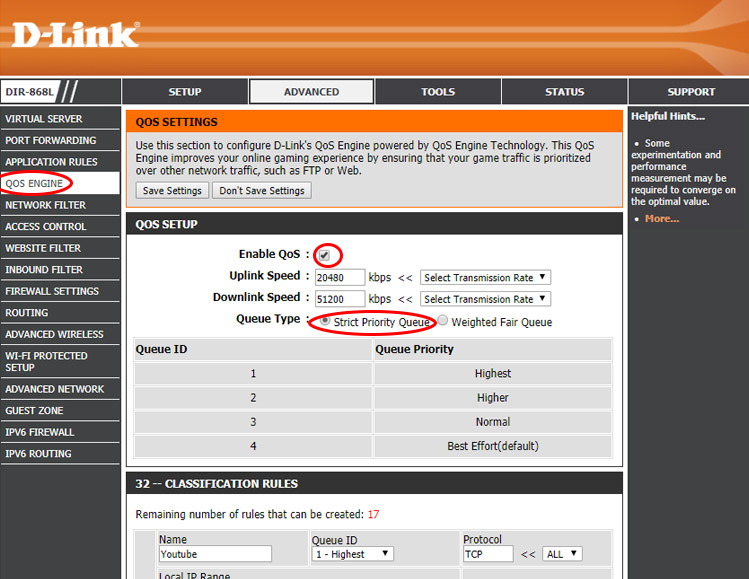
Configure port forwarding and QoS (Quality of Service) settings as needed for specific business applications or services. You may also need to configure other advanced settings, such as firewall rules and VPN settings.
Advanced Configuration and Troubleshooting
After setting up your D-Link G router, you may need to configure additional settings or troubleshoot common issues. This section will cover some advanced topics, including:
- Configuring port forwarding and QoS settings
- Setting up VPN connections
- Configuring firewall rules
- Troubleshooting common issues, such as connectivity problems or slow internet speeds
Conclusion
Setting up a D-Link G router for business use is a straightforward process that requires careful attention to detail. By following the step-by-step guide outlined in this article, you'll be able to configure your D-Link G router to meet the needs of your business, providing fast, secure, and reliable internet connectivity for your employees and clients.
Additional Resources
For more information and resources on setting up and configuring your D-Link G router for business use, refer to the following:
- D-Link support center: https://support.dlink.com/forum/
- D-Link user manual and documentation: https://support.dlink.com/products/
- Linksys support center: https://support.linksys.com/en-us/