Understanding Export License Policies: A Comprehensive Guide
Exporting goods and services internationally is a complex process, and one of the critical aspects of it is obtaining the necessary export licenses. An export license is a government-issued document that authorizes the export of specific goods, technologies, or services to certain destinations under defined conditions. In this article, we'll delve into the world of export license policies, explaining what they are, why they're essential, and how to navigate the complexities of export licensing.
What is an Export License?
An export license is a government document that grants permission to conduct a specific export transaction, including the export of technology. It's a crucial aspect of international trade, as it ensures that the export of sensitive goods and technologies doesn't harm the country's national security, foreign policy, or economic interests.
Types of Export Licenses
There are several types of export licenses, each with its unique purpose and application. Some of the most common types include:
- Single transaction license: This license is granted for a specific export transaction and is usually valid for a short period.
- Annual license: This license is granted for a year and allows for multiple export transactions during that period.
- General license: This license is granted for a broad category of exports and allows for multiple transactions without the need for a specific license application.
- Blanket license: This license allows for a specific company to export a wide range of items without the need for a specific license application.
Why Do I Need an Export License?
Export licenses are required for a variety of reasons, including:
- Humintact country restrictions
- National security concerns
- Environmental and humanitarian concerns
- Arms embargoes and sanctions
Export License Policies: A labyrinth of regulations
Export license policies can be complex and confusing, with numerous regulations and requirements to navigate. The burden of compliance is significant, and exporters must ensure they comply with all regulations to avoid costly penalties and fines.
Key Takeaways: Navigating Export License Policies
Here are some key takeaways to help exporters navigate the complexities of export licensing:
- Understand the specific export regulations and requirements for your industry and products.
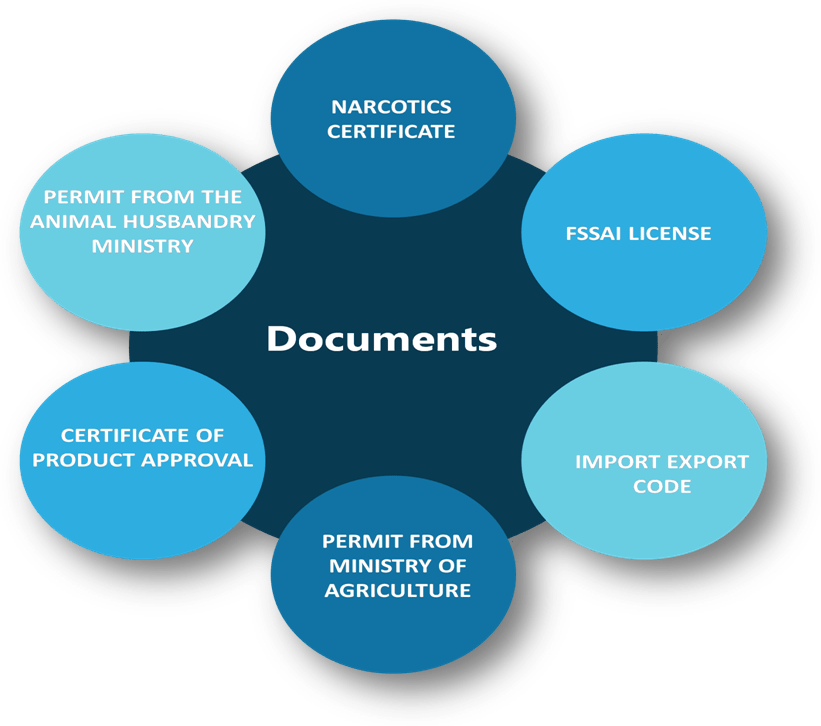
- Ensure you have the necessary documents and paperwork to apply for an export license.
- Understand the terms and conditions of the export license, including any limitations or restrictions.
- Comply with all export regulations and requirements to avoid costly penalties and fines.
Export License: A Way Forward
Export licenses are a critical aspect of international trade, ensuring that exports don't harm a country's national security, foreign policy, or economic interests. While navigating the complexities of export licensing can be daunting, understanding the regulations and requirements can help exporters ensure compliance and avoid costly penalties.
Export License Policies: Ensuring Compliance and Smooth Transactions
Export license policies are in constant flux, with governments introducing new regulations and requirements to ensure compliance and protect national interests. Exporters must stay informed and adapt to changing regulations to maintain a competitive edge in the global market.