Export License Required for Worldwide Trade: A Comprehensive Guide
With the increasing globalization of trade, exporting products to countries across the world has become a crucial aspect of businesses. However, this also means navigating a complex web of regulations and rules governing international trade. One of the essential documents required for exporting goods is an export license. In this article, we will explore what an export license is, why it's required, and how to obtain one.
What is an Export License?
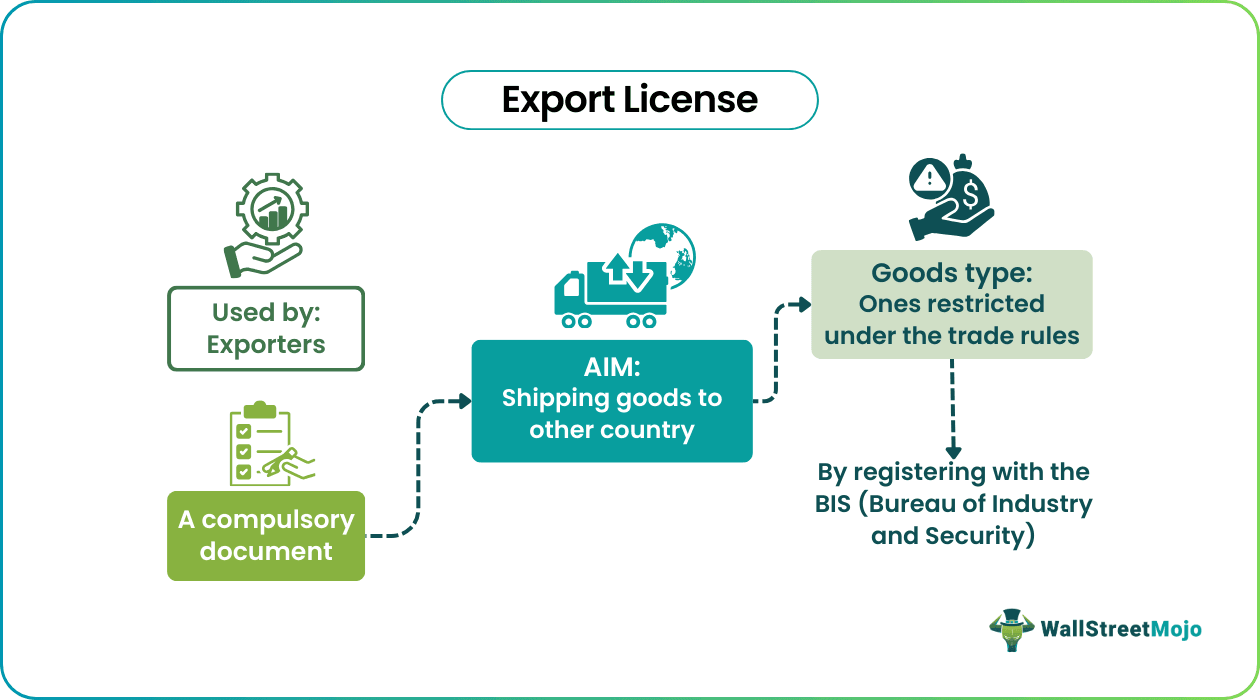
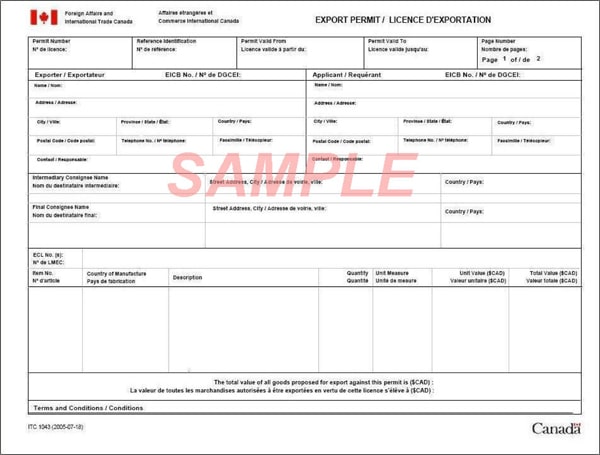
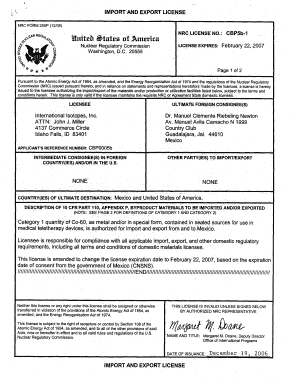
An export license is a government-issued document that authorizes or grants permission to conduct a specific export transaction, including the export of technology. These licenses are mandatory for exporters while shipping restricted goods to another country, helping maintain national security and legal compliance.
Why is an Export License Required for Worldwide Trade?
Export licenses are required for various reasons, including:
- Regulatory Compliance: Export and import licenses are essential for complying with international trade regulations and customs requirements. Failing to obtain the necessary licenses can lead to legal consequences and disruptions in trade activities.
- Security and Compliance: Export licenses are required for products that could have a significant impact on national security, foreign policy, economic health, or compliance with international agreements.
- Product Restriction: Certain products, such as dual-use items, defense-related goods, and certain chemicals, are restricted from export to specific countries or regions.
- Gun Control: Export of certain items, such as firearms and military-related equipment, is subjected to strict regulations and requires a specific type of export license.
Types of Export Licenses
There are various types of export licenses, including:
- General Export License: A general license that permits the export of specific goods to a particular country or region without the need for a specific license.
- Specific Export License: A license that is specific to a particular shipment or transaction, often requiring additional documentation and review.
- Dual-Use License: A license required for the export of dual-use items, which have both civilian and military applications.

How to Obtain an Export License
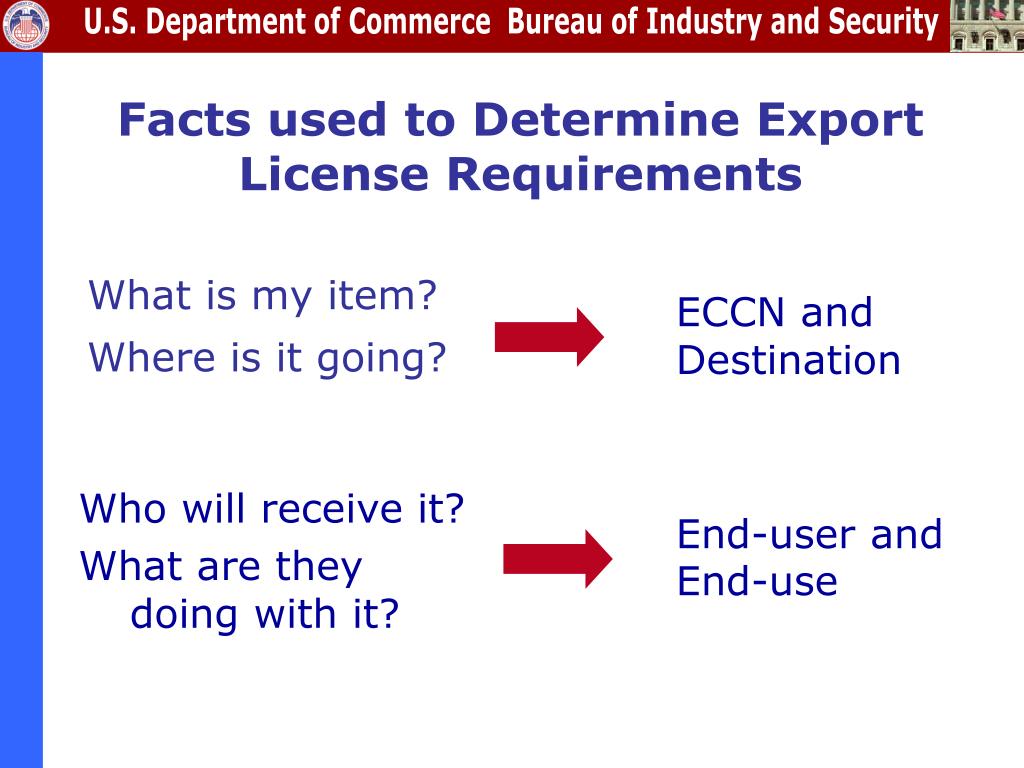
To obtain an export license, you'll need to:
- Register with the relevant authorities: Register your business with the relevant government agency responsible for export licensing, such as the U.S. Department of State or the U.S. Department of Commerce.
- Classify your products: Classify your products under the correct Harmonized System (HS) code to determine the necessary license requirements.
- Submit your application: Submit your export license application, providing all required documentation, including commercial invoices, bills of lading, and end-user certificates.
- Wait for approval: Wait for the relevant authorities to review and approve your application. This may take several weeks or even months.
Conclusion
Export licenses play an essential role in regulating worldwide trade, ensuring that exports comply with international regulations and maintain national security. With the complexity of export licensing, it's crucial for businesses to understand the process and requirements for obtaining an export license. By following this guide, you'll be better equipped to navigate the world of export licensing and ensure compliance with international trade regulations.
Export License Key Takeaways:
Export licenses are required for various reasons, including regulatory compliance, security and compliance, product restriction, and gun control. Different types of export licenses exist, such as general, specific, and dual-use licenses. To obtain an export license, you'll need to register with the relevant authorities, classify your products, submit your application, and wait for approval.
By understanding export licensing requirements, businesses can ensure compliance with international trade regulations, avoid costly penalties, and streamline their international trade operations. Remember to stay up-to-date with changing regulations and guidelines to avoid compliance pitfalls and maintain a smooth export business.