G Router Installation and Configuration Guide
Introduction
In today's digital age, a reliable and fast home network is essential for streaming, gaming, and productivity. A good quality router is the heart of any home network, and installing and configuring it correctly is crucial for optimal performance. In this comprehensive guide, we will walk you through the steps to install and configure a G router, ensuring a seamless and secure internet experience.
Step 1: Unboxing and Physical Installation
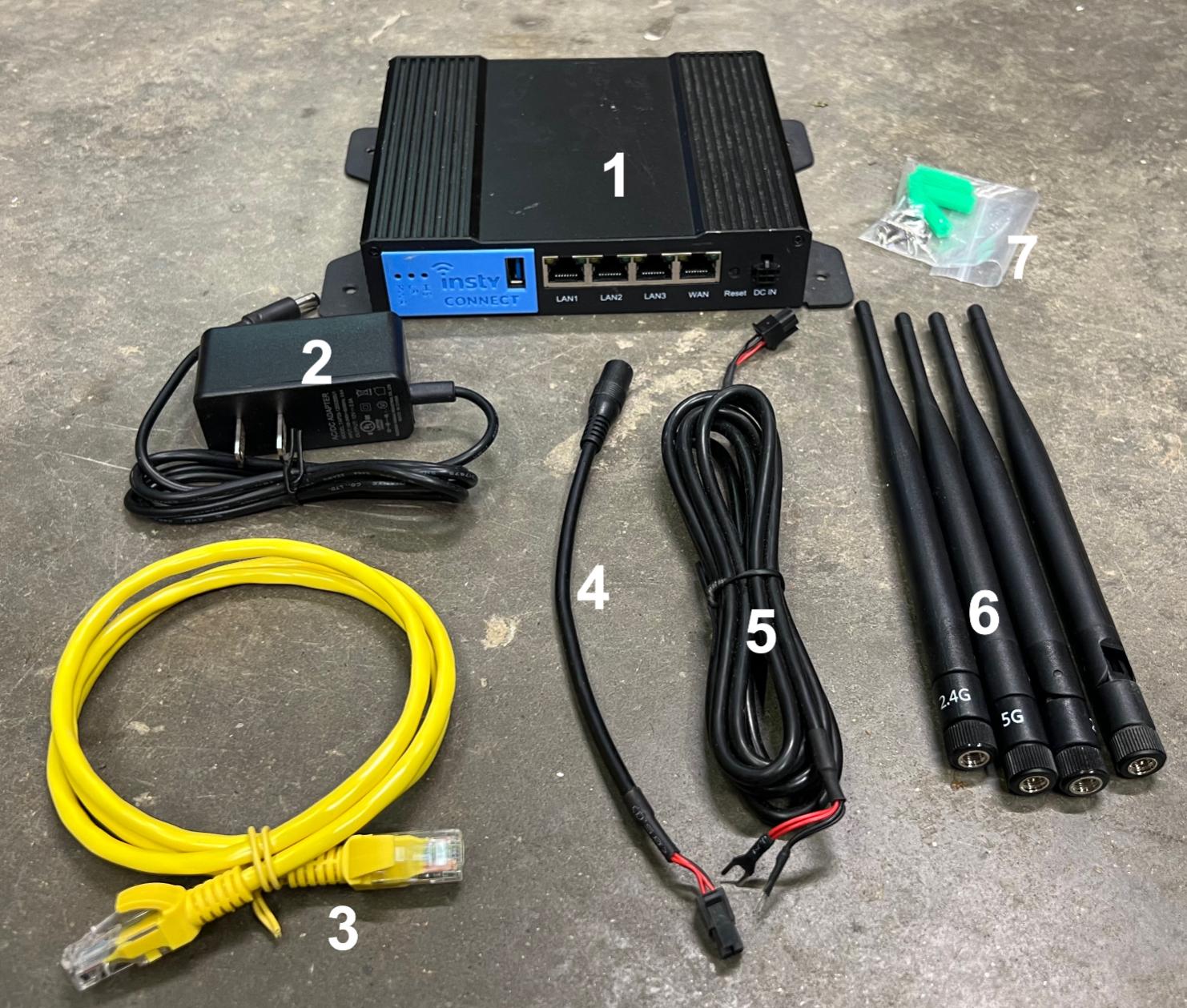
Begin by unboxing your G router and carefully removing all the components, including the router itself, power adapter, and any additional accessories. Next, locate a suitable spot for your router, ideally in a central location to ensure even coverage throughout your home. Mount the router on a wall or place it on a table, and connect the power adapter to a nearby power outlet.
Step 2: Connecting to the Modem
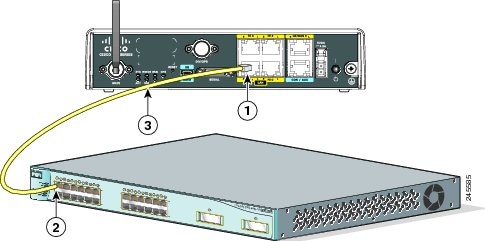
Connect the modem to the black port on the G router using an Ethernet cable. Make sure the modem is properly powered on and configured before proceeding. You may need to consult your modem's user manual for specific instructions.
Step 3: Configuring the Router
Using a computer or mobile device, open a web browser and navigate to the router's default IP address, usually 192.168.0.1 or 192.168.1.1. Log in to the router using the default admin username and password, which can be found in the user manual or on the manufacturer's website.
Step 4: Setting Up the Wireless Network
- Change the wireless network name (SSID) to a unique and descriptive name.
- Set the wireless channel to the default channel or a specific channel to minimize interference.
- Set the wireless security mode to WPA2 or WPA3, depending on your router's capabilities.
- Create a strong password for the wireless network.
Step 5: Configuring Advanced Settings

Advanced settings include:
- Quality of Service (QoS) settings to prioritize traffic for critical applications.
- Port forwarding settings to allow incoming traffic for specific applications.
- Guest network settings to create a separate network for guests.
- Wireless isolation settings to prevent devices on the wireless network from communicating with each other.
Step 6: Saving and Rebooting the Router
Save all the changes you've made to the router's configuration and reboot the device to ensure the changes take effect. Wait for the router to fully reboot before proceeding to the next step.
Step 7: Connecting Devices to the Network
Once the router is fully rebooted, connect your devices to the wireless network using the new wireless network name and password. Make sure to update the network settings on all devices to use the new wireless network.
Conclusion
Installing and configuring a G router is a relatively straightforward process, but it requires attention to detail and a thorough understanding of the device's capabilities. By following this guide, you'll be able to set up a fast, reliable, and secure home network that meets your needs and provides a seamless internet experience.
Additional Tips and Resources
- Regularly update the router's firmware to ensure the latest security patches and features.
- Use a strong and unique password for the wireless network and router administration interface.
- Keep the router's software up-to-date to ensure compatibility with new devices and applications.
- Consult the router's user manual or manufacturer's website for specific instructions and troubleshooting guides.