5G Wireless Network New Radio Technology: Revolutionizing Mobile Connectivity
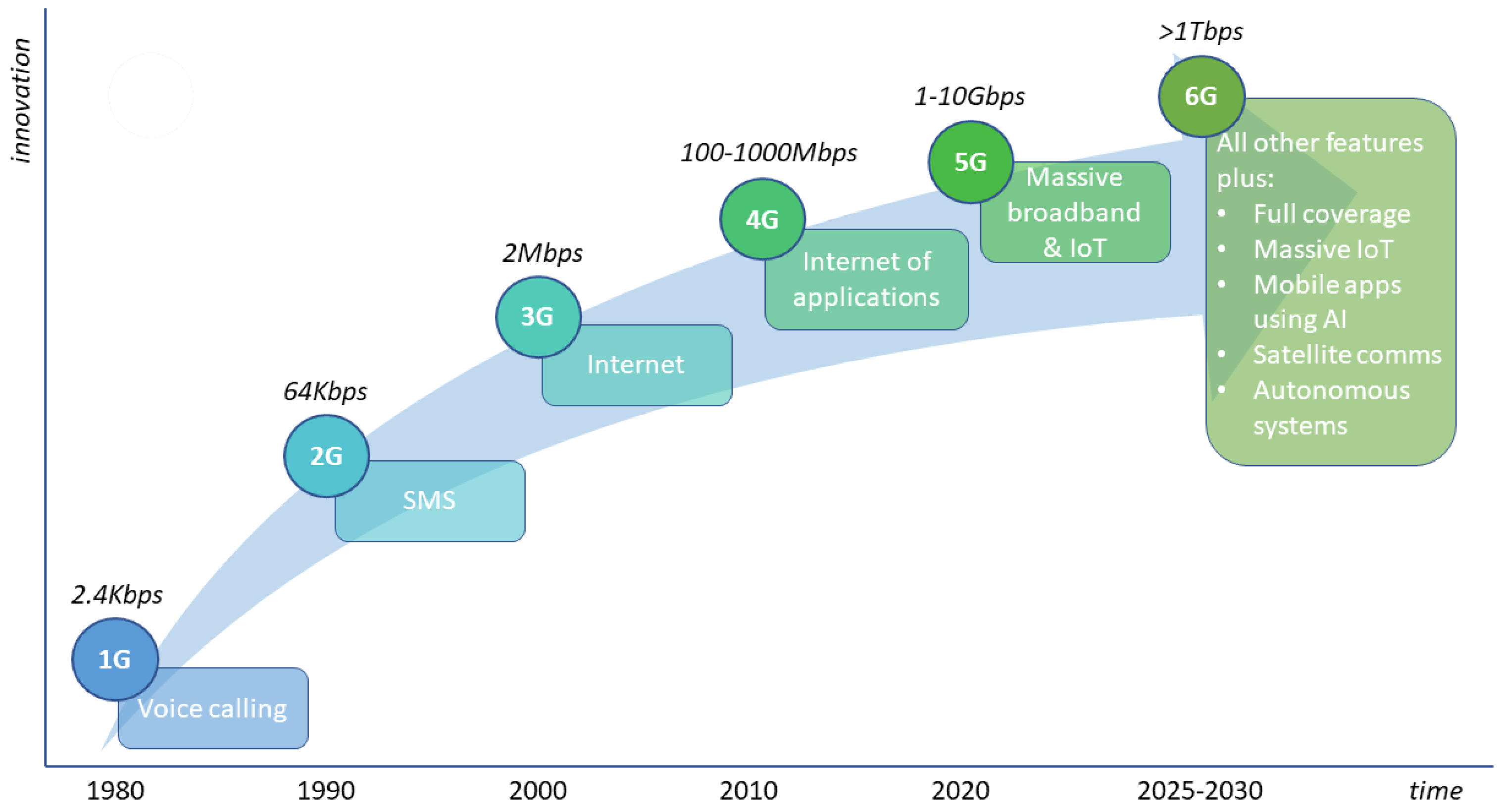
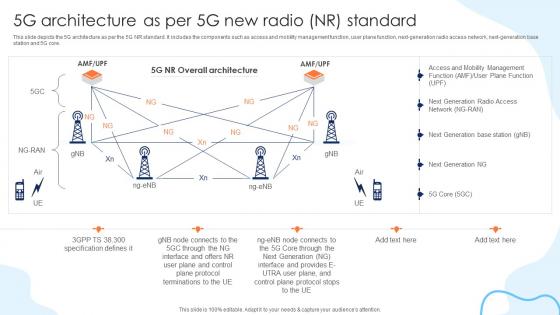
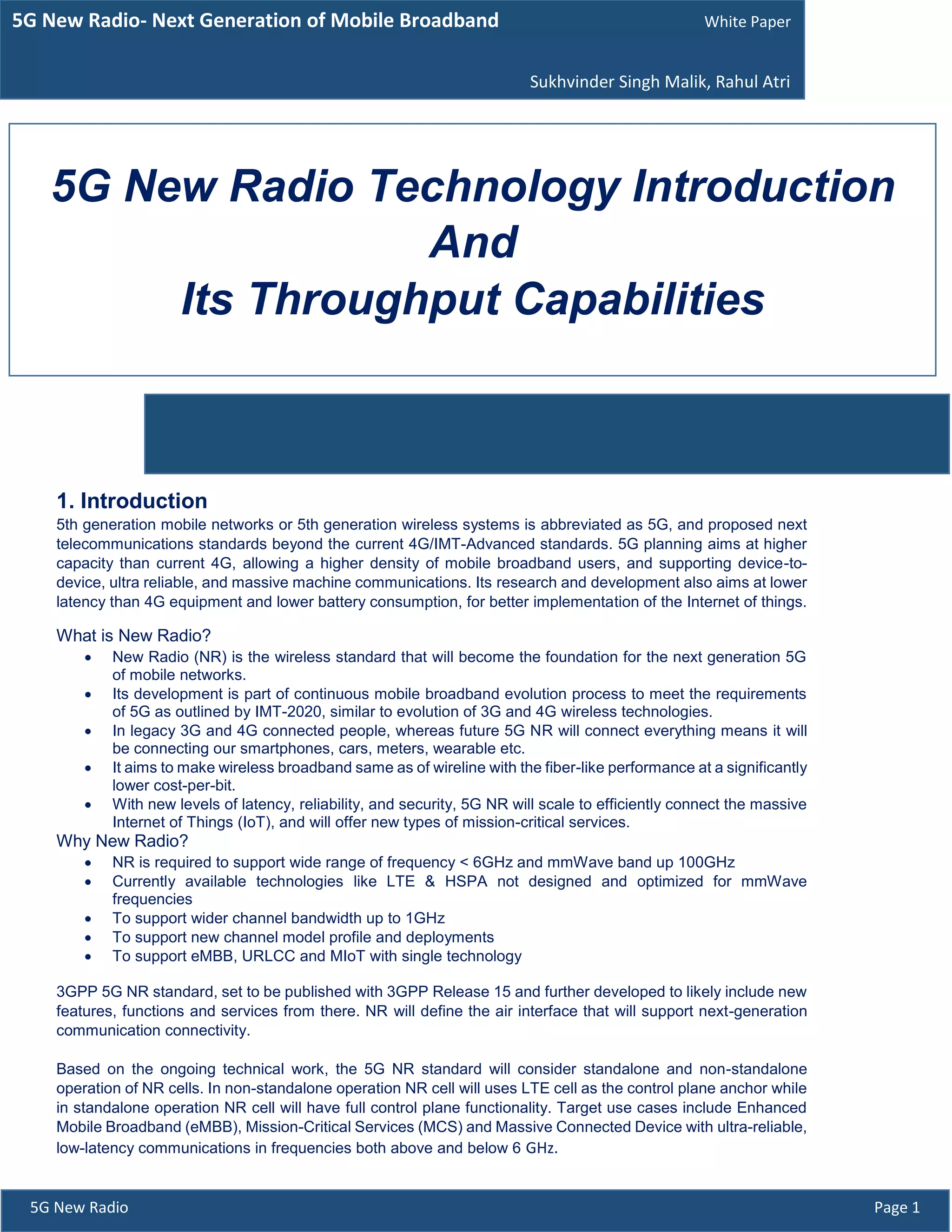
As the world transitions to the fifth generation of wireless communication, the 5G wireless network new radio technology (5G NR) has emerged as the global standard for delivering faster, more reliable, and more efficient mobile experiences. Developed by the 3rd Generation Partnership Project (3GPP), 5G NR is designed to support a wide range of applications, from ultra-fast mobile broadband to massive IoT deployments and mission-critical communications.
Understanding 5G NR Technology
5G NR is a radio access technology (RAT) that provides a unified and more capable wireless air interface for 5G applications. It represents a significant leap from previous generations, such as 4G LTE, enabling faster data speeds, lower latency, and improved connectivity across a wide range of devices and use cases. As the new global standard for 5G wireless technology, 5G NR is revolutionizing telecom operations, enabling new use cases and applications that were previously impossible or impractical.
Key Features of 5G NR
- Faster Data Speeds: 5G NR enables speeds of up to 10-12 Gbps, which is about 100 times faster than 4G LTE.
- Lower Latency: 5G NR has latency as low as 1 ms, making it suitable for real-time applications such as autonomous driving, remote surgery, and VR.
- Improved Connectivity: 5G NR provides massive connectivity, enabling the connection of billions of devices to the 5G network.
- Enhanced Security: 5G NR includes advanced security features, such as network slicing and encryption, to ensure the secure transmission of data.
Applications of 5G NR
5G NR has a wide range of applications, including:

- Ultra-Fast Mobile Broadband: 5G NR enables ultra-fast mobile broadband, making it possible to download movies and TV shows in seconds.
- Massive IoT Deployments: 5G NR enables massive IoT deployments, making it possible to connect billions of devices to the 5G network.
- Mission-Critical Communications: 5G NR provides mission-critical communications, making it suitable for use in emergency services and other critical applications.
- Real-Time Applications: 5G NR enables real-time applications, such as autonomous driving, remote surgery, and VR.
Future of 5G NR
The future of 5G NR is bright, with many countries and companies investing heavily in the development and deployment of 5G networks. As the technology continues to evolve, we can expect to see even faster data speeds, lower latency, and improved connectivity. Additionally, 5G NR will enable new use cases and applications that were previously impossible or impractical, such as:
- Smart Cities: 5G NR will enable the creation of smart cities, where devices and sensors are connected to the 5G network to provide real-time data and insights.
- Industry 4.0: 5G NR will enable the creation of Industry 4.0, where devices and machines are connected to the 5G network to provide real-time data and insights.
- Autonomous Vehicles: 5G NR will enable the creation of autonomous vehicles, where vehicles are connected to the 5G network to provide real-time data and insights.
Conclusion
5G NR is the new global standard for 5G wireless technology, enabling faster, more reliable, and more efficient mobile experiences. With its faster data speeds, lower latency, and improved connectivity, 5G NR is revolutionizing telecom operations and enabling new use cases and applications that were previously impossible or impractical. As the technology continues to evolve, we can expect to see even faster data speeds, lower latency, and improved connectivity, enabling new use cases and applications that will change the world.




(2003).jpg "Understanding 5G Radio: The Future of Wireless Communication")