Migraine Anxiety Relief Treatments: Understanding the Complex Relationship Between Migraines and Anxiety
Did you know that more than half of people with migraines will meet the criteria for at least one anxiety disorder in their lifetime?
Migraines and anxiety share a bidirectional relationship, meaning anxiety increases the risk of migraines and vice versa. This complex relationship makes it essential to understand the link between migraines and anxiety, explore effective treatments, and find ways to manage symptoms.
The Connection Between Migraines and Anxiety
- The stress and anxiety of a migraine attack can trigger anxiety symptoms, creating a vicious cycle.
- Migraines can cause anxiety symptoms such as fear, worry, and fear of losing control.
- Research suggests that anxiety disorders can increase the frequency and severity of migraines.
Managing Migraines and Anxiety: Treatment Options
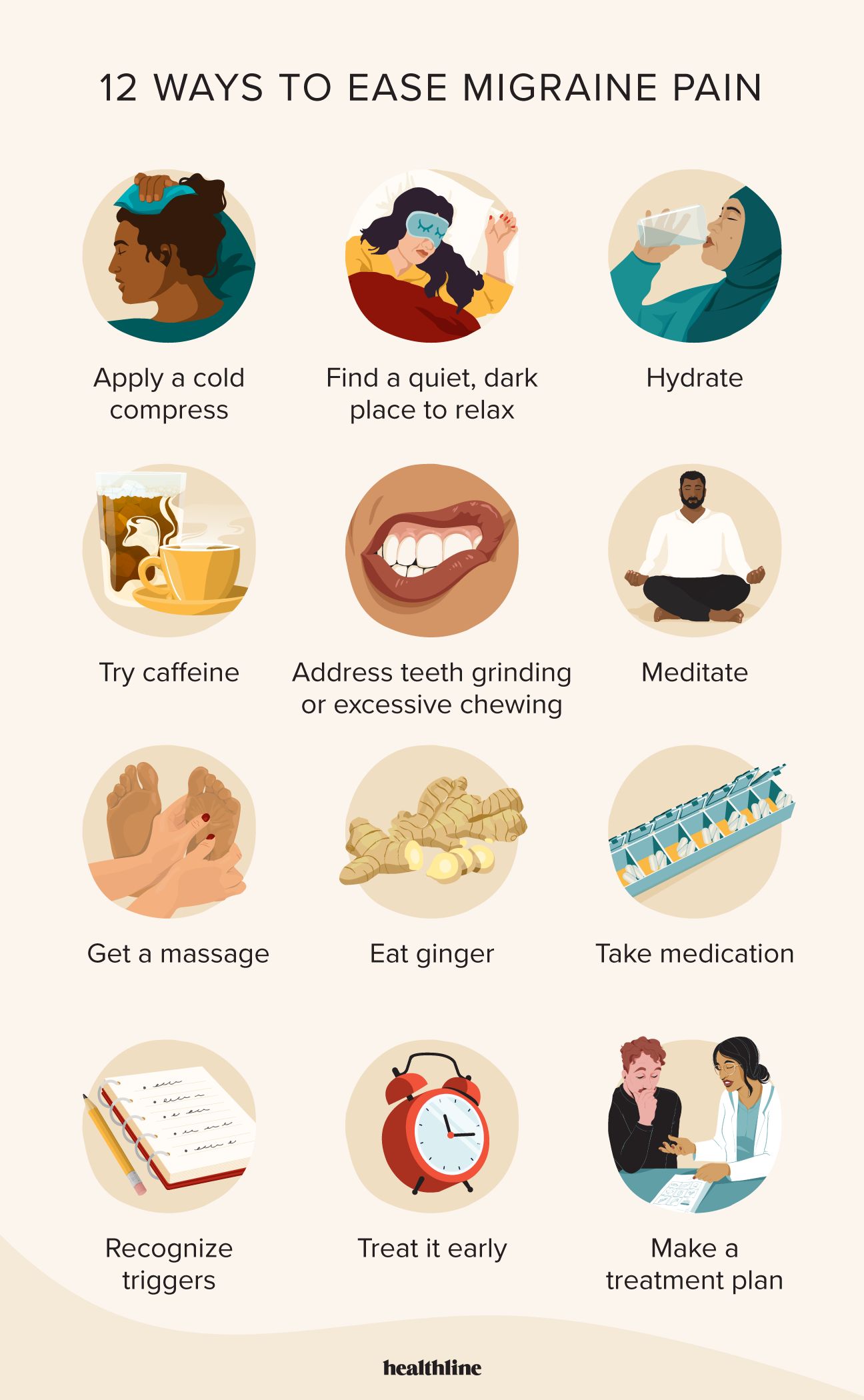
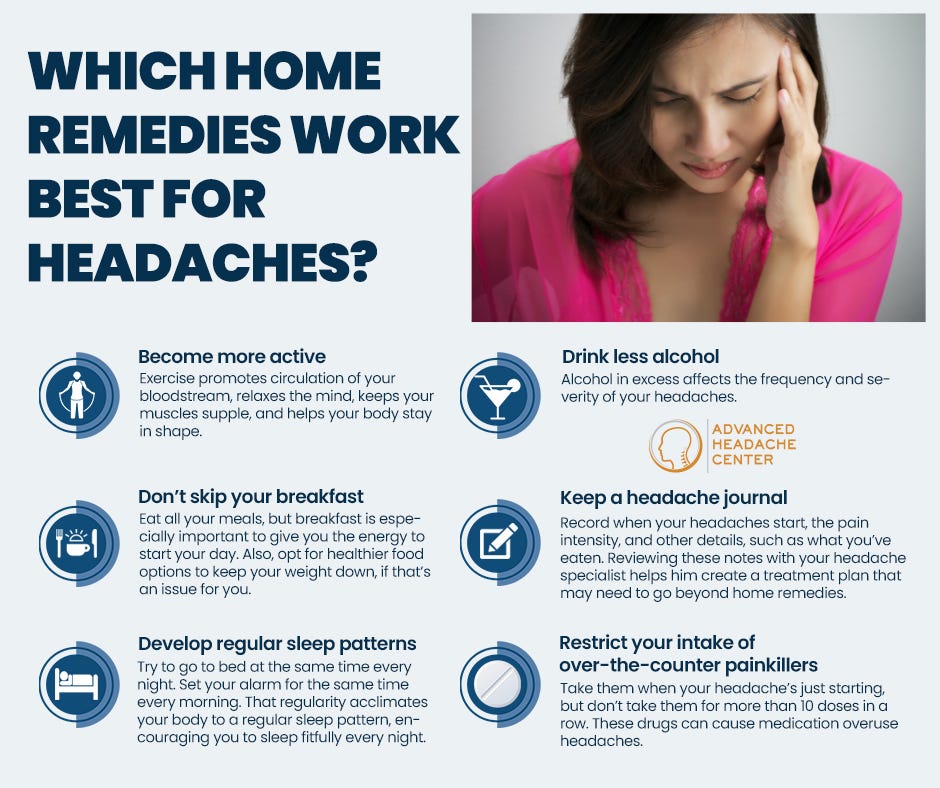
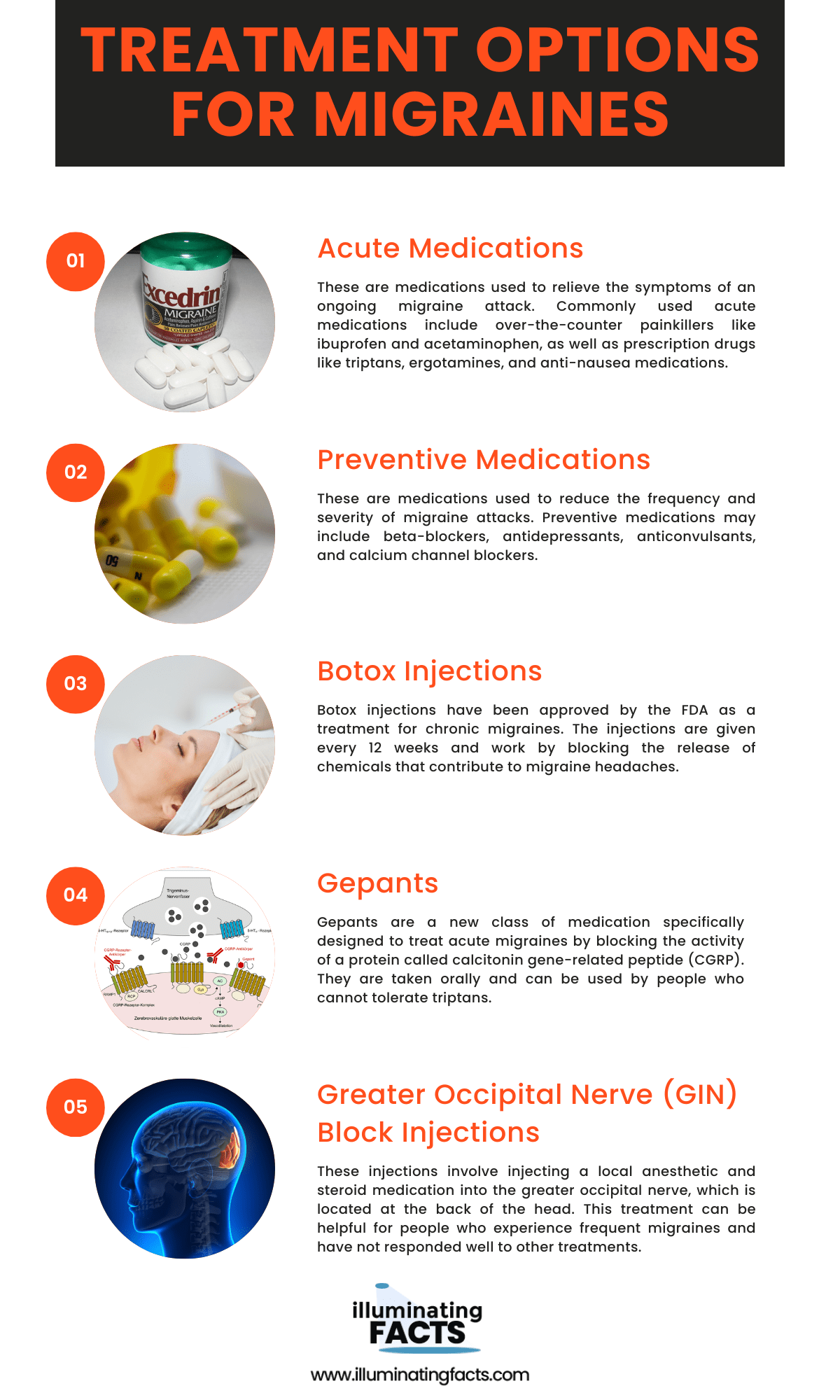
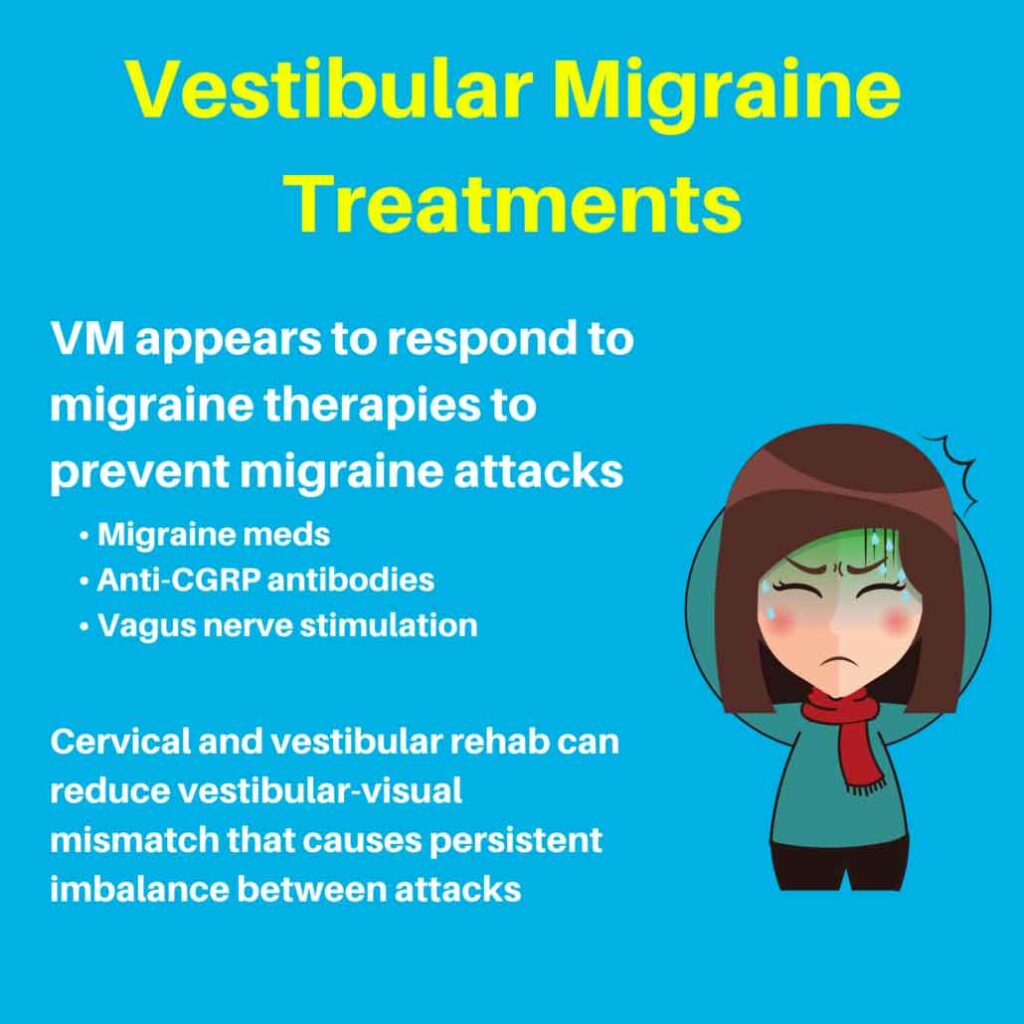
Effective treatment for migraines and anxiety requires a comprehensive approach that includes medication, lifestyle changes, and stress management techniques. Some treatment options include:
- Prescription medications: Triptans, abortive medications, and preventive medications can help manage migraines and anxiety symptoms.
- Cognitive behavioral therapy (CBT): CBT can help individuals manage anxiety symptoms, reduce stress, and improve coping skills.
- Behavioral therapies: Other behavioral therapies, such as relaxation training, electromyographic feedback, and acupuncture, can also help manage anxiety and migraines.
- Natural remedies: Peppermint, ginger, and caffeine can help alleviate migraine symptoms, but it's essential to consult with a healthcare professional before trying.
Stress Management Techniques for Migraines and Anxiety
Stress management techniques can help alleviate anxiety symptoms and reduce the frequency and severity of migraines. Some effective stress management techniques include:
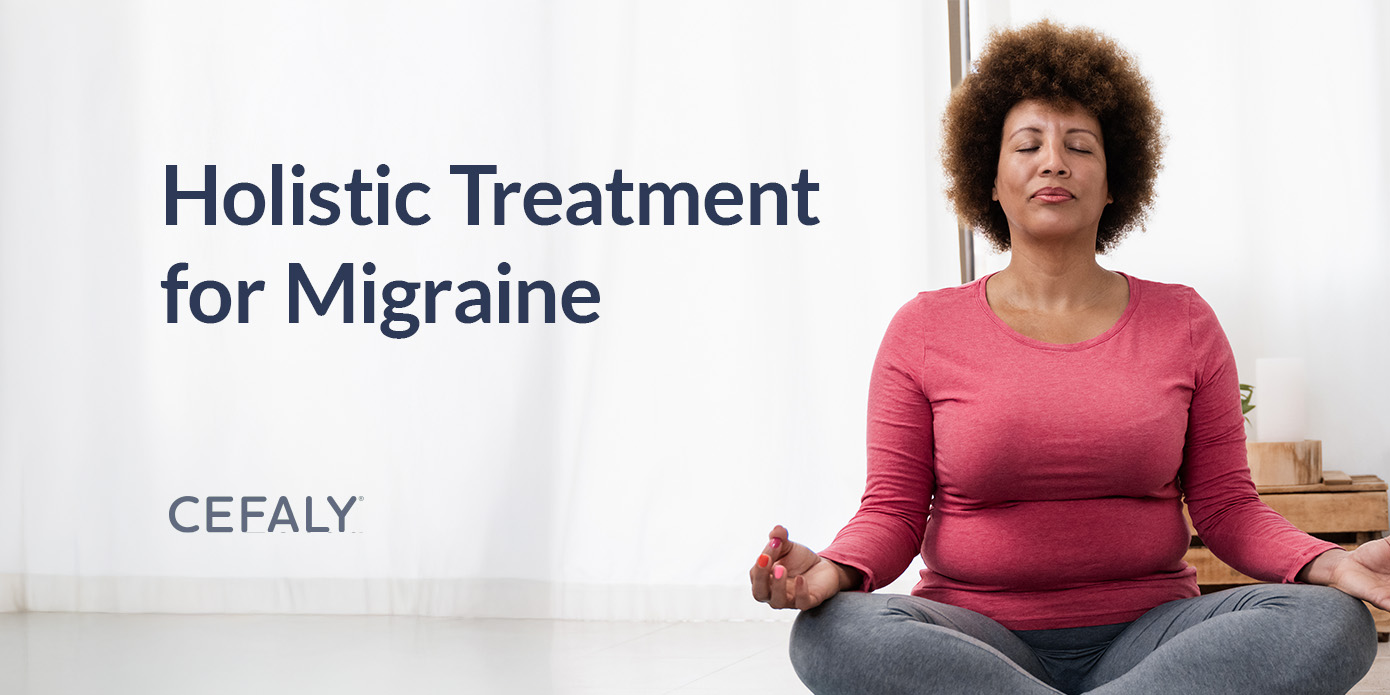
- Relaxation techniques: Deep breathing, progressive muscle relaxation, and visualization can help reduce stress and anxiety.
- Exercise: Regular exercise can help reduce anxiety symptoms and improve mood.
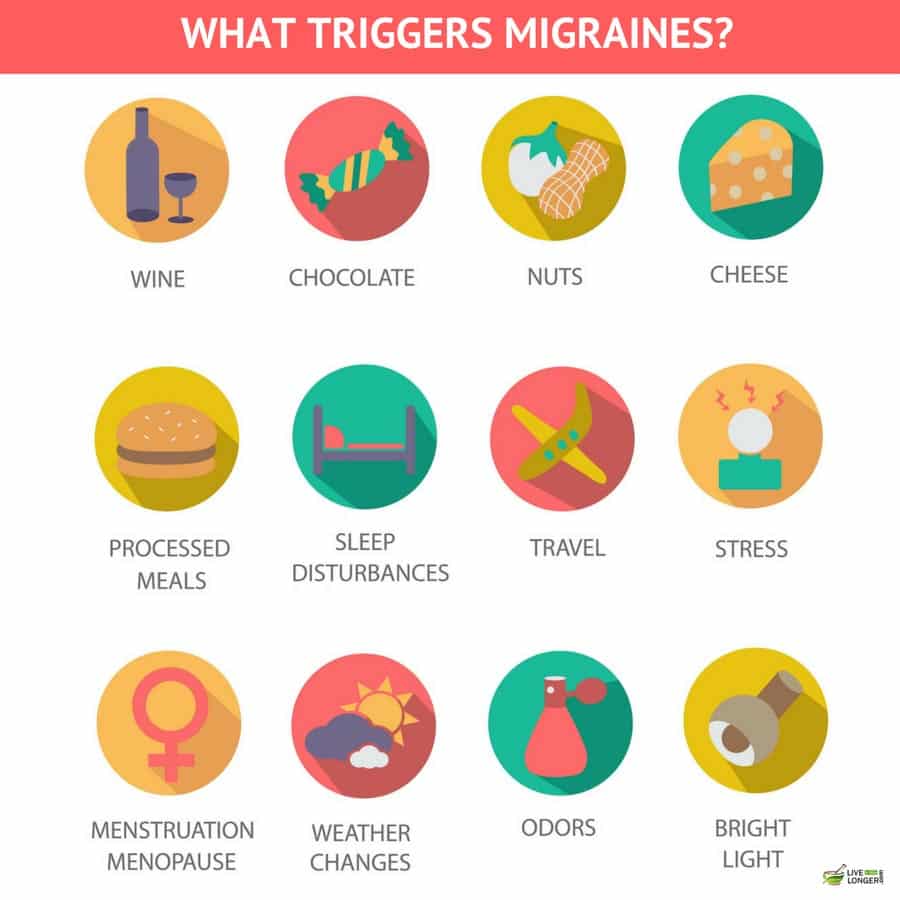
- Journaling: Keeping a headache diary or journal can help identify migraine triggers and track progress.
- Ayurvedic therapy: Ayurvedic therapy, such as Shirodharatreatment, can help alleviate migraine symptoms and promote relaxation.
Chronic Migraines: Diagnosis and Treatment
Chronic migraines can be challenging to diagnose and treat, but early intervention is crucial to alleviate symptoms and prevent long-term complications. Some diagnostic criteria for chronic migraines include:
- 15 or more migraine days per month
- Lasting 3 months or more
- Disability or significant impairment in daily life
Conclusion
Migraines and anxiety are complex conditions that share a bidirectional relationship. Effective treatment requires a comprehensive approach that includes medication, lifestyle changes, and stress management techniques. By understanding the connection between migraines and anxiety, individuals can find relief from symptoms and improve their overall quality of life.
Key Takeaways
Remember the following key takeaways:
- More than half of people with migraines will meet the criteria for at least one anxiety disorder in their lifetime.
- Migraines and anxiety share a bidirectional relationship, meaning anxiety increases the risk of migraines and vice versa.
- Effective treatment for migraines and anxiety requires a comprehensive approach that includes medication, lifestyle changes, and stress management techniques.
- Stress management techniques, such as relaxation techniques, exercise, and journaling, can help alleviate anxiety symptoms and reduce the frequency and severity of migraines.
Treatment options include prescription medications, cognitive behavioral therapy, behavioral therapies, natural remedies, and Ayurvedic therapy. Consult with a healthcare professional to determine the best course of treatment for your specific needs.
Stay informed, stay connected, and find relief from migraines and anxiety.