Setting Up a Wi-Fi Network for Financial Management: A Comprehensive Guide
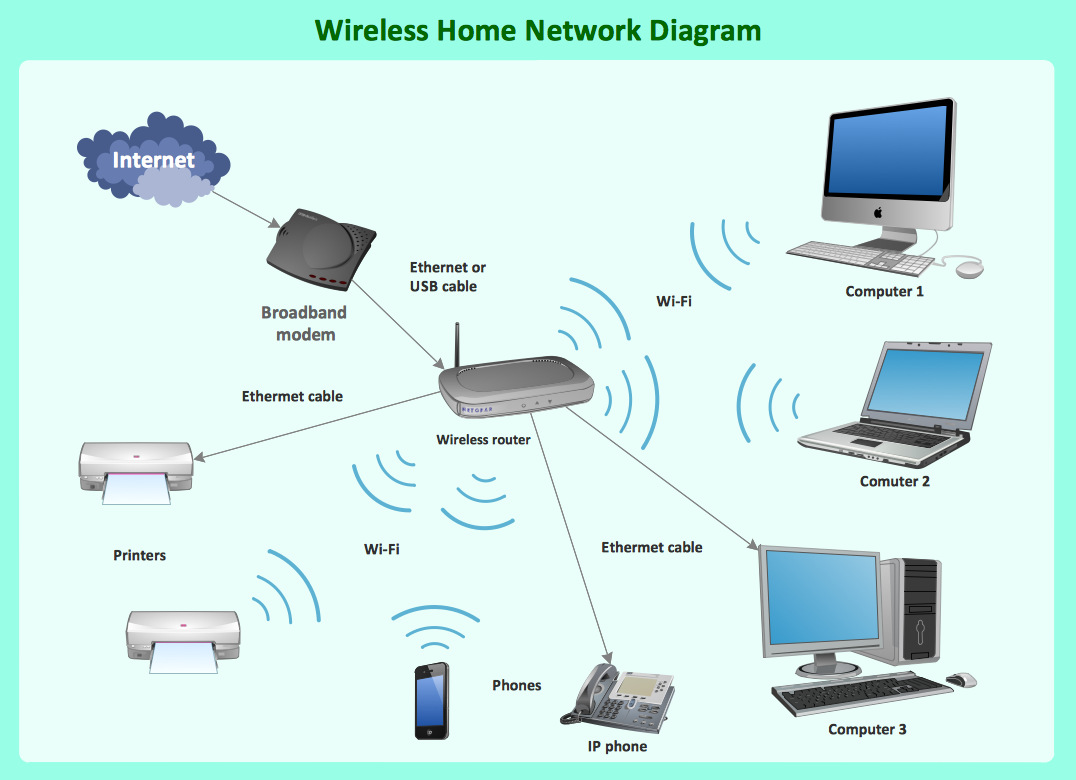
In today's digital age, having a reliable and secure Wi-Fi network is crucial for any business, especially for financial management. With the increasing dependence on internet connectivity, setting up a robust Wi-Fi network is essential to ensure seamless access to financial data, reduce security risks, and improve productivity.
Benefits of a Reliable Wi-Fi Network for Financial Management
A well-designed and optimized Wi-Fi network can bring numerous benefits to financial institutions, including:
- Improved productivity: Easy access to financial data and applications enables users to work more efficiently and make informed decisions.
- Enhanced security: A secure Wi-Fi network protects sensitive financial data from unauthorized access and cyber threats.
- Increased mobility: Financial staff can work remotely or move around the office with ease, using their devices to access financial data and applications.
- Better collaboration: A reliable Wi-Fi network facilitates seamless communication and collaboration between financial teams, enabling them to work together more effectively.
Key Considerations for Setting Up a Wi-Fi Network for Financial Management
When setting up a Wi-Fi network for financial management, there are several key considerations to keep in mind:
- Network segmentation: Segmenting the network into different virtual LANs (VLANs) helps to improve security and reduce the risk of unauthorized access to financial data.
- Access control: Implementing robust access controls, such as Two-Factor Authentication (2FA) and Single Sign-On (SSO), ensures that only authorized users can access financial data and applications.
- Encryption: Using robust encryption technologies, such as WPA2 or WPA3, protects sensitive financial data from unauthorized access and cyber threats.
- Regular monitoring and maintenance: Regularly monitoring and maintaining the Wi-Fi network ensures that it remains secure, reliable, and optimized for financial management.
Best Practices for Optimizing Wi-Fi Performance

To ensure maximum performance and reliability, implement the following best practices for optimizing Wi-Fi performance:
- Conduct regular network scans to identify and remove any unnecessary devices or applications.
- Update firmware and software regularly to ensure the latest security patches and performance enhancements.
- Implement Quality of Service (QoS) policies to prioritize critical financial applications and services.
- Use Wi-Fi analytics tools to monitor network performance and identify areas for improvement.
Conclusion
Setting up a Wi-Fi network for financial management requires careful planning, implementation, and ongoing maintenance to ensure security, reliability, and optimal performance. By following the key considerations and best practices outlined in this guide, financial institutions can establish a robust Wi-Fi network that supports their financial management needs and ensures the success of their business.
Additional Resources
For more information on setting up a Wi-Fi network for financial management, refer to the following resources:
- Financial Industry Regulatory Authority (FINRA) guidelines for financial institution cybersecurity.
- General Data Protection Regulation (GDPR) guidance on data protection and security.
- Wi-Fi Alliance best practices for secure Wi-Fi implementation.