The Effects of GLP-1 on Body Composition: A Comprehensive Review
The use of glucagon-like peptide-1 receptor agonists (GLP-1RAs) has become increasingly popular in the management of type 2 diabetes and obesity. These medications work by mimicking the action of the naturally occurring hormone GLP-1, which plays a crucial role in glucose metabolism and body composition.GLP-1 and Body Composition
Research has shown that GLP-1RAs can have a significant impact on body composition, with many studies reporting a reduction in fat mass and improvements in insulin sensitivity. A landmark study published in 2025 found that participants who took a GLP-1RA lost an average of 15% of their body weight, with approximately 39% of that weight loss attributed to lean mass loss.Components of Body Composition Affected by GLP-1
Studies have shown that GLP-1RAs can affect multiple components of body composition, including:- Visceral fat mass: GLP-1RAs have been shown to reduce visceral fat mass, which is a major risk factor for cardiovascular disease.
- Subcutaneous fat mass: GLP-1RAs can also reduce subcutaneous fat mass, which can lead to improved insulin sensitivity and reduced risk of metabolic disorders.
- Lean body mass: GLP-1RAs can cause a loss of lean body mass, which can be a concern for patients who are already at risk of muscle wasting.
Mechanisms of Action of GLP-1 on Body Composition

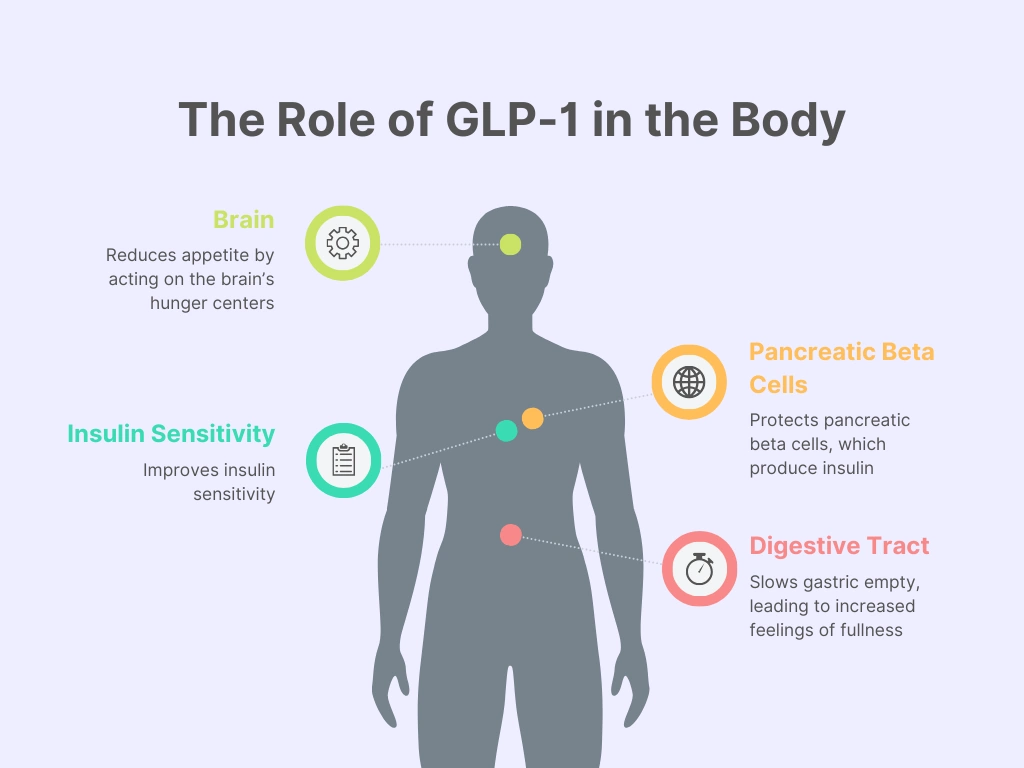
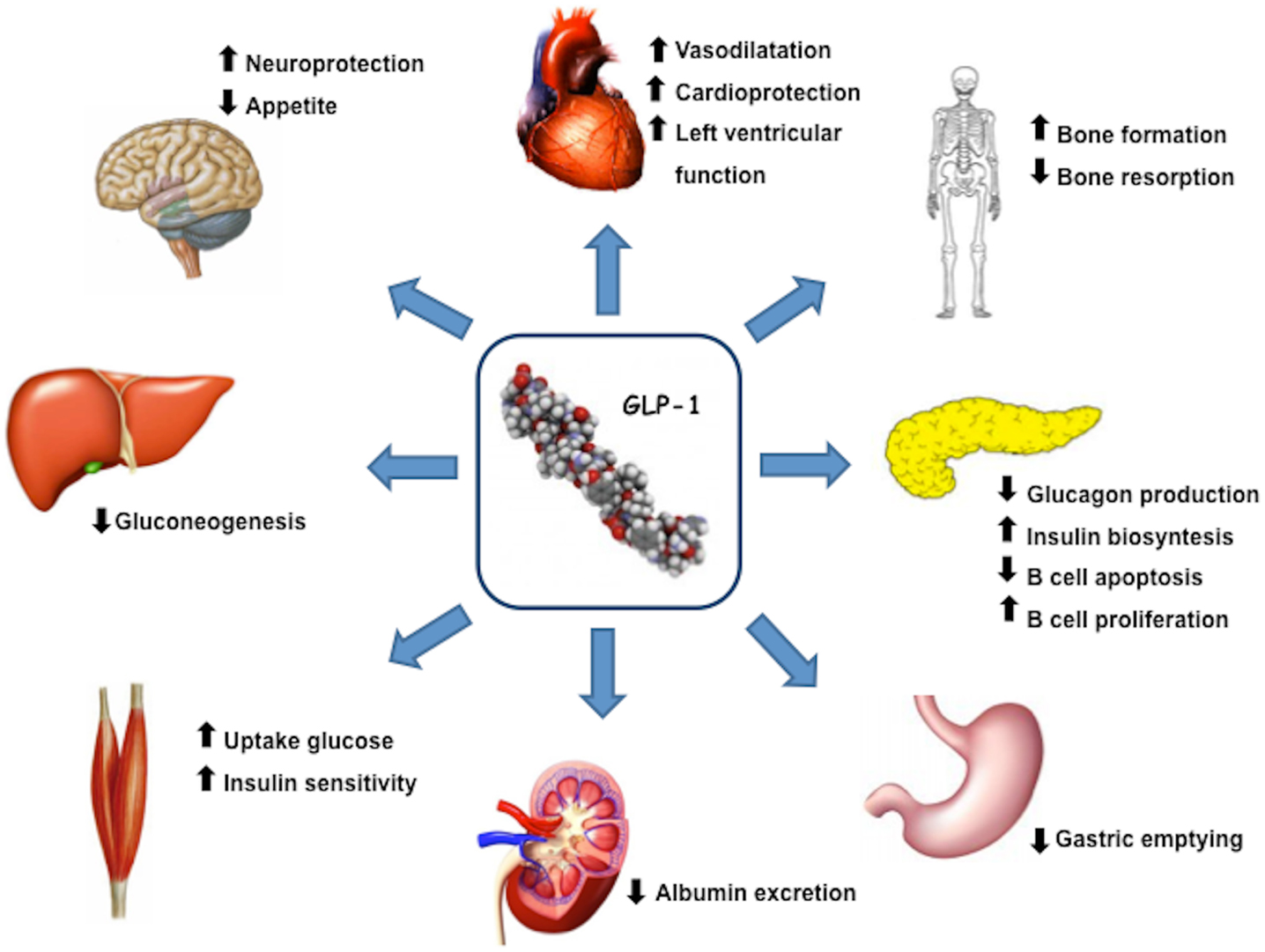
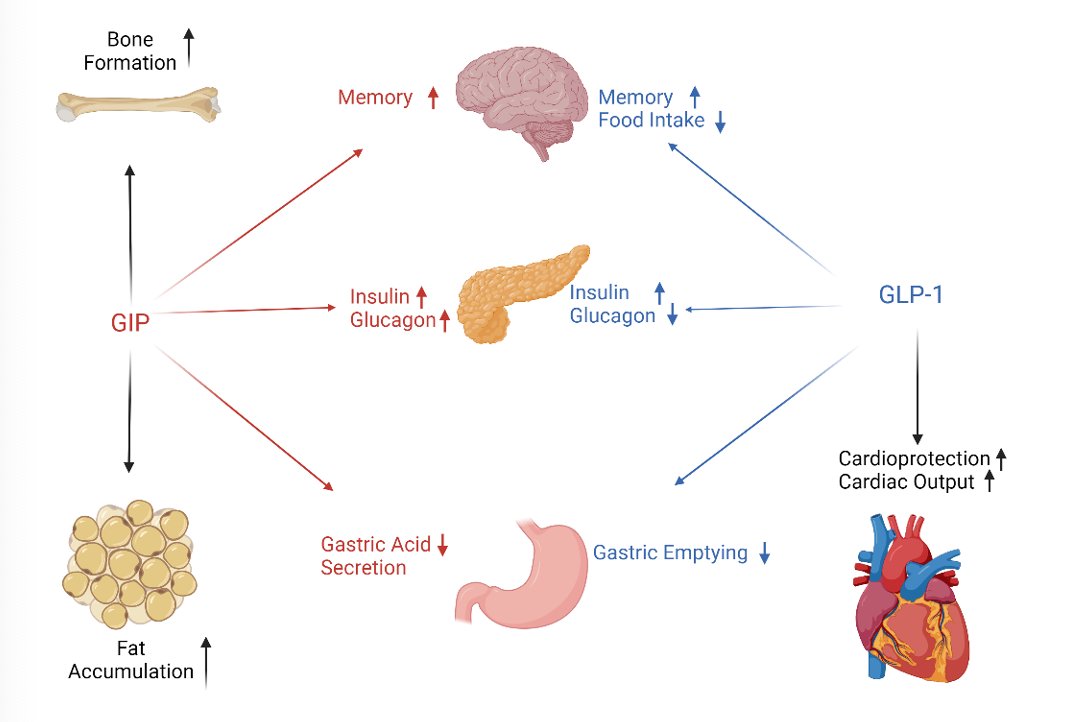
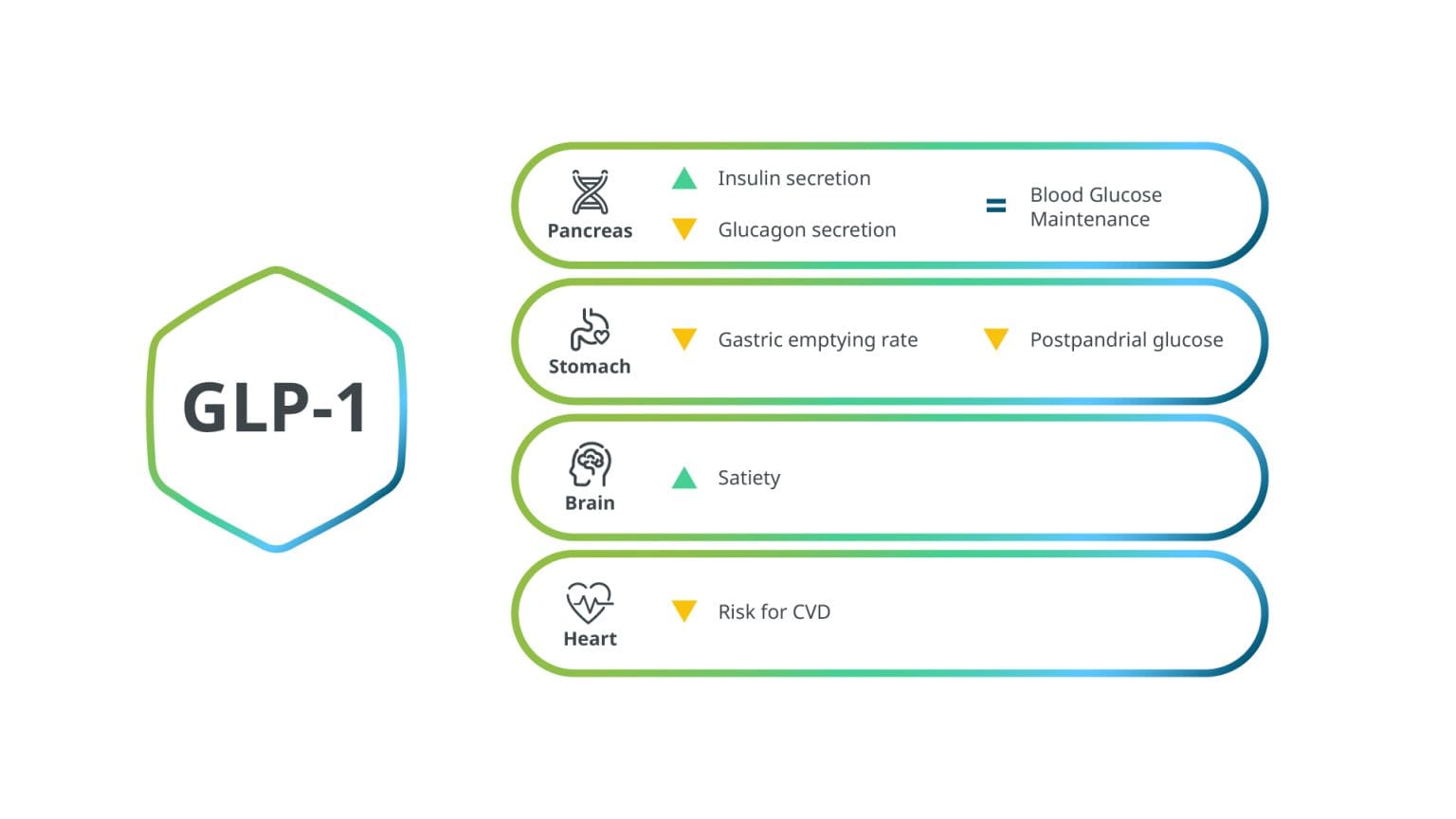
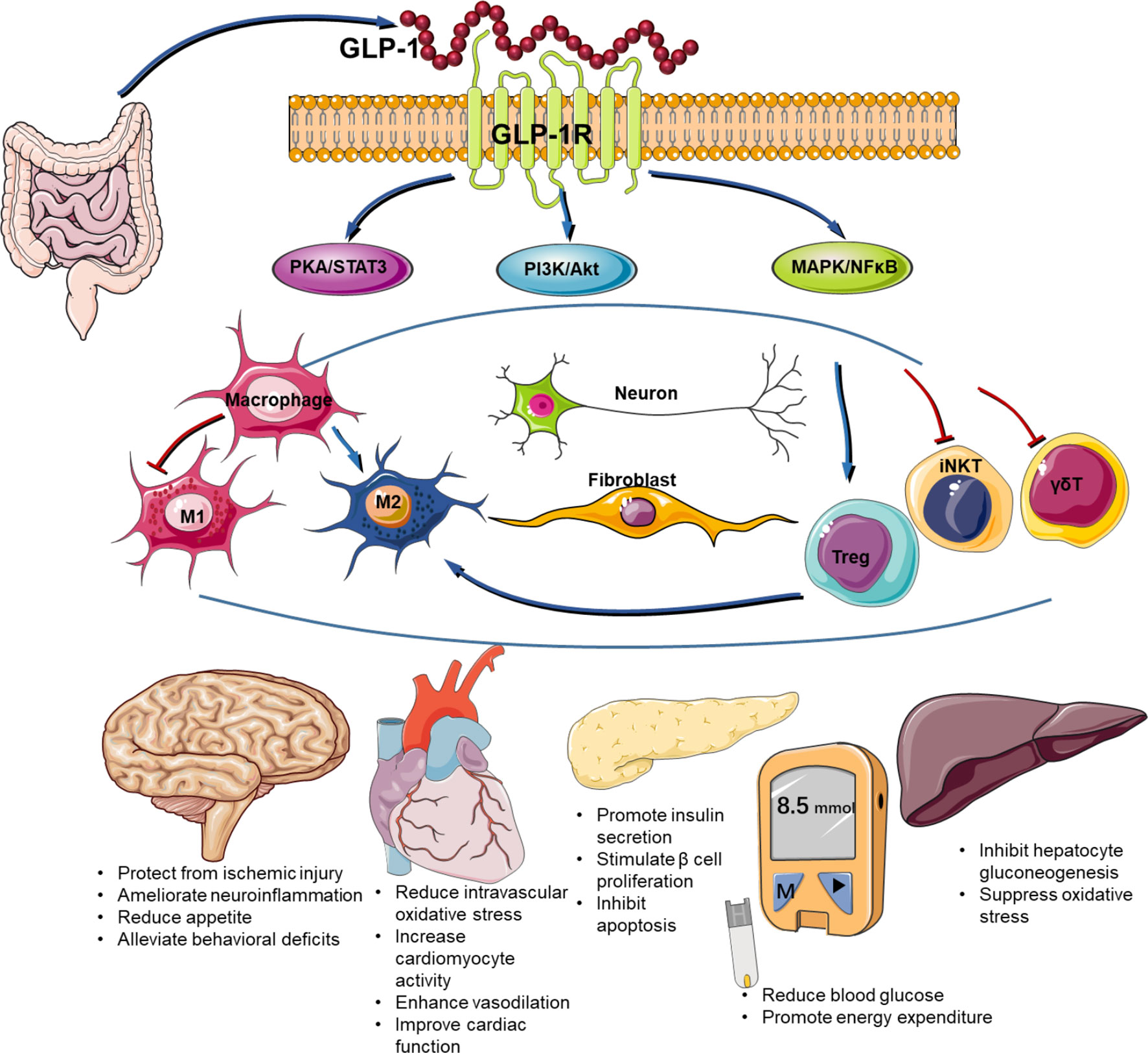
- Inhibition of appetite: GLP-1RAs work by suppressing appetite and reducing food intake.
- Increased glucose uptake: GLP-1RAs increase glucose uptake in muscles and adipose tissue, which can lead to improved insulin sensitivity.
- Mitochondrial biogenesis: GLP-1RAs have been shown to increase mitochondrial biogenesis in adipose tissue, which can lead to improved glucose metabolism.