The Evolution of Wearable Fitness Technology: Revolutionizing the Way We Stay Healthy
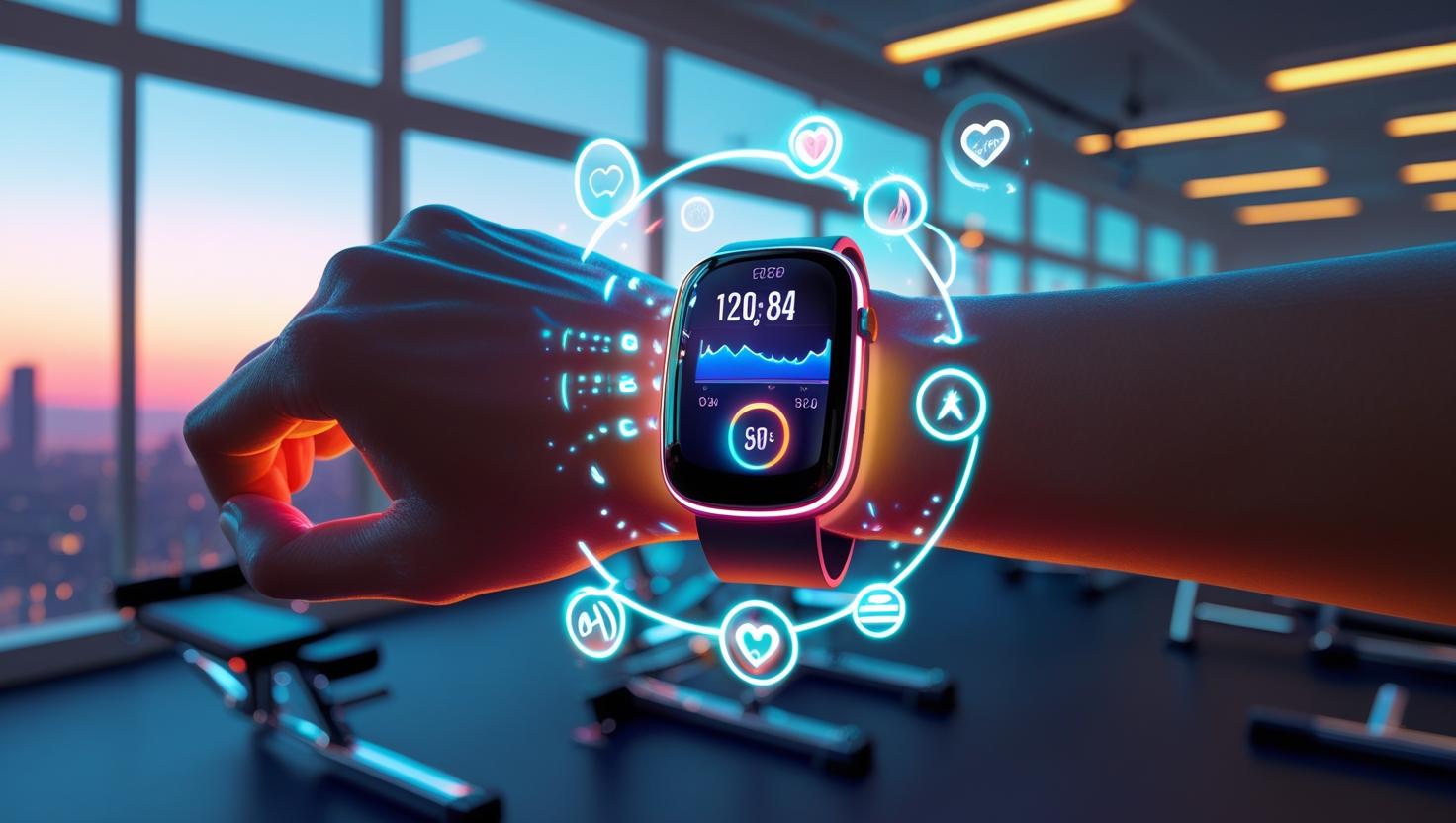
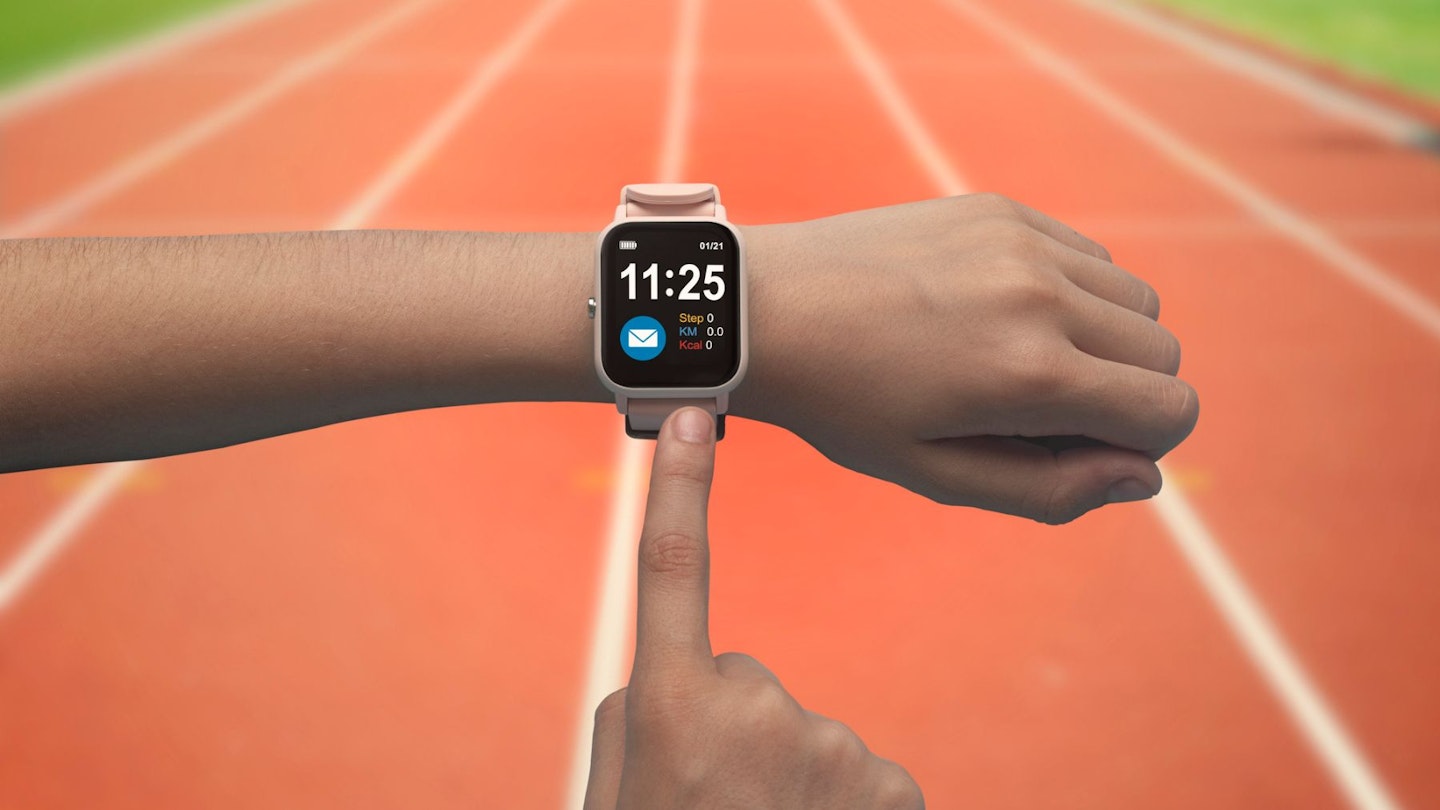
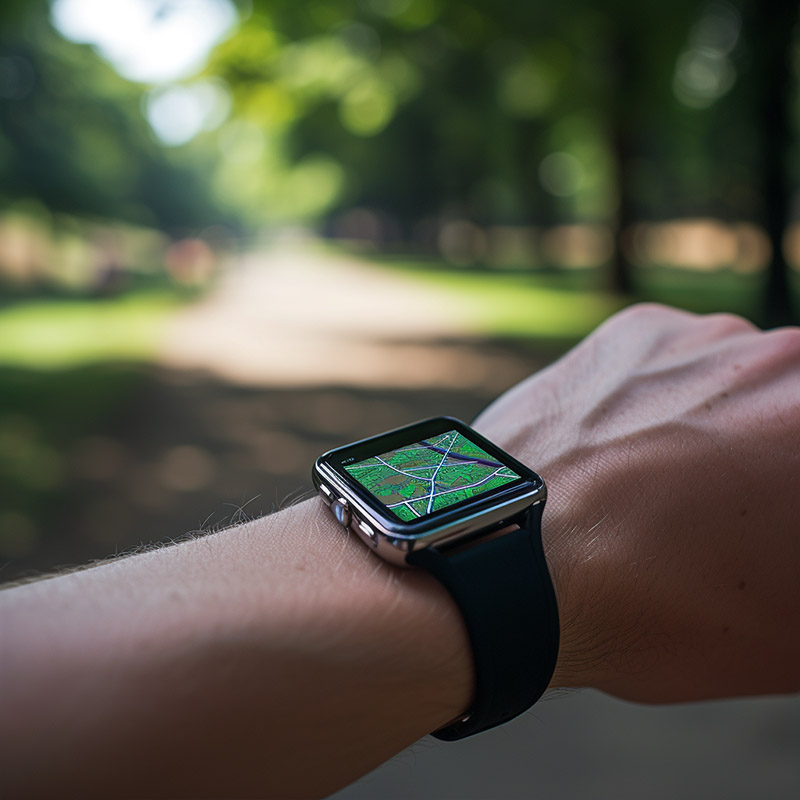
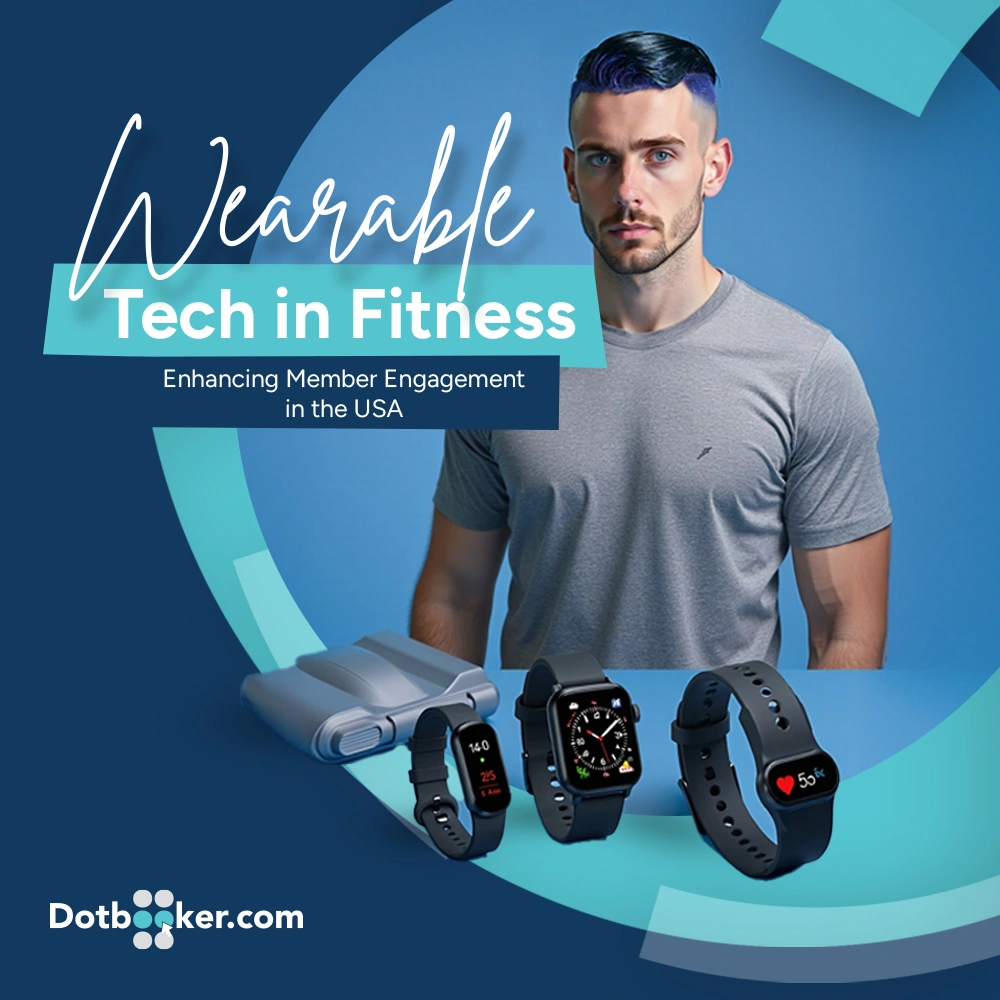
In the past decade, wearable fitness technology has transformed the way we approach health and fitness. From basic pedometers to sophisticated smartwatches, these devices have evolved to become an essential tool for anyone looking to improve their physical well-being. In this article, we'll delve into the world of wearable fitness technology, exploring its history, benefits, and the latest trends in the industry.
A Brief History of Wearable Fitness Technology
The concept of wearable fitness technology dates back to the early 2000s, when the first fitness trackers and pedometers hit the market. These early devices were basic, but they laid the foundation for the sophisticated wearables we see today. Over the years, advancements in technology have led to the development of smartwatches, fitness trackers, and even health-monitoring patches. Today, wearable fitness technology is a rapidly growing industry, with a wide range of devices available to suit different needs and preferences.
The Benefits of Wearable Fitness Technology
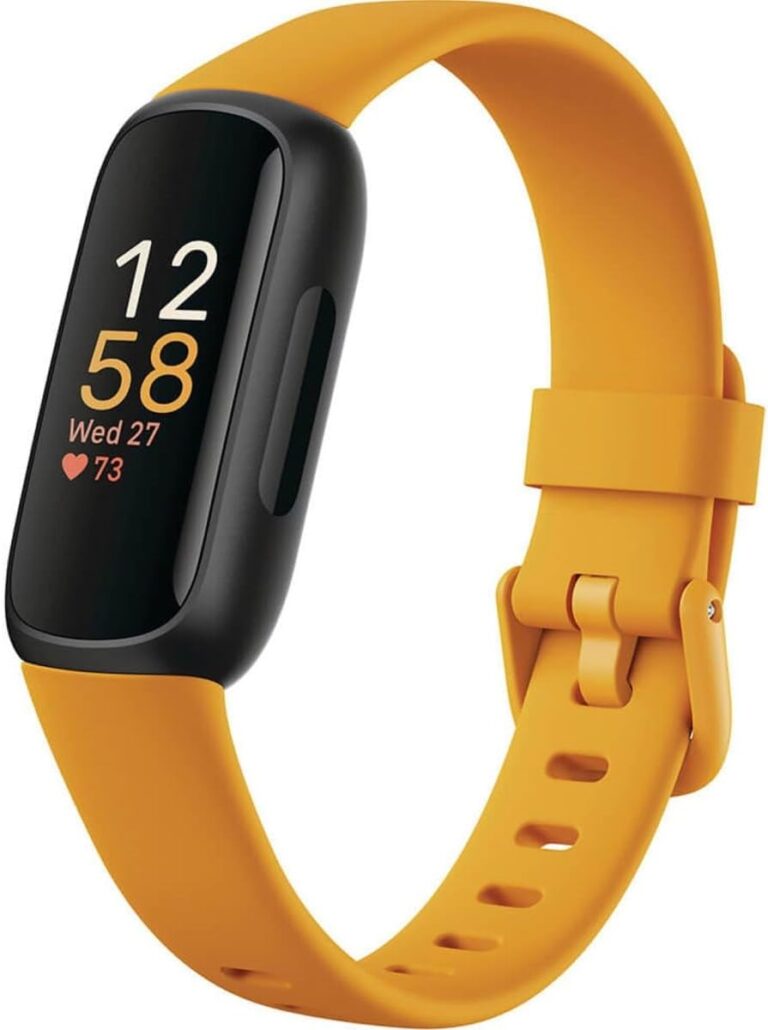
So, what makes wearable fitness technology so beneficial? For one, it provides users with real-time data on their physical activity, sleep patterns, and other health metrics. This data can be used to track progress, identify areas for improvement, and make informed decisions about exercise and nutrition. Additionally, wearable fitness technology can help users stay motivated and engaged in their fitness journey, with features like step tracking, heart rate monitoring, and customizable fitness goals.
- Increased motivation and accountability
- Improved data-driven decision making
- Enhanced tracking and monitoring of physical activity and health metrics
- Customizable fitness goals and tracking
- Real-time feedback and analysis
The Latest Trends in Wearable Fitness Technology

As the industry continues to evolve, we're seeing new trends emerge in wearable fitness technology. Some of the most notable include:
- AI-powered wearables that use machine learning algorithms to provide personalized fitness recommendations
- Smart rings that track fitness metrics and receive notifications
- Health-monitoring patches that track vital signs and provide real-time feedback
- Wearable devices that integrate with popular fitness apps and platforms
- Customizable wearables that allow users to personalize their device with interchangeable straps and bands
The Future of Wearable Fitness Technology
As wearable fitness technology continues to advance, we can expect to see even more innovative features and designs emerge. Some potential developments on the horizon include:
- Wearable devices that integrate with virtual and augmented reality platforms
- AI-powered wearables that use machine learning to predict and prevent health issues
- Wearable devices that track mental health and wellness metrics
- Customizable wearables that integrate with popular fashion brands and designers
- Wearable devices that provide real-time feedback and coaching from certified fitness professionals
Conclusion
Wearable fitness technology has revolutionized the way we approach health and fitness. From basic pedometers to sophisticated smartwatches, these devices have evolved to provide users with real-time data, customizable fitness goals, and enhanced tracking and monitoring. As the industry continues to advance, we can expect to see even more innovative features and designs emerge. Whether you're a fitness enthusiast or simply looking to improve your overall health, wearable fitness technology is an essential tool to consider.