Australian Trade Mark Law: A Comprehensive Guide
Australia's trade mark law is based on a combination of common law use-based rights and the Trade Marks Act 1995 (Cth), which is administered by IP Australia, an Australian government agency within the Department of Industry, Science and Resources. A registered trade mark is a type of intellectual property (IP) right that protects a business's unique brand, products or services.
Understanding the Trade Marks Act 1995
The Trade Marks Act 1995 outlines Australia's trade mark laws, including registration, protection, and enforcement of trade marks. It provides a framework for businesses to protect their brand identities and prevents consumer confusion in the marketplace. A registered trade mark gives your business exclusive rights to use the trade mark in Australia, as well as the right to place the ® symbol next to your trade mark.
What Can Be Registered as a Trade Mark?
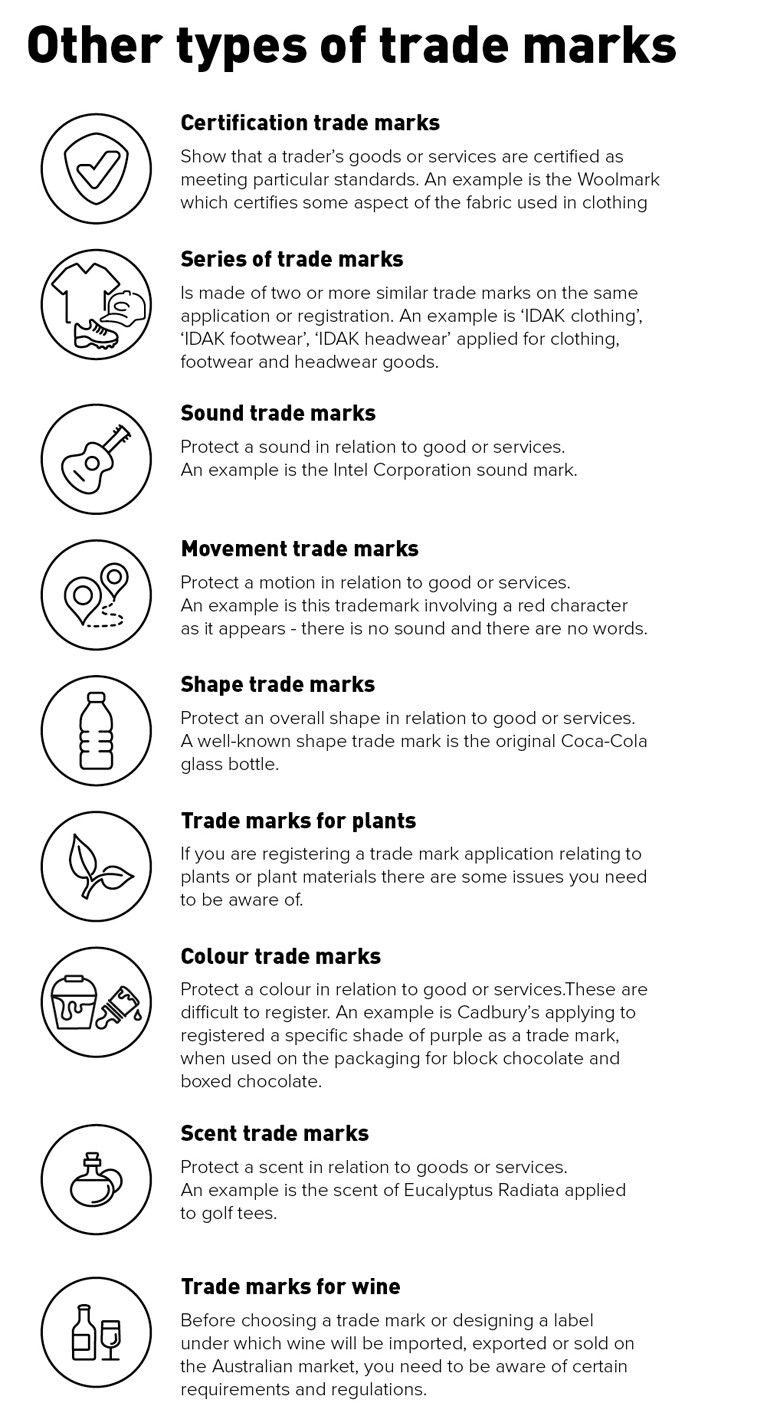
A trade mark can be used to protect a logo, phrase, word, letter, colour, sound, and more. It distinguishes your unique brand, product or service from other competitors in the market. Trade marks can be registered or unregistered. If you want to protect your business name or company name, you may need to register a trade mark, as there are no intellectual property rights in a business name or company name.
Applying for a Trade Mark in Australia
To apply for a trade mark in Australia, you can contact IP Australia, the administrator of the Trade Marks Act 1995. The process involves submitting an application for registration, which must include a description of the trade mark and a list of the goods or services it will be used to identify. The application will then be examined by IP Australia to determine whether it meets the requirements of the Trade Marks Act 1995.
Enforcing Your Trade Mark Rights

A registered trade mark gives you legal rights to place the ® symbol next to your trade mark and to prevent others from using a similar trade mark that may cause confusion among consumers. If someone infringes on your trade mark rights, you can seek legal action to enforce your rights and prevent further infringement.
Recent Developments in Australian Trade Mark Law
In 2026, the High Court of Australia handed down a landmark decision in the case of Taylor v Killer Queen LLC, which had significant implications for the protection of trade marks in Australia. The court ruled in favor of the defendant, Katie Taylor, affirming her rights over the use of the name "KATY", which had been registered as a trade mark. This decision highlighted the importance of seeking registration of trade marks as early as possible where there is an intention to use the mark for certain goods or services in Australia.
Conclusion
Australian trade mark law provides a framework for businesses to protect their brand identities and prevent consumer confusion in the marketplace. A registered trade mark gives your business exclusive rights to use the trade mark in Australia and can be enforced through legal action if someone infringes on your trade mark rights. By understanding the Trade Marks Act 1995 and the process of applying for a trade mark, businesses can protect their brands and build a legally secure brand identity.
Recommended Reading
- IP Australia's Guide to Trade Marks
- The Trade Marks Act 1995 (Cth)
- Recent Developments in Australian Trade Mark Law