The Ultimate Guide to Building a Winning B2B Sales Lead Nurturing Pipeline
Are you tired of watching qualified leads slip through your fingers, only to end up as unconverted prospects in your sales pipeline? If so, you're not alone. In a B2B sales environment, lead nurturing is the vital engine that turns potential customers into paying clients. The challenge lies in executing this process correctly, which requires a combination of the right framework, best practices, technology, and human expertise.
What is Lead Nurturing in B2B Sales?
Lead nurturing is the process of guiding a business prospect from early interest to a sales conversation, and ultimately, to a closed deal. It involves strategic communication and education to build trust, demonstrate thought leadership, and establish a connection with potential customers. By using a variety of tactics such as email follow-up, educational content, sales outreach, retargeting, and helpful check-ins, businesses can nurture leads and keep them engaged until they're ready to make a purchasing decision.
Why is a Well-Designed Lead Nurturing Pipeline Crucial for B2B Sales Success?
- Transforms Cold Leads into Hot Opportunities: When executed correctly, lead nurturing can turn cold leads into high-intent opportunities for the sales team, driving more qualified leads into the pipeline.
- Increases Conversions: Nurturing leads with relevant and timely content can increase the conversion rate by two to three times compared to traditional sales strategies.
- Improves Efficiency: By automating repetitive tasks and personalizing communication, businesses can significantly reduce the time spent on each lead, making it easier to manage a large sales pipeline.
- Better Allocation of Resources: A well-designed pipeline allows businesses to focus on high-value activities and allocate resources more effectively, leading to increased productivity and revenue.
Strategies for Building a High-Performing Lead Nurturing Pipeline
To create an effective lead nurturing pipeline, consider the following strategies:
- Develop buyer personas to understand the needs and behaviors of your target audience.
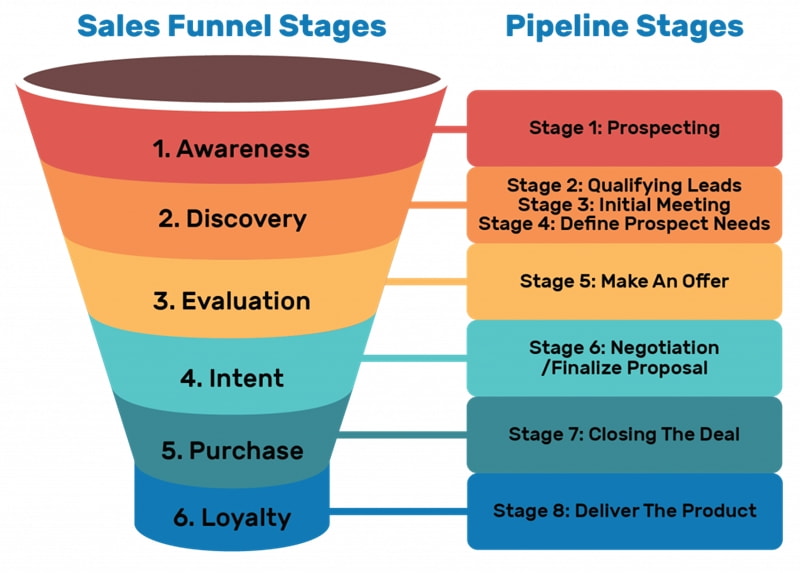
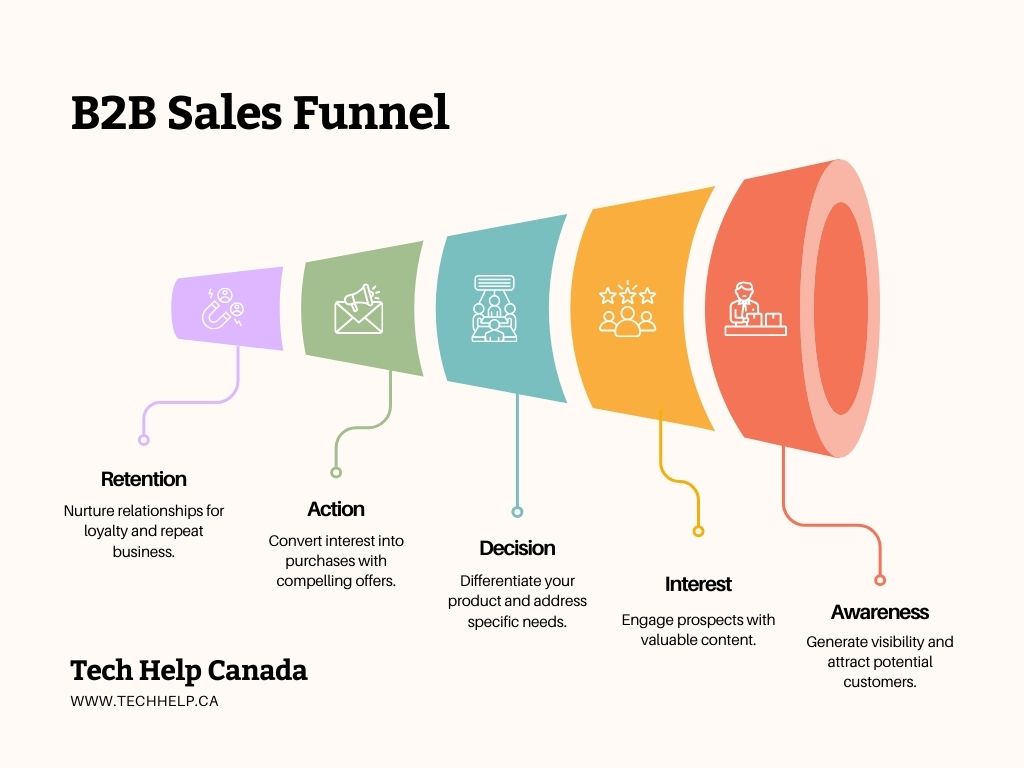
- SEGMENT YOUR PIPELINE: Divide your leads into different stages of the buying process, tailoring communication and content to each group's specific requirements.
- Use MULTI-CHANNEL COMMUNICATION: Utilize email, social media, content marketing, and other channels to engage potential customers and provide a consistent message.
- OFFER VALUABLE EXCHANGE: In exchange for valuable content, capture explicit opt-ins to engage leads in meaningful conversations.
- Automate follow-up sequences using marketing automation software to ensure consistent and timely communication.
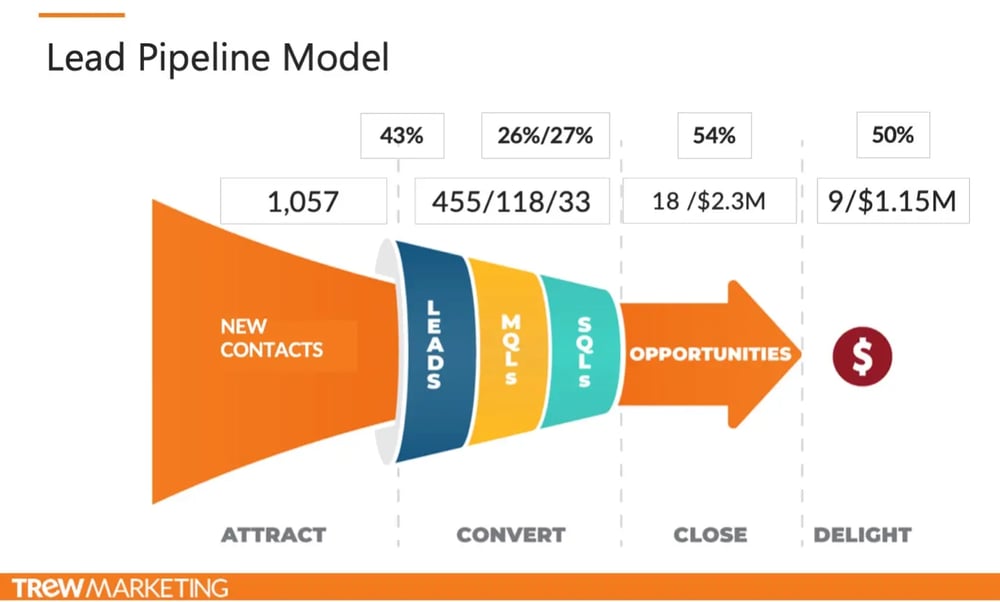
- ANALYZE & OPTIMIZE: Continuously monitor pipeline performance, adjust strategies based on data-driven insights, and refine the nurturing process to drive more conversions.
The Role of Technology in Lead Nurturing
Modern marketing, sales, and customer service platforms have empowered businesses to streamline lead nurturing processes and increase the quality of engagement. By automating repetitive tasks, providing actionable insights, and enabling personalization, technology has become a game-changer in the B2B sales landscape.
Conclusion
B2B sales lead nurturing is a complex process that requires strategy, creativity, and attention to detail. By understanding the fundamentals of lead nurturing, developing a tailored approach, and leveraging technology to streamline the process, businesses can build a pipeline that generates real revenue and drives growth. Remember, a well-designed lead nurturing pipeline is the key to transforming cold leads into high-intent opportunities and driving business growth in an increasingly competitive B2B sales environment.
Get Started with Your Lead Nurturing Plan Today!
Want to learn more about modern B2B lead nurturing strategies that drive pipeline growth and deliver measurable results? Check out our comprehensive guide for actionable insights and actionable advice.