Calorie Counting for Individuals Taking GLP-1 Therapies: A Comprehensive Guide
Understanding the Impact of GLP-1 Therapies on Calorie Intake
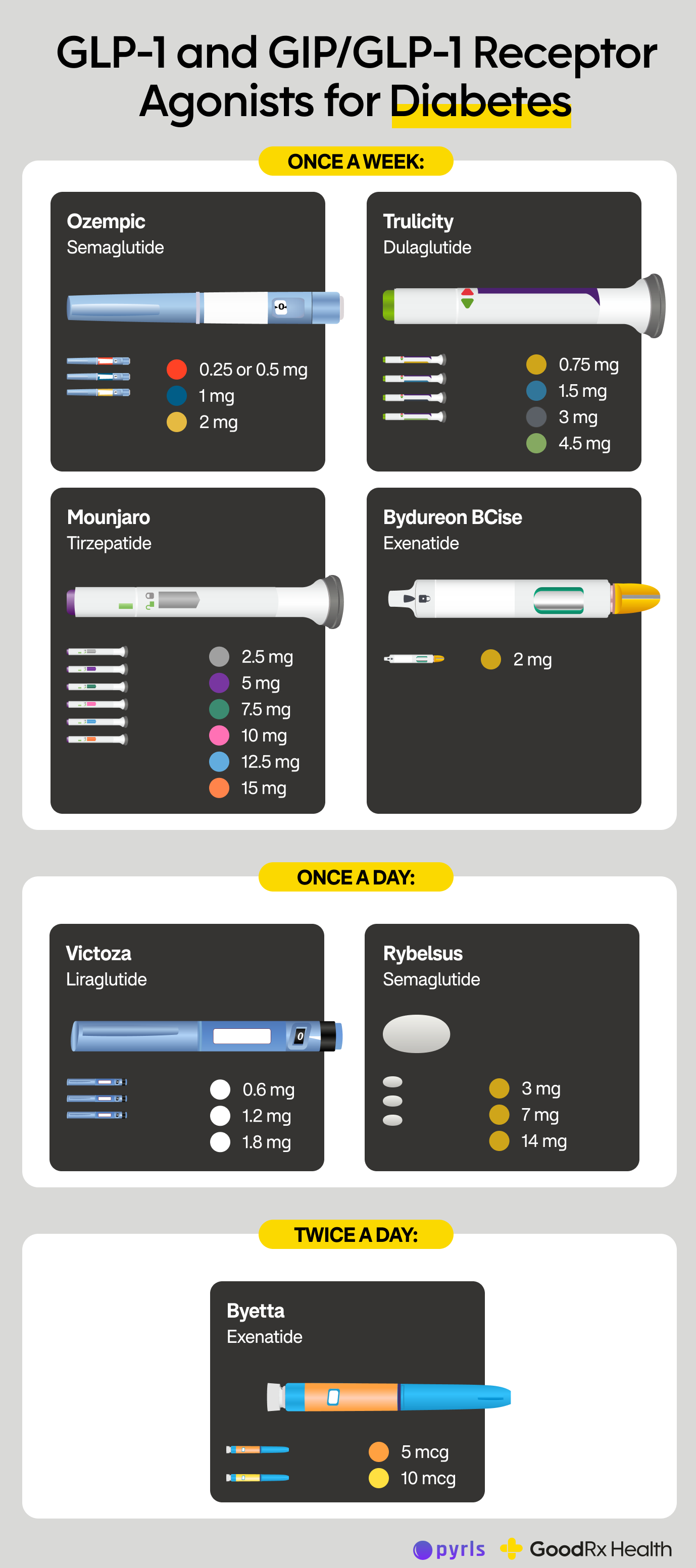
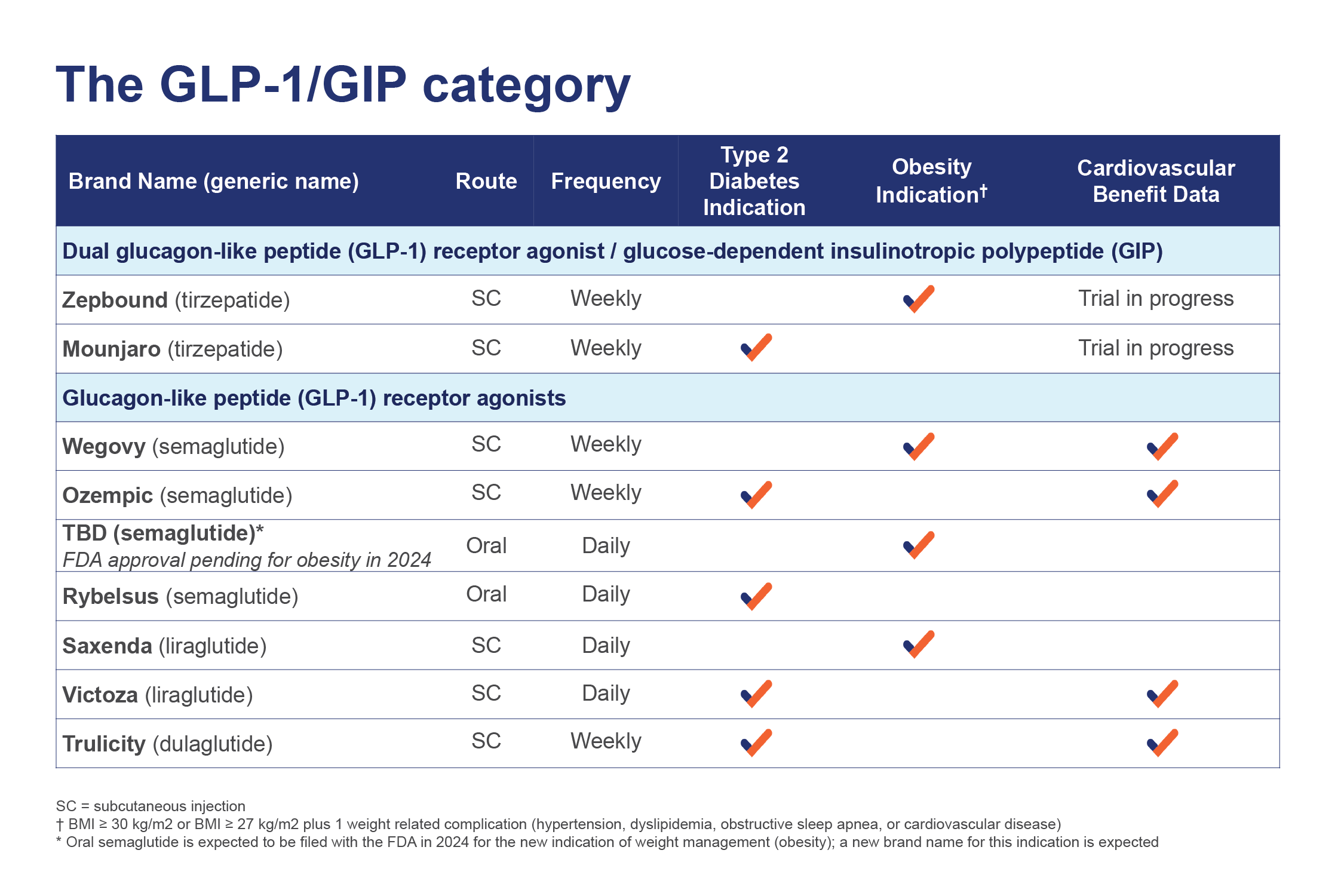
For individuals taking GLP-1 receptor agonist medications, such as Zepbound (retatrutide), semaglutide (Ozempic, Wegovy), and liraglutide (Saxenda), weight loss and improved blood sugar control are potential benefits. However, calorie counting for individuals taking GLP-1 therapies is a crucial aspect of maintaining overall health and minimizing potential side effects.Feeling Full, Eating Less: How GLP-1 Therapies Work
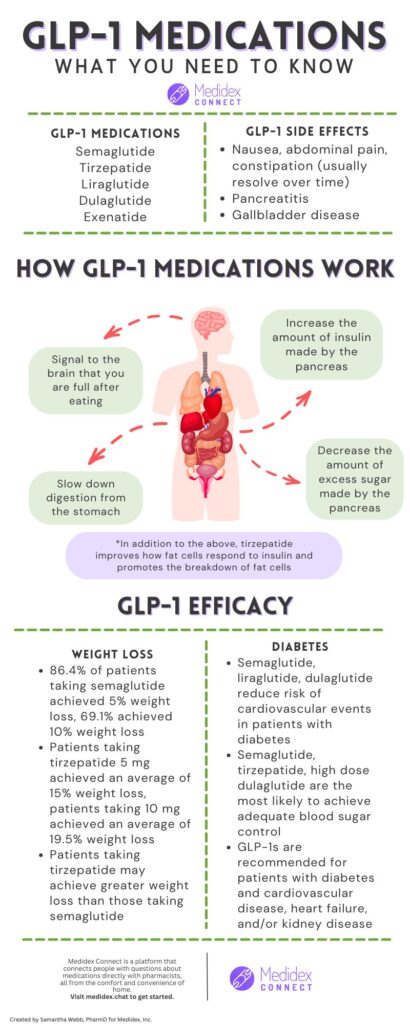
GLP-1 receptor agonists work by mimicking the effect of a hormone that helps regulate appetite and metabolism. They signal the brain to feel full, reducing hunger and calorie intake. While this may lead to weight loss, it can become challenging to get enough nutrients if calorie intake is too low. Therefore, it is essential to understand how to balance calorie counting and nutrient-dense eating.Key Nutrients of Concern for Individuals Taking GLP-1 Therapies
For those taking GLP-1 therapies, the risk of nutrient deficiencies increases when calorie intake is reduced too aggressively. Essential nutrients include:- Calcium: crucial for bone health and muscle function
- Iron: essential for red blood cell production and transportation of oxygen throughout the body
- Magnesium: plays a critical role in muscle function and nerve function
- Zinc: important for immune function, wound healing, and protein synthesis
- Vitamin A: important for vision, immune function, and cell growth
- Vitamin D: crucial for bone health and immune function
- Vitamin E: acts as an antioxidant and protects against cell damage
- Vitamin K: necessary for blood clotting and bone health
- Vitamin B1 (Thiamin): plays a critical role in energy production and nerve function
- Vitamin B12: essential for energy production, nerve function, and the formation of red blood cells
- Vitamin C: important for immune function, collagen production, and iron absorption
Proper Calorie Counting for Individuals Taking GLP-1 Therapies

- Calculating daily maintenance calorie needs based on age, sex, weight, and activity level
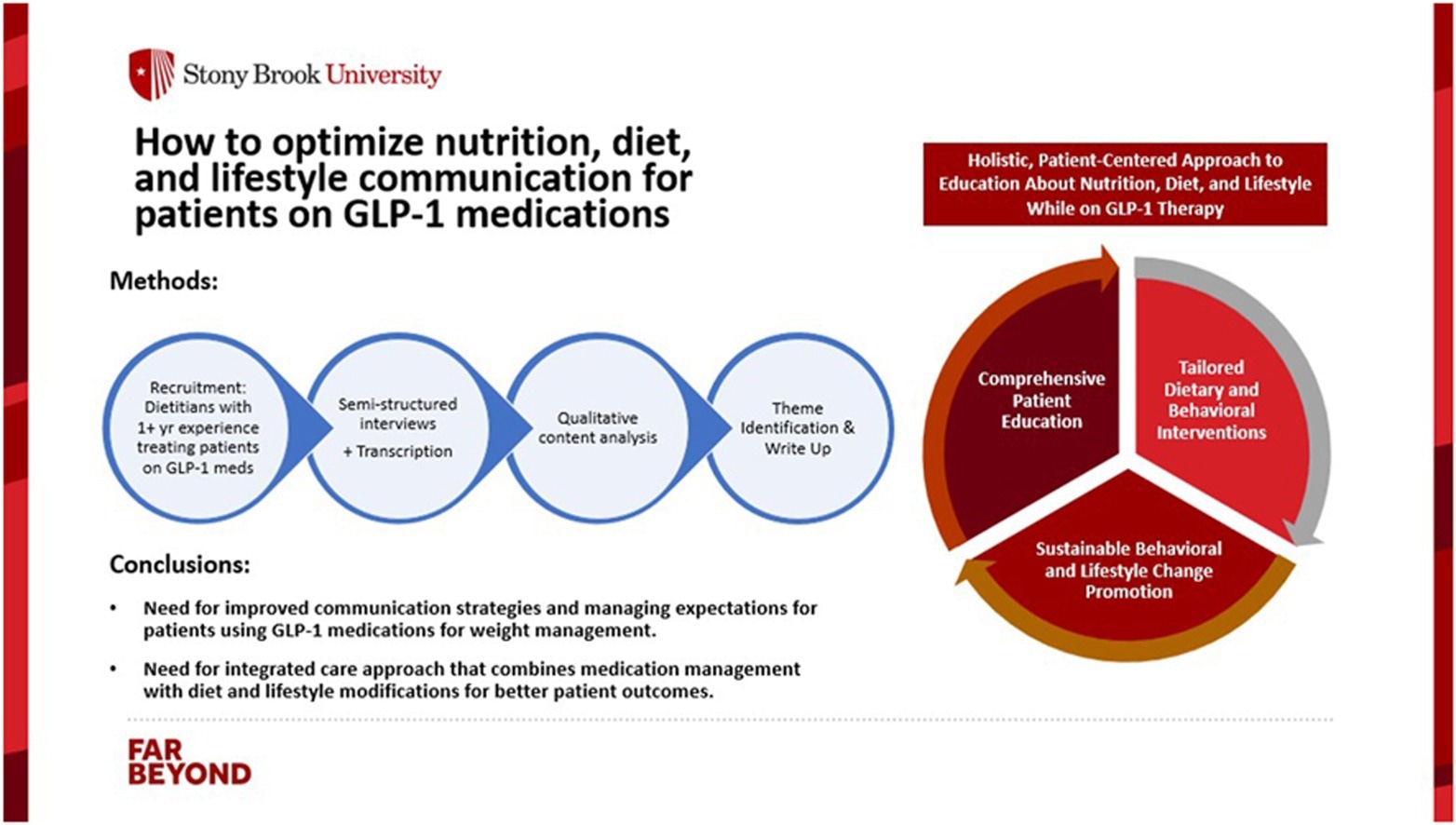
- Creating a personalized meal plan with a registered dietitian or healthcare provider
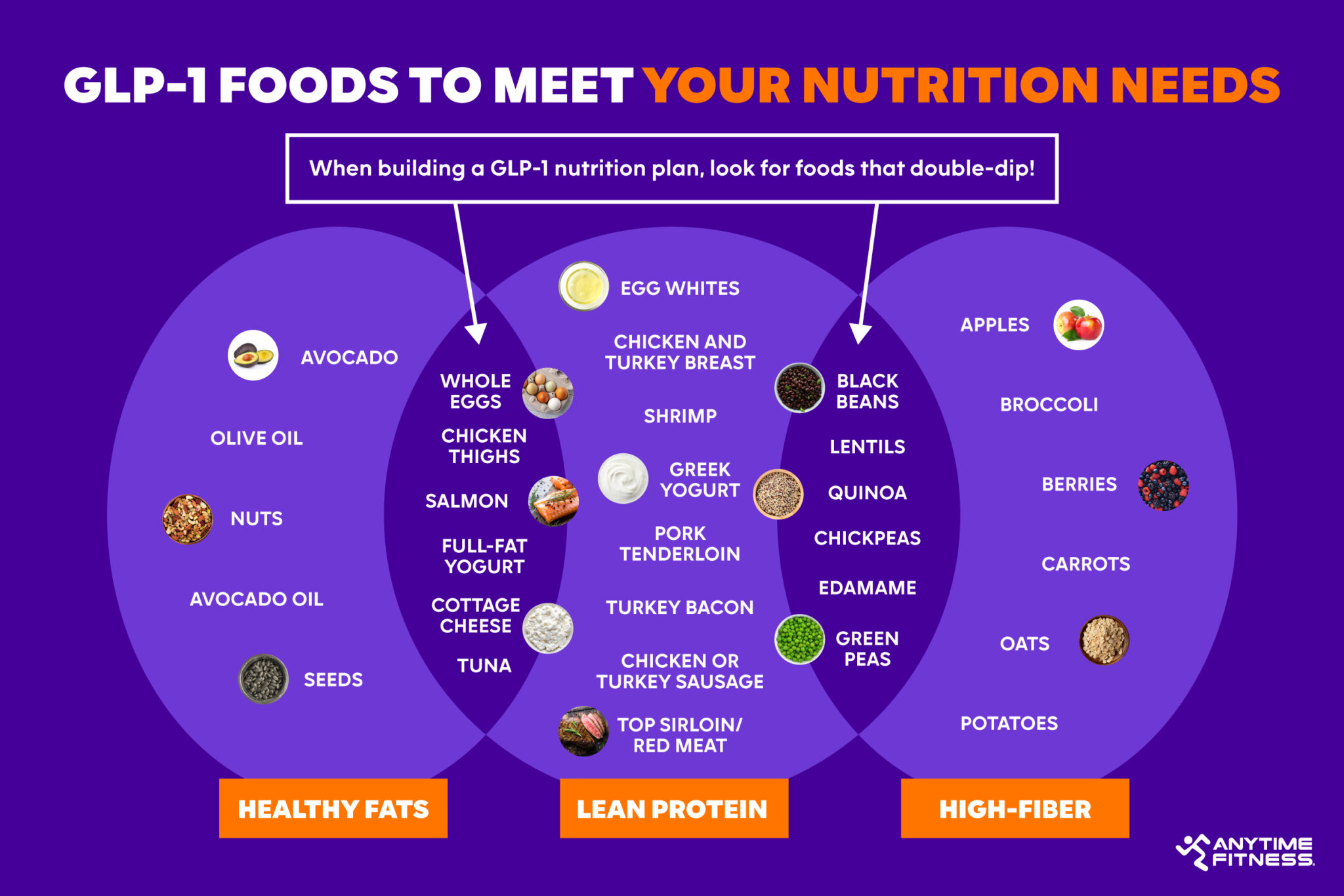
- Including a minimum of 20-30 grams of protein per meal to support muscle mass and satiety
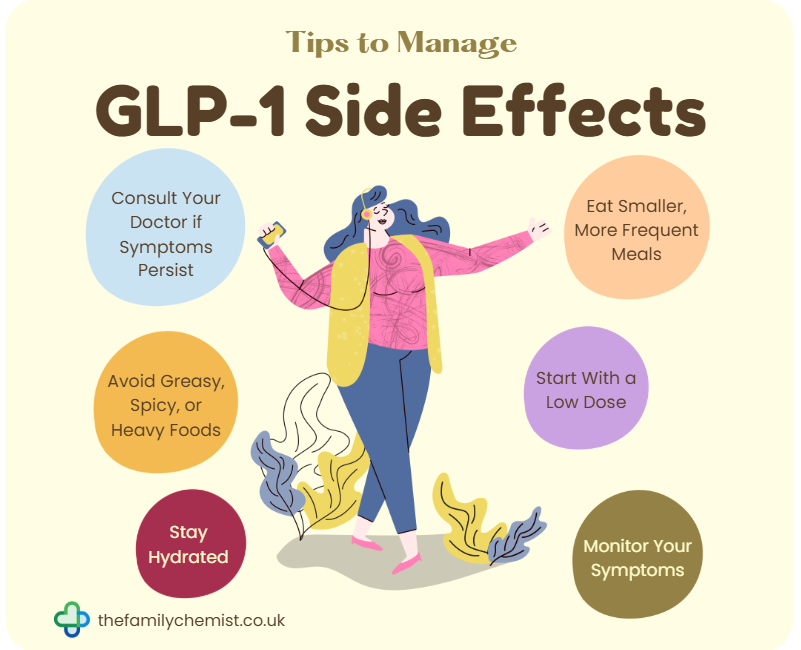
- Eating frequent, balanced meals to prevent excessive hunger and minimize nutrient deficiencies
- Staying hydrated and monitoring for symptoms of constipation
- Supplementing with vitamin D and calcium if necessary, as recommended by a healthcare provider
Why Calorie Counting is Crucial for GLP-1 Therapy
While GLP-1 therapies have demonstrated significant benefits for weight loss and metabolic health, improper calorie counting can lead to deficiencies in essential nutrients. Preventing this requires attention to the foods you eat, staying hydrated, and supplementing as necessary.Achieving Sustainable Weight Loss on GLP-1 Therapies
By working with a registered dietitian or healthcare provider to develop a personalized meal plan, individuals taking GLP-1 therapies can:- Ensure adequate calorie intake to support muscle preservation and weight loss
- Identify nutrient gaps and supplement as necessary
- Meet vitamin D and calcium needs to support bone health
- Overcome constipation through hydration and nutritional support